


Vintage Oriental Wood Stand
These vintage oriental wood stand examples span elaborate plant supports and carved display pieces, bringing traditional craftsmanship into modern interiors.
Vintage Oriental Wood Stand
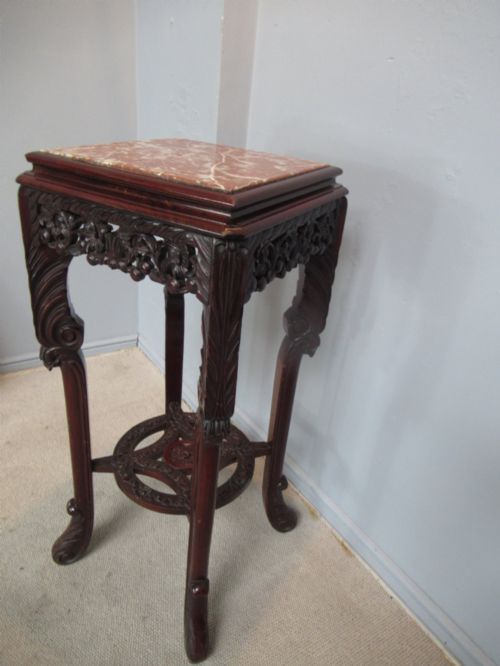
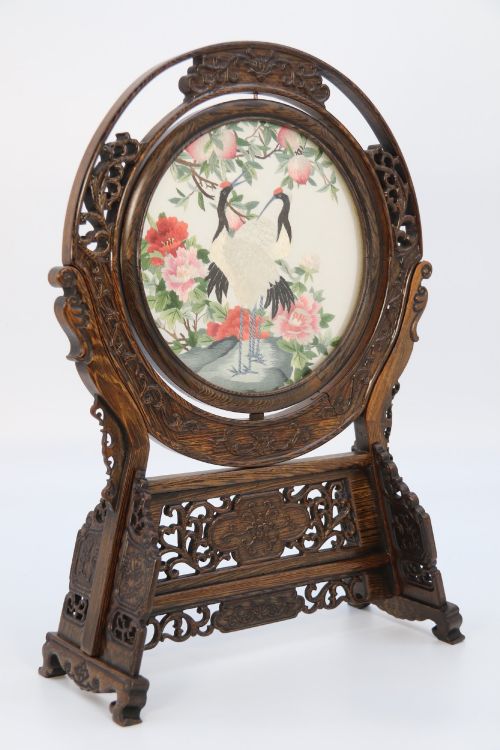
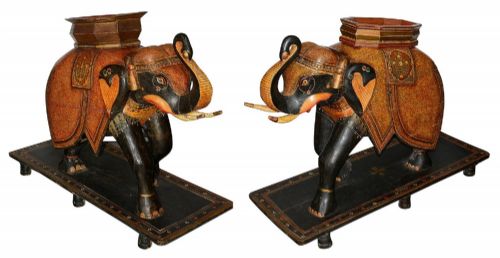
A vintage oriental wood stand serves primarily as a decorative platform for display items, including plant pots, vases, and tabletop screens. The selection ranges from nineteenth-century pieces to items produced through the nineteen-twenties and nineteen-thirties.
Buyers will encounter various forms such as plant and jardiniere stands, folding book pedestals, and occasional side tables. Origins span Chinese, Japanese, and Anglo-Indian traditions alongside Western Chinoiserie interpretations.
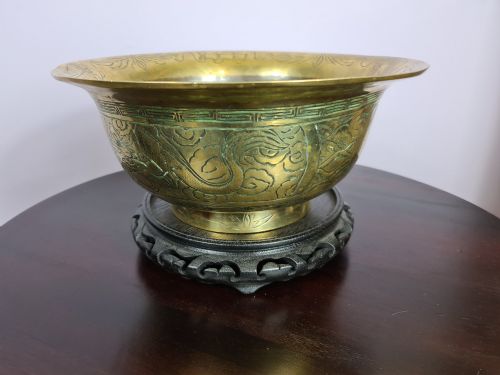
The objects reflect distinct historical periods, incorporating Victorian and Edwardian examples alongside Qing Dynasty and Chinese Republic period pieces. Many items function as independent pedestals or support elements for larger decorative objects like brass bowls and silk embroidery.
Materials and technique
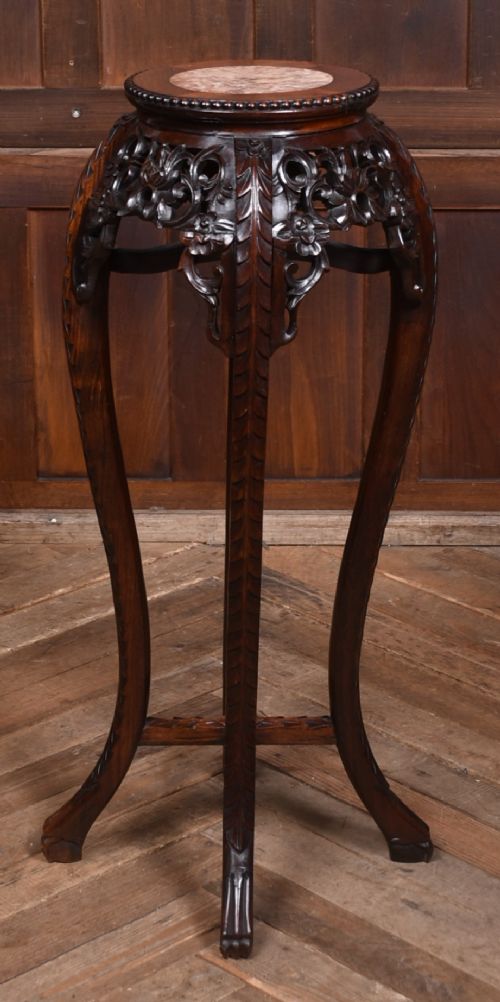
Construction relies heavily on dense hardwoods, specifically rosewood and general hardwood, chosen for structural stability and fine grain. Artisans frequently integrated inset marble tops or rouge marble slabs into the timber frames to create durable display surfaces.
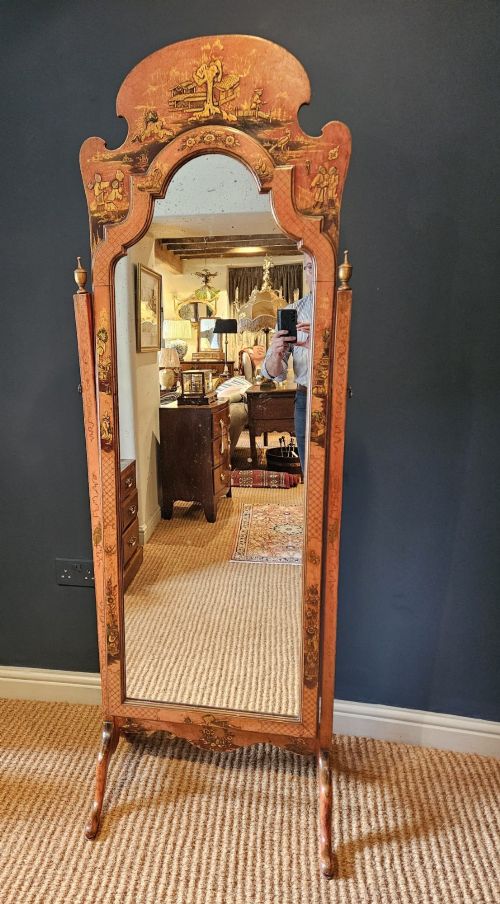
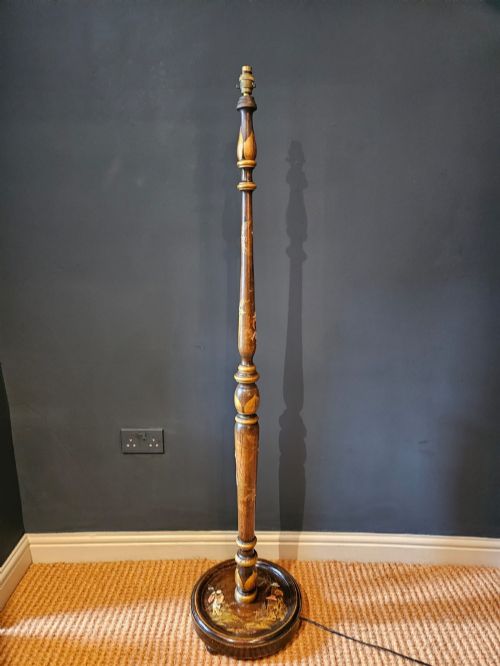
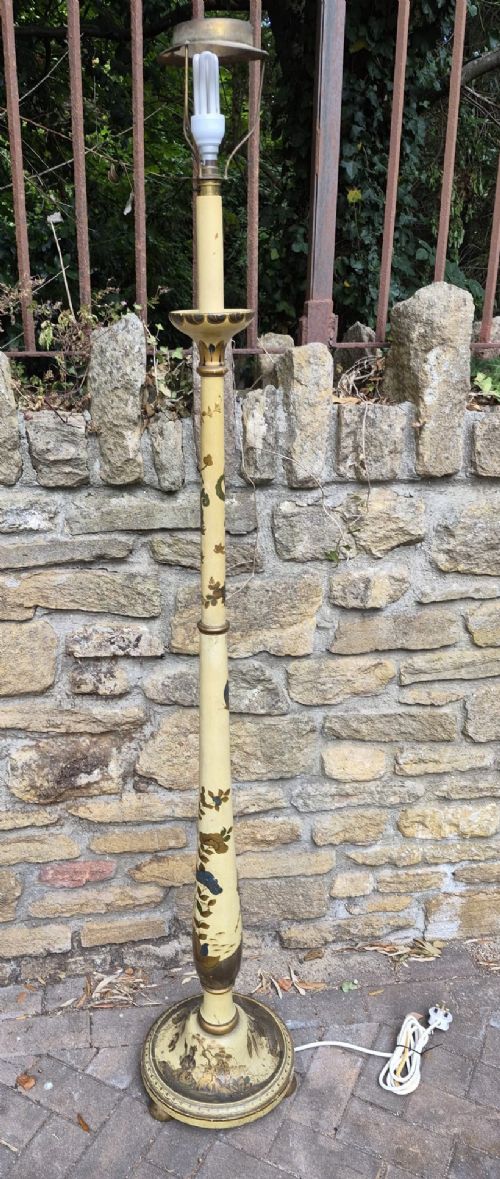
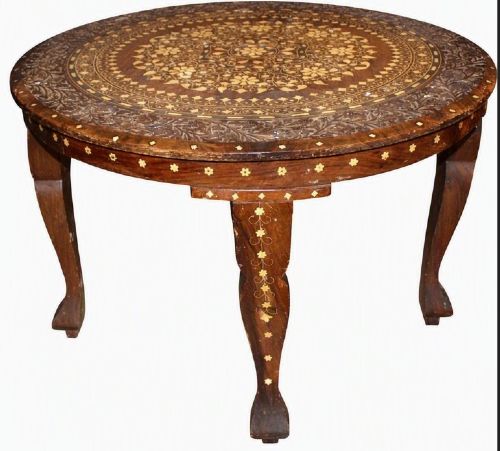
Surface ornamentation involved intricate hand carving, bone inlay, and mother of pearl decoration. Lacquer work and hand-painted Chinoiserie finishes appear alongside brass elements and copper tops.
Joinery techniques support complex forms, from folding coffee tables to rotating display stands and elaborately carved hall stands. Carvers utilised traditional relief methods to depict natural scenes, dragons, and floral motifs.
Materials across the listings include hardwood, rosewood, brass, marble, lacquer, and glass.
Craftsmanship and distinction
The standard of carving and depth of relief set apart finer examples from simpler production. Crisp execution in floral or figural motifs indicates skilled workshop output rather than commercial replication.
Material selection dictates the overall integrity of the piece, particularly the quality of the hardwood and the proper fit of inset marble or stone tops. Smooth operation in rotating elements and stable construction in folding frames reveal superior original assembly.
Liberty and Co
The Vintage Oriental Wood Stand Glossary
- Chinoiserie
- European decorative style reflecting Chinese artistic influences, prevalent in nineteenth and early twentieth-century furnishings. It employs painted lacquer and ornamental motifs.
- Jardiniere
- A decorative pot or stand designed to hold plants and flowers. These items often feature marble inserts to protect the wooden structure from moisture.
- Cloisonné
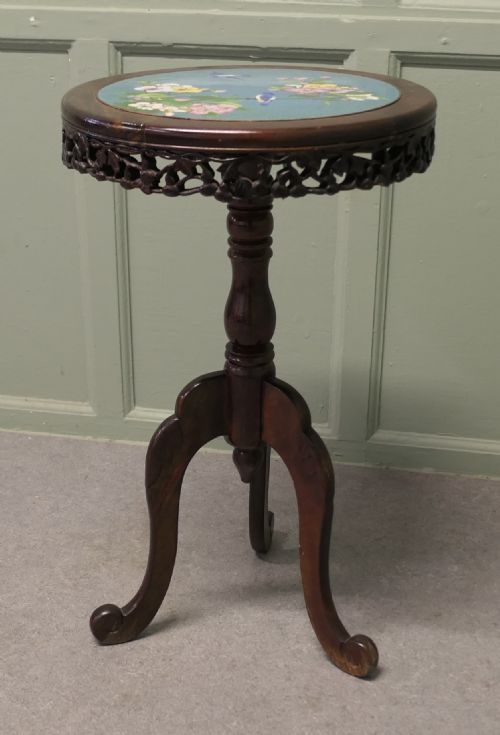
- Enamelling technique where metal wire forms compartments on a base object to hold coloured paste. Pieces incorporate this method for ornamental tabletop surfaces.
- Meiji
- Japanese historical period spanning the late nineteenth and early twentieth centuries. Furniture from this era displays refined carving and traditional joinery.
- Scholar's stand
- Specialised reading or display pedestal used in studies for books and scrolls. These folding or fixed structures facilitate quiet contemplation and display.
Vintage Oriental Wood Stand: Frequently Asked Questions
What is an oriental wood stand used for?
These pieces function primarily as elevated platforms for plants, vases, or tabletop screens. They provide stable surfaces while adding decorative architectural interest to a room.
Historically, specific stands supported scholarly texts, tea ceremony items, or decorative sculptures. Today they serve similar display purposes in residential interiors.
How do I identify a nineteenth-century stand?
Nineteenth-century examples typically display dense rosewood construction, heavy hand-carved relief work, and traditional joinery methods. The presence of natural patina on the timber indicates age and consistent handling.
Examining the underside and interior joints reveals the hand-tool marks characteristic of period production. Stylistic markers often align with Victorian or Qing Dynasty design conventions.
Where should I place a plant stand at home?
These stands suit corners, entryways, or flanking low furniture where height variation adds visual balance. Placing them near light sources enhances the natural grain of the hardwood.
Ensure the surface area matches the base of the intended object, particularly with marble-topped variants used for heavier ceramic pots.
What is the difference between Chinese and Anglo-Indian stands?
Chinese stands frequently incorporate rosewood, marble inserts, and traditional motifs such as dragons or floral carvings. Their structural lines often reflect classical dynasties or Republic period aesthetics.
Anglo-Indian pieces typically combine British furniture forms with indigenous carving techniques, bone inlay, and indigenous timbers. They bridge distinct cultural design traditions from the colonial era.