



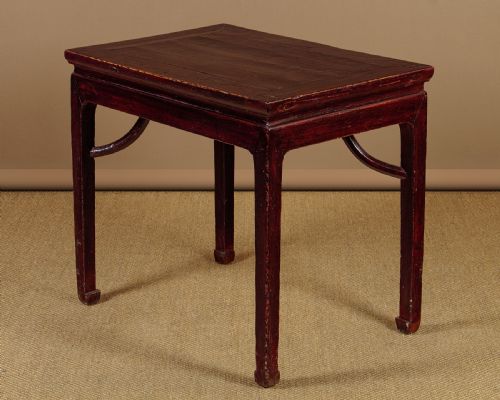


Elm Wine Table
These small elm wine table examples bring warmth and strong character to a room through rich timber grain and compact proportions.
Elm Wine Table
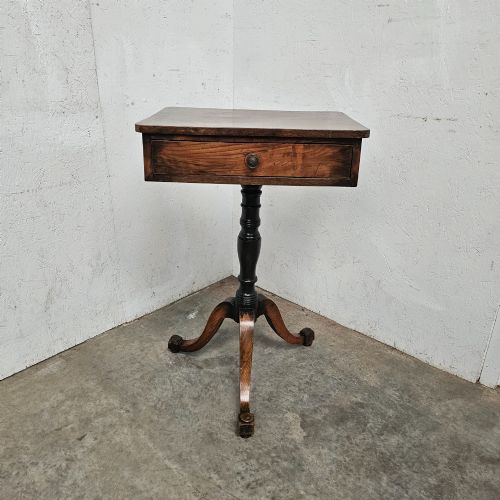
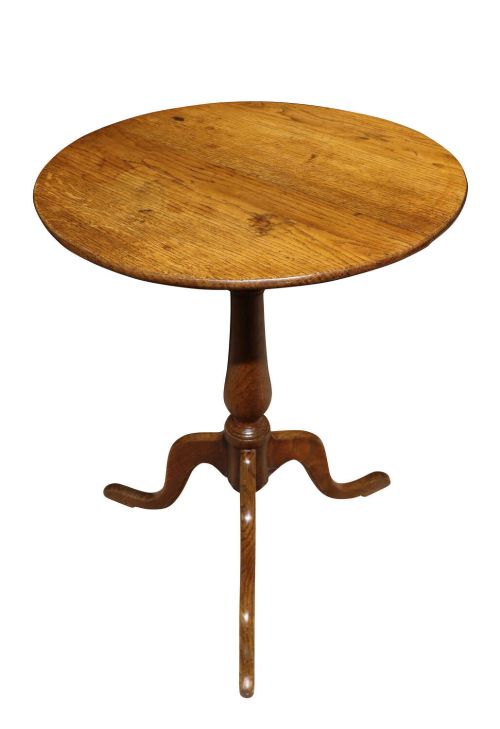
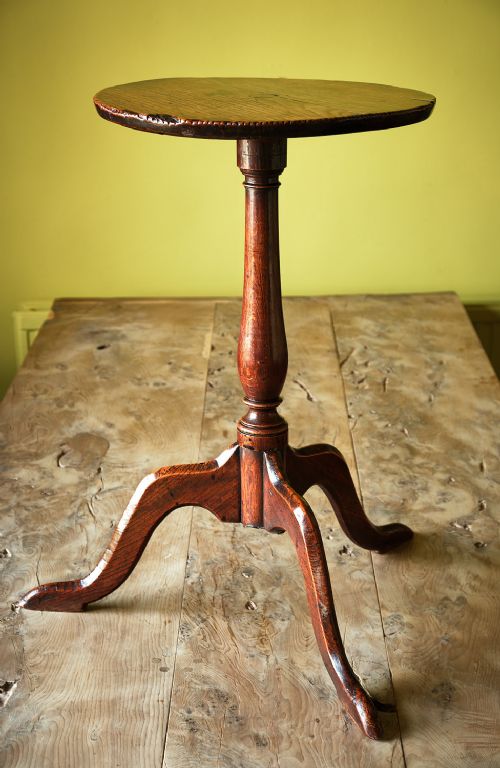
An elm wine table is a compact surface designed for holding drinks or lighting, frequently taking the form of a tripod occasional table with a circular top. When you search for an elm wine table, you encounter pieces intended for flexible placement beside seating in domestic interiors.
Many items adopt tilt-top mechanisms for storage convenience, while others remain fixed atop sturdy pedestals or three-legged bases. Oak frequently partners with elm in the construction of these tables, particularly in 18th century and Georgian pieces.
Materials and construction methods
Elm and burr elm provide the primary timber surfaces, valued for their distinctive swirling grain patterns and resilience. Cabinetmakers often paired elm tops with oak or other supporting woods for structural stability in tripod and pedestal bases.
Joinery techniques rely on traditional turning for pedestals and precise joint work for tripod legs and tilt-top mechanisms. Iron and brass hardware occasionally appear in hinges, catches, or subtle structural reinforcements.
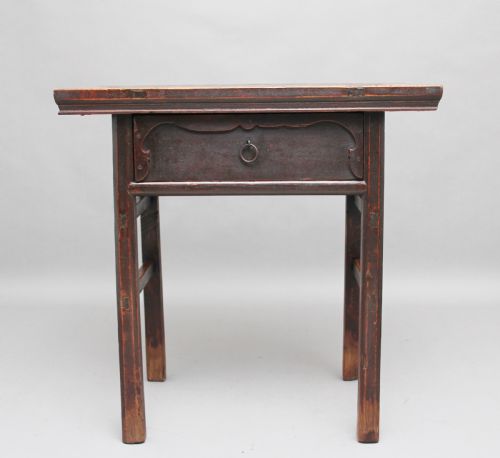
Regional styles on this page range from English country workshop pieces to French Guéridons and Chinese provincial furniture.
Distinctions in quality and execution
Quality rests primarily in the figure of the wood, where highly burred or richly figured elm commands greater appreciation than plain timber. The crispness of the turning on the central pillar and the balanced proportion of the legs determine the visual success of the piece.
The integrity of the tilt-top mechanism and the snugness of its fit when lowered indicate the care taken by the original maker. Subtleties in edge moulding and the smoothness of the surface finish separate standard utility pieces from finer examples.
The Elm Wine Table Glossary
- Burr Elm
- The knotted growth of an elm tree that produces complex, swirling grain patterns across the wood surface. This material is highly prized for decorative table tops.
- Tripod Table
- A small table supported by three legs radiating from a central pillar. This design offers stability on uneven historical floorboards.
- Tilt-Top
- A table top hinged to the pedestal so it can be pivoted vertically when not in use. This mechanism allowed tables to be stored flat against walls.
- Guéridon
- A small French occasional table supported by a single central column or figures. The term covers various ornamental stands from the 19th century.
- Pedestal Lamp Table
- A single-pillar table adapted to hold a light source or beverage. These pieces often feature compact circular or octagonal tops.
Elm Wine Table: Frequently Asked Questions
What rooms suit an elm wine table?
These compact tables fit easily beside armchairs, sofas, or in tight corners where surface space is limited. Their modest footprints allow them to function as lamp stands or drink supports without crowding a living area.
They also sit comfortably in hallways or studies as accent pieces. The natural warmth of the wood grain blends smoothly into both traditional country house interiors and more restrained contemporary schemes.
How do I distinguish Georgian from Victorian examples?
Georgian pieces, particularly those from the mid to late 18th century, often display simpler country construction with oak and elm combinations and slender tripod legs. Their proportions reflect the functional requirements of domestic spaces during that era.
Victorian and later 19th century items sometimes incorporate more elaborate turning, ebonised elements, or exotic timber pairings like rosewood. Regional Asian interpretations from this period introduce different carving traditions and proportions.
Were these tables actually used for wine?
Historical evidence indicates these small surfaces were designed to hold glasses, bottles, and candles near seating areas during social gatherings. Their portable nature meant servants could move them about the room as needed.
Over time, their utility expanded to accommodate reading materials and lamps. Today, they continue to serve these exact functional roles while displaying decorative timber grain.