




18th Century Elm Table
An 18th century elm table brings rustic warmth and robust grain to an interior through centuries of practical domestic history.
18th Century Elm Table
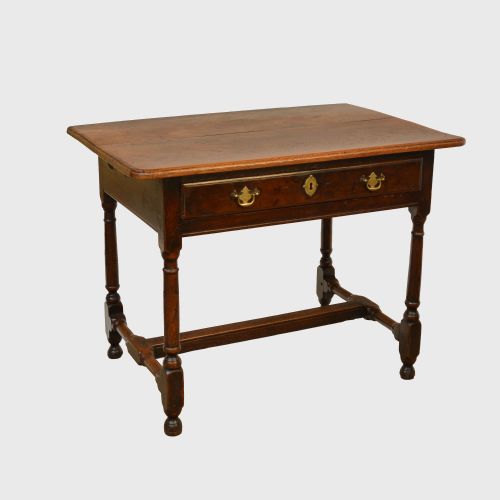
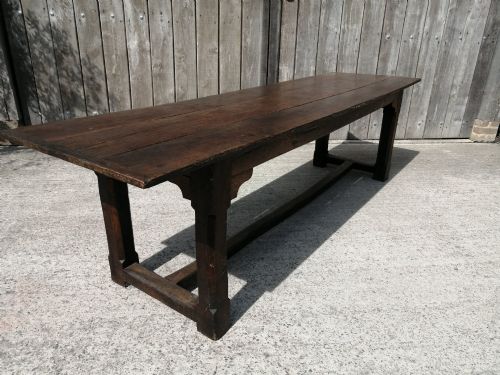
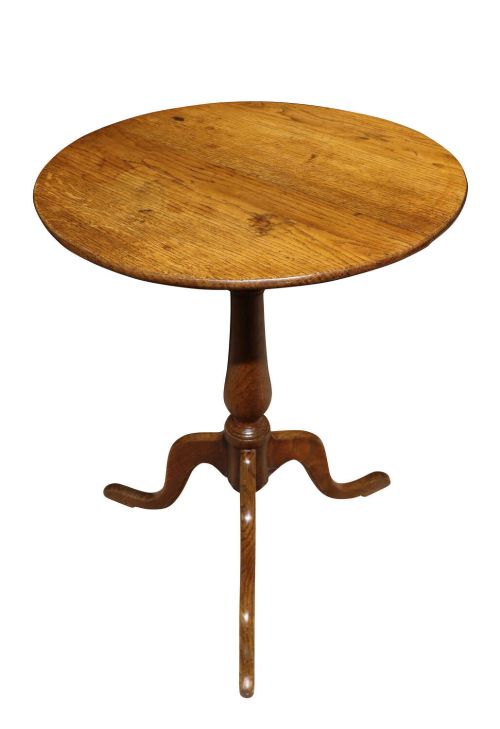
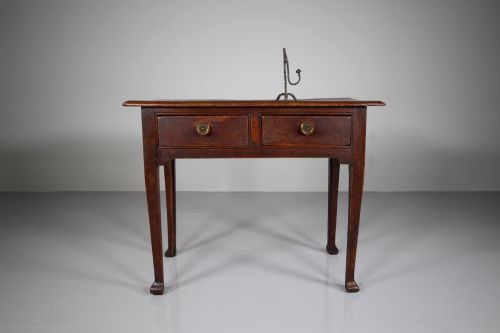
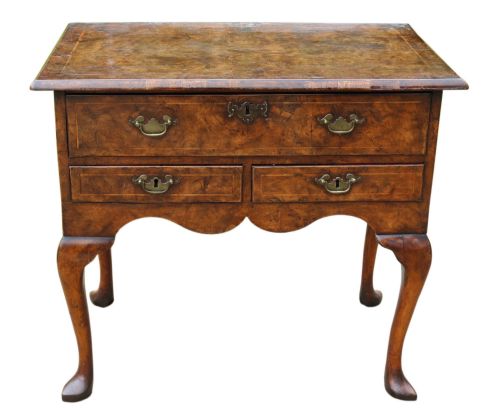
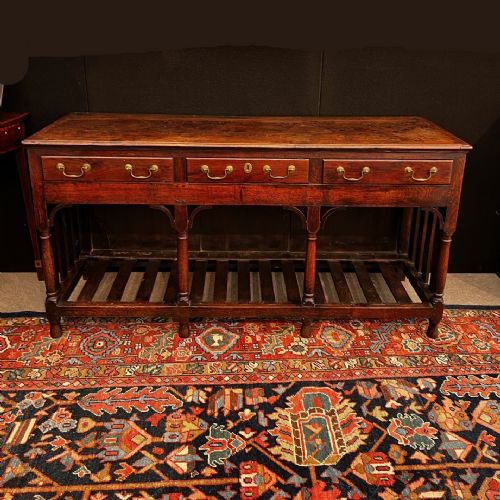
When searching for an 18th century elm table, buyers encounter a diverse range of forms spanning English, French, Spanish, and Chinese workshops. The selection frequently includes side tables, dining tables, occasional tables, lowboys, and cricket tables built during the Georgian period. These pieces originate from provincial domestic settings as well as formal workshops, serving utilitarian roles that ranged from dining and writing to tavern service.
The English and provincial examples dominate the available selection, often combining elm tops with oak frames or secondary timbers such as fruitwood and yew. Regional iterations encompass farmhouse dining tables, tripod wine tables, and lowboys displaying the characteristic interlocking grain of the wood. Whether looking for a small pad-foot occasional table or a large plank dining board, buyers find pieces shaped by strict functional necessity.
Materials and Construction
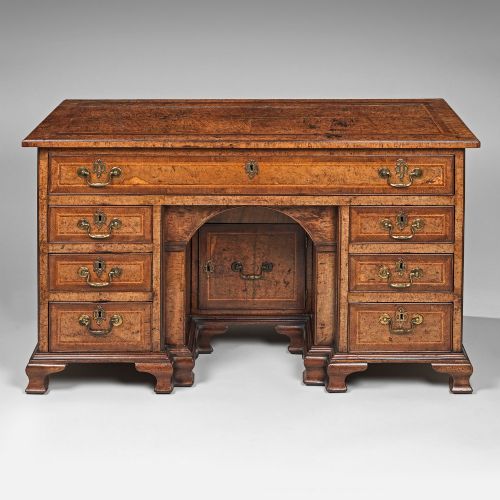
Makers utilised elm for its tough, interlocking grain that resists splitting, frequently pairing solid timber tops with oak underframes, pine, or fruitwood. Burr elm provided striking decorative patterning for the surfaces of lowboys and small tea tables, while brass handles and iron fittings added structural reinforcement to desks and drawers.
Construction methods relied on solid planking, pegged joints, and simple tripod bases or gate-leg mechanisms designed to support heavy daily use. Surfaces were left to age naturally, developing a deep patina through regular scrubbing and wax application over hundreds of years.
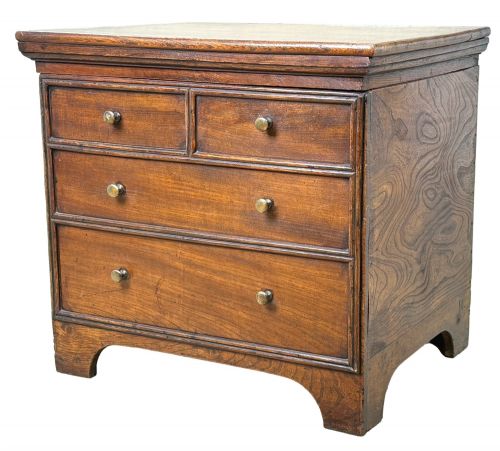
The recorded object forms include side tables, dining tables, occasional tables, lowboys, desks, writing tables, bedside cabinets, dressers, and altar tables.
Distinctions in Quality
Quality rests upon the integrity of the timber, the thickness of the top planks, and the survival of the original surface patination. Tables featuring burr elm or select burl grain command attention through their decorative presence, whereas plain utility boards depend on the honesty of their proportions and the depth of their finish.
The relationship between the top and the base dictates the overall character, with untouched period underframes providing greater structural honesty than heavily restored or married components. The natural warmth of the colour and the honesty of the wear distinguish superior examples from standard utilitarian survivors.
The 18th Century Elm Table Glossary
- Elm
- A durable hardwood characterised by an interlocking, twisted grain that makes it resistant to splitting. It was widely chosen by provincial makers for heavy-use surfaces like dining boards and milking stools.
- Cricket table
- A small, light three-legged table traditionally used in domestic settings. The tripod design ensured stability on uneven flagstone floors.
- Lowboy
- A small table with one or more drawers, functioning as a dressing table or side table during the 18th century. They often feature shaped aprons and cabriole legs.
- Refectory table
- A long dining table built with sturdy timber legs and longitudinal stretchers for communal dining. Examples from this era frequently pair an elm top with an oak frame.
- Pad foot
- A simple rounded foot found on the bottom of a cabriole leg resting directly on the floor. It appears frequently on early Georgian tables.
- Patina
- The deep sheen and surface texture developed on wood over centuries through handling, polishing, and natural ageing. It serves as a primary indicator of authenticity.
18th Century Elm Table: Frequently Asked Questions
How do I care for an old elm table?
Feed the dry timber occasionally with a traditional beeswax polish to protect the grain and preserve the surface finish. Avoid placing the wood near direct heat sources or in fluctuating humidity to prevent movement in the old planks.
Clean the surface simply with a soft, dry cloth rather than modern chemical sprays. Respecting the original patina means allowing the accumulated wear of centuries to remain intact.
Were these tables used in kitchens?
Many examples served as heavy working surfaces for food preparation, dairy work, and farmhouse dining. Elm was selected specifically because its tough grain resisted cracking under rigorous domestic activity.
Other lighter forms, such as tripod wine tables and side tables, occupied parlour and tavern spaces. Their primary purpose remained strictly functional rather than decorative.
Why do oak and elm appear together?
Cabinetmakers frequently combined timbers based on their structural strengths, using robust oak for the frame and legs while applying elm to the top boards. Elm provided a tough, resilient surface for daily use, while oak offered reliable rigidity for the structural underframe.
This mixed construction was a standard provincial practice during the Georgian period. It maximised the available local timber resources efficiently.
How can I tell an 18th century top from a later replacement?
Examine the underside for traditional pegged joinery, tool marks, and the natural oxidisation of the timber over time. Original boards show shrinkage cracks, varied board widths, and consistent wear patterns that align with the age of the base.
Replacement tops often display modern fixings, clean machine-cut edges, and a lack of historical colour variation. The grain should flow naturally without mismatched surface treatments.