


Asian Nesting Side Tables
Asian nesting side tables bring together clever space-saving design and dense, figured timbers designed to slide neatly beneath one another when not in use.
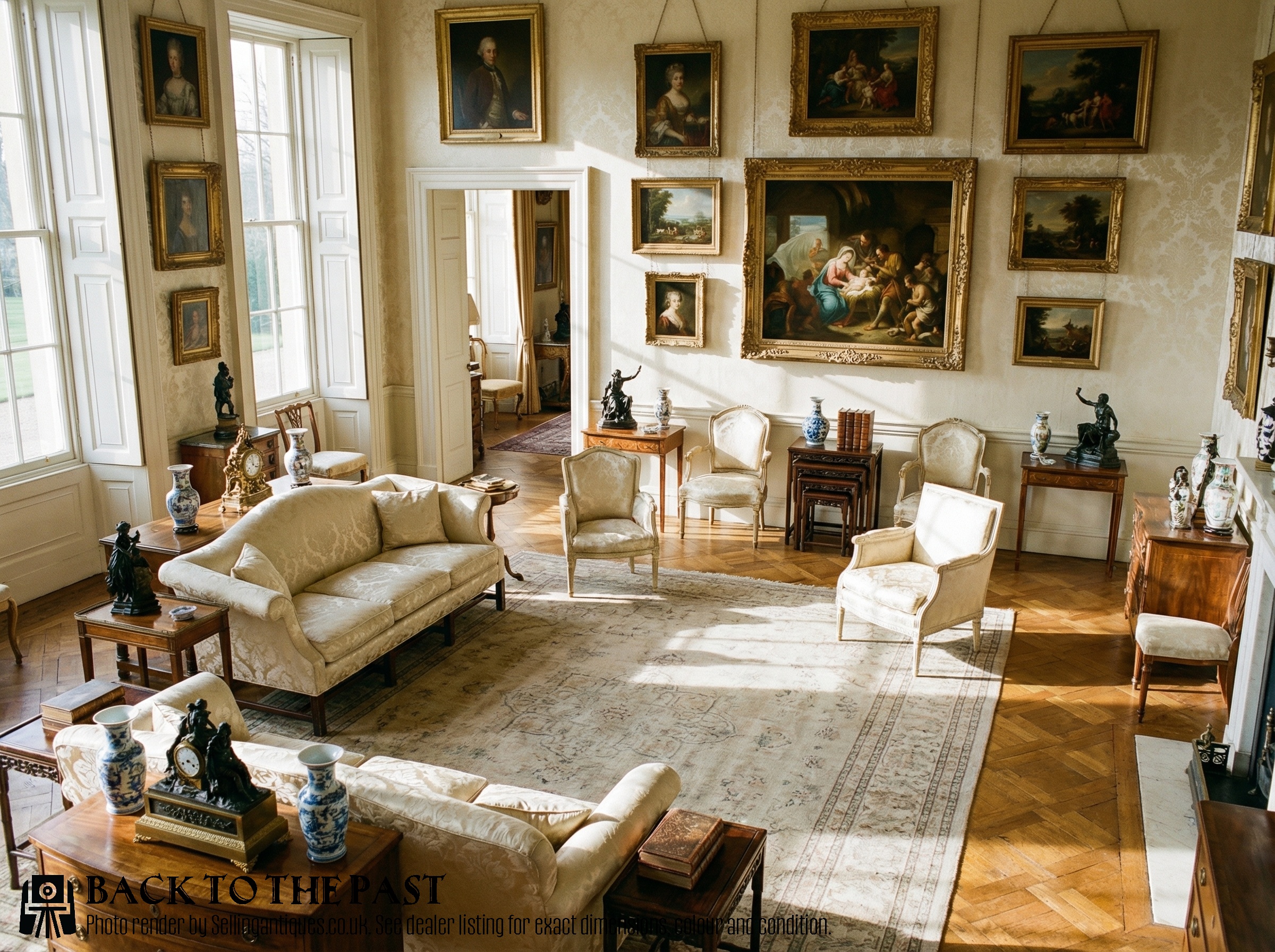
Asian Nesting Side Tables
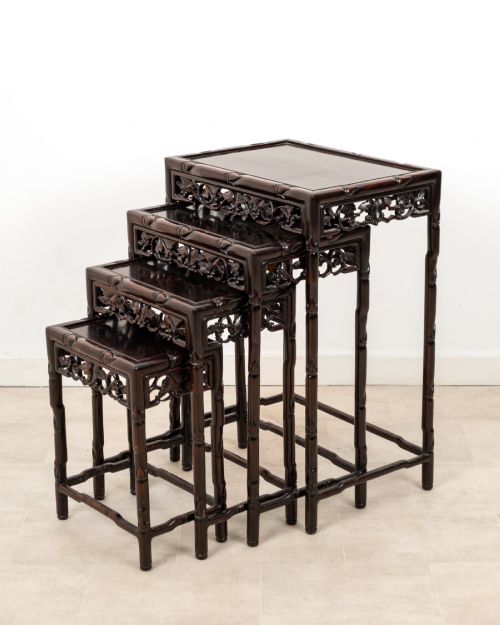
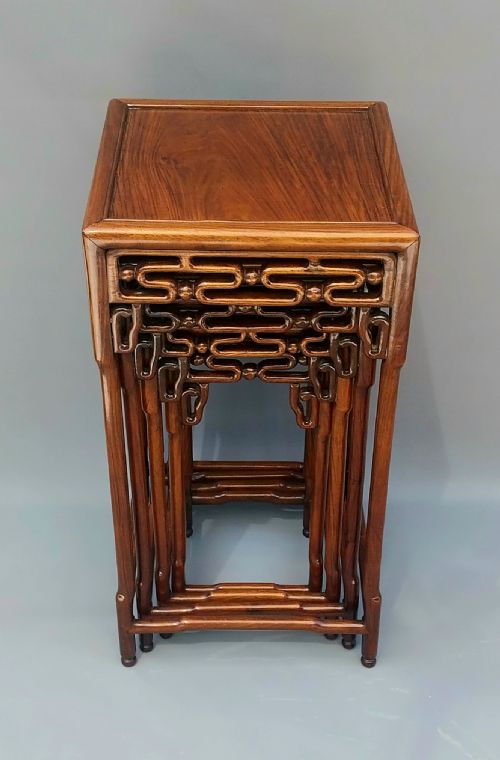
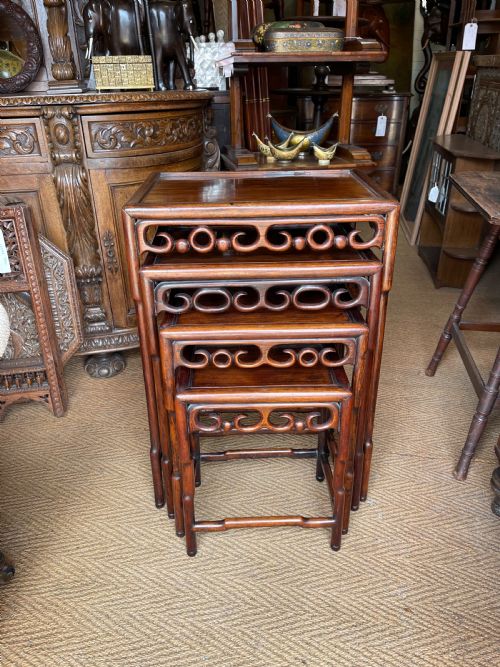
When you search for asian nesting side tables, you encounter sets of graduated tables designed to slide neatly one beneath another, most commonly formed as sets of four.
The selections span the nineteenth century through the early twentieth century, taking in Victorian examples, Qing Dynasty pieces, and later interpretations influenced by Art Deco design.
Forms alternate between traditional Chinese export pieces and carved Chinoiserie styles, utilising formats that function equally well as side tables or occasional coffee tables.
Materials and construction
Cabinetmakers constructed these tables using dense timbers such as hardwood, rosewood, teak, hongmu, and huanghuali wood, often selected for strong natural grain and rich colour.
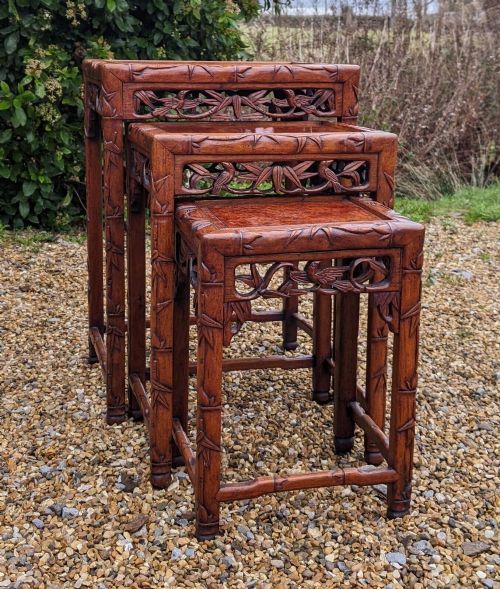
Surface decoration relies heavily on detailed hand carving, occasionally incorporating inset glass panels or contrasting burrwood to create texture across the tops.
Certain early twentieth-century sets feature meticulously carved elephants supporting the framework, adding a whimsical touch to traditional joinery.
Assessing quality and craftsmanship
Quality rests upon the weight and selection of the timber, where denser rosewood and huanghuali show superior grain definition and structural stability compared to lighter alternatives.
The crispness of the hand carving and the precision with which the smaller tables slide into the frame of the largest table separate standard production from finer workshop output.
The Asian Nesting Side Tables Glossary
- Quartetto
- A matching set of four small tables designed to fit together. This term appears frequently in nineteenth-century descriptions of nesting tables.
- Hongmu
- A traditional Chinese term for dense hardwoods, literally translating to red wood. It encompasses heavy, dark timbers like rosewood.
- Huanghuali
- A prized aromatic hardwood native to China, known for rich colour and striking grain patterns. It forms some of the most desirable nineteenth-century tables.
- Graduated
- Describing tables made in diminishing sizes so each smaller piece slides entirely beneath the next. This arrangement saves floor space in smaller rooms.
- Chinoiserie
- European decorative style reflecting Chinese artistic traditions. Makers applied these motifs to furniture produced for Western markets during the nineteenth and early twentieth centuries.
Asian Nesting Side Tables: Frequently Asked Questions
How were asian nesting side tables used historically?
These tables served primarily as versatile occasional furniture in nineteenth-century and early twentieth-century interiors. Servants could pull them out individually to serve tea or hold lamps, then slide them back together into a single compact block.
Their graduated design meant they occupied the floor space of only one small table when stored. This made them particularly useful in formal reception rooms where floor space was at a premium.
What is the difference between hongmu and rosewood?
Hongmu is a general Chinese categorisation for dense, dark, durable hardwoods rather than a single botanical species. Rosewood sits within this broader group.
In marketplace descriptions, the two terms often overlap. Both denote heavy timbers prized for deep natural colour and resistance to wear.
How do I date an antique nest of tables?
Dating relies on combining material evidence with stylistic markers such as Qing Dynasty carving styles, Victorian proportions, or later Art Deco influences. The choice of timber also provides a strong clue to the period of manufacture.
Examining construction joints and the wear patterns on the feet helps confirm whether a set originates from the nineteenth century or the early twentieth century.
Can these tables be used as coffee tables?
Many sets function effectively as coffee tables, particularly pieces from the early twentieth century designated specifically as coffee table sets. The largest table anchors the arrangement while the smaller tables offer flexible surface area.
When arranged together or separated around a room, they accommodate drinks and books just as standard low tables do.