


Asian Metalwork Statue
An asian metalwork statue brings centuries of ritual, myth and animal life into a room through patinated alloy, cast bronze and cloisonne enamel.
Asian Metalwork Statue
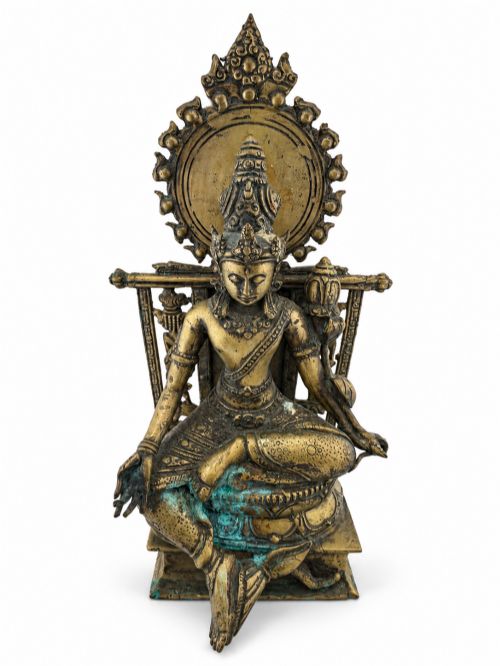
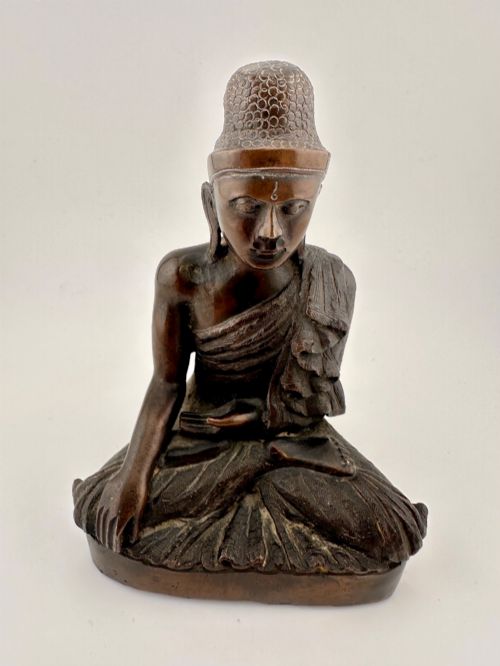
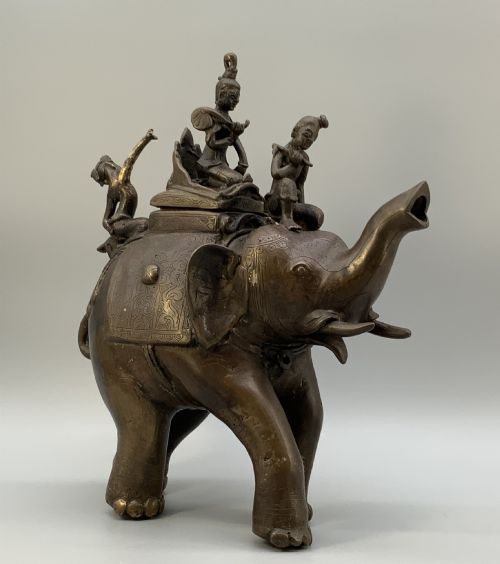
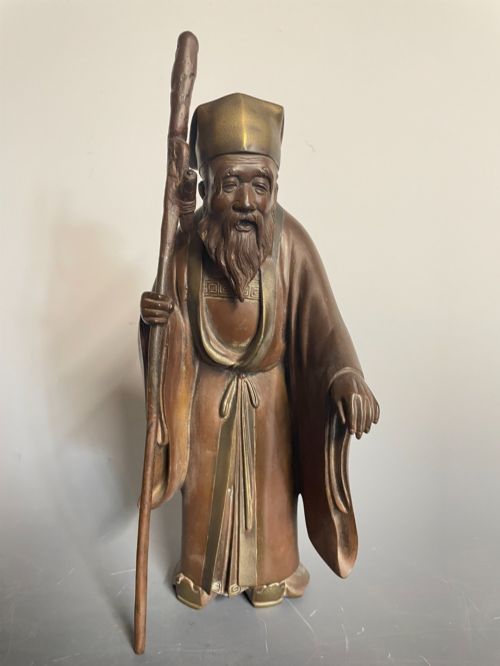
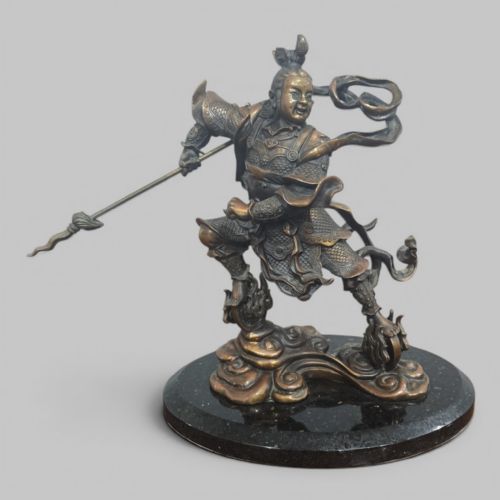
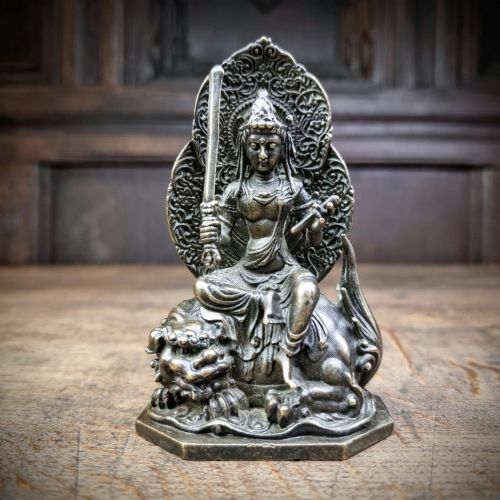
An asian metalwork statue spans devotional deities, mythical beasts and naturalistic animal figures cast across centuries of Asian craftsmanship. Buyers encounter Tibetan and Nepalese Buddhist figures, Burmese temple lions and Chinese scholar or immortal statues.
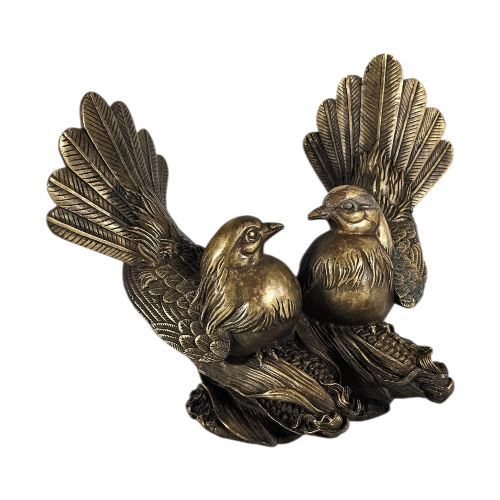
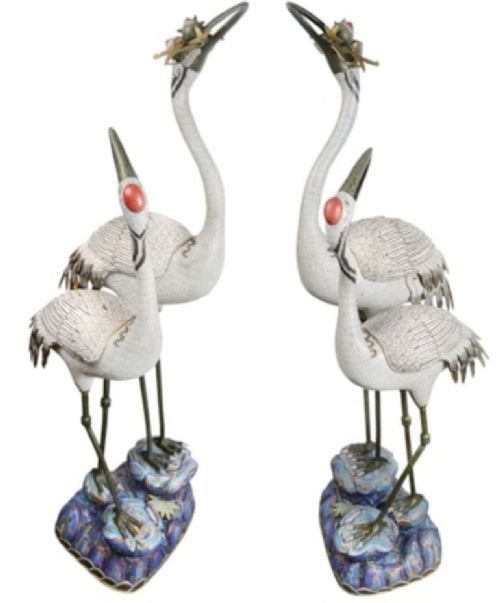
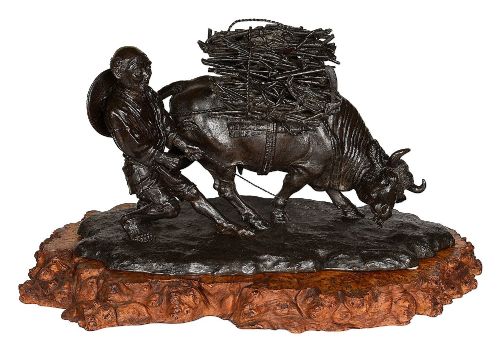
Japanese examples dominate the selection, ranging from Meiji period okimono and woodmen with buffalo to massive eagles and horses on burr wood bases. Chinese pieces add imperial cloisonne cranes, dragons in brass, and bronze figures of pigs, doves and water buffalo.
The periods stretch from eighteenth-century pieces bearing marks or styles of earlier dynasties down to nineteen-hundreds productions. Figures scale from small domestic table bronzes weighing under a kilogram to imposing pairs of geese and temple lions.
Distinctions in Quality and Execution
Quality rests upon the crispness of the initial cast, the subtlety of hand-chased surface details and the depth of the patination. Masterworks display dynamic weight, lifelike animal posture or serene devotional expressions without mechanical rigidity.
Signatures by known artists and the retention of original natural wood bases elevate certain Japanese okimono above standard production pieces. Superior cloisonne work shows flawless enamel placement within wires, whereas lesser examples display uneven colour fill and surface pitting.
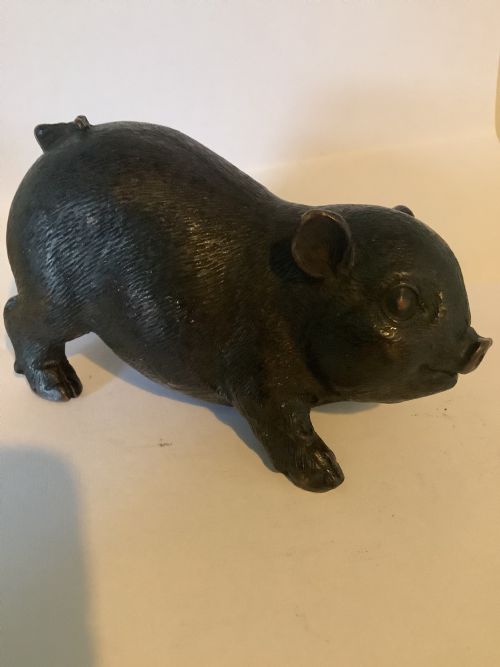
A charming bronze pig stands ready to remind viewers that temple deities occasionally share shelf space with farmyard livestock.
Gyoko
The Asian Metalwork Statue Glossary
- Okimono
- A Japanese display piece designed for interior decoration rather than altar use. These freestanding figures often depict animals, figures or rural workers.
- Cloisonne
- A decorative metalwork technique where enamel paste is applied within compartments created by soldered flat metal wires. Firing hardens the paste into coloured glass-like designs.
- Patina
- The surface sheen or colour change developed on metal through age or chemical treatment. Controlled patination enhances the visual depth of bronze and copper alloy sculptures.
- Kylin
- A mythical hooved chimerical creature originating in Chinese mythology, symbolising prosperity and good omens. Statues often render them with dragon-like heads and scaled bodies.
- Gilt bronze
- Metal cast or worked and subsequently coated with a layer of fine gold or gold leaf. This finish adds luminous presence to Buddhist deities and temple lions.
Asian Metalwork Statue: Frequently Asked Questions
What periods do these metal statues cover?
The listings span seventeenth-century ritual pieces, eighteenth-century scholar items and nineteenth-century Meiji period or late Qing productions. Twentieth-century works up to the nineteen-twenties also appear.
Most items cluster around the nineteenth century and the early nineteen-hundreds, reflecting active export and domestic production eras.
How were these statues originally used?
Many devotional figures served in Himalayan and Southeast Asian shrines or temples for prayer and meditation. Other pieces functioned as scholar's desk accessories, incense burners or interior display ornaments in traditional settings.
Japanese okimono and bronze animals were created specifically for domestic decoration and the international export market during the Meiji era.
How do I care for antique bronze and brass?
Keep metal statues out of direct sunlight and away from humid environments to protect the original patina. Dust gently with a soft dry cloth without applying polishes or chemical cleaners.
Allow the natural ageing process to continue undisturbed, as aggressive cleaning strips away historical surface character.
Are wooden bases original to the pieces?
Many Japanese bronzes and larger animal sculptures include fitted root wood or carved wooden bases made specifically for the piece. These foundations provide stability for heavy sculptures and complete the traditional presentation.
Some bases show natural grain variations like burr wood, matching the scale and weight of the bronze above.