


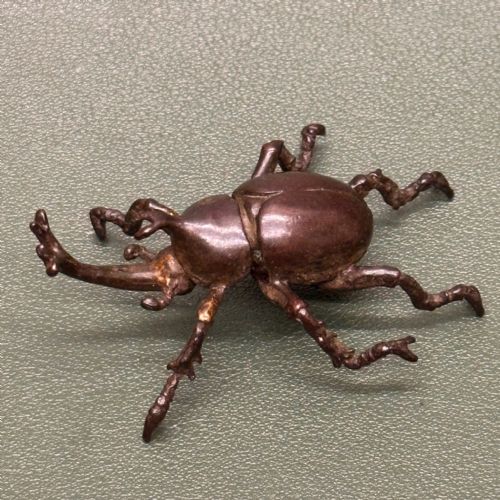


Japanese Cast Bronze Ornament
A japanese cast bronze ornament brings fluid forms and naturalistic detail into a room, capturing birds, animals and garden scenes with striking precision.
Japanese Cast Bronze Ornament
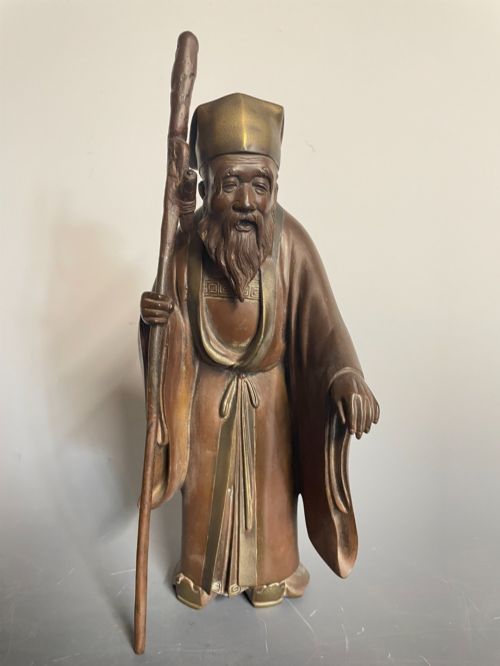
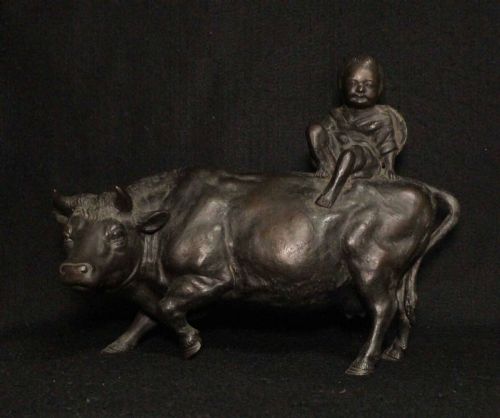
A japanese cast bronze ornament takes many sculptural forms, appearing as figures, animals, vases and garden statuary across this selection. These pieces originate from the nineteenth and early twentieth centuries, spanning the Meiji and Showa periods.
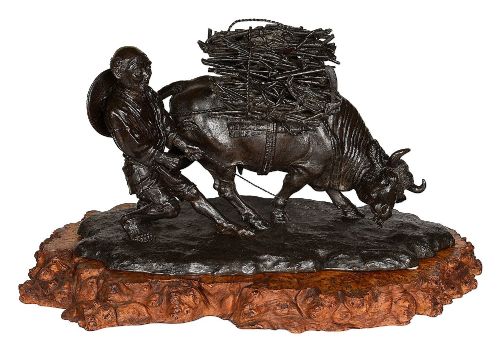
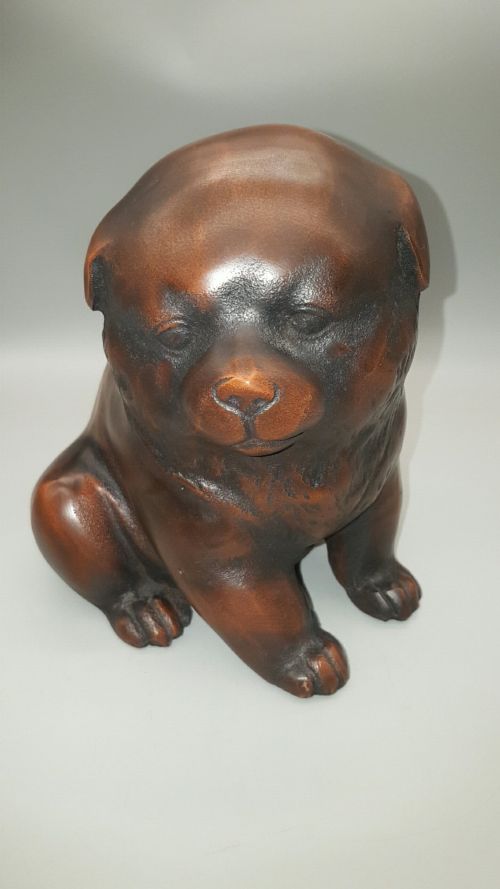
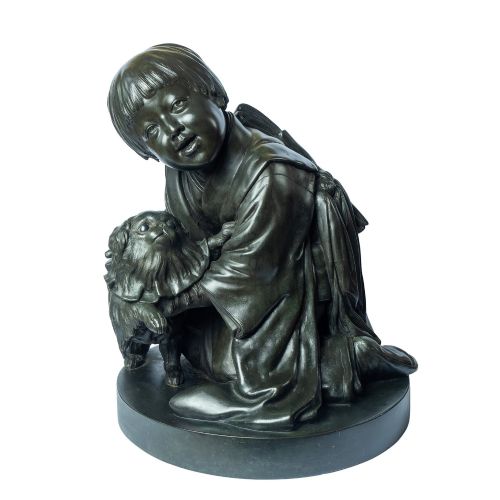
Makers produced okimono alongside larger garden figures and functional vases, rendering subjects from elephants and puppies to birds and bridges in cast metal.
Materials and construction
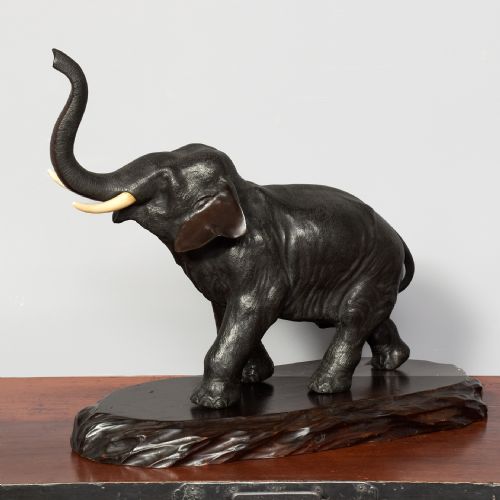
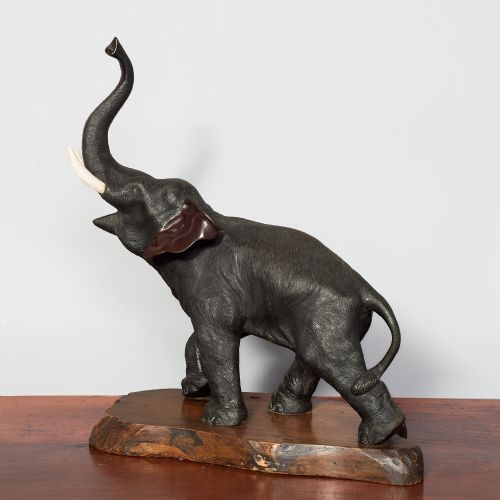
Artisans utilised bronze as the primary medium, frequently applying a dark patination to the metal surface to accentuate texture and contour. Certain works incorporate contrasting elements such as ivory tusks, bone, stone, wood, burr wood or brass details.
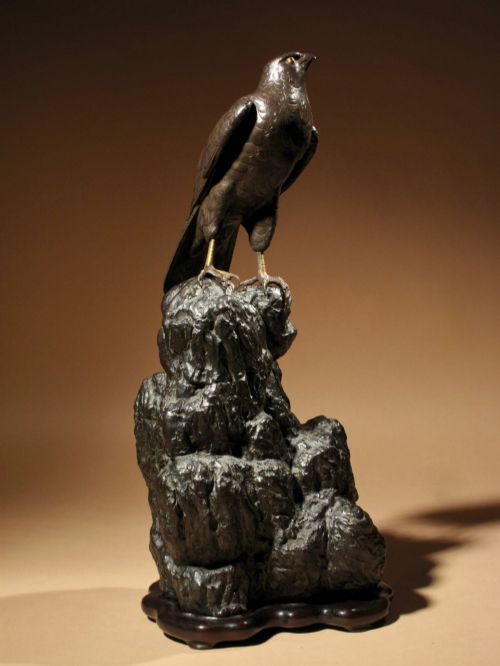
Foundries employed traditional casting methods to capture fine anatomical details in subjects like rhinoceros beetles, bears and hawks, sometimes mounting the metal sculptures on naturalistic or wooden bases.
Listings span the nineteenth and twentieth centuries, featuring the Meiji and Showa periods alongside materials like bronze, patinated bronze, wood, ivory and stone.
Distinctions in craftsmanship
The degree of anatomical precision and textural nuance separates standard castings from exceptional works by named makers. Finer examples display meticulous rendering of feathers, fur and facial expressions.
The integration of secondary materials, such as inlaid eyes or contrasting tusks, and the depth of the surface patination influence the overall visual impact of the piece.
Tsunemitsu·Masaaki·Kaniya Kuniharu
The Japanese Cast Bronze Ornament Glossary
- Okimono
- A Japanese ornamental statue or figurine designed for display on a shelf or tokonoma.
- Meiji Period
- The era of Japanese history lasting from 1868 to 1912, noted for significant artistic production in metalwork.
- Patinated Bronze
- Metal treated with chemicals to produce a specific surface colour or aged finish.
- Garden Statuary
- Large-scale sculptures created to withstand outdoor placement, including figures of geese, dragons and bridges.
Japanese Cast Bronze Ornament: Frequently Asked Questions
How do I date these bronzes?
Dating relies on stylistic markers associated with the Meiji and Showa periods alongside specific foundry marks or signatures where present. Nineteenth-century pieces frequently exhibit naturalistic motifs and sophisticated patination techniques.
Examining the base and construction methods helps distinguish between late nineteenth-century productions and subsequent twentieth-century examples.
Where should I place a garden bronze?
Garden bronzes suit protected outdoor locations, courtyards or conservatories where weather exposure remains moderate. Larger okimono and bridge figures create distinct focal points among foliage.
Indoor placement protects delicate elements like ivory or bone additions from excessive moisture and temperature swings.
How do I care for patinated bronze?
Maintenance involves gentle dusting with a soft dry cloth to prevent dirt accumulation on the textured surface. Avoid chemical polishes that can strip the original patination.
Applying a light microcrystalline wax occasionally helps protect the metal finish from atmospheric moisture.