


Asian Metalwork Sculpture
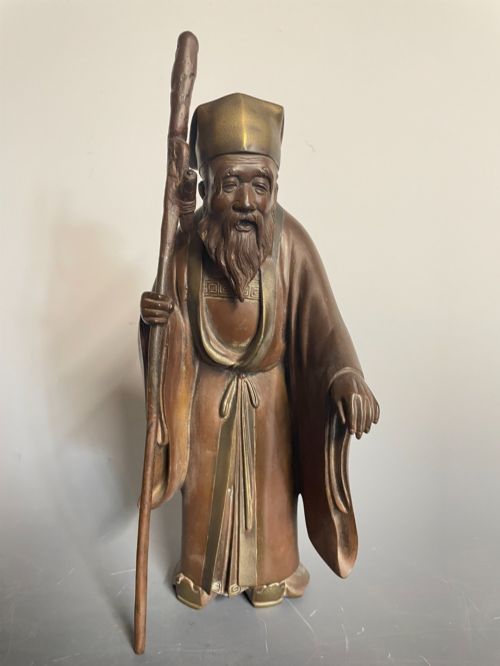
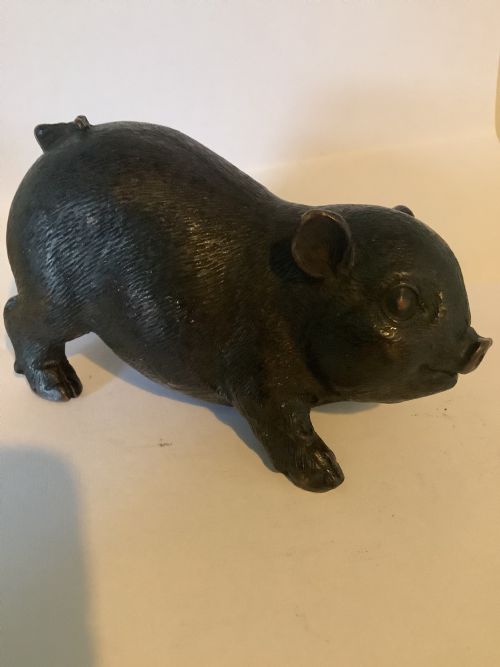
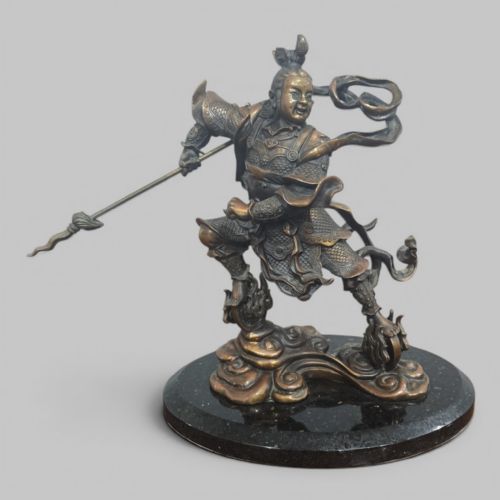
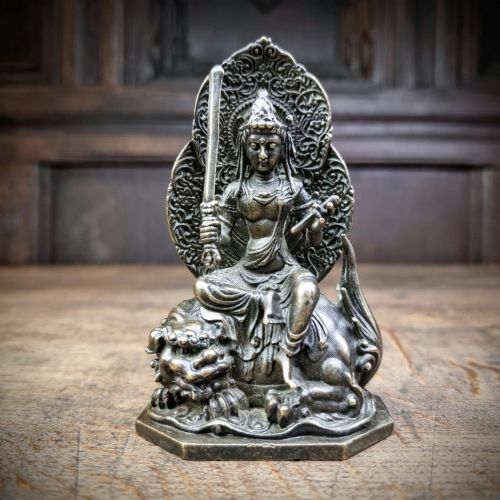
Asian metalwork sculpture brings centuries of refined casting traditions into interiors, offering expressive bronze deities, animals and figures.

Asian Metalwork Sculpture
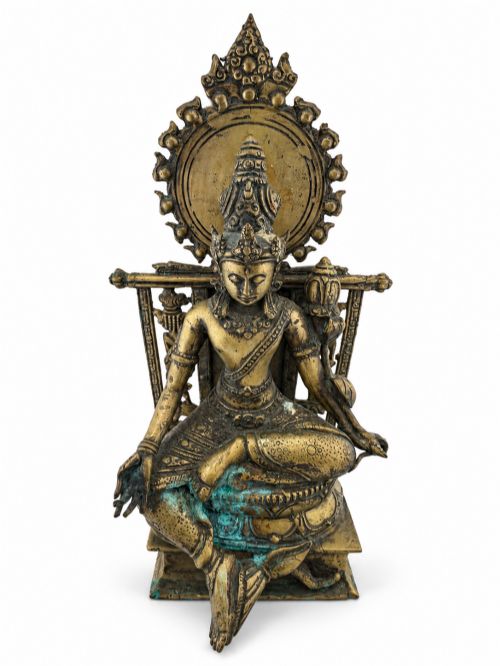
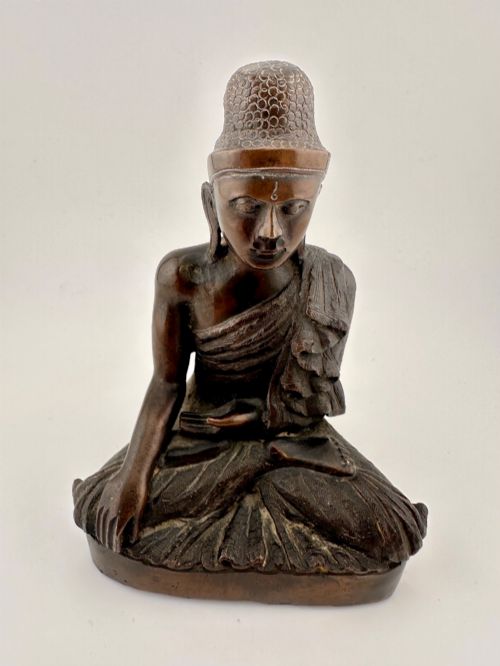
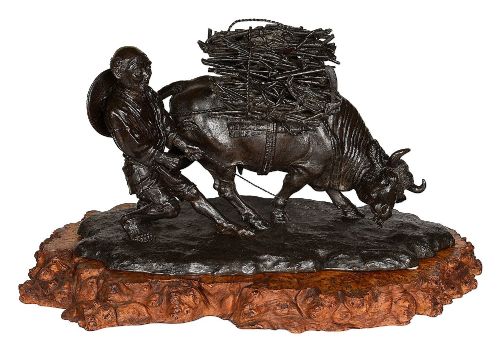
When you search for asian metalwork sculpture, you encounter a diverse array of pieces ranging from Tibetan Buddhist deities and Burmese temple lions to Japanese Meiji period animals and Chinese bronze figures. The selection spans several centuries, with a strong representation of nineteenth-century and early twentieth-century works originating from China, Japan, Tibet, Burma and India.
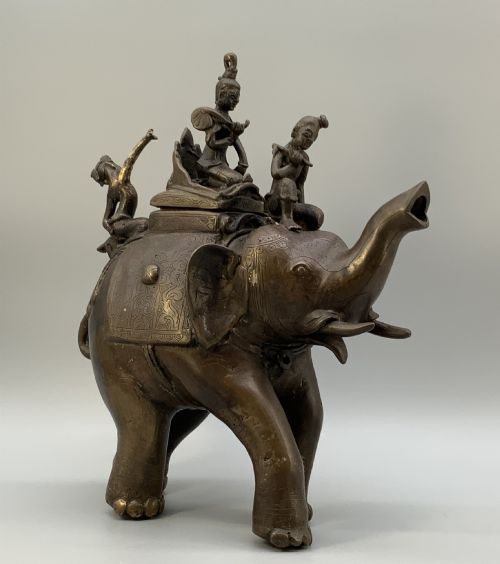
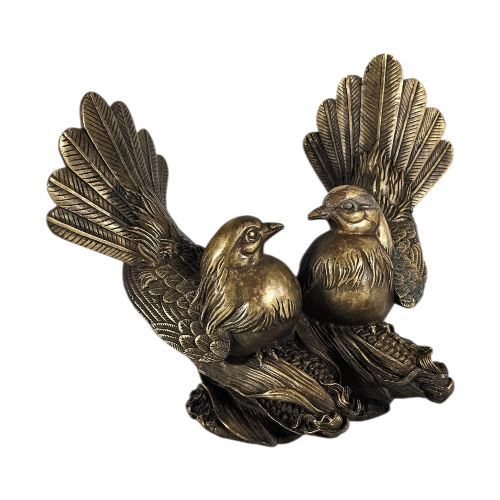
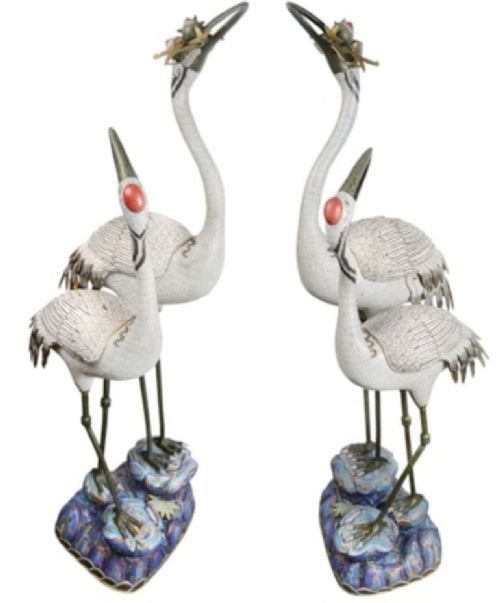
Buyers most frequently meet bronze figures, animal sculptures and paired architectural elements such as cranes or elephants on this page. These forms vary from small tabletop depictions of scholars and demons to large garden pieces and ritual statues cast in copper alloy, brass or patinated bronze.
Casting and finishing techniques
The objects recorded in the listings rely primarily on traditional metal casting methods, predominantly utilising bronze, brass and copper alloy. Artisans often employed lost-wax casting to achieve intricate detail in figures, deities and animal forms.
Surface finishes complete the physical construction, incorporating patinated bronze, applied gilt and vibrant cloisonné enamel cells. Certain works combine multiple metals or incorporate complementary materials such as wood bases and marble elements.
Listings feature works spanning the seventeenth through the early twentieth centuries, including pieces from China, Japan, Tibet, India and Burma.
Determining quality
Quality in these sculptures rests upon the precision of the initial casting and the sensitivity of the chisel work applied during finishing. Superior pieces display crisp details in facial expressions, drapery and fur without relying entirely on later surface engraving to define form.
The weight of the metal and the stability of large compositions, such as elephants or birds, distinguish more ambitious workshop output from lighter commercial production. Consistency in patination and the careful integration of mixed metals or enamel further separate standard items from exceptional examples.
Gyoko
The Asian Metalwork Sculpture Glossary
- Meiji Period
- A Japanese historical era lasting from 1868 to 1912. Metalwork from this time often shows exceptional naturalism and technical mastery.
- Cloisonne Enamel
- A technique where enamel paste is applied within compartments created by soldered wire on a metal base. The surface is subsequently fired and polished smooth.
- Okimono
- A Japanese term for a decorative object or standalone figurine designed for display on a shelf or in a tokonoma alcove.
- Guanyin
- A revered bodhisattva associated with compassion, frequently depicted in Chinese sculpture holding sacred objects or seated in meditation.
- Copper Alloy
- A metal mixture containing copper combined with elements like tin or zinc. This grouping includes traditional bronzes and brasses seen in regional castings.
Asian Metalwork Sculpture: Frequently Asked Questions
How do I care for antique bronze?
Dust metal sculptures gently with a dry, soft cloth to prevent particulate accumulation. Avoid applying commercial polishes or cleaning agents that can strip historical patination.
Keep pieces away from direct moisture and extreme temperature fluctuations to protect underlying copper alloys and applied surface finishes.
How can I tell Japanese and Chinese bronzes apart?
Japanese metalwork from the late nineteenth century often emphasises naturalistic animal behaviour and fine surface textures associated with the Meiji period. Chinese bronzes frequently reference earlier dynastic forms, imperial symbols or Buddhist iconography.
Examining signature styles, casting weight and specific subject matter helps clarify the likely geographic origin of a sculpture.
What is an okimono sculpture?
An okimono is a freestanding Japanese decorative carving or metal casting intended for interior display. These pieces focus on daily life, folklore, animals and figures rather than religious worship.
Such sculptures range from small tabletop subjects to large decorative works placed on wood bases.
How do I date an Asian metal sculpture?
Dating relies on stylistic markers, casting techniques, regional iconographic trends and any accompanying signatures or reign marks. Nineteenth-century and early twentieth-century works often display specific patination methods and manufacturing characteristics.
Comparing a piece with documented historical examples from periods such as the Qing Dynasty or Meiji era provides a reliable chronological context.