


Asian Metalwork Decorative Charger
An asian metalwork decorative charger brings intricate Japanese craftsmanship into a room, offering rich visual detail through disciplined metalwork and enamel.
Asian Metalwork Decorative Charger
An asian metalwork decorative charger is typically a wide, circular display plate or tray originating from Japan across the late nineteenth and early twentieth centuries. These large wall plates and display dishes were made for decorative display rather than dining.
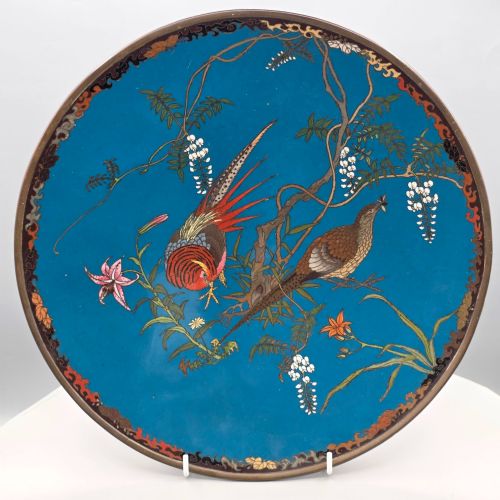
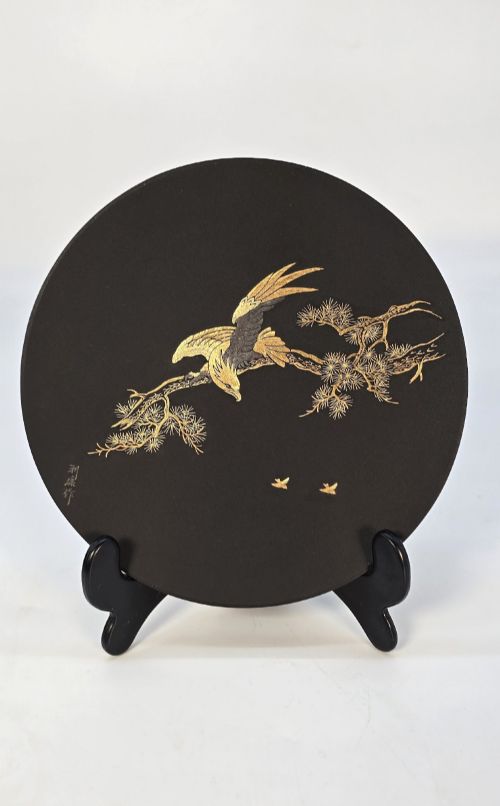
The objects appearing here span the Edo, Meiji, and Taisho periods, showing forms such as circular chargers, square trays, and flat plaques. Collectors encounter subjects ranging from botanical scenes with birds and Mount Fuji to mythical dragons and phoenixes.
Most items on this page are Japanese cloisonne enamel chargers created during the Meiji period, combining heavy copper or iron bases with detailed wirework. These items serve as focal points for interior spaces, mounted on walls or supported on specialist stands.
Materials and construction methods
Maker workshops built these pieces upon rigid metal foundations, primarily utilising copper, iron, and bronze as the structural body for each charger or tray. Artisans shaped these metals into wide plates before applying decorative surface treatments.
Cloisonne enamel formed a primary technique, where delicate brass wire created partitioned cells on the metal surface that were subsequently filled with coloured vitreous enamel pastes and fired. Alternative pieces utilised patinated iron inlaid with gold and silver details.
Surface finishing involved polishing the fired enamel surfaces alongside the exposed metal rims and bases to achieve a smooth, uniform display plane. Signed examples occasionally reveal the signature of specific ateliers embedded directly within the composition.
Listings here feature copper, iron, and bronze foundations decorated with cloisonne enamel, gold, and silver inlay.
Distinctions in quality and execution
Quality rests upon the fineness of the wirework and the control of the enamel firing, where superior examples exhibit microscopic cell divisions and flawless glass surfaces. Lesser pieces display thicker dividing wires and pitting or cloudiness within the coloured enamels.
The complexity and naturalism of the pictorial subject matter separate ordinary production from masterwork output. Depictions featuring intricate plumage on birds, subtle shading on Mount Fuji, or precise inlaid gold and silver demand higher levels of artisan skill.
Kinkozan
The Asian Metalwork Decorative Charger Glossary
- Charger
- A large decorative plate or tray intended for display on a wall or sideboard rather than practical table service. These substantial vessels provide a wide canvas for complex pictorial designs.
- Cloisonne
- An enamel technique where metal wires are soldered to a metal base to form compartments, known as cloisons, which receive coloured enamel pastes before firing. This method creates defined linear patterns across the object.
- Patinated
- A surface treatment applied to metal, such as iron or bronze, to alter its colour and texture through chemical or thermal oxidation. This process deepens the visual tone and protects the underlying metal.
- Mon
- A Japanese heraldic badge or crest used to identify families, clans, or governmental authorities. These symmetrical emblems frequently appear within the decorative motifs of Japanese metalwork.
- Taisho Period
- The historical era in Japan spanning from 1912 to 1926, following the Meiji period. Metalwork from this time continues many established decorative traditions.
Asian Metalwork Decorative Charger: Frequently Asked Questions
How were these chargers displayed?
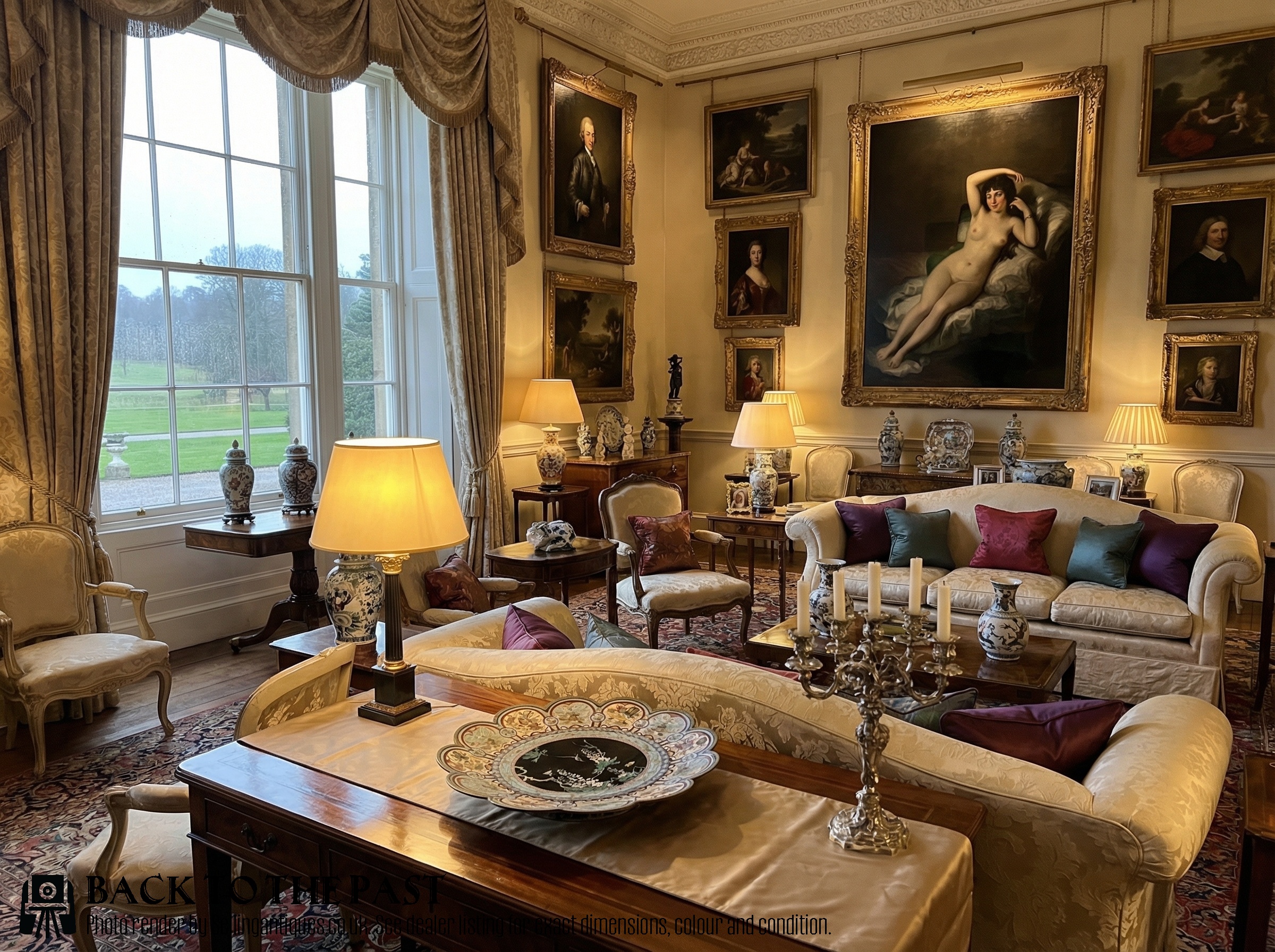
These large pieces were intended primarily for interior decoration rather than utility, often mounted on walls or supported on heavy stands within reception rooms.
Their substantial diameters allowed the detailed bird and dragon motifs to be viewed clearly from a distance.
What metals are used in these pieces?
Makers constructed these decorative objects using copper, iron, and bronze as the primary structural body.
Surface enrichment frequently incorporated brass wire for cloisonne cells alongside gold and silver inlay on patinated iron plaques.
How do I identify a Meiji period piece?
Meiji period items, dating between 1868 and 1912, typically exhibit highly refined cloisonne enamel work and naturalistic subject matter such as birds, Mount Fuji, and floral tendrils.
Many examples from this era show exceptional technical mastery in wire placement and enamel coloration.
What is the difference between a charger and a tray?
Chargers are large, circular display plates with sloping rims designed specifically for visual impact.
Trays can feature alternative geometries, including square profiles, while serving a similar decorative function in Japanese metalwork.