


Asian Flower Stand
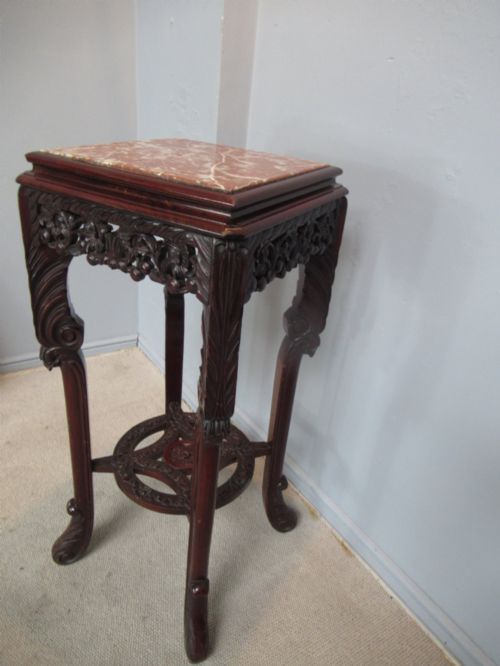
An asian flower stand lifts your arrangements into view, bringing carved timber and marble into the room.
Asian Flower Stand
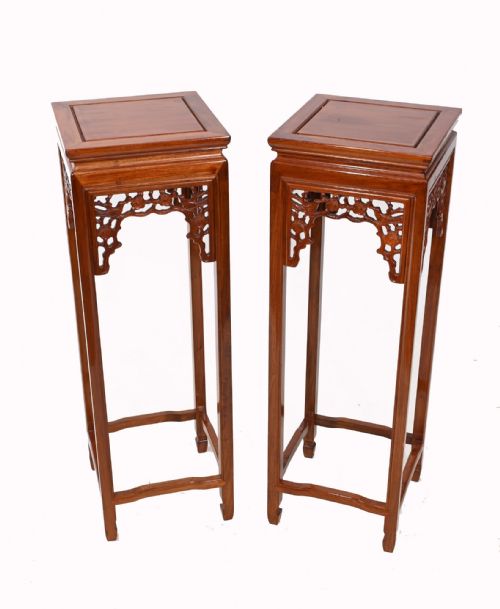
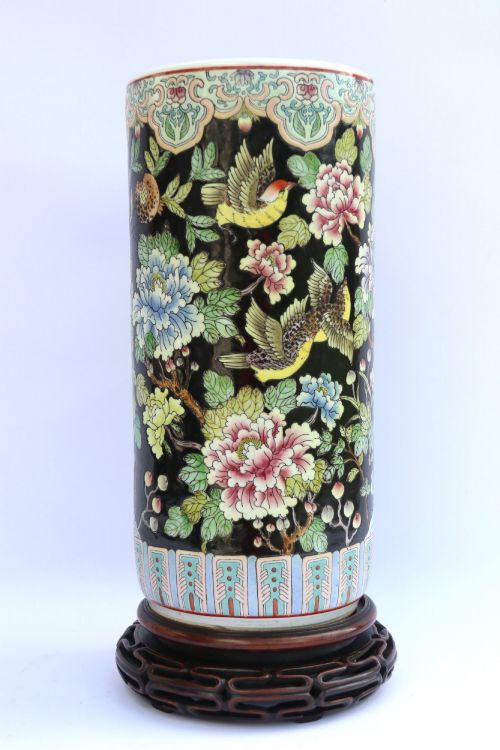
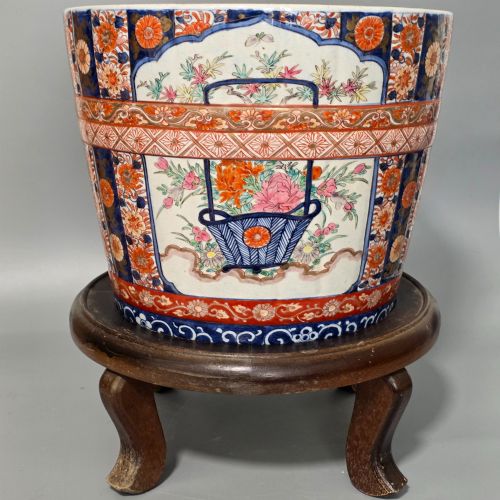
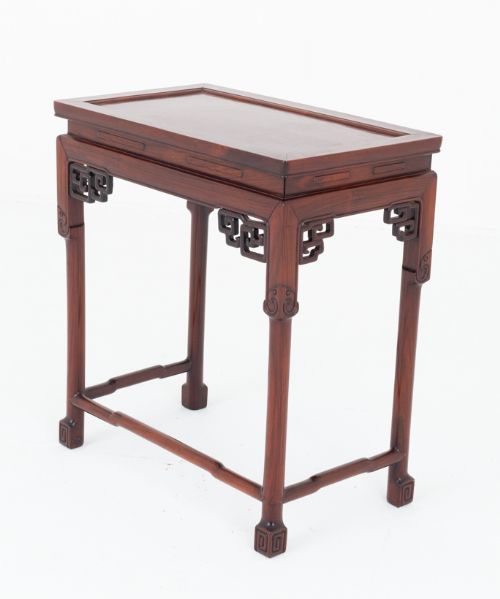
When you search for an asian flower stand, you encounter low tables, pedestal stands and jardiniere holders designed to elevate plants, vases and urns. These pieces range from compact pot stands to tall torchere pedestals meant for prominent corners.
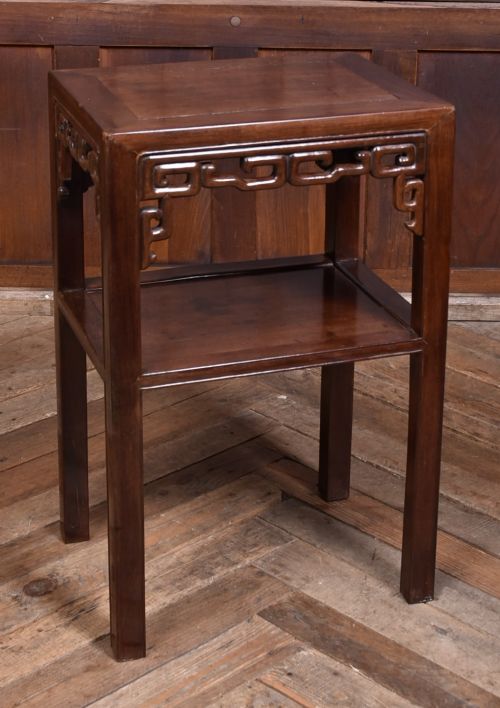
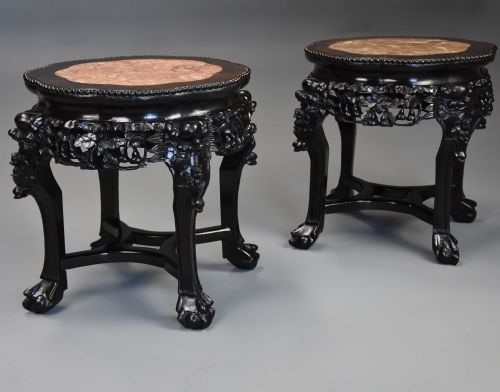
You are most likely to meet nineteenth century hardwood examples featuring inset marble tops, shaped aprons and carved plant motifs. The inventory spans simple occasional tables to elaborate Qing dynasty furnishings in rosewood and hongmu.
Makers shaped these surfaces to serve functional roles in both traditional interiors and export markets. Their proportions accommodate heavy ceramic planters while maintaining a light, balanced silhouette.
Materials and Construction
Craftsmen utilised dense timbers such as hongmu, rosewood and general hardwoods to build stable frames capable of supporting heavy stone and ceramic. These woods allowed for deep relief carving without compromising the structural integrity of slender legs and aprons.
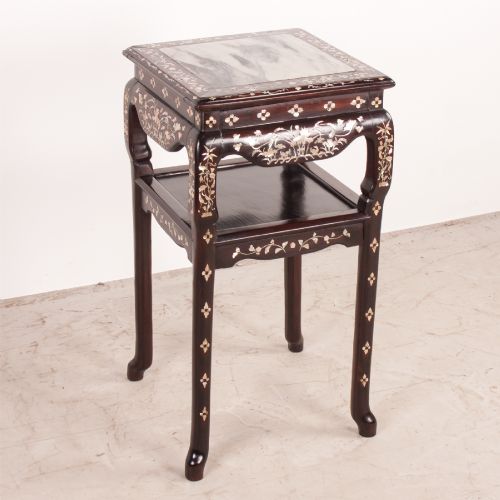
Marble inserts provide a cool, flat resting surface impervious to moisture from damp plant pots, fitted precisely into wooden channels. Mother of pearl inlay and lacquer work occasionally decorate the panels, adding contrasting sheen to the dark grain.
Joinery relied on traditional interlocking methods rather than modern metal fasteners, allowing the timber to expand and contract naturally. Carved elements were worked directly from the solid wood stock before finishing.
Several stands include genuine mother of pearl inlay designed to catch the candlelight of nineteenth century rooms.
Judging Quality and Execution
Quality rests upon the crispness of the wood carving and the depth of the relief work. Superior pieces display sharply defined motifs and smooth, even polish that enhances rather than conceals the natural grain.
The selection of the inset marble matters greatly, with better examples showing lively veining and a tight, level fit within the wooden frame. Heavier gauge timber and balanced proportions distinguish finer tables from simpler utilitarian stands.
The Asian Flower Stand Glossary
- Hongmu
- A dense, dark tropical hardwood favoured for traditional Chinese furniture. It polishes to a rich lustre and supports intricate carving.
- Torchere
- A tall stand or pedestal originally designed to hold a light or torch. In this context, it elevates vases and planters to eye level.
- Jardiniere
- An ornamental pot or stand for holding plants or flowers. These items form the primary vessel type placed upon these tables.
- Apion
- The decorative band connecting the legs beneath the tabletop. Carved aprons often define the regional style and period.
- Inlay
- A technique where contrasting materials such as mother of pearl are embedded into the wood surface. This adds detail and ornamentation to the design.
Asian Flower Stand: Frequently Asked Questions
What is an asian flower stand used for?
These stands were built to elevate heavy porcelain planters, bronze vessels and floral arrangements off the floor. Raising the plants protected delicate flooring from moisture while displaying botanical arrangements with greater prominence.
Today, they serve equally well as side tables, lamp stands or pedestals for sculpture in modern interiors.
How do I care for a hardwood stand?
Maintain the timber by dusting with a dry cloth and occasionally applying a light coat of quality furniture wax. Avoid placing them near direct heat sources or in strong sunlight to prevent the wood from splitting.
The marble insert can be wiped clean with a damp cloth, taking care not to let excess water seep into the surrounding wood joint.
How can I tell the age of these pieces?
Dating relies on observing construction methods, timber choice and decorative motifs typical of the nineteenth and early twentieth centuries. Pieces associated with the Qing dynasty often exhibit specific carving styles and joinery techniques.
Examine the wear patterns on the feet and the patina of the wood to gauge the age of the surface.
Are these tables sturdy enough for heavy pots?
The dense hardwoods used in their construction, such as hongmu and rosewood, provide exceptional structural strength. Their broad leg placement and rigid aprons distribute weight effectively.
Marble inserts further add to the load-bearing capacity while providing a stable, heat and moisture resistant platform.