






Traditional Chinese Pedestal
A traditional chinese pedestal brings grounded form and carved depth to a room, offering a sturdy stage for a favourite plant or bronze.
Traditional Chinese Pedestal
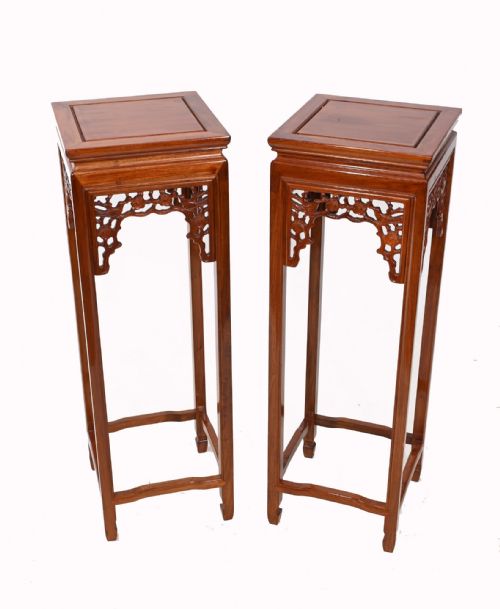
A traditional chinese pedestal serves primarily as a plant stand, torchère, or occasional table to elevate objects within a room. These forms appear frequently in hardwood, elm, and rosewood across the nineteenth and early twentieth centuries.
Buyers encounter distinct shapes ranging from tall plant stands and two-tier tables to vase tables and low occasional pieces. The design vocabulary draws heavily upon Qing Dynasty and Chinese Export traditions, merging functional support with intricate carving.
Originating from periods spanning the eighteenth century to the mid-twentieth century, these items reflect both domestic scholarly use and export craftsmanship. Each piece demonstrates how traditional Chinese woodworking adapts to varied interior heights and display needs.
Materials and construction methods
Makers utilised dense timbers such as hardwood, rosewood, and elm to build stable frames capable of supporting heavy bronze vessels or large floral arrangements. These woods are joined with traditional framing techniques that accommodate natural expansion and contraction.
Surface ornamentation incorporates carved relief details, sometimes paired with marble inserts or lacquer finishes to create textural contrast. Brass or copper elements occasionally accent the timber framework, adding metallic highlights to the joinery.
Traditional Chinese Pedestal Retail Price Guide 2026
Typical asking prices for traditional chinese pedestal among the pieces listed under this phrase on Sellingantiques today, from the lower quarter to the upper quarter. They describe what is for sale here now, not the wider market.
A nineteenth-century bronze-accented elephant stands ready to hold your small trinkets.
Quality and execution
Depth of carving and clarity of detail distinguish finer examples from simpler workshop output. Master carvers achieved crisp undercut foliage and balanced symmetry that hold the eye across the entire form.
The choice of timber density and grain selection dictates the structural integrity and visual weight of the stand. Heavier, well-seasoned hardwoods maintain tighter joints and resist warping far better than lighter utility woods.
The Traditional Chinese Pedestal Glossary
- Torchere
- A tall stand designed specifically to support a lamp or candle, though frequently repurposed for urns and floral displays today. These slender supports elevate decorative objects to eye level.
- Hardwood
- A dense timber classification encompassing slow-growing tropical species like rosewood, prized for durability and rich natural grain patterns. Such woods sustain deep, intricate carving without splintering.
- Cloisonne
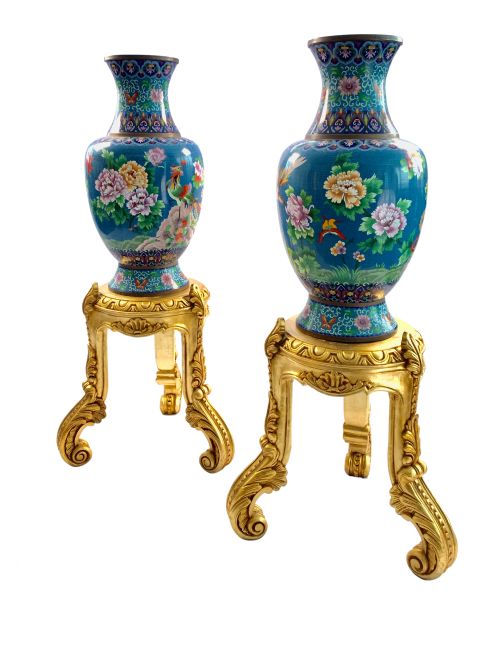
- A decorative metalwork technique where thin wires form raised compartments filled with enamel paste and fired. This method creates colourful, patterned surfaces on vases and decorative figures.
- Qing Dynasty
- The final imperial dynasty of China, spanning from sixteen forty-four to nineteen twelve, known for prolific decorative arts and refined furniture styles. Pieces from this era often display complex symbolic carving.
Traditional Chinese Pedestal: Frequently Asked Questions
Where should I place a pedestal stand?
These stands suit corners, hallway landings, or flanking positions beside larger furniture pieces where vertical interest is needed. They provide a stable surface without occupying excessive floor space.
Ensure the placement area has low foot traffic to protect protruding carved elements or delicate display items resting on top.
Can these stands hold heavy items?
Hardwood and elm versions possess significant structural strength built for supporting substantial bronze vessels, large planters, or stone sculptures. The dense timber framing distributes weight effectively down through the legs.
Lighter occasional tables or stands with delicate marble inserts require more careful consideration regarding the weight of displayed objects.
How do I care for hardwood furniture?
Maintain the timber by dusting regularly with a soft, dry cloth and avoiding placement near direct heat sources or strong sunlight. Excessive temperature fluctuations can cause wood to dry and split over time.
Occasional application of appropriate natural wax preserves the finish and protects the grain without building up heavy residues.
What defines nineteenth-century Chinese export pieces?
Nineteenth-century export works were created specifically for international markets, often blending traditional Chinese forms with tastes popular in Western interiors. These items range from lacquered temple vases to carved hardwood stands.
They reflect an era of active trade and stylistic exchange between Eastern workshops and European or American buyers.