

Asian Export Porcelain
Asian export porcelain brings together centuries of trade ware made in China and Japan for Western markets, prized for its intricate hand-painted detail and durability.
Asian Export Porcelain
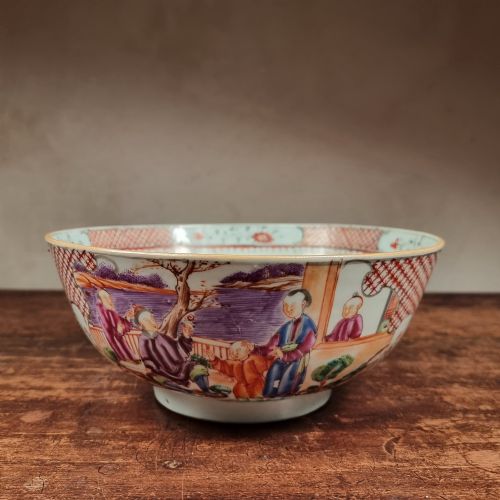
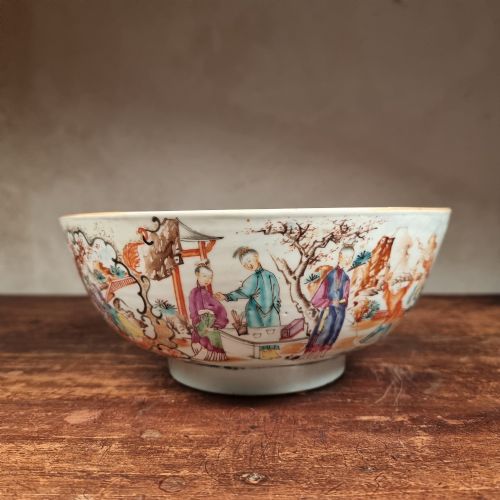
When you search for asian export porcelain, you encounter vessels and decorative objects created in East Asia specifically for shipping overseas during the Qing, Edo, and Meiji periods. These pieces bridge Eastern artistic traditions and Western domestic tastes, combining traditional motifs with shapes that suited European and American households.
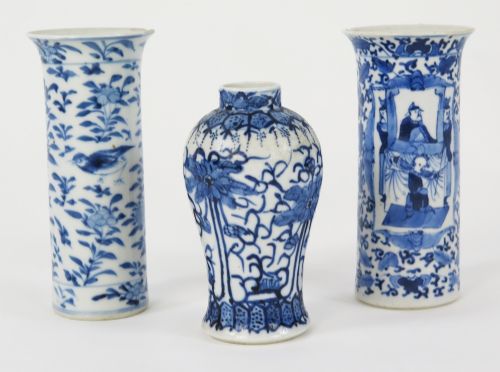
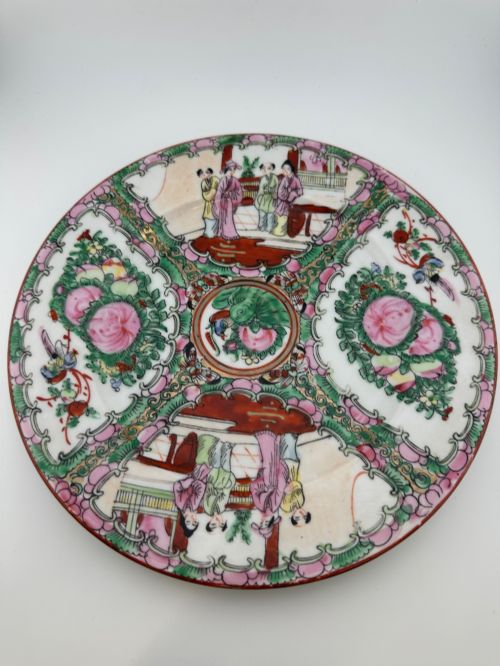
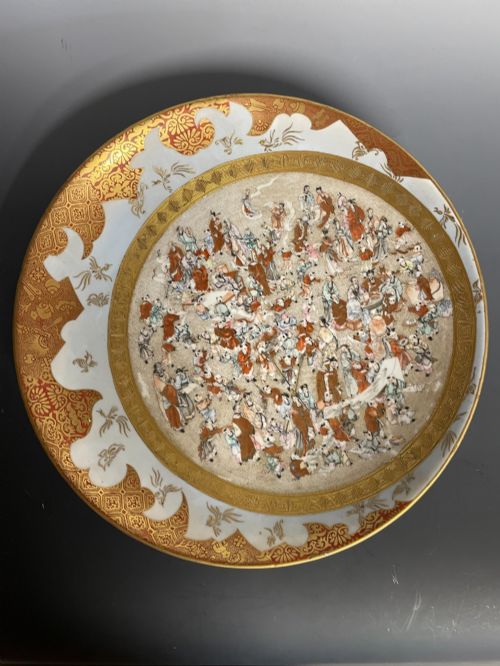
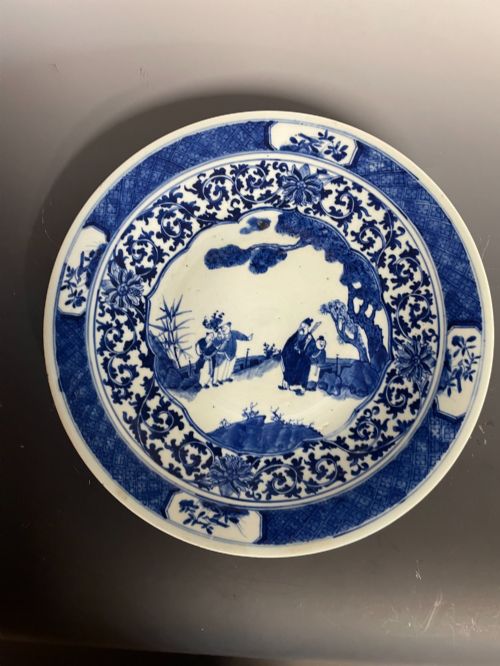
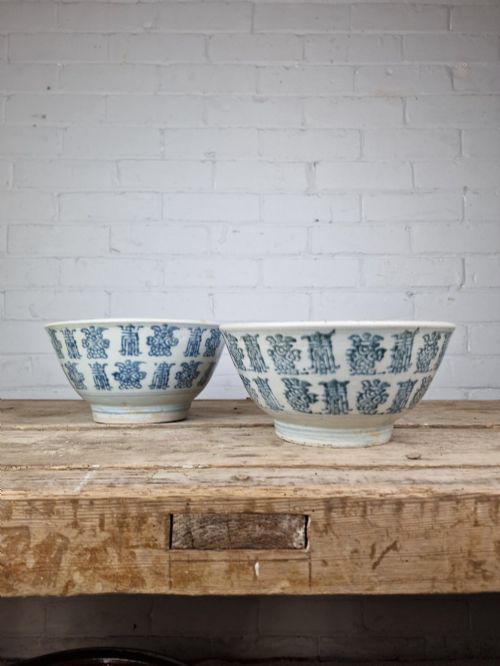
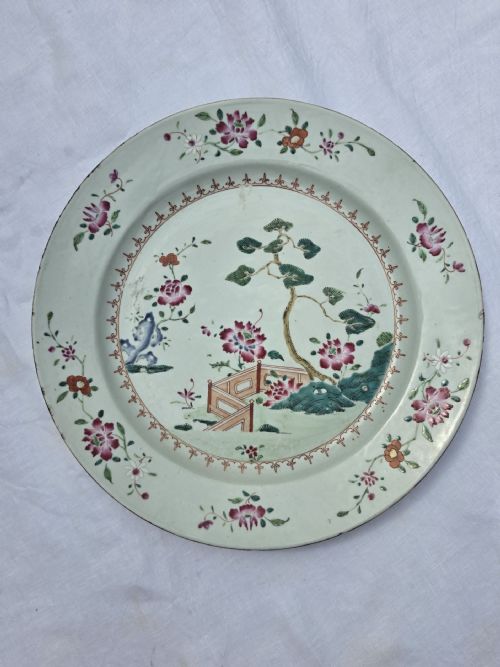
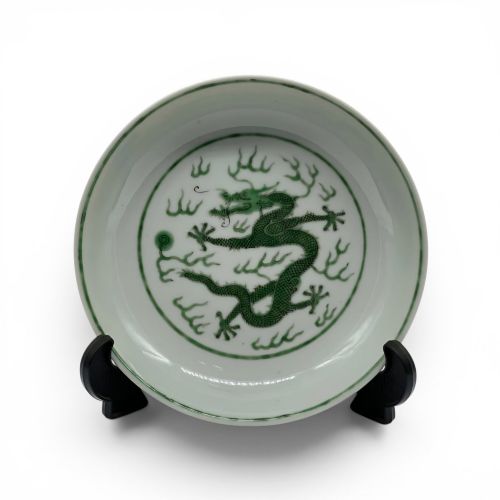
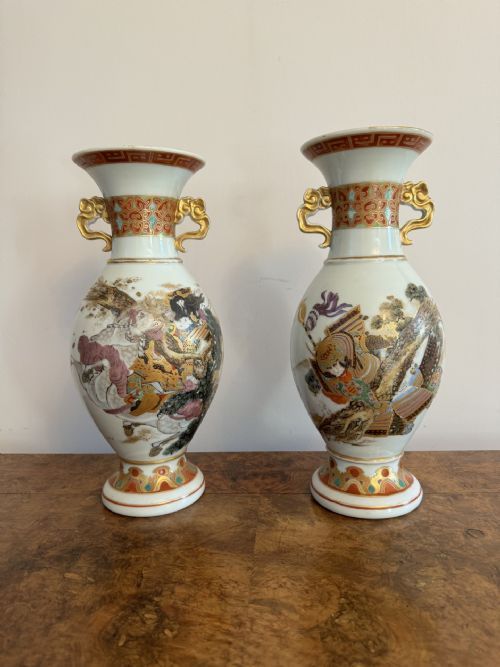
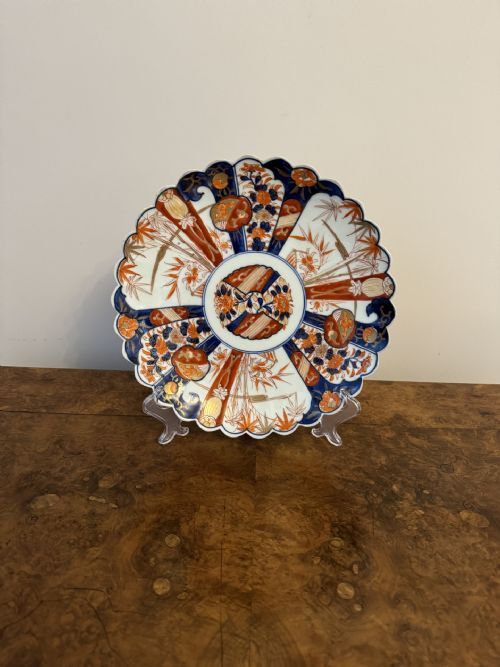
The items most frequently met on this page include chargers, plates, bowls, and vases originating from Chinese kilns and Japanese potteries. You will find them spanning from the seventeenth century through to the early twentieth century, reflecting shifting global trade routes and aesthetic preferences over generations.
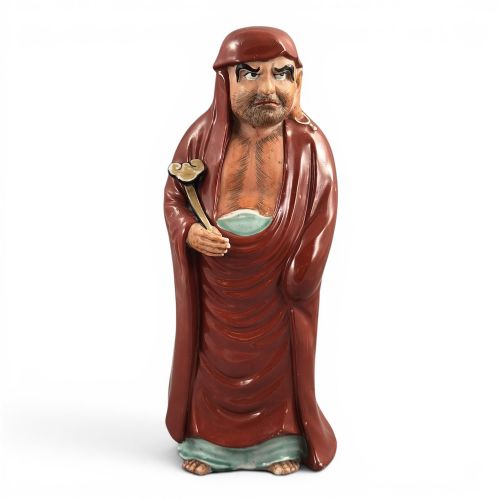
The forms range from utilitarian tablewares to large decorative chargers and figural okimono. Each piece records the specific output of kilns such as those in Arita or Jingdezhen, tailored to satisfy foreign demand while retaining native decorative vocabularies.
How they were made
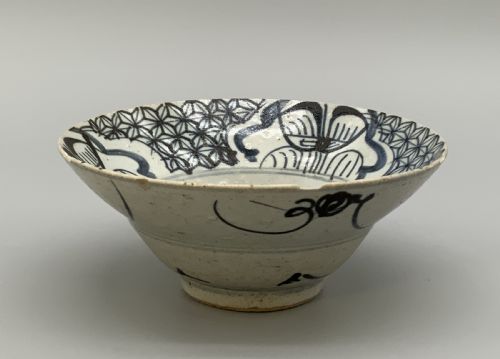
Potters shaped fine ceramic and porcelain bodies before applying mineral pigments beneath or over the glaze. Cobalt underglaze provided deep blue tones, while subsequent overglaze enamels added rich palettes of green, pink, and red.
Kiln workers utilised gold leaf and fine gilding to highlight painted scenes and borders on bowls and chargers. Glazes varied from clear protective layers to specialised turquoise and sancai formulations that gave surfaces distinct sheens and textures.
Listings feature porcelain forms spanning from the seventeenth-century Ming period through to early twentieth-century Japanese production.
What varies in quality
The refinement of the painted brushwork separates ordinary commercial wares from exceptional cabinet pieces. Precision in floral, animal, and human motifs reveals the skill of the individual artist working in the studio or workshop.
The purity of the porcelain body and the control demonstrated during firing dictate the durability and visual clarity of the surface. Strong, even glazes and well-balanced forms indicate superior kiln management and higher standards of production.
Hattori
The Asian Export Porcelain Glossary
- Imari
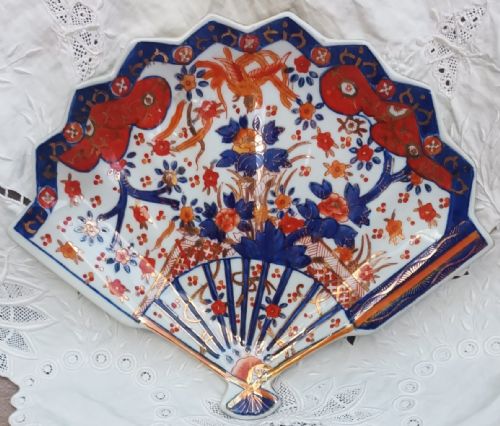
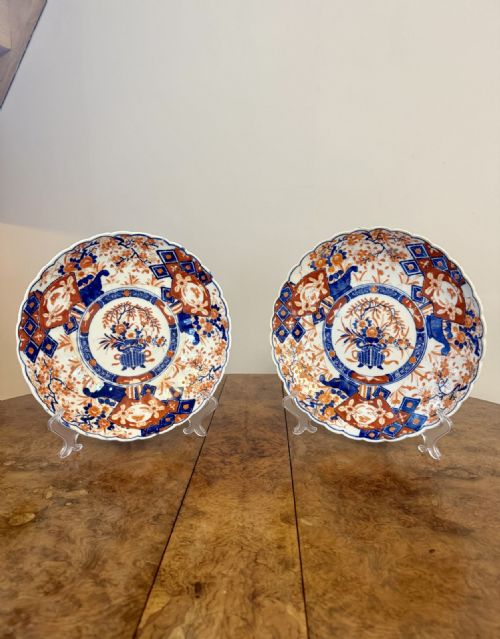
- A style of Japanese porcelain featuring distinctive iron-red, cobalt blue, and gold decoration. These pieces were exported in large quantities through the port of Imari during the Edo period.
- Famille Rose
- A major palette of Chinese ceramic enamels introduced in the eighteenth century, dominated by opaque pink or rose colours. It allowed artists to render delicate shading on floral and figural designs.
- Charger
- A large decorative plate designed primarily for display on a sideboard or wall rather than for daily dining. They often showcase the most ambitious painting executed by the pottery.
- Qing Dynasty
- The final imperial dynasty of China, lasting from sixteen forty-four to nineteen twelve. Ceramics from this era encompass diverse styles including monochrome glazes and intricate polychrome export wares.
- Okimono
- A Japanese freestanding ornamental carving or sculpture meant for display in a tokonoma alcove or room. These figures range from mythical subjects to realistic animals rendered in porcelain.
Asian Export Porcelain: Frequently Asked Questions
How are export pieces different?
Asian export porcelain differs from domestic wares through its adaptation to foreign markets. Forms and decorative motifs were specifically chosen to appeal to European and American tastes.
Potters incorporated Western heraldry, shapes, and dining habits while retaining traditional Eastern painting techniques and kiln methods.
Can I use these plates daily?
Most antique porcelain items on this page function best as decorative display pieces rather than everyday tableware. Their age and delicate overglaze enamels require careful handling.
Hand washing in warm water without harsh detergents preserves the painted surfaces, gold leaf, and structural integrity of the ceramic.
How do I date items?
Dating relies on stylistic clues, reign marks, and the specific characteristics of the ceramic body and glaze. Changes in trade history also provide broad chronological boundaries.
Comparing brushwork styles and palette choices against documented pieces from periods like the Qing Dynasty or Meiji era helps establish a reliable timeline.
Where were these wares made?
The pieces originated primarily in major manufacturing centres across China and Japan. Kilns in locations such as Arita and Jingdezhen produced the bulk of these items.
From these production sites, the wares travelled to ports for transport to international markets, embedding them in global trade networks.