

Asian Embroidery Art
Asian embroidery art encompasses intricate wall hangings, ceremonial garments and dowry pieces carrying centuries of textile tradition.
Asian Embroidery Art
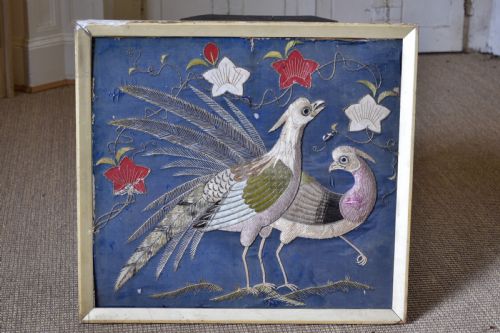
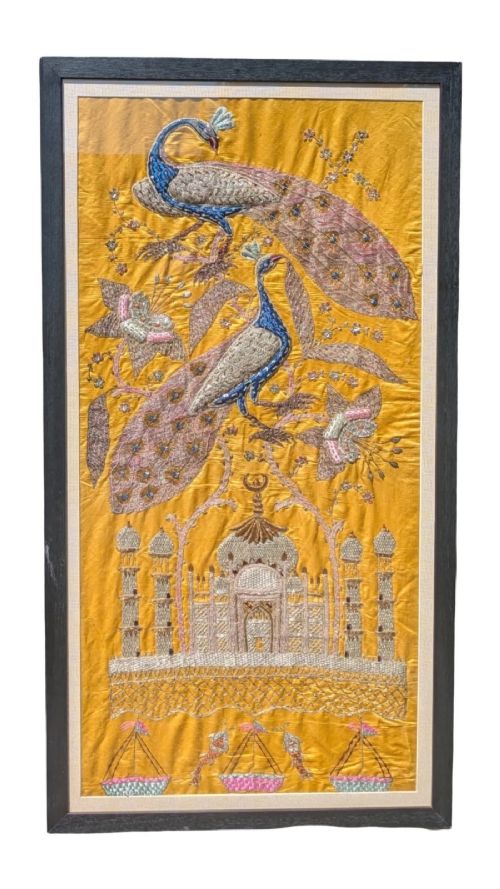
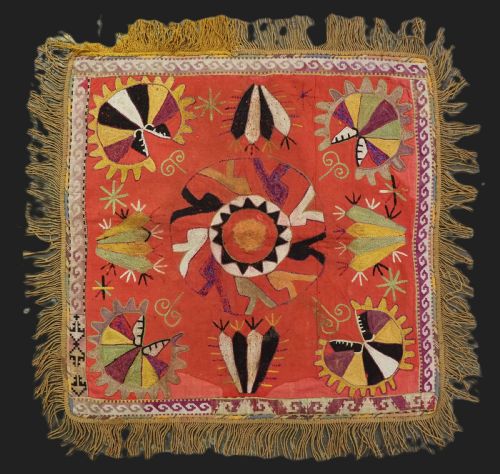
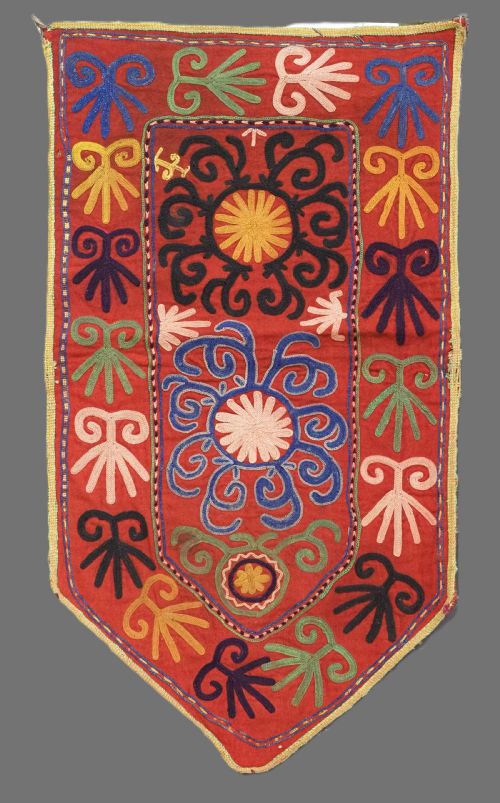
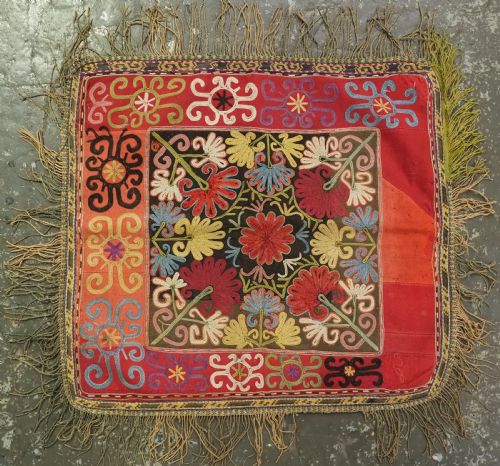
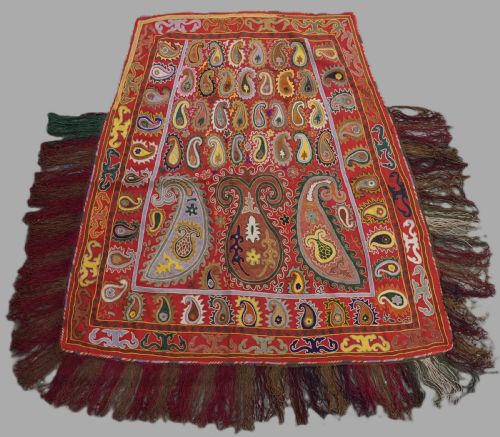
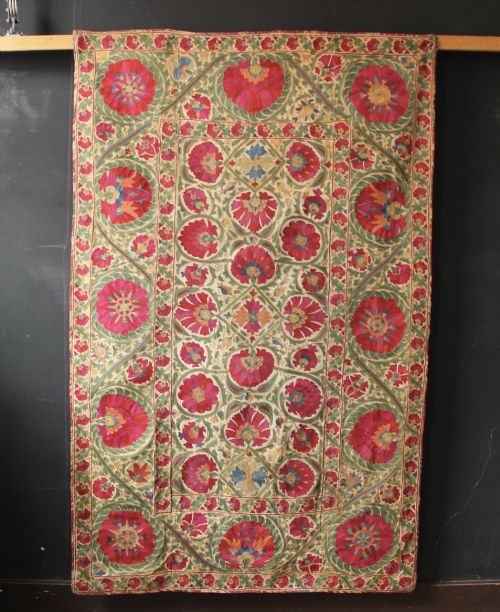
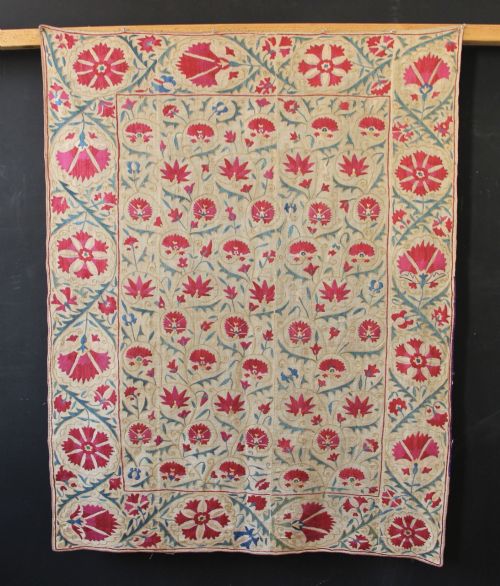
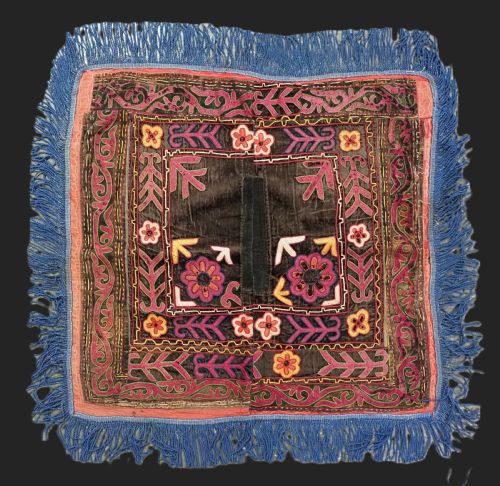
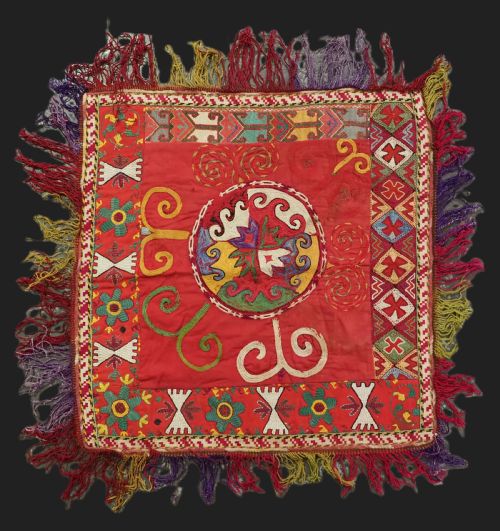
When browsing asian embroidery art, collectors encounter a diverse selection of Central Asian tribal textiles, Chinese silk panels and Indian pictorial works. These objects span from the mid-nineteenth century through the early twentieth century, reflecting varied regional identities.
Form and function dictate the range of items, spanning large wall decorations, dowry items, horse covers and table screens. Each piece serves as a physical record of domestic craft and tribal heritage from across Asia.
How they were made
Maker execution relies heavily on silk embroidery threads worked onto foundational grounds of cotton, wool or felt. Metallic thread and sequins occasionally provide highlights, while glass beads accent select nomadic pieces.
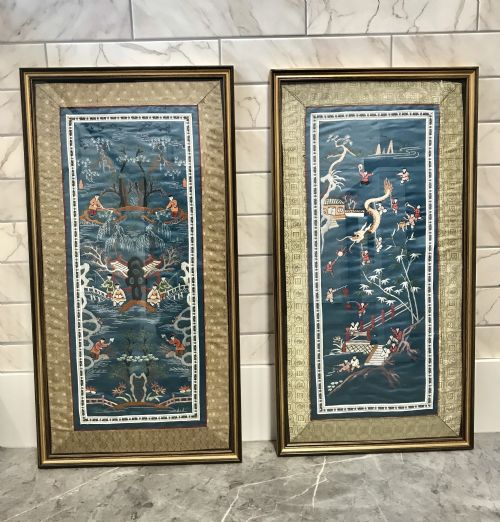
Support structures vary by region, with wooden frames housing Chinese panels under glass, and felt providing sturdy backing for nomadic yurt wall decorations. Hand-sewn techniques dominate, utilising needlework to build dense floral, animal and geometric motifs.
What varies in quality
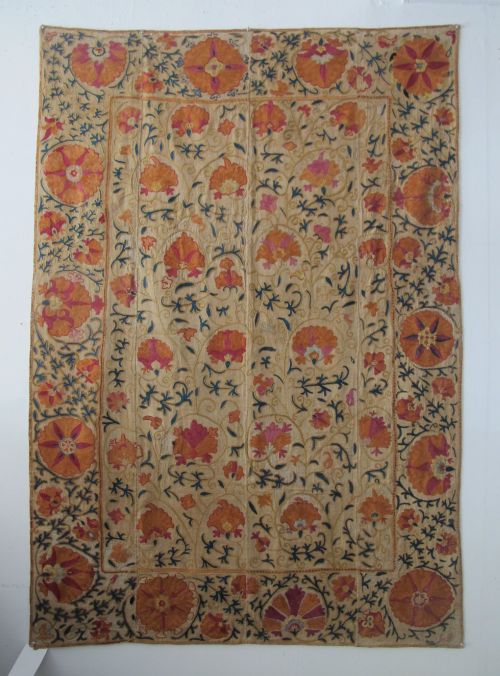
Density of needlework distinguishes standard examples from exceptional pieces, particularly in Tashkent full-work suzanis where the ground cloth disappears beneath the stitching. The fineness of the silk thread and complexity of the pictorial design also indicate superior execution.
Preservation of ground materials and vibrancy of original colour contribute significantly to overall desirability. Pieces retaining intact metallic threads, crisp wool felt and stable cotton backings command greater appreciation among collectors.
The Asian Embroidery Art Glossary
- Suzani
- A large embroidered wall hanging originating from Central Asia, traditionally worked in silk on a cotton or linen ground with floral and vine motifs.
- Ilgich
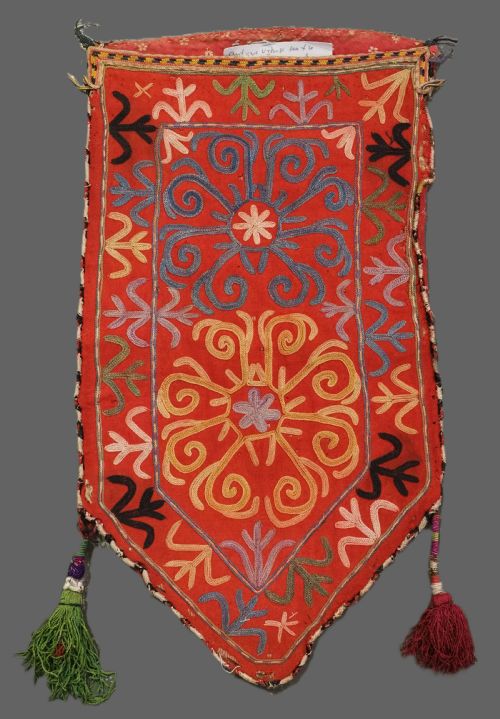
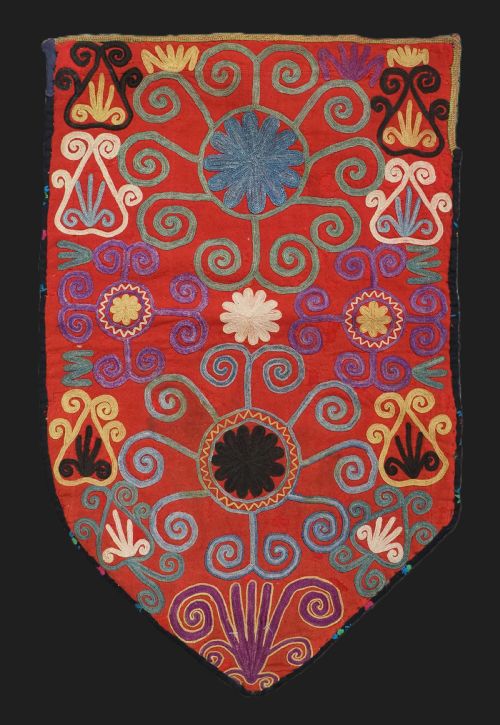
- A type of Central Asian embroidery, frequently associated with the Lakai tribe, often created as dowry items or wall decorations.
- Chyrpy
- A ladies ceremonial coat from Turkmenistan, heavily embroidered with silk thread in bold geometric or floral patterns.
- Torba
- A small horse cover, storage bag or trapping produced by Turkmen and related tribes, featuring intricate face embroidery.
- Palak
- A fully embroidered variety of Uzbek suzani where the design covers the entire ground cloth in dense stitching.
Asian Embroidery Art: Frequently Asked Questions
How are antique suzanis displayed in a home?
These large textiles are typically hung flat on interior walls using conservation-grade mounting techniques to distribute weight evenly across the fabric.
Collectors often place them away from direct sunlight to protect silk threads and natural dye colours from fading over time.
What is the difference between a suzan and an ilgich?
Suzanis are generally large-scale decorative wall hangings featuring sweeping floral and medallion designs worked by urban or village workshops in regions like Bokhara or Tashkent.
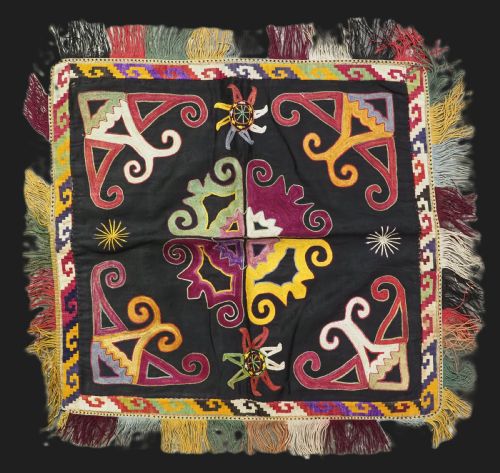
Ilgiches tend to be smaller dowry embroideries created by tribal groups such as the Lakai, characterised by energetic geometric forms and specific utility functions.
How do I identify a Lakai tribal embroidery?
Lakai pieces often display dynamic, abstract motifs executed in vibrant silk floss on dark or red grounds, reflecting nomadic Central Asian aesthetics.
These works frequently include distinct hook patterns and asymmetrical compositions compared to more formal urban suzani traditions.
Can Chinese silk embroideries be framed?
Many Chinese silk panels and table screens were created specifically for interior display, often preserved behind glass within carved wooden frames.
When handling these framed works, maintaining proper humidity control prevents moisture damage to the delicate silk fibres and paper backings.