
Asian Decorative Urn
An asian decorative urn brings rich texture and intricate narrative detail to a room, drawing the eye with centuries of skilled metalwork and ceramic artistry.
Asian Decorative Urn
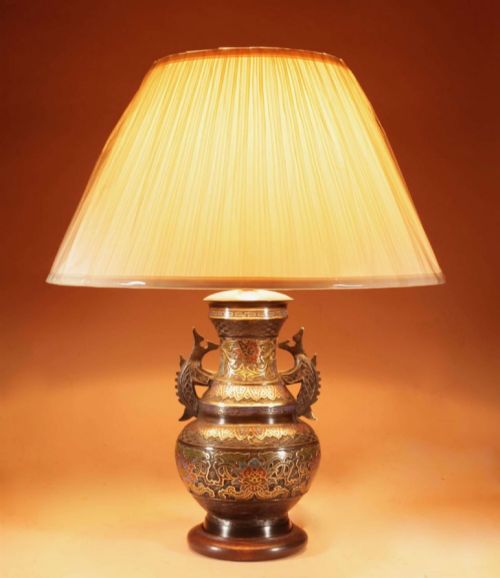
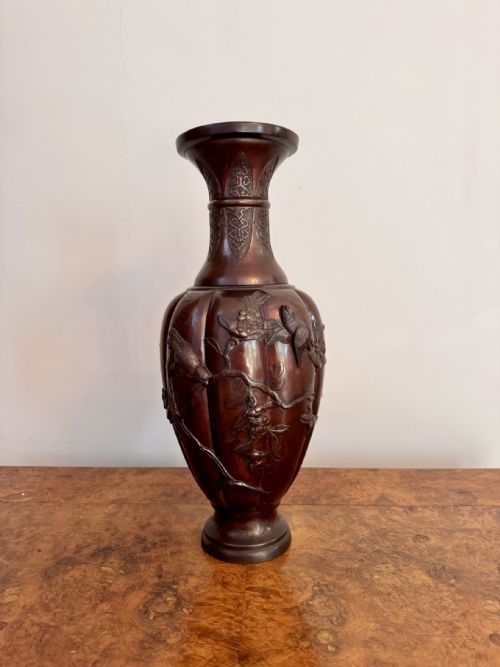
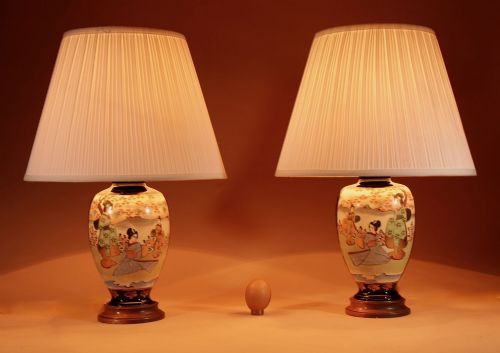
When searching for an asian decorative urn, collectors encounter a diverse selection of vessels spanning the nineteenth and early twentieth centuries. These objects include lidded jars, temple vases, and jardinieres originating from Japanese and Chinese traditions. Many examples take the form of bronze table lamps or baluster vases created during the Meiji period and the Qing dynasty.
How they were made
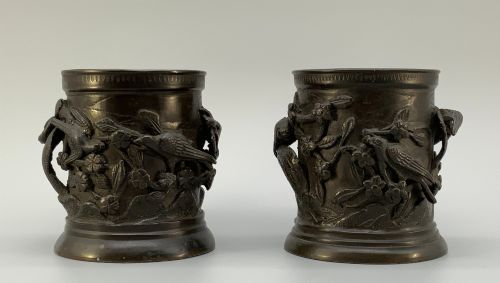
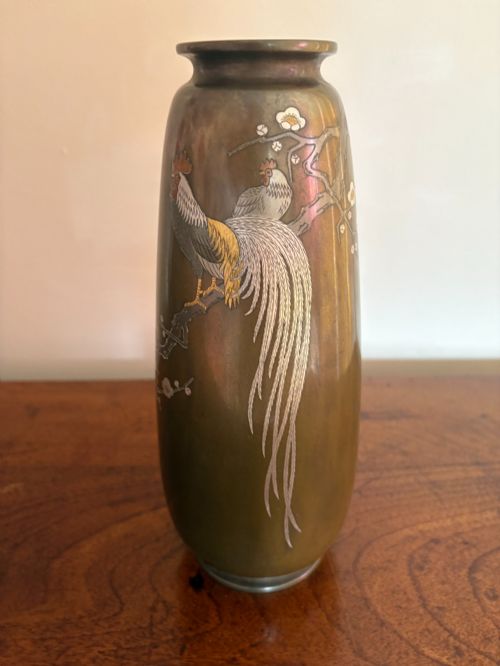
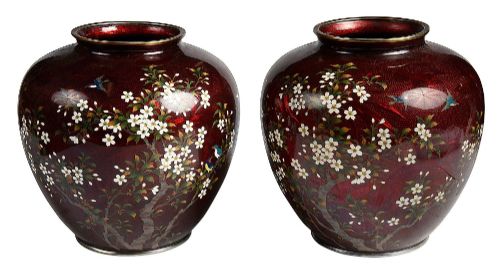
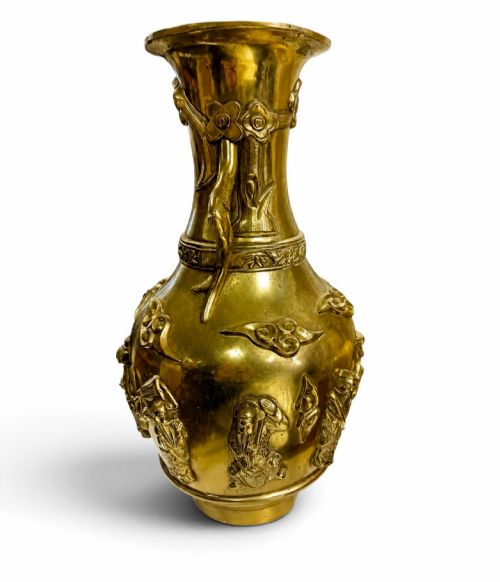
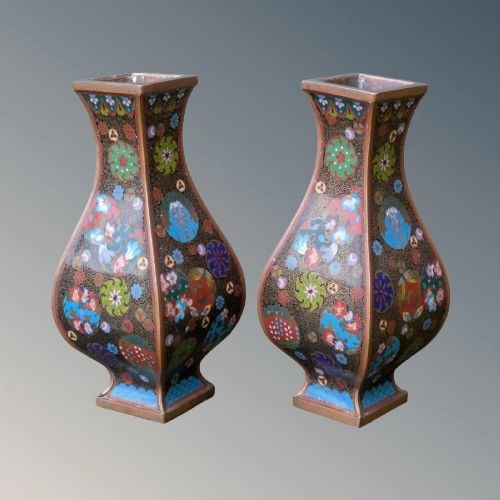
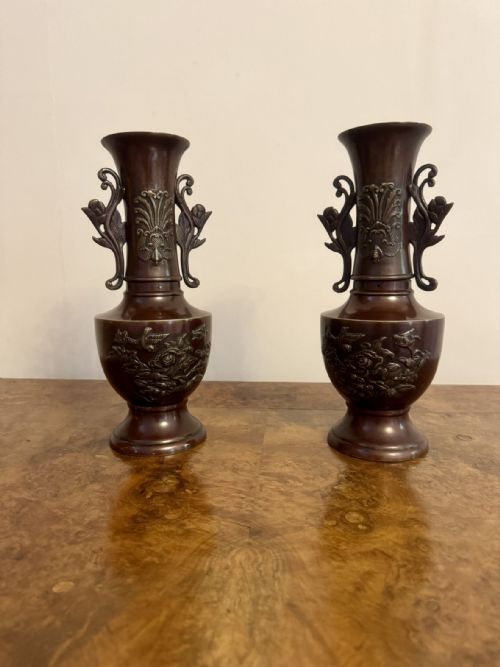
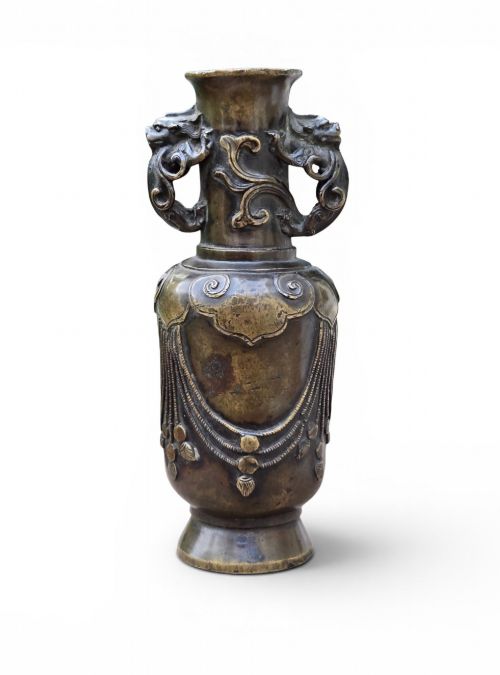
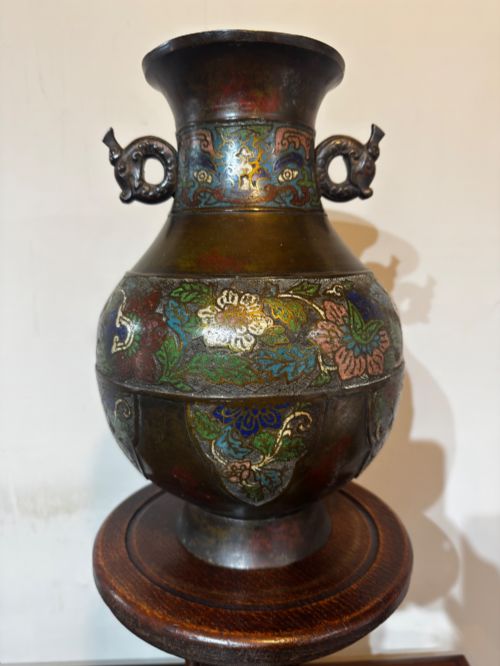
Metal vessels utilise bronze, copper-alloy, and brass, often enriched with champlevé or cloisonné enamel work where wires form cells for coloured glass pastes. Artisans also apply gold leaf and high-relief casting to depict figures such as Daoist immortals or natural motifs like birds and blossoms.
Ceramic pieces combine earthenware and porcelain bodies decorated with underglaze blue, vibrant enamel palettes, or carved red cinnabar lacquer. Makers shape stoneware and porcelain before firing, subsequently adding hand-painted or inlaid details that reflect traditional East Asian craftsmanship.
Listings feature works created across eight distinct periods, spanning from the Victorian era through the nineteen-thirties.
What varies in quality
The distinction between ordinary and exceptional pieces rests upon the precision of the hand-finishing and the clarity of the imagery. Superior metalwork displays sharp, deep relief and clean enamel borders, while finer ceramics exhibit meticulously painted figural scenes and balanced glazes.
Signed works and those retaining original elements command greater attention from collectors. The depth of the carving in lacquer pieces and the weight and stability of cast bronze vessels further separate standard items from superior examples.
KANASAWA·Manpei, Kobe·Makuzu Kozan II·Chosei, Kyoto·Hakusan·Kizan
The Asian Decorative Urn Glossary
- Cloisonné
- Enamelling technique where thin metal wires are soldered to a metal base to create compartments filled with coloured paste. These compartments are fired and polished smooth.
- Satsuma
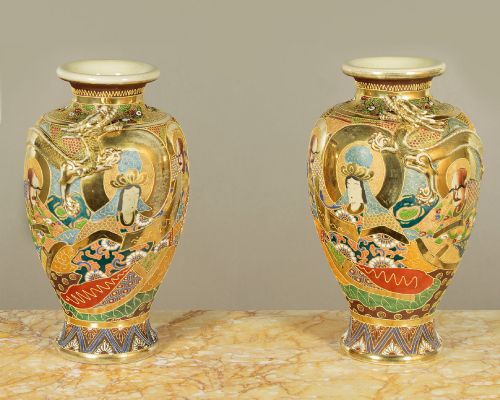
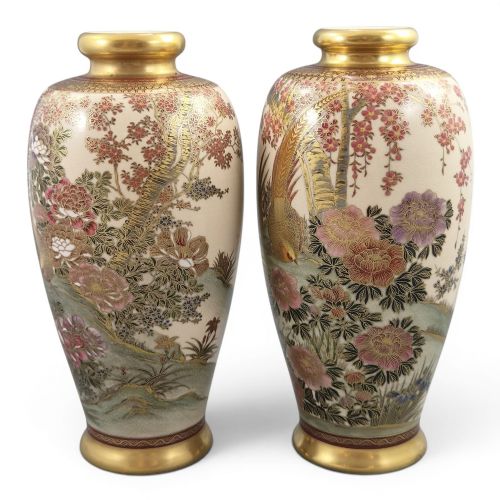
- Japanese earthenware pottery featuring a crackle-glaze ivory ground, typically decorated with elaborate polychrome enamels and gilding. These wares became highly popular for export during the Meiji period.
- Imari
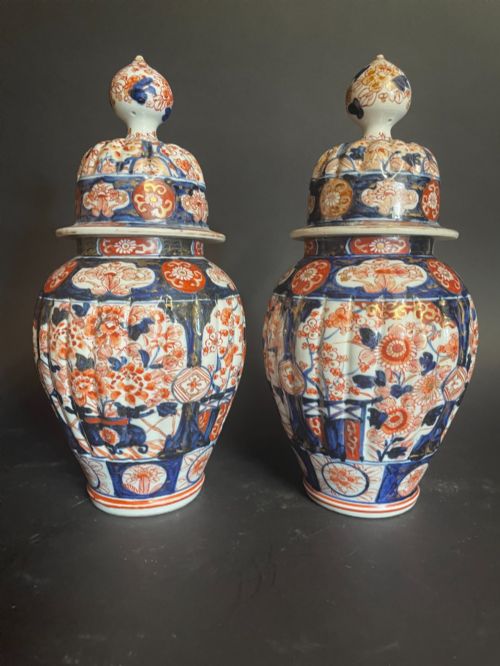
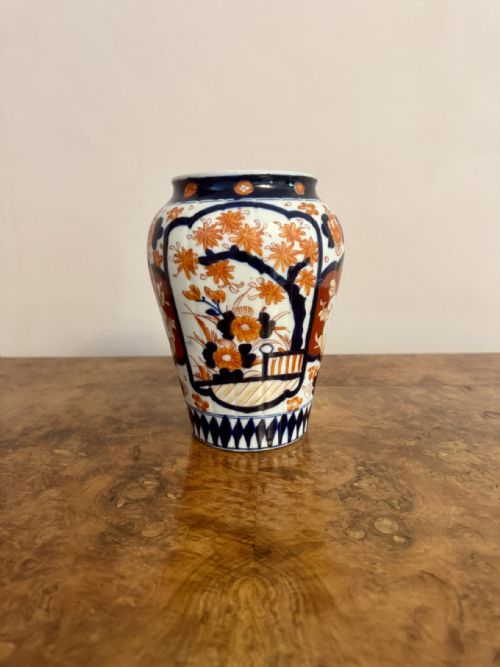
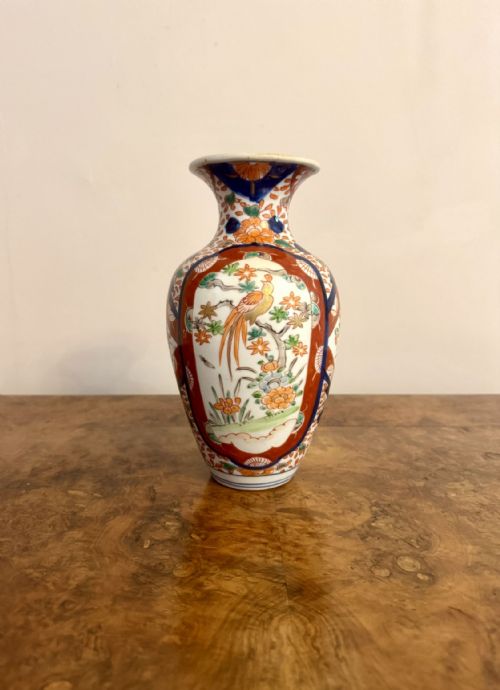
- Japanese porcelain decorated in underglaze blue, iron red, and gold, often featuring complex floral and brocade patterns. The style originated in Arita and shipped through the port of Imari.
- Champlevé
- Enamelling method in which troughs or cells are gouged or cast directly into the surface of a metal object and filled with enamel before firing. This differs from wire-based cloisonné.
- Kutani
- Japanese painted porcelain known for its bold colour palettes, particularly strong greens, yellows, and reds, depicting landscapes and figures. The tradition dates back to the seventeenth century.
- Baluster
- A vase shape with a rounded body that tapers toward the base and flares at the neck, resembling an architectural column support.
Asian Decorative Urn: Frequently Asked Questions
How do I identify a Meiji period piece?
Meiji period items generally date between eighteen sixty-eight and nineteen twelve, reflecting the opening of Japan to Western trade. Look for detailed craftsmanship in bronze, Satsuma earthenware, and cloisonné enamel, often carrying maker signatures from this era.
Many pieces from this timeframe were specifically produced for export markets, combining traditional iconography with forms tailored for European and American interiors, such as table lamps.
What is the difference between Satsuma and Imari?
Satsuma ware utilises an earthenware body with a distinctive cream-coloured crackle glaze, heavily embellished with hand-painted polychrome enamels and gold leaf. It focuses on narrative scenes and decorative motifs.
Imari ware is a porcelain tradition characterised by a stiff white body decorated primarily in cobalt blue and iron-red overglaze, accented with gold. The patterns are usually geometric and floral rather than narrative.
How were these decorative urns originally used?
These vessels functioned primarily as interior ornamentation in elite homes and palaces rather than for holding flowers or liquids. Large temple vases and lidded jars were displayed on pedestals or tables to demonstrate the owner's taste and wealth.
Over time, many of the bronze and ceramic bodies were adapted into table lamps to suit changing domestic lighting requirements while retaining their decorative appeal.
How should I care for antique cloisonné and lacquer?
Keep these pieces away from direct sunlight and areas with fluctuating humidity to protect the delicate enamel and wood or lacquer foundations. Dust them gently with a soft, dry cloth without applying chemical cleaners or water.
Handling should be done with clean hands or cotton gloves, supporting the body and base rather than lifting by decorative handles or rims which may be fragile.