



Asian Decorative Bowl
An asian decorative bowl brings centuries of overseas craftsmanship, vibrant enamel, and intricate porcelain to a central display.

Asian Decorative Bowl
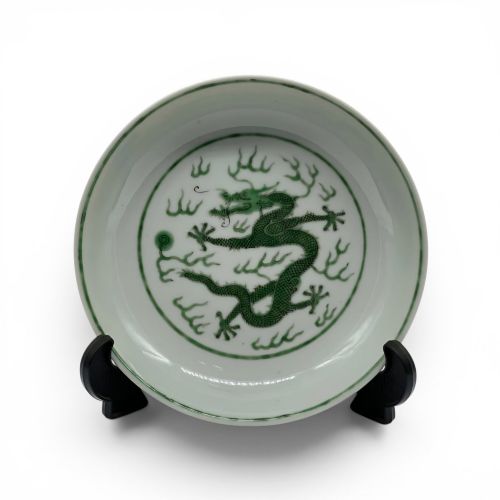
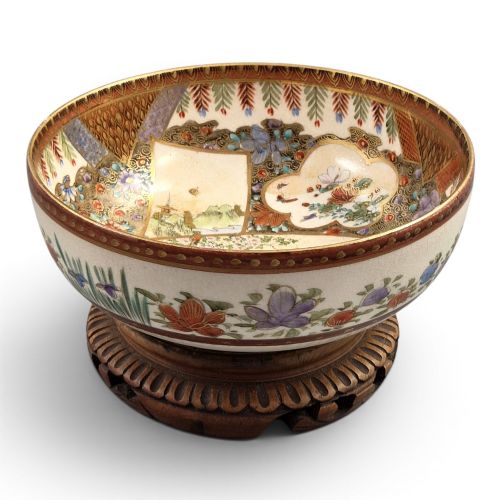
An asian decorative bowl encompasses a wide range of vessels originating from China and Japan, spanning periods from the Edo and Meiji eras through the late nineteenth and early twentieth centuries. These pieces take the form of open bowls, deep chargers, footed vessels, and lidded jars designed primarily for display rather than utility.
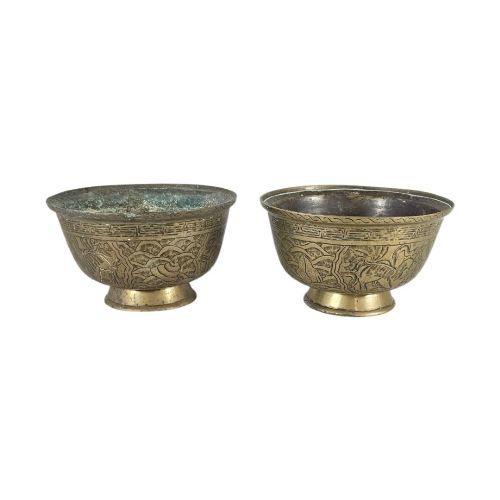
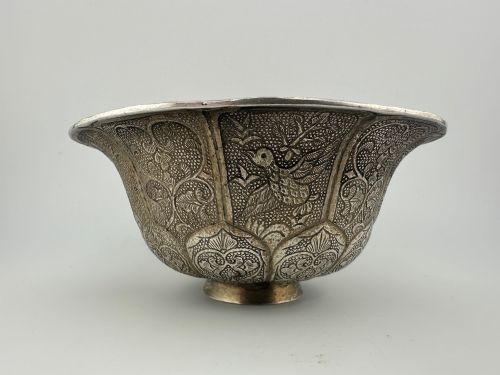
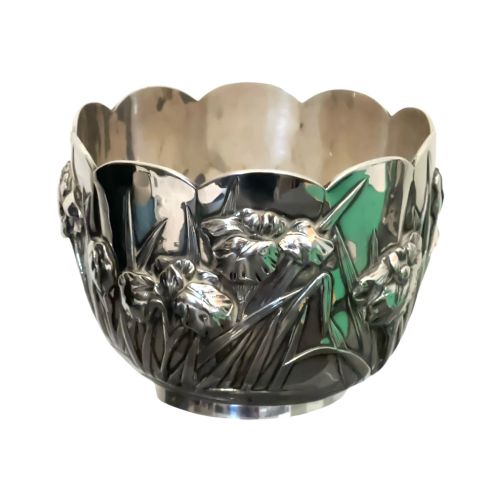
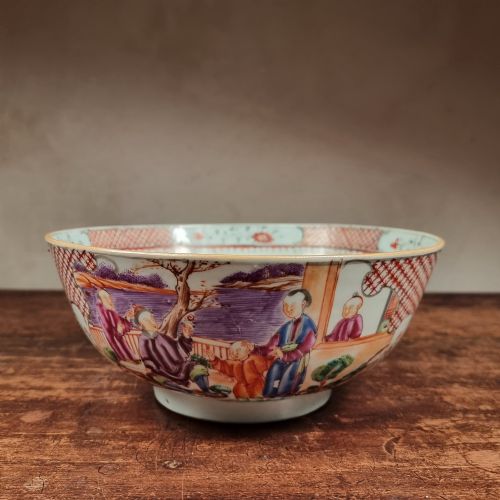
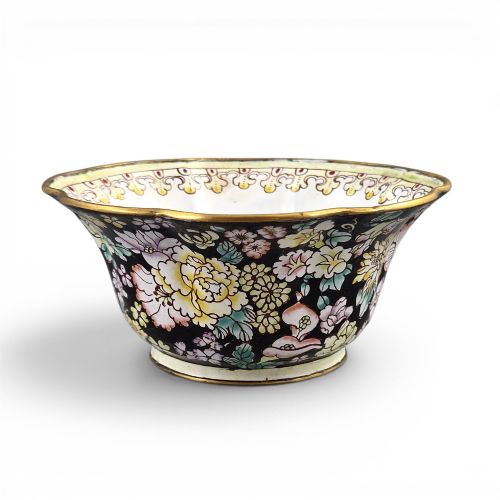
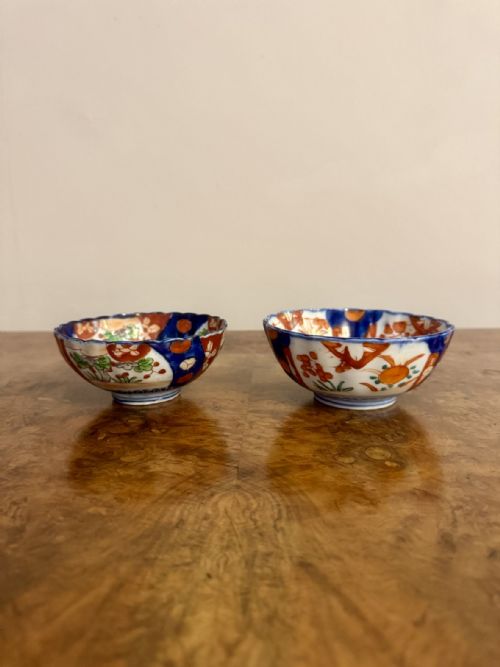
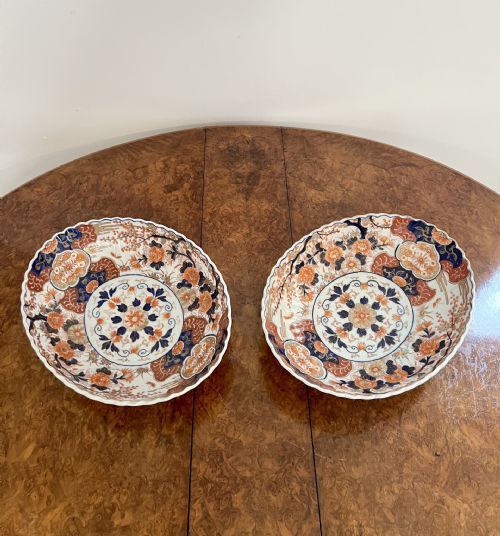
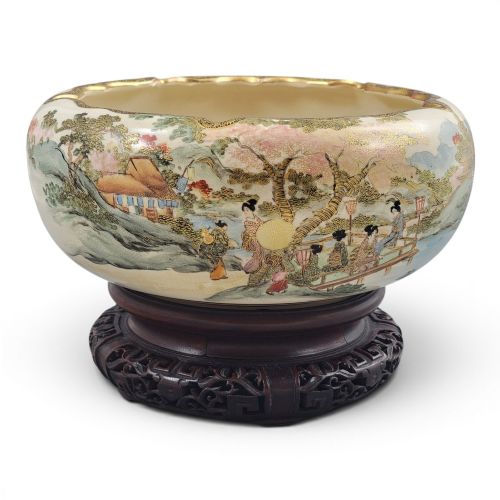
The selection on this page relies heavily on Japanese Imari porcelain, Satsuma earthenware, and intricate Chinese export wares. Buyers encounter scalloped edge dishes, cloisonne enamel bowls decorated with birds and peonies, and solid silver footed vessels reflecting diverse eastern traditions.
How They Were Made
Potters and artisans utilised porcelain, earthenware, and copper bases, applying cobalt blue underglazes, painted enamels, and rich gold leaf details. Cloisonne examples required painstaking metal wirework soldered to a metal body before filling the compartments with powdered glass enamels and firing.
Many ceramic pieces received hand-painted motifs depicting flora, fauna, and traditional figures, sometimes enhanced by incised designs under a qingbai glaze. Silver and white metal vessels were cast, chased, and repoussé worked to achieve deeply textured, ornate surfaces.
Asian Decorative Bowl Retail Price Guide 2026
Typical asking prices for asian decorative bowl among the pieces listed under this phrase on Sellingantiques today, from the lower quarter to the upper quarter. They describe what is for sale here now, not the wider market.
Clam shell dishes from the Edo period prove that seventeenth-century artisans found dinner inspiration straight from the shoreline.
What Varies in Quality
Quality rests upon the precision of the hand-painted brushwork, the crispness of incised motifs, and the complexity of the enamel or metal decoration. Finer pieces demonstrate strict control during kiln firings, resulting in pure glaze surfaces and well-defined colours without blurring.
Signed works by renowned makers or identifiable workshops elevate a piece, as do unusual structural forms like hexagonal profiles or delicate lobed rims. The density of gilding and the intricacy of wire placement in cloisonne further distinguish standard production items from masterworks.
Kozan·Shizan·Ryuzan·Kinkozan·Hododa
The Asian Decorative Bowl Glossary
- Imari
- A style of Japanese porcelain featuring a distinctive palette of underglaze blue, iron red, and gilt highlights. It originated in the Hizen province and gained immense popularity for export.
- Satsuma
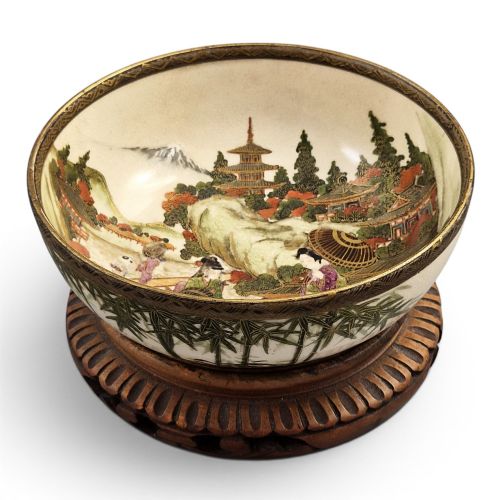
- A type of Japanese earthenware characterised by a crackle-glaze ivory body heavily decorated with polychrome enamels and gold. Master workshops refined this technique extensively during the Meiji period.
- Cloisonne
- A decorative metalwork technique where thin flat wires form raised barriers on a vessel body to hold coloured enamel pastes. The object is then fired and polished to a smooth finish.
- Repousse
- A metalworking method in which the artisan hammers and pushes the metal from the reverse side to form a raised design. Fine chasing is subsequently applied to the front for crisp detail.
- Qingbai
- A Chinese porcelain glaze displaying a pale bluish-green tint over a white body. It was widely used during earlier dynasties and appreciated for its subtle translucency.
Asian Decorative Bowl: Frequently Asked Questions
How do I identify an Imari bowl?
An Imari bowl typically displays a palette combining deep cobalt blue and rust red, frequently accented with gold leaf. The decorative motifs often cover the entire surface with floral and geometric patterns.
These pieces emerged primarily from Japanese kilns for export markets. Examining the base and the weight of the porcelain helps confirm the traditional manufacturing methods.
What is Satsuma ware?
Satsuma ware is a distinct earthenware pottery known for its warm, ivory-coloured crackle glaze. Artisans painted these surfaces with elaborate figures, birds, and flowers using rich enamel colours.
Many fine examples bear signature stamps or artist seals on the underside. They date predominantly to the Meiji period when Japanese craftsmanship met western demand.
How should I display my bowl?
These decorative vessels suit placement on central tables, open shelving, or dedicated stands that elevate the piece. Ensuring stable placement away from heavy foot traffic protects fragile ceramic and enamel edges.
Lighting matters significantly for pieces featuring gold leaf or cloisonne wirework. Natural light or angled spotlights highlight the reflective qualities of the glazes and metals.