
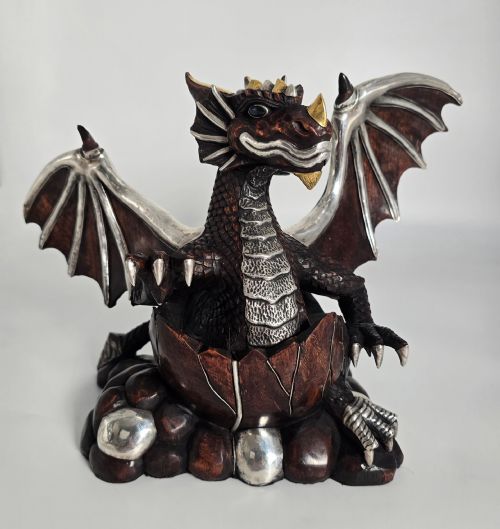
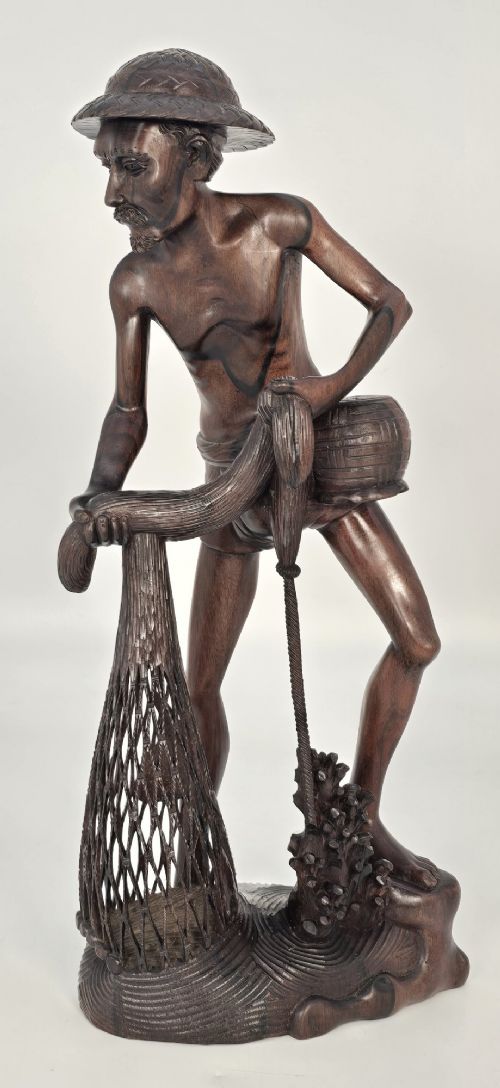
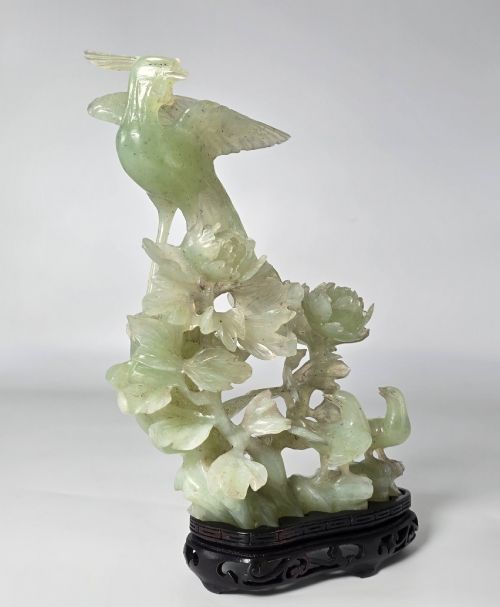
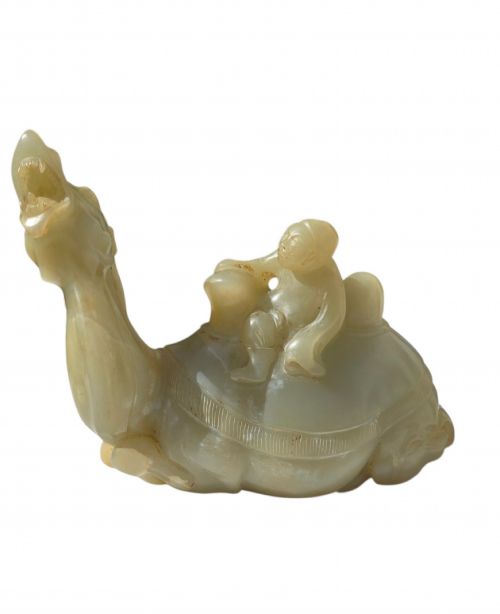


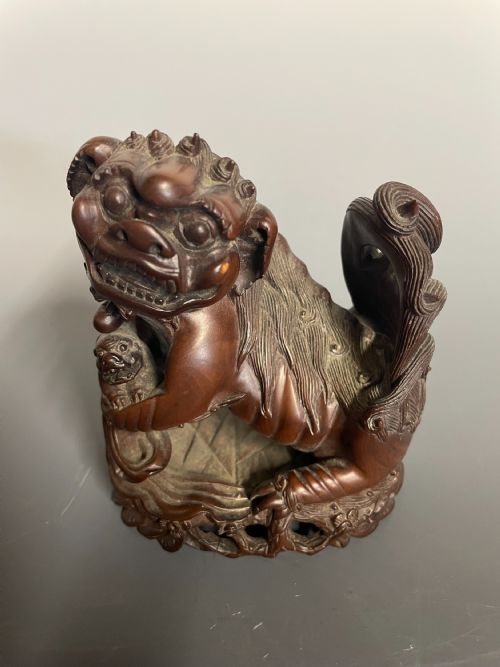
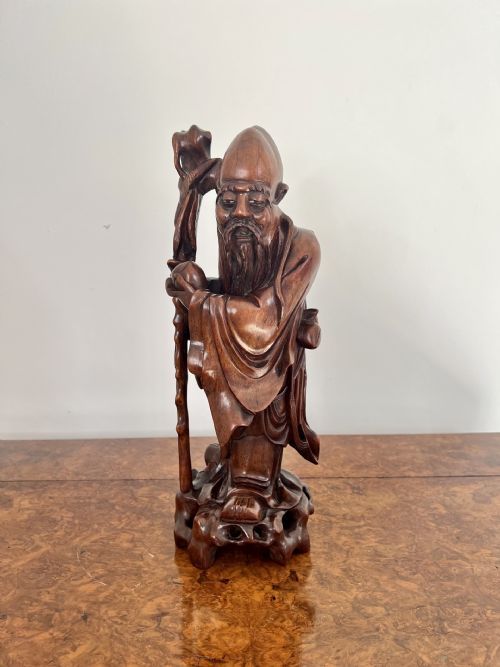
Asian Carved Figure
When you search for an asian carved figure, you step into a varied tradition spanning temple guardians, deities, and daily life representations from the eighteenth to the twentieth century.
Asian Carved Figure
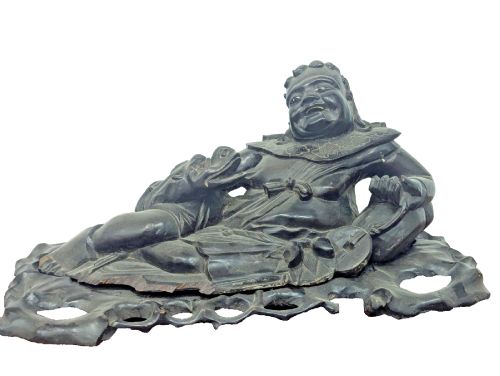
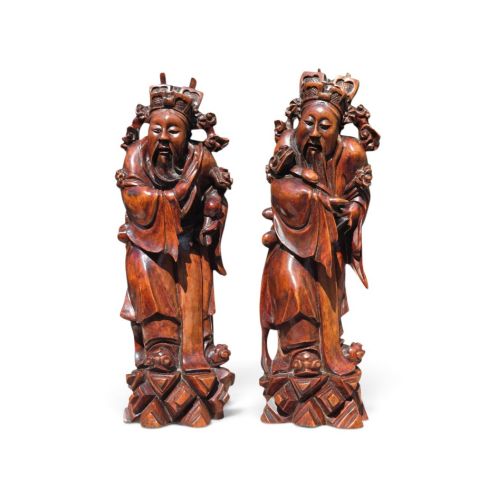
An asian carved figure encompasses sculptural representations of deities, immortals, animals, and human subjects produced across China, Japan, Burma, and Southeast Asia. The selection on this page leans heavily toward hardwood and wood carvings from the nineteenth and early twentieth centuries.
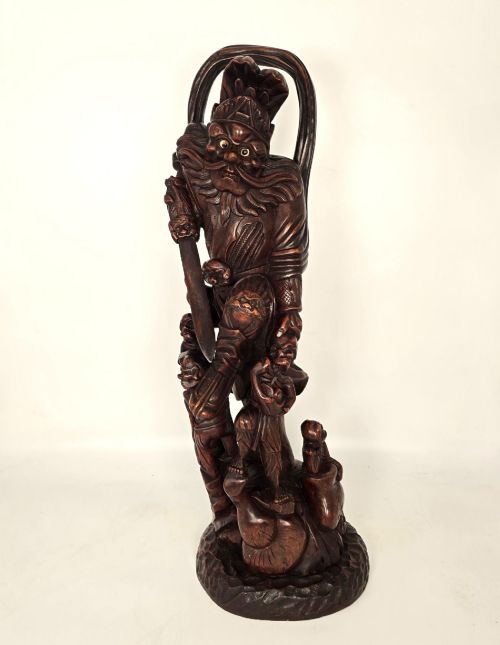
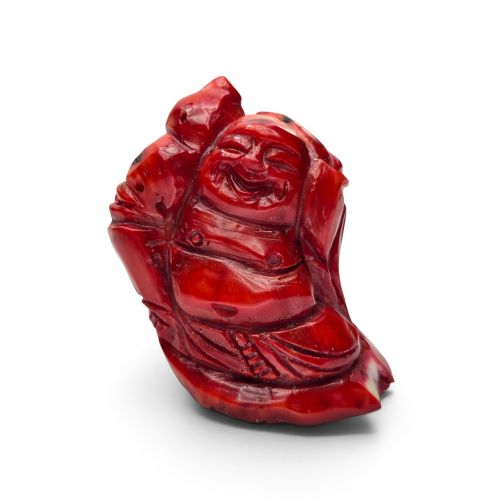
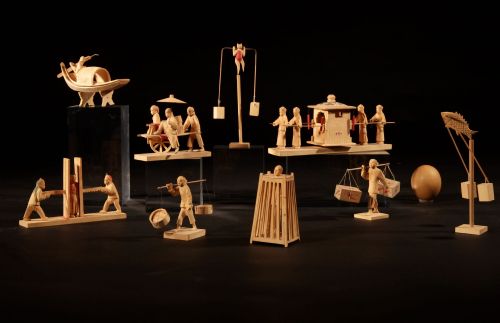
Buyers encounter subjects ranging from Buddhist and Daoist figures such as Buddhas, Guanyin, and Immortals to genre scenes depicting fishermen, scholars, and daily activities. These take the form of monumental temple statues, okimono, and table sculptures originating from periods including the Qing Dynasty and the Meiji period.
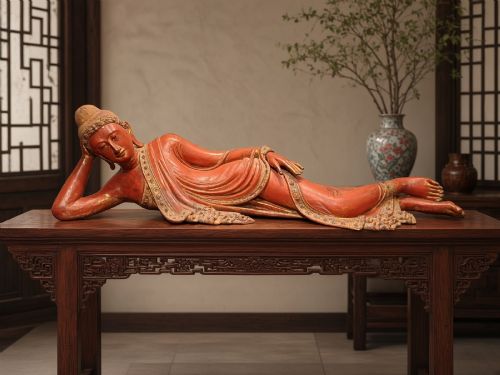
The objects reflect diverse regional aesthetics, encompassing Chinese temple guardians, Japanese okimono, and Burmese reclining Buddhas in marble and wood. Many pieces demonstrate intricate hand carving, while others incorporate polychrome paint, lacquer, or gilt wood finishes.
How They Were Made
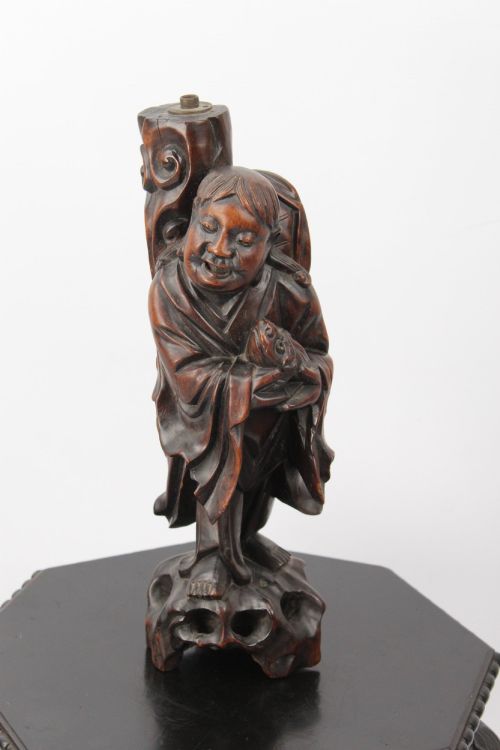
Makers utilised dense timbers such as hardwood, boxwood, bamboo, and root wood, carving the material with hand tools to exploit the natural grain and root formations. Relief and deep carving techniques allowed artisans to delineate elaborate drapery, facial expressions, and textual details.
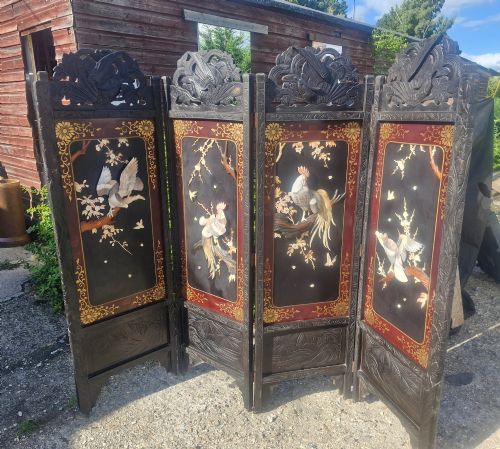
Surface decoration frequently involved the application of gold leaf, polychrome paint, or black lacquer, particularly on ritual and temple figures. Some pieces incorporated inlaid metal or bone elements to create textural contrast within the carved composition.
What Varies in Quality
Material selection and preservation of original surfaces also dictate the standing of a piece. Intact original polychrome, gilt wood, and lacquer layers retain historical integrity, whereas heavily restored or stripped surfaces diminish the visual and material character.
The Asian Carved Figure Glossary
- Okimono
- A Japanese decorative freestanding sculpture designed for display on a tokonoma or shelf. These carvings often depict figures from folklore, daily life, or animals from the Meiji period onward.
- Lokapala
- A Guardian King or heavenly general in Buddhist tradition, typically depicted in heavy armour and posed to ward off evil spirits. These monumental temple figures often appear in carved hardwood.
- Guanyin
- The Bodhisattva of Compassion in East Asian Buddhism, frequently rendered in wood, stone, or porcelain. The figure is usually shown in a posture of serene grace.
- Boxwood
- A dense, pale yellow hardwood favoured by carvers for miniature and detailed figures due to its fine grain which resists splintering.
- Tsuikoku
- A Japanese lacquer technique involving carved layers of black lacquer over a core. This method builds depth and texture within miniature objects like inro and small panels.
Asian Carved Figure: Frequently Asked Questions
How do I care for a wooden Asian figure?
Keep wooden sculptures away from direct sunlight and rapid temperature fluctuations to prevent the material from drying and splitting.
Dust the surface gently with a dry, soft brush and avoid applying liquid polishes or oils to antique wood and lacquer.
What is the difference between Chinese and Japanese figures?
Chinese figures often reflect cosmological, Daoist, or Buddhist themes through monumental temple carvings and scholarly hardwood sculptures.
Japanese pieces from periods like the Meiji frequently encompass smaller-scale okimono, tobacco boxes, and genre subjects focusing on realistic human expressions.
Where were these figures originally placed?
Many larger wooden and stone sculptures stood inside Buddhist temples, ancestral halls, or domestic altars as objects of veneration and protection.
Smaller carvings and okimono served as scholar's desk ornaments, tobacco accessories, or decorative objects within traditional interiors.