

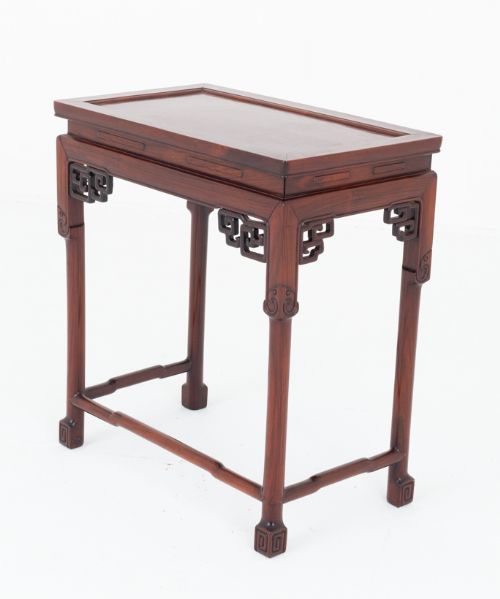


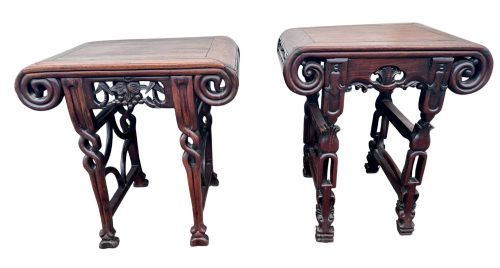


Asian Carved Display Stand
An asian carved display stand raises porcelain, bronze, and plants to eye level using dense timber and stone.
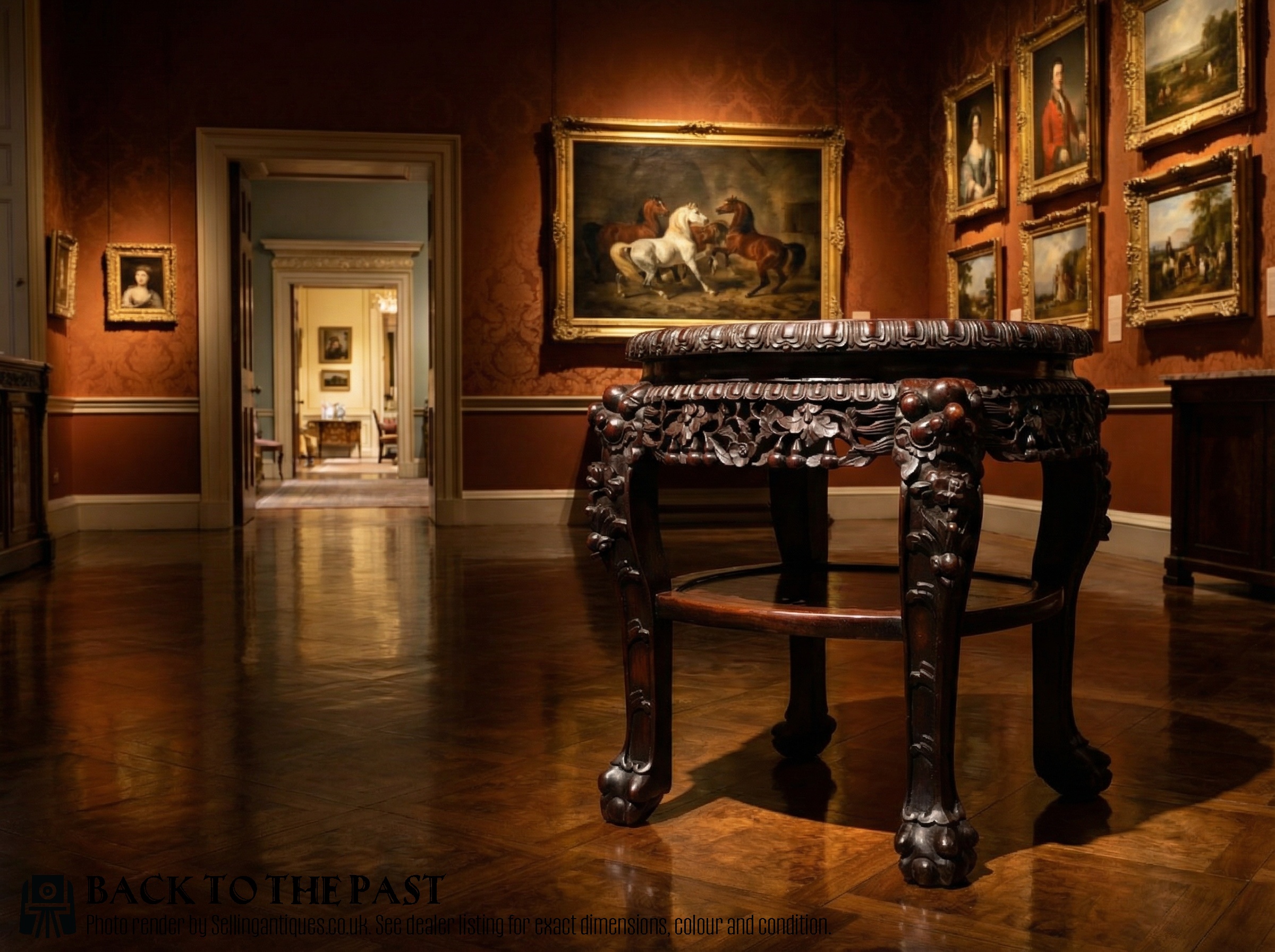
Asian Carved Display Stand
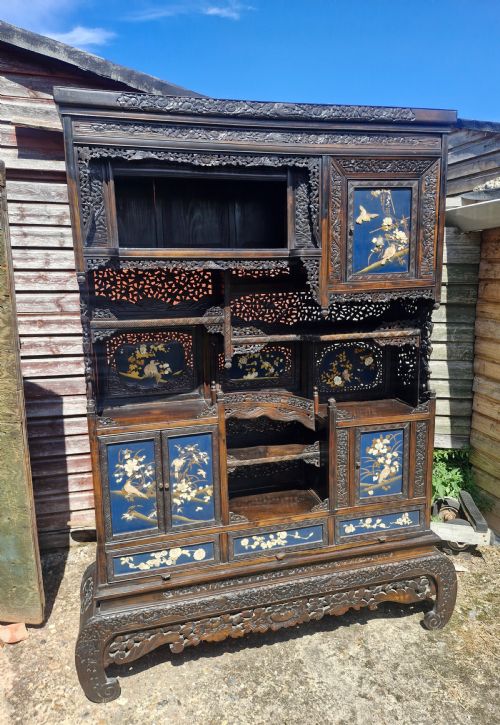
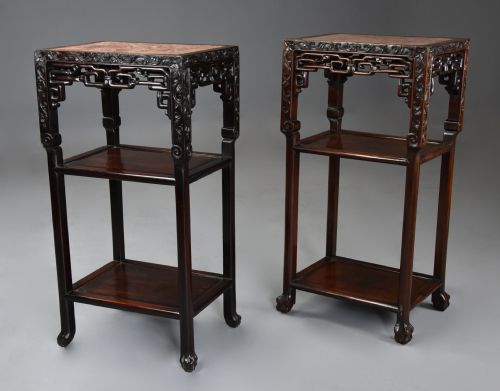
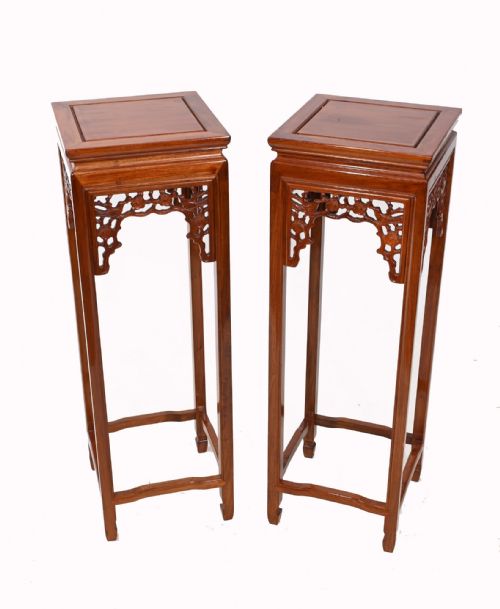
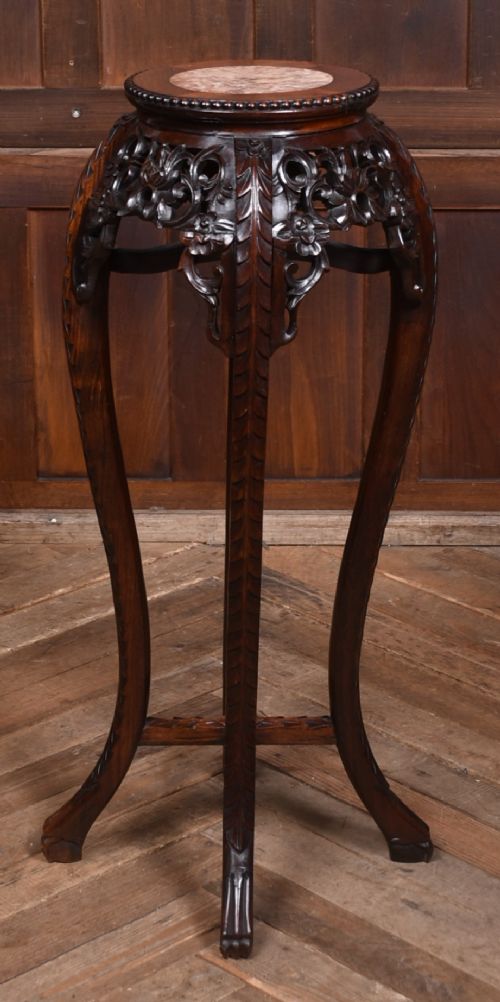
An asian carved display stand functions primarily to elevate decorative objects, plants, and vases within a room. Buyers searching this phrase encounter low tables, pedestal stands, and small cabinets designed to showcase individual items.
The pieces appearing here stem largely from the nineteenth century and the early decades of the twentieth century. They encompass Chinese export designs alongside Japanese Meiji period items intended for both domestic use and export markets.
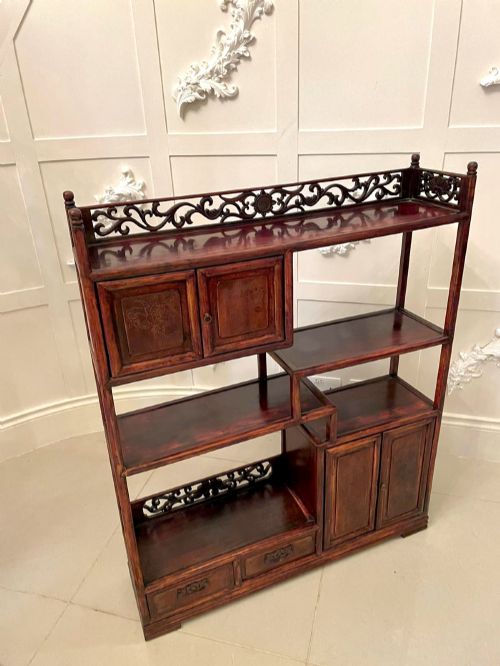
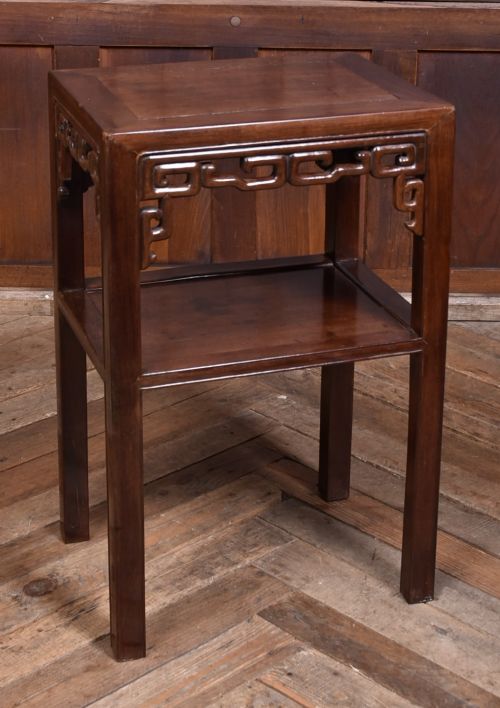
Forms range from tall jardiniere stands and altar tables to multi-tiered cabinets and nested occasional tables. Each configuration serves a specific domestic purpose, whether supporting a heavy ceramic vessel or organising smaller curiosities.
Materials and construction methods
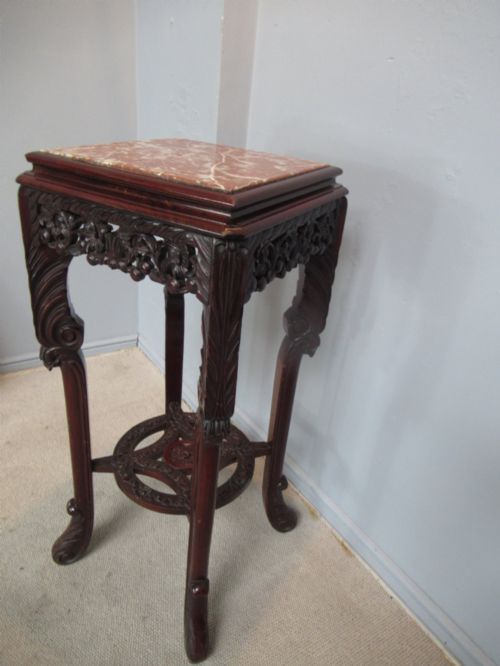
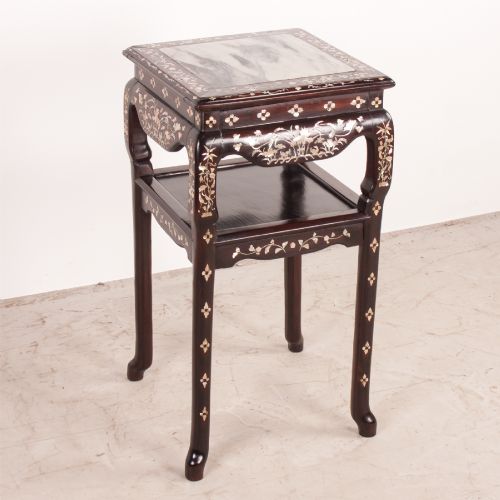
Cabinetmakers utilised dense Asian hardwoods such as hongmu, padouk, and rosewood, which allowed for intricate carving without splintering. These heavy timbers frequently incorporate inset marble panels or mother of pearl inlay to create contrasting textures and cool surfaces.
Joinery techniques relied on precise interlocking joints rather than metal fasteners, ensuring the frames could withstand the weight of heavy stone and ceramic pieces. Lacquer, paint, and occasional brass fittings were applied to finish the surfaces and protect the timber.
The site listings feature nineteenth century and early twentieth century items constructed from hardwood, marble, and mother of pearl.
Distinctions in craftsmanship
Quality rests in the depth and crispness of the carving, where human hands shaped dense timber into twisting dragons, foliage, and geometric borders with clear definition. Lesser examples display shallow, mechanical incision that lacks dimension and rhythmic flow.
The selection of secondary materials further separates standard pieces from finer works. Precisely fitted marble inserts, undamaged mother of pearl inlay, and stable, heavy hardwood frames indicate superior workshop origins.
The Asian Carved Display Stand Glossary
- Hongmu
- A dense, dark red-brown Asian hardwood frequently utilised for traditional furniture and display stands. It possesses natural oils that give the timber a subtle sheen when polished.
- Jardiniere
- A decorative pot or stand designed to hold plants and floral arrangements. These elevated items protect interior surfaces from moisture and frame the foliage.
- Shodana
- A Japanese display cabinet featuring asymmetrical shelving and compartments for curiosities. These pieces emerged strongly during the Meiji period for export and domestic display.
- Mother of pearl
- The iridescent internal layer of mollusc shells cut into thin pieces for inlay. Craftsmen set these gleaming fragments into dark timber to form floral or geometric patterns.
Asian Carved Display Stand: Frequently Asked Questions
What were these stands used for?
These pieces served to elevate objects of importance within traditional interiors. They lifted porcelain vases, bronze vessels, and potted plants above floor level.
By raising these items, households protected delicate ceramics and created structured focal points in living spaces and reception rooms.
How do I identify a marble top stand?
Marble top stands feature a stone inset fitted flush into the wooden frame of the table surface. This cool stone provided a durable plateau for damp flowerpots and hot tea vessels.
The marble often shows natural grey or white veining and sits within a recessed rebate in the hardwood top.
Are these stands Chinese or Japanese?
The listings include both Chinese and Japanese examples originating from the nineteenth and early twentieth centuries. Chinese pieces frequently utilise heavy hongmu and rosewood with Qing dynasty styling.
Japanese items often comprise Meiji period shodana cabinets and stands that display distinct joinery and decorative motifs unique to that culture.
How do I style these in a modern home?
An asian carved display stand functions effectively as a side table, plant pedestal, or bedside surface. The carved timber and inset marble introduce texture and age into contemporary rooms.
Placed beside seating or in empty corners, they provide functional surface area while holding lamps, sculptures, or small collections.