
Asian Bronze Vessel
An asian bronze vessel brings centuries of foundry artistry and ritual weight into a room, spanning delicate scholar's censers and commanding Japanese vases.
Asian Bronze Vessel
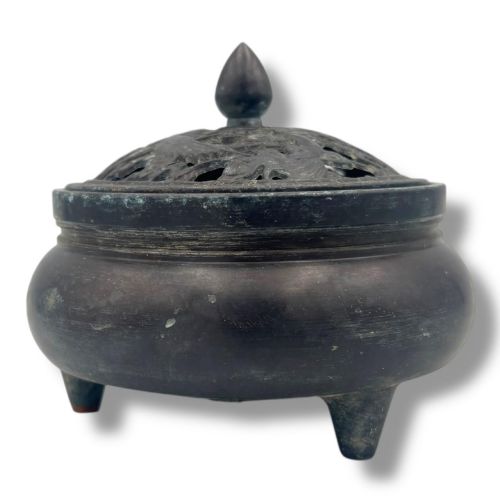
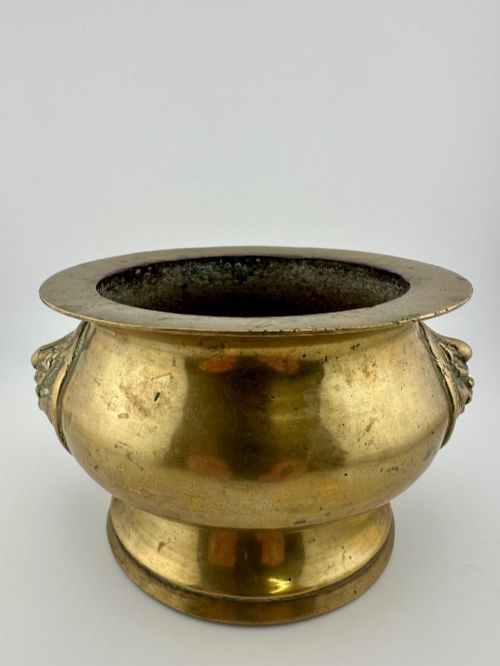
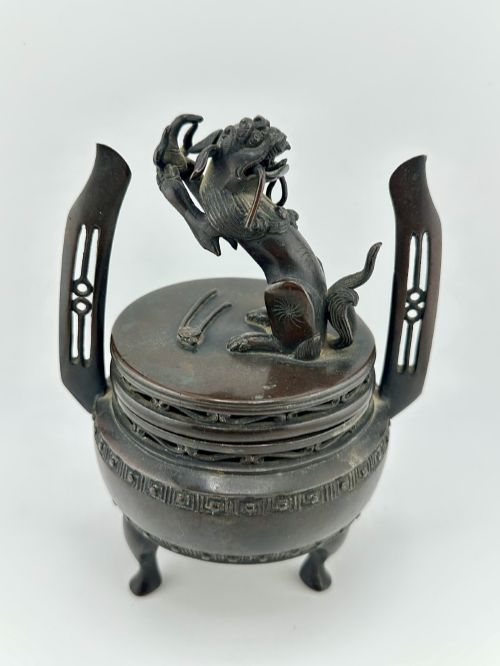
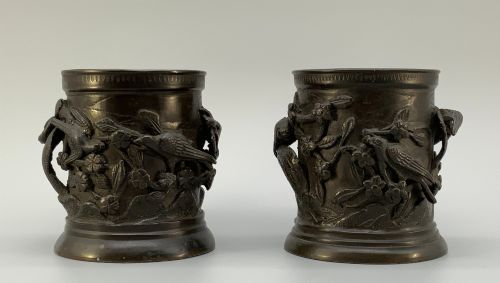
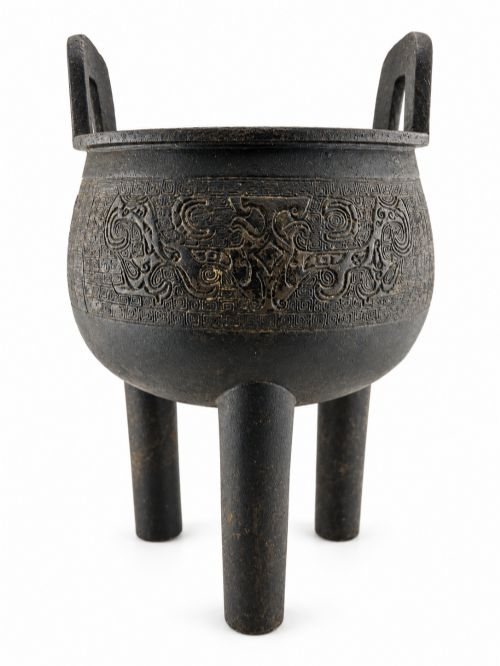
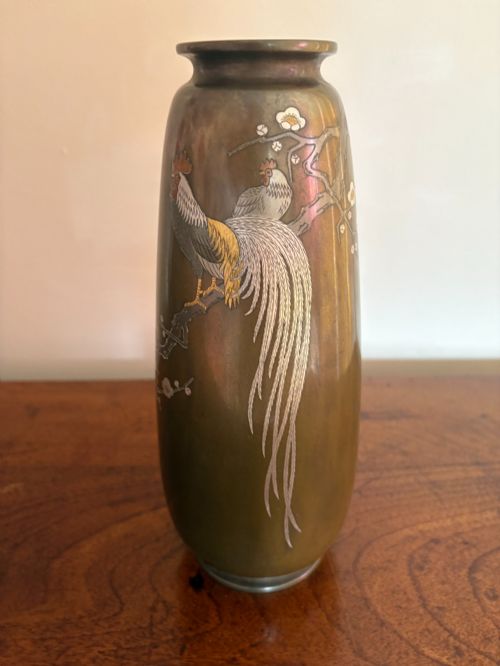
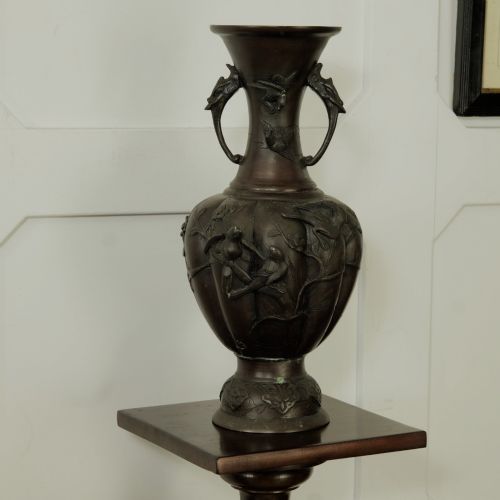
Objects range from heavy cast bronze and copper alloy censers bearing archaic taotie decoration to inlaid Japanese vases depicting birds and blossom. Buyers encounter utilitarian ceremonial items alongside highly decorative pieces intended purely for interior display.
How they were made
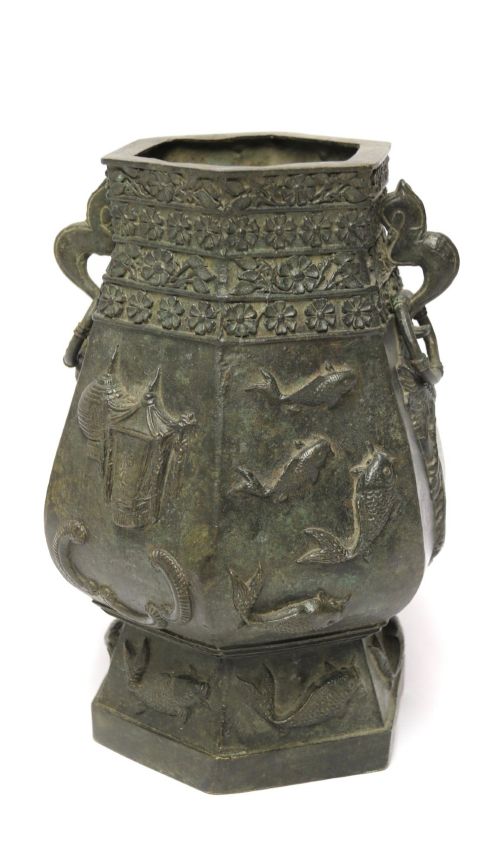
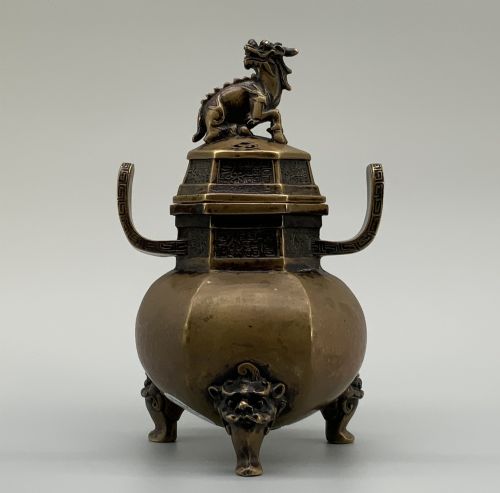
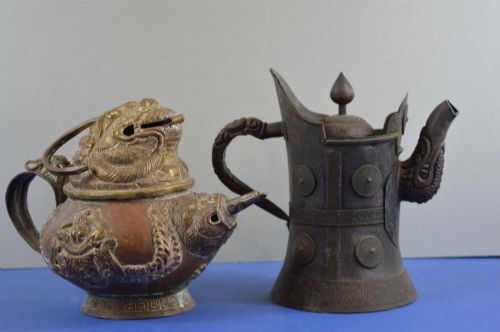
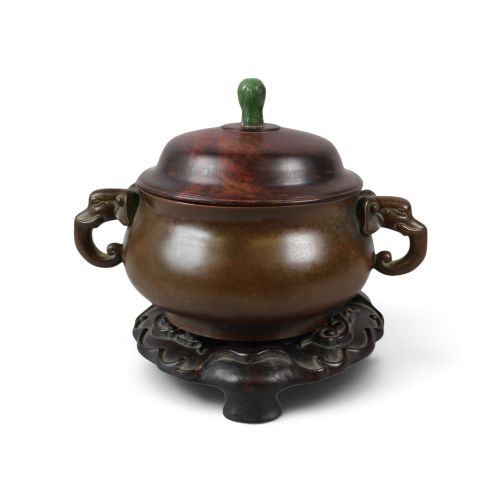
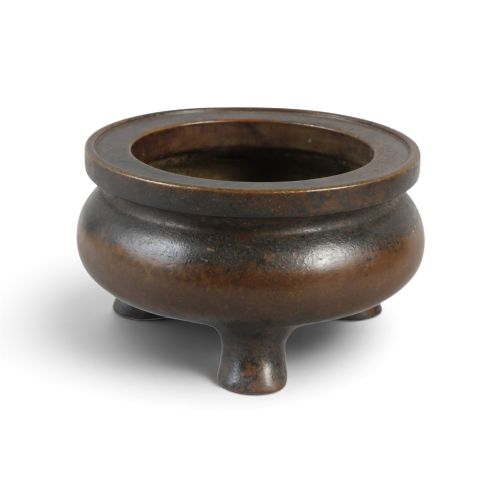
Foundries utilised traditional lost-wax casting and heavy metal pouring to achieve substantial wall thickness and complex structural forms such as hexagonal vessels and tripod legs. Artisans finished these pieces using patination, relief panels, and applied elements including dragon handles and qilin finials.
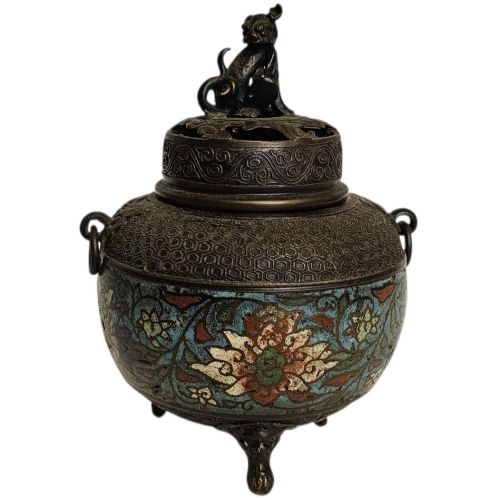
Surface enrichment often incorporated enamel, cloisonné, champlevé, and inlay techniques directly into the bronze or copper alloy body. Custom hardwood stands frequently accompanied scholar's items to complete the presentation.
Some heavy bronze censers are noted for possessing a distinct bell-ring resonance when struck.
What varies in quality
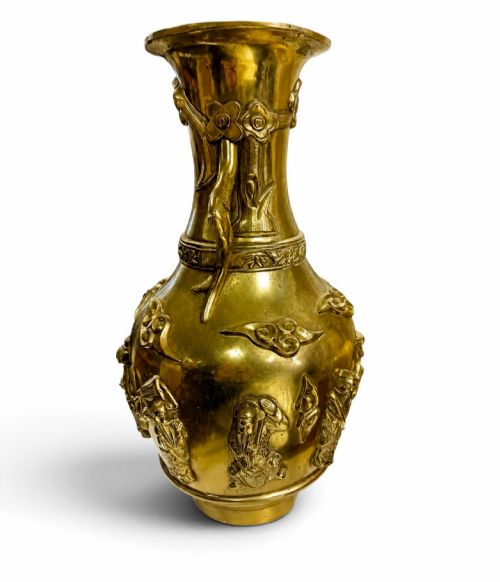
Casting precision and metal weight separate exceptional scholarship items from standard decorative wares, with superior pieces showing crisp relief work in motifs like the three friends of winter or Daoist immortals. The resonance of the metal and the subtlety of the patination indicate the skill of the original foundry.
The integrity of applied details, such as inlaid elements, tight-fitting covers, and authentic reign or studio marks, distinguishes masterworks from ordinary production. Original components like jade finials and custom carved wooden stands add considerable distinction.
KANASAWA·Wu Bangzuo
The Asian Bronze Vessel Glossary
- Censer
- A vessel designed for burning incense during ritual or scholarly pursuits. These often stand upon three legs and feature pierced lids.
- Archaistic
- A design style that deliberately emulates the ritual bronzes of ancient dynasties. This aesthetic favours motifs such as taotie masks and archaic script.
- Cloisonné
- An enamelwork technique where metal wires form raised barriers on the bronze surface to contain coloured pastes. These compartments are subsequently fired and polished flat.
- Champlevé
- A method of enamelling where troughs or cells are hollowed directly into the bronze body to hold vitreous enamel before firing.
- Patination
- The chemical or natural alteration of the bronze surface over time. This process produces deep brown, black, or greenish tones that protect and define the metal.
Asian Bronze Vessel: Frequently Asked Questions
What is an archaic bronze vessel?
An archaic piece references the ritual forms and decorative motifs of ancient Chinese dynasties, such as the Shang and Ming periods. These items were originally created for ceremonial or ancestral rites.
In later centuries, craftsmen revived these ancient aesthetic codes for the scholar's desk, incorporating traditional shapes like the ding tripod and taotie masks.
How were incense burners used?
Incense burners served as functional ritual objects in temples, domestic altars, and scholarly studies. Fragrant resins or woods were placed inside and smouldered to perfume the air and aid meditation.
Lidded versions allowed smoke to rise gently through pierced covers, often shaped as qilin or lotus flowers, whilst heavier pieces retained heat during long periods of use.
How do I distinguish Chinese from Japanese bronze?
Chinese bronze pieces from this selection frequently draw on archaic forms, featuring deep relief motifs like Daoist immortals, dragon handles, and Xuande or Wu Bangzuo marks. Their surfaces often display rich patination or cloisonné enamel.
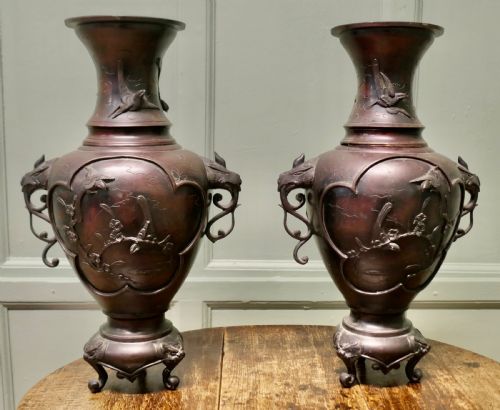
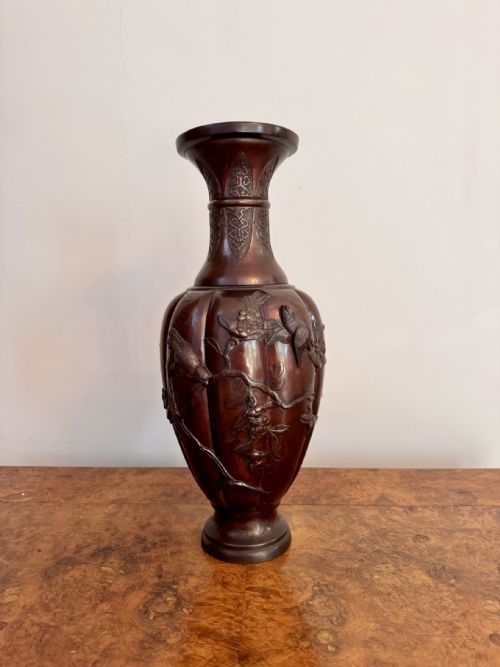
Japanese Meiji period bronzes tend to focus on naturalistic decoration, such as birds, blossom, and intricate metal inlays. Their forms lean towards refined baluster vases, jardinieres, and lidded urns.
What are scholar's censers?
Scholar's censers are smaller, highly tactile bronze vessels created for the private desks of literati and officials. These pieces were handled frequently during quiet contemplation and writing.
They are characterised by dense, heavy casting, subtle patination, and discreet studio marks that reflect the refined tastes of the owner.