
Asian Bronze Burner
When you search for an asian bronze burner, you are exploring vessels cast for ritual, scholar's studio, and ornamental use.
Asian Bronze Burner
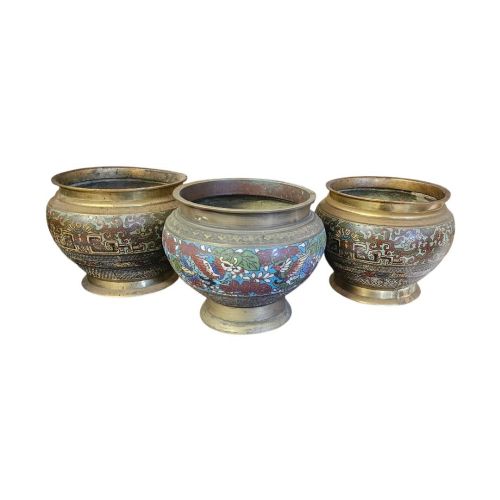
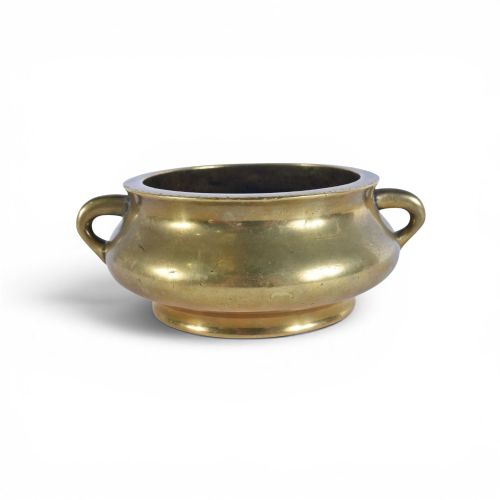
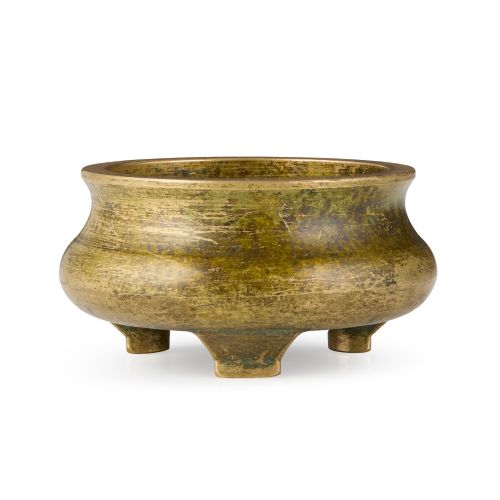
An asian bronze burner encompasses vessel forms designed to hold burning aromatic materials, ranging from scholar's censers to large lidded temple pieces. The selection on this page leans heavily toward Chinese Ming and Qing dynasty works alongside Japanese Meiji period examples.
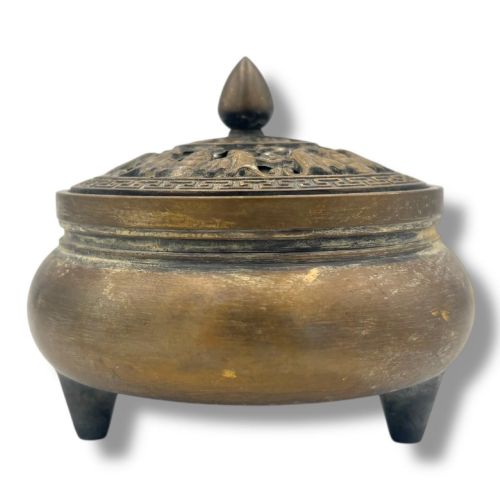
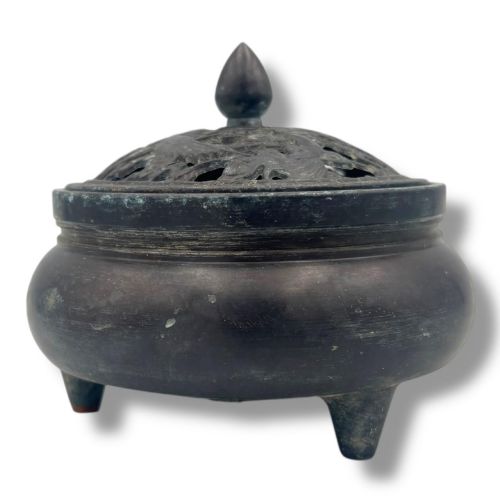
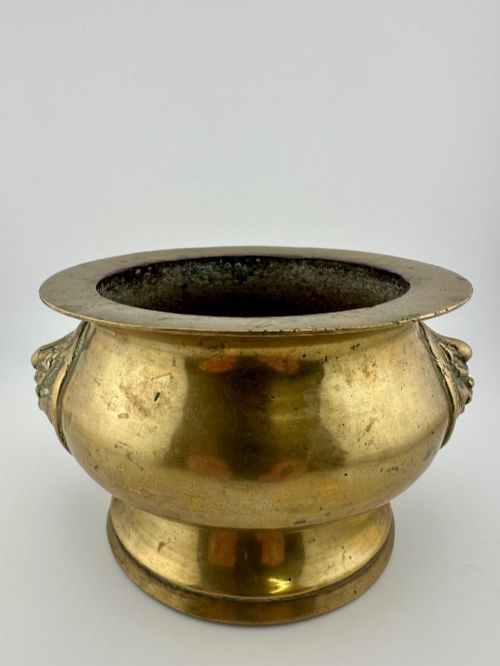
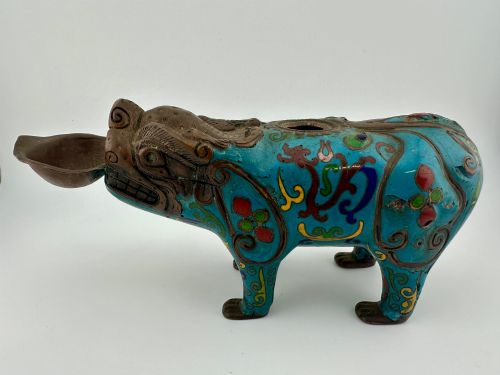
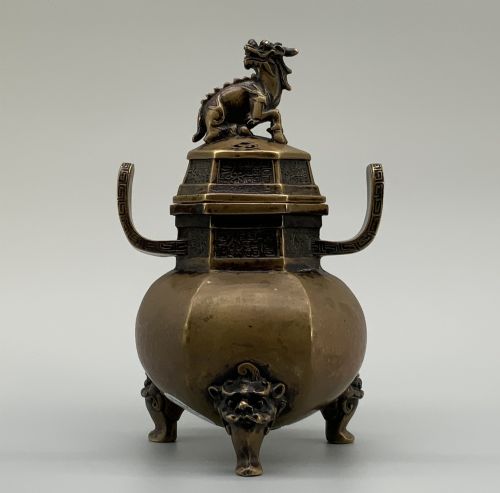
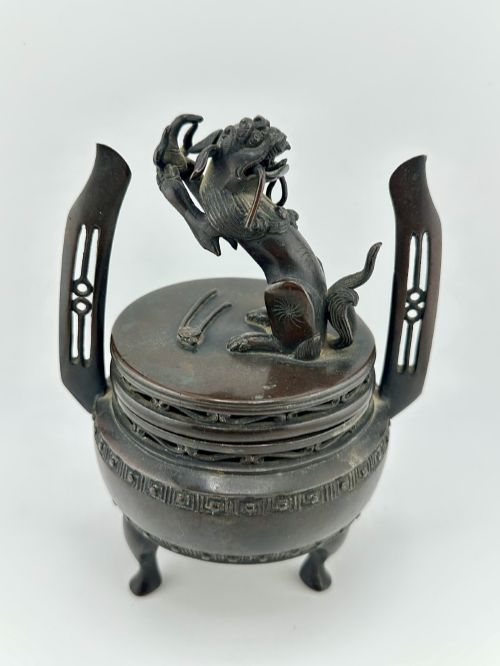
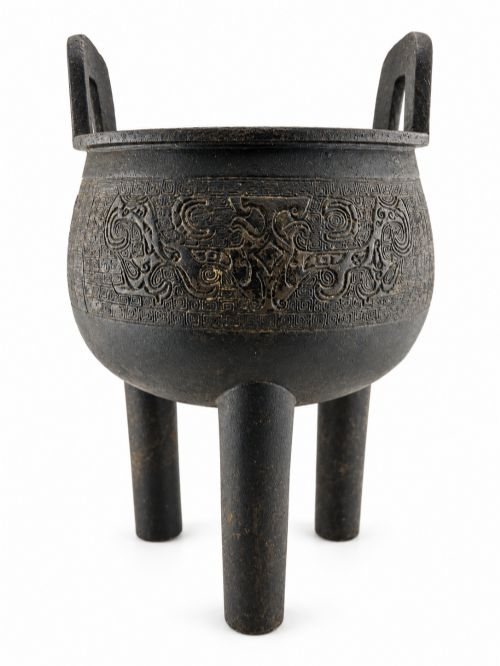
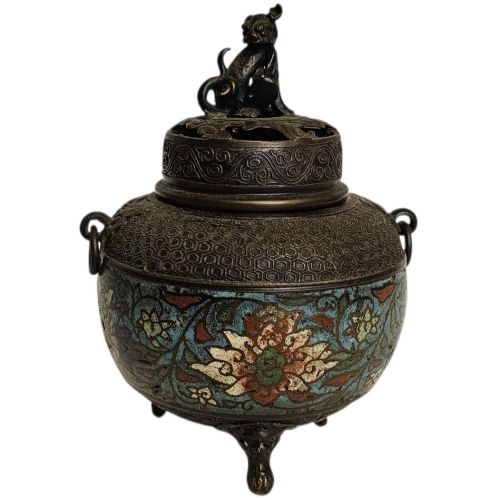
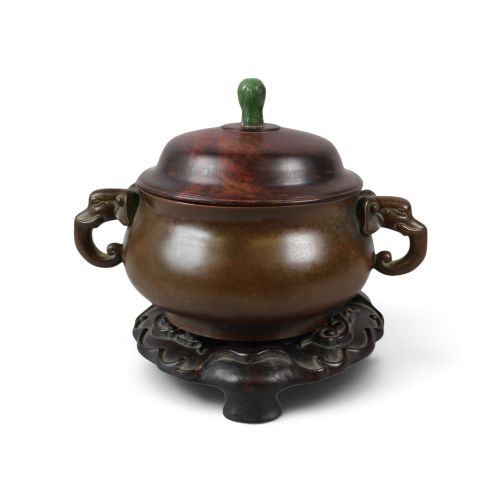
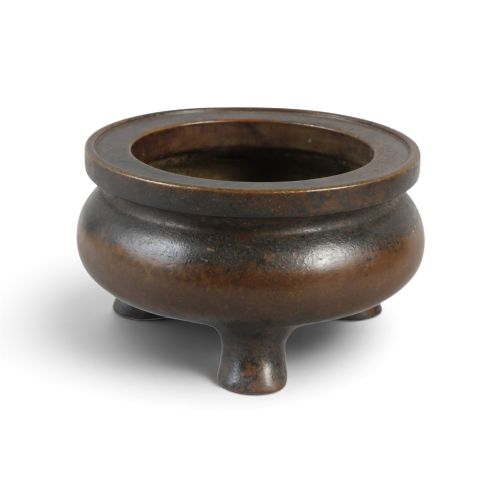
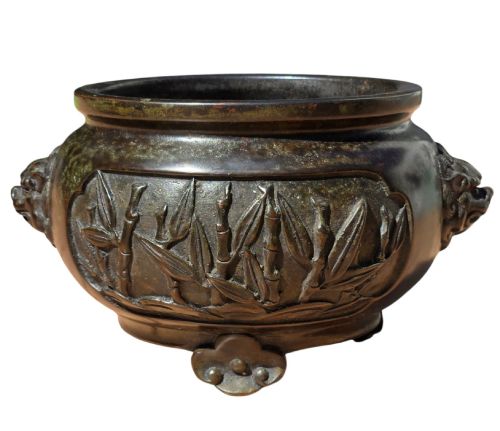
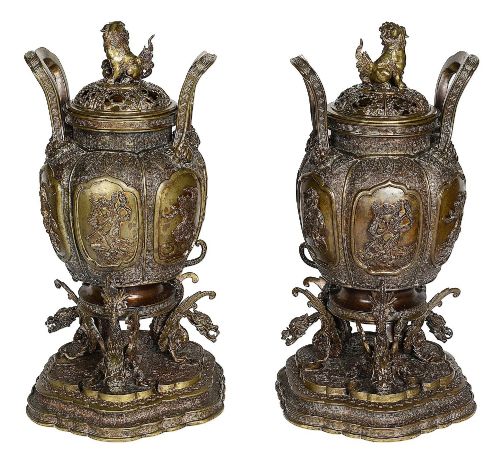
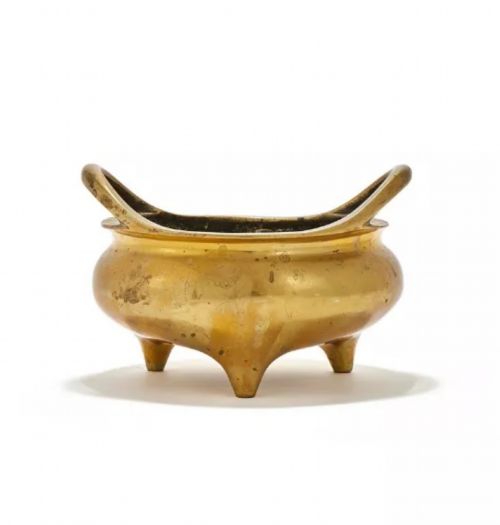
Forms span tripod vessels with monster-mask handles, lobed lotus bowls, boat-shaped burners, and decorative jars with intricate pierced lids. Many pieces retain specific apocryphal or period marks linked to historical emperors or notable workshops.
Originating primarily from East Asian metalworking traditions, these objects double as sculptural works of art defined by patination, relief decoration, and cast figural finials.
How they were made
Makers utilised lost-wax casting techniques to achieve substantial weight, crisp relief decoration, and complex vessel geometries like tripod legs and animal-head handles. Bronze and brass alloys dominate, often enriched with applied patination, gold leaf, or splash gilding.
Surface ornamentation frequently incorporates cloisonné and champlevé enamel work, where vitreous pastes are fused within wire cells or recessed channels. Pierced lids and applied bronze elements such as qilin, dragon, or fu lion finials demonstrate multi-part assembly methods.
Keep an eye out for incense burners shaped like miniature boats or carrying a crescent moon.
What varies in quality
Quality rests upon the crispness of the casting detail, the weight of the metal relative to size, and the subtlety of the chemical or applied patina. Superior examples display sharply rendered taotie masks, clean relief panels, and balanced proportions without clumsy repairs.
The sophistication of secondary materials, such as integrated silver highlights, jade finials, and custom hardwood stands, distinguishes high-status scholar's items from standard decorative wares.
Wu Bangzuo·Kizan
The Asian Bronze Burner Glossary
- Censer
- A vessel designed for burning incense. These often feature pierced covers to allow fragrant smoke to escape.
- Archaistic
- A style that consciously emulates ancient ritual bronzes from earlier dynasties. This aesthetic values archaic motifs like taotie masks and geometric panels.
- Cloisonne
- An enamelling technique where metal strips are soldered to a bronze body to create cells filled with enamel paste. These pieces are subsequently fired and polished smooth.
- Koro
- A Japanese term for an incense burner, typically featuring a lid and supported by feet or a flat base. They appear in bronze, ceramic, and mixed metals during the Meiji period.
Asian Bronze Burner: Frequently Asked Questions
What is an asian bronze burner used for?
These vessels were primarily made to burn incense resins, powders, or woods during religious ceremonies, meditation, or scholarly contemplation. In traditional settings, they occupied altars or scholar's desks to purify the air and aid concentration.
Today, they function mainly as decorative art objects or focal points in interior displays. Collectors appreciate their sculptural forms and historical patination rather than utilising them for active burning.
How do I date an antique bronze censer?
Dating relies on examining the casting style, alloy composition, surface patination, and any reign or studio marks stamped on the base. Archaistic motifs and heavy, dense metal often point towards Ming or early Qing periods, while finer cloisonne details frequently align with later centuries.
Compare the construction methods and decorative reliefs against known period examples to establish a reliable timeframe. Marks should be treated as stylistic indicators rather than definitive proof of age, as later makers frequently paid homage to earlier reigns.
What are the common animal motifs found on lids?
Fins and lids frequently feature mythological creatures including qilin, dragons, fu lions, and mythical beasts. These animals carry symbolic meanings of protection, prosperity, and spiritual guardianship in East Asian cultures.
Elephants, goats, and birds also appear as handles or finials, reflecting specific aesthetic choices and auspicious symbolism tied to the maker's era.
How should I clean a bronze censer?
Maintenance requires minimal intervention to preserve the original antique patina and surface chemistry. Dust gently with a soft, dry brush and avoid harsh chemical cleaners, polishes, or abrasive cloths.
Introducing moisture or commercial metal polishes can strip away centuries of oxidation and permanently damage the finish. Store the piece in a stable environment away from excessive humidity.