


Asian Art Bronze
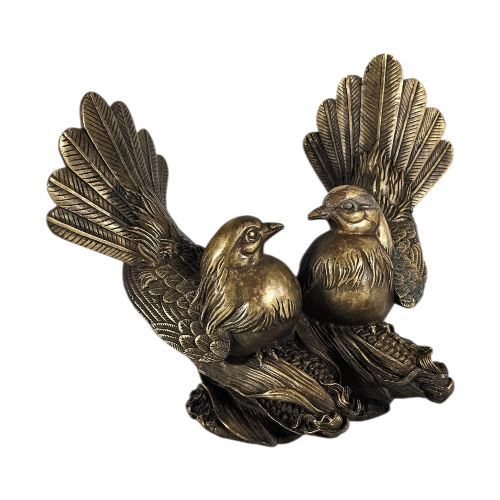
These asian art bronze pieces span centuries of foundry work, bringing ritual vessels and figurative sculpture into domestic interiors.
Asian Art Bronze
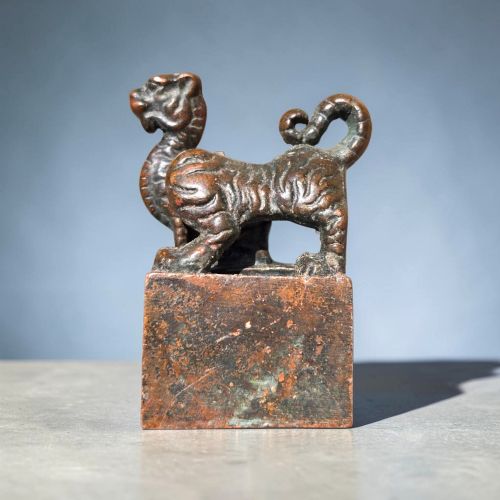
When you search for asian art bronze, you encounter objects ranging from ritual vessels to figures of deities and animals. These works cross multiple regions, including China, Japan, Tibet, and Southeast Asia.
The pieces appearing on this page most frequently date from the nineteenth century, particularly the Meiji period in Japan and the late Qing dynasty in China. You also meet earlier examples, such as Ming dynasty scholar's items and Ayutthaya period figures.
Forms include vases, censers, decorative chargers, statues, and scholar's objects. They utilise metals and alloys shaped for both religious practice and secular display.
Materials and Technique
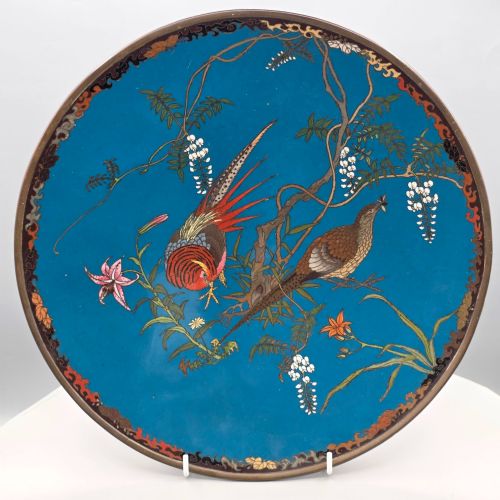
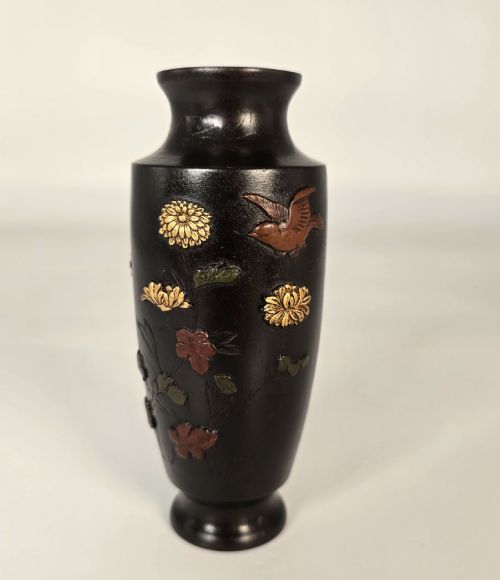
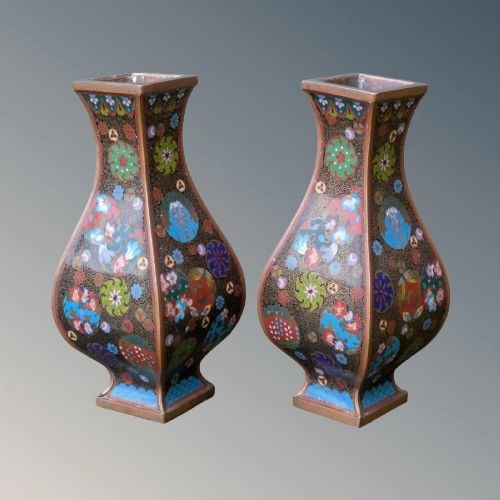
Foundries utilised bronze, copper, copper alloy, and brass, often combining metals to achieve mixed-metal effects. Gilt bronze and surface enamelling appear frequently, particularly on cloisonne vessels and chargers.
Casting methods produced solid figures and hollow ritual vessels, finished with patination, pigment, or applied gold leaf. Wood mounts and components also accompany certain bronze sculptures and scholar's objects.
Water buffalo carry scholars across dynasties, proving that even bronze intellectuals occasionally needed a dependable beast of burden.
Standards of Execution
The distinction between standard production and superior work lies in the crispness of the chasing, the depth of the patination, and the complexity of the alloy composition. Masterpieces display deliberate control over mixed metals and secure enamel application.
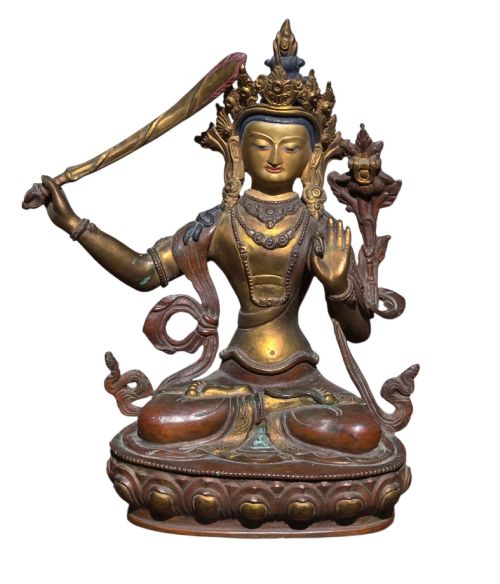
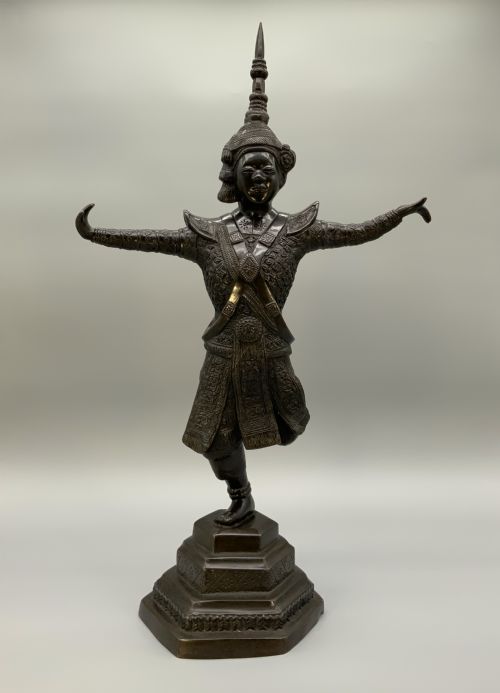
Proportion and stance separate ordinary decorative items from accomplished figurative sculpture, such as seated Buddhas and court dancer statues. Surface preservation and the integrity of original gilding or pigment further define the standing of each piece.
The Asian Art Bronze Glossary
- Patination
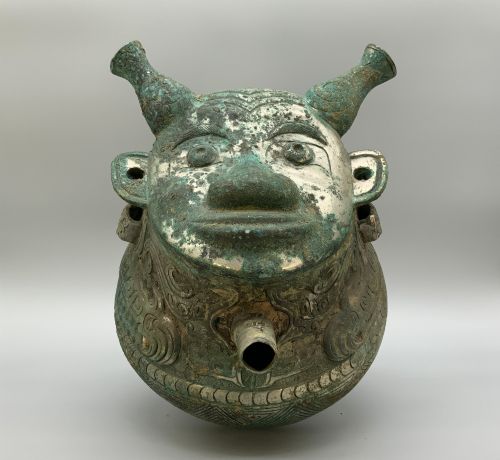
- The surface coloration and texture developed naturally over time or applied chemically by the foundry. This finish protects the metal and defines the visual depth of the object.
- Cloisonne
- A technique where enamel paste is applied within compartments created by soldered wire on a metal base. It is seen extensively on Japanese chargers and vases.
- Jue
- A type of ancient Chinese ritual tripod wine vessel. These forms follow archaic models revived in later centuries.
- Bodhisattva
- An enlightened being destined for Buddhahood who delays entry to Nirvana to help others. These figures are common subjects in Sino-Tibetan and Buddhist sculpture.
- Mixed metal
- The Japanese practice of combining various metal alloys such as shakudo and shibuichi to create contrasting colours on a single surface.
Asian Art Bronze: Frequently Asked Questions
How do I date an asian art bronze?
Dating relies on stylistic markers, casting techniques, and recorded reign marks or period association. Examining the patination and alloy composition provides further context.
Historical periods such as the Meiji era or Qing dynasty carry distinct aesthetic conventions that help separate older work from later revivals.
What is the difference between Chinese and Japanese bronzes?
Chinese bronzes often reference ancient ritual forms, such as wine vessels and archaic shapes, or depict scholar's objects with symbolic motifs. Japanese bronzes from the nineteenth century frequently focus on naturalistic animals, complex flora, and mixed-metal decoration.
Techniques also differ, with Japanese metalworkers excelling in intricate patination and inlay during the Meiji period.
How were ritual vessels used?
Vessels such as jue and wine jars held offerings during ancestral rites and religious ceremonies. They formed part of formal ritual altars in dynastic courts and temples.
Over time, many of these shapes became decorative collector's items prized by scholars and antiquaries.
How do I care for bronze and enamel pieces?
Keep metal and enamel objects away from direct sunlight and high humidity to preserve the surface patination and enamel stability. Dust gently with a dry, soft cloth.
Avoid commercial polishes and abrasive cleaners, as these strip away original patinas and damage delicate enamel wires.