
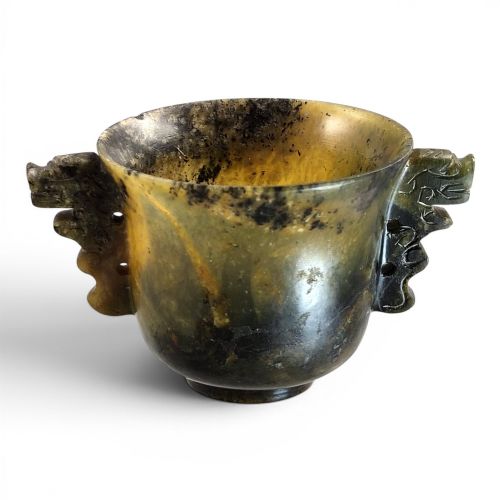


Green Bronze Vessel
A green bronze vessel brings centuries of ritual metalwork and patinated history directly into a room.
Materials and construction methods
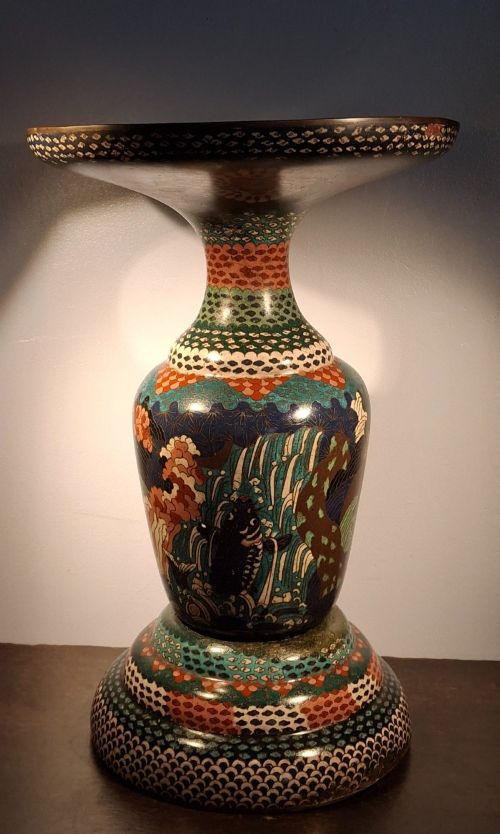
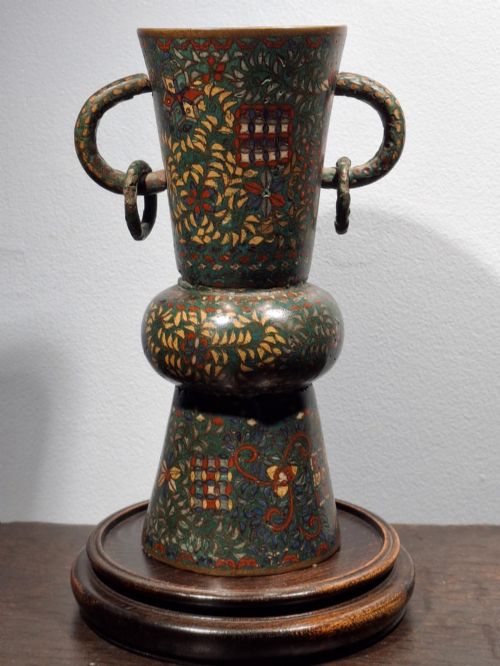
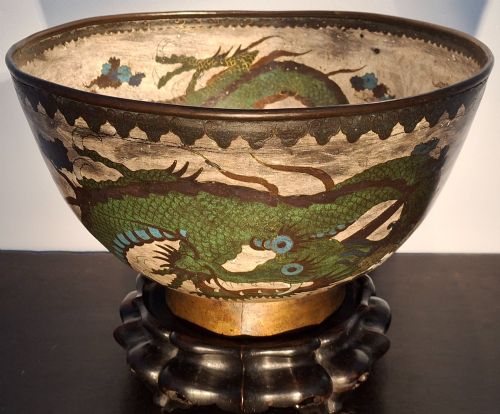
Makers utilised cast bronze as the primary medium, frequently developing natural or intentional patination that yields rich green surface tones over time. Accompanying materials like jade, cloisonné enamel, and gilt bronze provide structural contrast and intricate surface decoration.
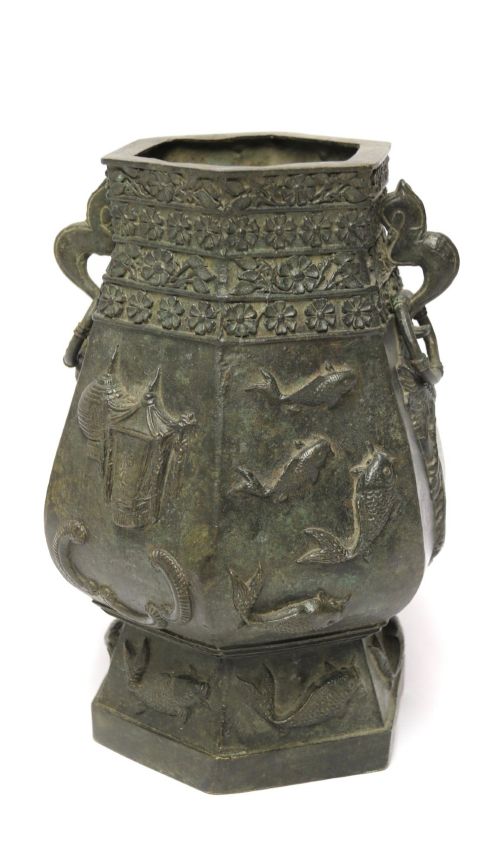
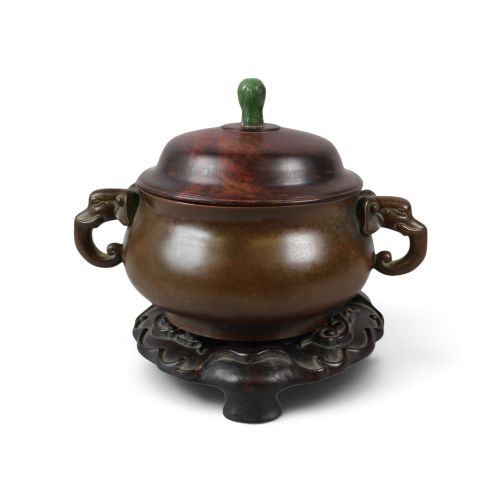
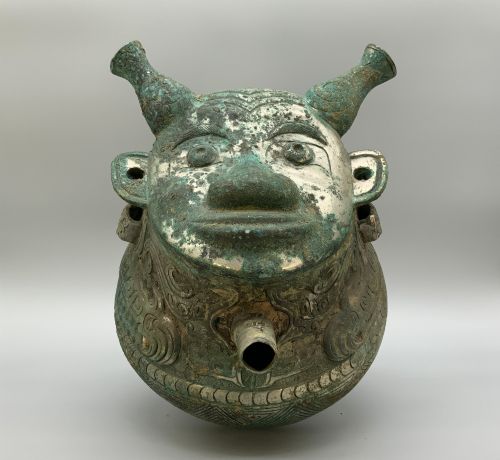
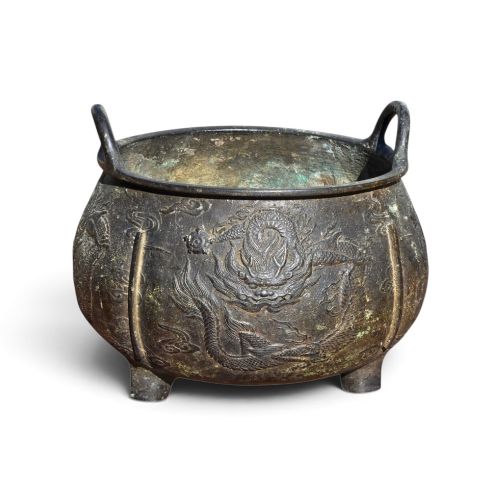
Many historical examples rely on traditional lost-wax casting techniques to achieve complex shapes such as tripod legs, animal handles, and ritual spouts. Secondary elements often involve hand-carved hardwood stands and fitted fabric components.
Quality differences in metalwork
The standard of a green bronze vessel rests on the precision of the casting and the depth of the patination. Crisp details on animal masks and handling elements distinguish finer historical examples from simpler decorative productions.
The integrity of secondary materials, such as integrated jade finials, champlevé enamel work, and original hardwood stands, heavily influences the overall character. Superior items maintain balanced proportions and harmonious integration between the metal body and its decorative additions.
Listings feature pieces spanning from the 16th-century Ming Dynasty to the early 20th century, incorporating materials like jade, enamel, and hardwood.
Georges Van De Voorde
The Green Bronze Vessel Glossary
- Archaistic
- A style that deliberately copies or evokes ancient historical periods and earlier ritual forms. This aesthetic appears frequently in Chinese bronzes.
- Censer
- A vessel designed specifically for burning incense during rituals or for domestic fragrance. These often feature tripod bases and pierced lids.
- Patinated Bronze
- Metalwork treated with chemical or natural processes to produce a specific surface coloration, typically shades of green or brown. This finish protects the metal and adds visual depth.
- Cloisonné Enamel
- A technique where enamel paste is applied within compartments created by soldered metal wires on a bronze base. Firing fuses the vitreous paste to the metal surface.
- Tripod
- A vessel supported by three legs, common in ancient and historical ritual vessels. This construction provides stability on uneven surfaces.
Green Bronze Vessel: Frequently Asked Questions
What is a green bronze vessel used for?
Historical examples served ritual functions such as holding wine or burning incense in temples and homes. Later nineteenth and twentieth-century versions were created primarily as decorative urns, garden vases, or converted table lamps.
Today, buyers place them on tables, desks, or pedestals as sculptural focal points. Their rich patinated surfaces bring texture and historical weight to interior spaces.
How do I identify the age of these vessels?
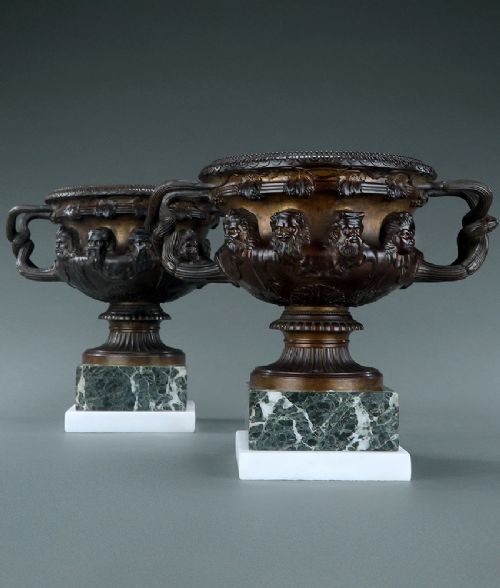
Dating relies on stylistic clues, manufacturing techniques, and material combinations recorded in the piece descriptions. Pieces referencing specific dynasties, Victorian Grand Tour contexts, or early twentieth-century design movements offer clear chronological markers.
Examining the base, casting seams, and the nature of the green patina also helps distinguish sixteenth-century Ming works from nineteenth-century revivals.
How should I clean green bronze?
Care requires gentle dusting with a soft, dry cloth to preserve the stable historical patina. Harsh chemical cleaners or abrasive polishes strip away the aged surface tones that define the character of the metal.
Professional conservation advice should be sought if structural intervention or deep cleaning becomes necessary.