




Antique Bronze Wine Vessel
An antique bronze wine vessel brings centuries of ritual history and classical mythology straight to the modern interior.
Antique Bronze Wine Vessel
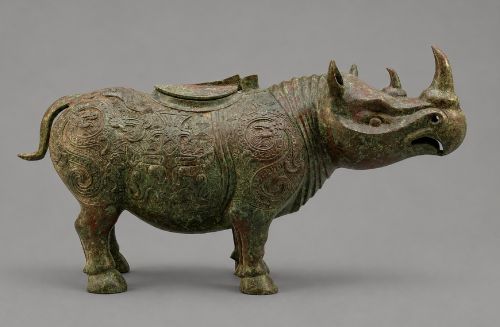
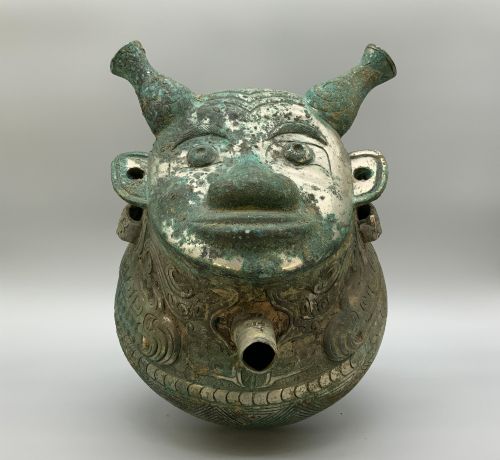
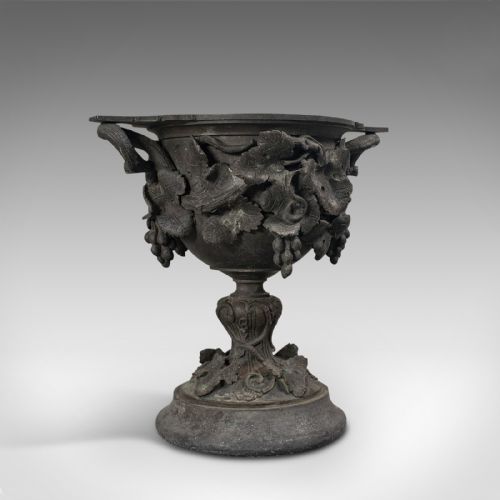
When searching for an antique bronze wine vessel, buyers encounter an intriguing mix of ancient Chinese ritual forms and European classical revivals. These vessels range from archaic-style rhinoceros ewers and tripod jue cups to Grand Tour pieces adorned with figures of Bacchus and Dionysus.
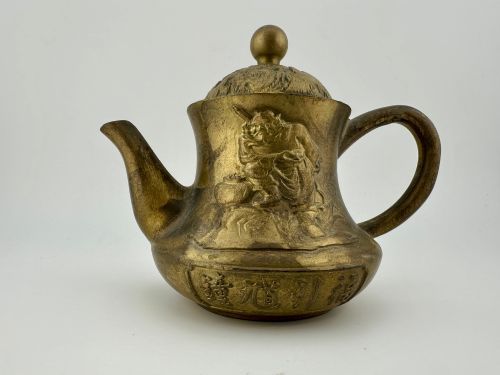
The pieces appearing on this page bridge domestic serving ware and ceremonial objects. Forms include handled ewers, ritual vessels, tripods, and classical jugs shaped by centuries of stylistic influence from the Qing Dynasty to Victorian revivalism.
How they were made
Construction relies heavily on cast bronze, brass, and copper alloy, frequently enhanced with verdigris patina or applied gilt bronze. Makers utilised traditional casting methods to achieve the dense weight and structural integrity required for these metal vessels.
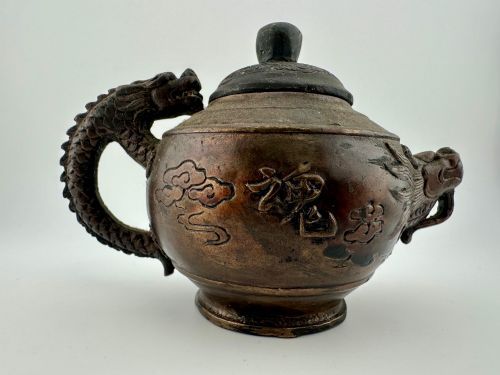
Surface decoration often incorporates intricate cloisonne enamel work alongside hand-chased details. Handles and spouts are frequently cast as distinct figural elements, depicting mythological figures, dragons, and dolphins joined to the main body.
Antique Bronze Wine Vessel Retail Price Guide 2026
Typical asking prices for bronze wine vessel among the pieces listed under this phrase on Sellingantiques today, from the lower quarter to the upper quarter. They describe what is for sale here now, not the wider market.
Listings span multiple eras from the eighteenth century through the Edwardian period, combining Asian ritual bronzes with European Neoclassical revival designs.
What varies in quality
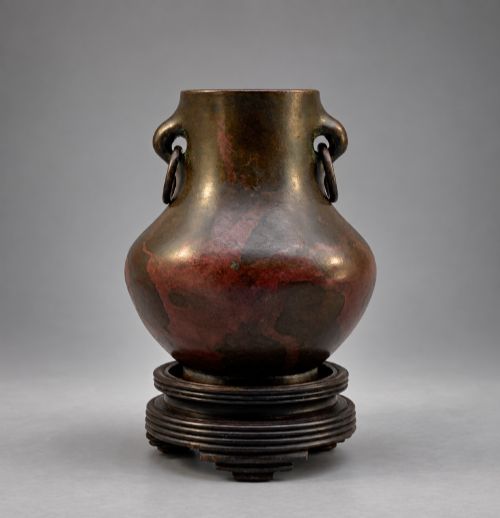
Material composition and surface finish distinguish the finer items in this selection. Natural verdigris and patinated bronze surfaces that show harmonious ageing elevate a vessel above simpler cast brass alternatives.
The Antique Bronze Wine Vessel Glossary
- Jue
- A traditional Chinese three-legged ritual wine vessel featuring an outward-flaring mouth and side posts. This form dates back to ancient dynasties but appears in later archaistic revivals.
- Gu
- A tall, slender ancient Chinese ritual beaker or vase with an expanded trumpet-shaped mouth and base. These ceremonial vessels were adapted for decorative display in later periods.
- Patina
- The chemical layer or coloration developed on the surface of bronze through age or deliberate treatment. A heavy verdigris patina indicates oxidation and long-term environmental exposure.
- Cloisonne
- An enamelwork technique where thin metal wires are soldered to a bronze base to create compartments filled with coloured paste. These are subsequently fired and polished smooth.
- Grand Tour
- A cultural journey undertaken by wealthy Europeans during the eighteenth and nineteenth centuries to collect classical antiquities and revival souvenirs such as Bacchic ewers.
Antique Bronze Wine Vessel: Frequently Asked Questions
What is an antique bronze wine vessel used for?
These pieces served both practical serving functions and ancient ritual ceremonies, depending on their cultural origin. Chinese forms often held wine for ancestral rites, while European revival examples drew inspiration from classical drinking customs.
Today, collectors utilise these vessels primarily as decorative objects, mantel centrepieces, or sculptural focal points within a room.
How do I tell Chinese archaic style from European classical revival?
Chinese archaic style vessels display ritual forms such as tripod legs, taotie masks, or dragon motifs referencing Shang and Qing Dynasty designs. They often incorporate specific seal marks or bronze patination typical of Eastern casting.
European classical revival pieces focus on Western mythology, featuring figures like Bacchus or Dionysus and motifs derived from Grand Tour discoveries.
Are these bronze vessels watertight?
Many ritual and decorative vessels were cast for ceremonial or display purposes rather than practical liquid containment. Interior casting seams or ancient construction methods mean not all pieces hold water safely.
Buyers wishing to use them for fresh flowers should inspect the interior carefully or place a discreet glass liner inside the vessel.
How should I clean my bronze wine vessel?
Bronze requires minimal intervention to preserve its historical surface and stable patination. Dusting with a soft, dry cloth is sufficient for routine maintenance.
Harsh metal polishes, chemical cleaners, and abrasive materials must be avoided entirely, as they strip away the authentic verdigris and aged finishes that define the character of the metal.