





Asian Art Bronze Vessel
An asian art bronze vessel brings tangible weight and historic form into a room, spanning archaic Chinese shapes and intricate Japanese Meiji period casting.
Asian Art Bronze Vessel
An asian art bronze vessel encompasses ritual wine vessels, tripod tripod ewers, ritual bowls, censers, jardiniere planters, and vases originating from China and Japan. Buyers exploring this category encounter items rooted in ancient bronze casting traditions as well as decorative objects from later imperial and Meiji periods.
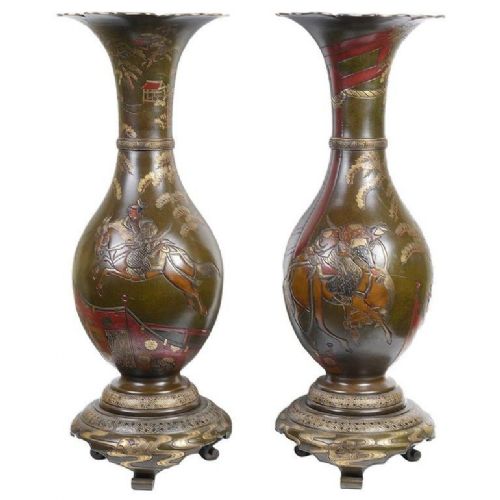
The pieces listed on this page run from archaic Chinese ritual wine vessels styled after the Shang dynasty up to Japanese bronze vases and censers from the Meiji and Edo periods. Forms include both functional ritual shapes like the he and jue alongside large decorative jardinieres and cloisonne embellished vessels.
Originating across distinct centuries from the eighteenth through the early twentieth, these works demonstrate the enduring appeal of cast metalwork in Asian decorative arts. Collectors select them for their sculptural presence, patination, and connection to historic metalworking traditions.
How they were made
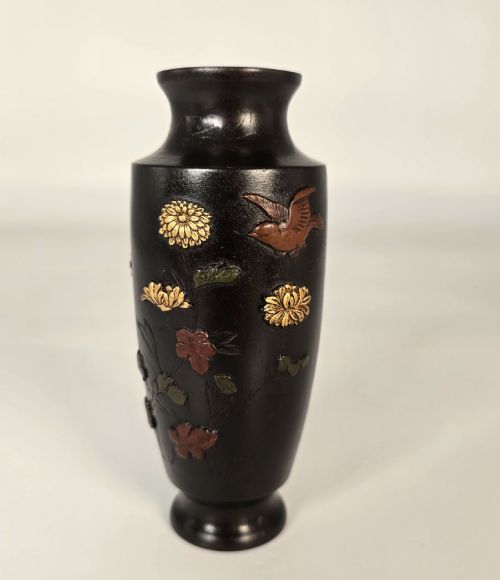
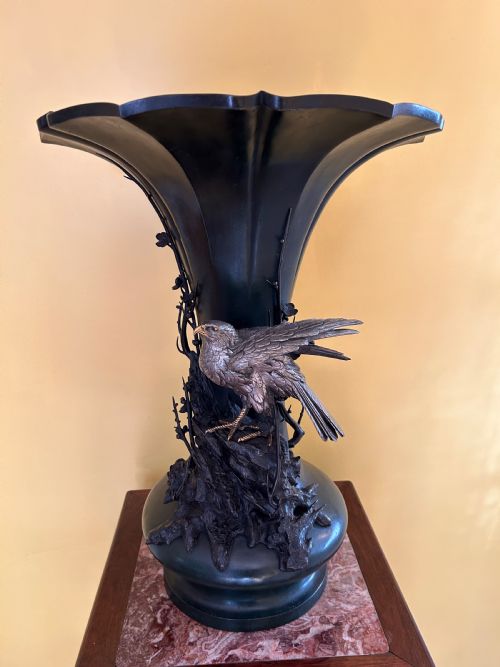
Makers utilised bronze, copper, and mixed metal alloys cast using traditional methods, often incorporating surface decoration such as gold inlay, enamel, and verdigris patina. These techniques allowed artisans to achieve both smooth sculptural contours and textured, patinated surfaces.
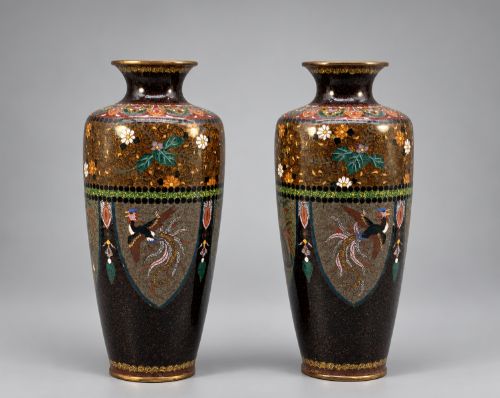
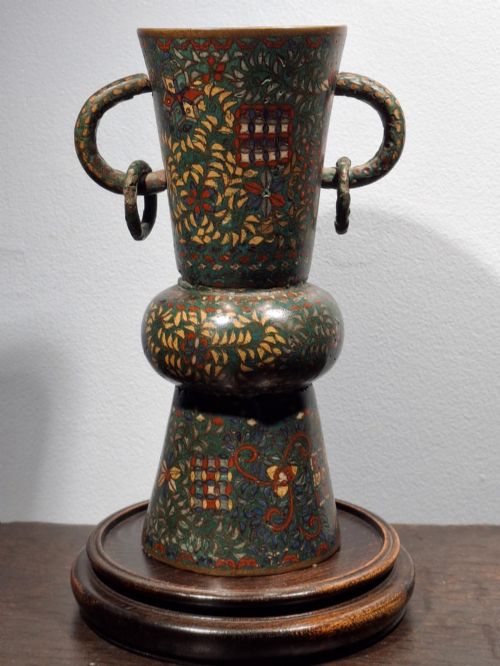
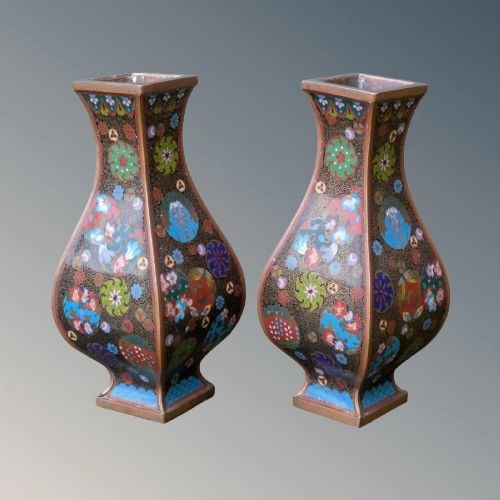
Cloisonne enamel work appears alongside mixed metal elements, fusing glass pastes within wire compartments on metal bodies to add colour and pattern to vessels. Skilled finishing involved patination processes that created deep, aged tones on the bronze and copper surfaces.
Asian Art Bronze Vessel Retail Price Guide 2026
Typical asking prices for asian art bronze vessel among the pieces listed under this phrase on Sellingantiques today, from the lower quarter to the upper quarter. They describe what is for sale here now, not the wider market.
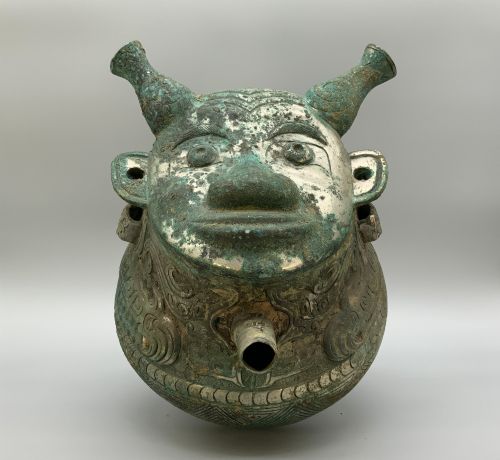
Some bronze wine vessels even sport human faces, proving that ancient artisans enjoyed putting a personality in the punch bowl.
What varies in quality
Quality rests in the crispness of the casting and the deliberate application of surface details like gold inlay, mixed metal elements, and controlled patination. Superior examples display harmonious proportions and confident handling of traditional forms, whether referencing archaic ritual bronzes or Meiji period aesthetics.
The integration of decorative techniques such as cloisonne enamel or mixed metal work distinguishes finer pieces from simpler production. Surface finishes that show depth and stability in the bronze rather than flat, uniform painting indicate superior craftsmanship.
The Asian Art Bronze Vessel Glossary
- Cloisonne
- Enamel work created by soldering fine metal wires to a metal base to create compartments for coloured glass pastes. This technique produces vibrant surface patterns across vases and censers.
- Tripod
- A vessel or bowl supported by three feet, frequently seen in ancient ritual forms. This structural feature provides stability and elevates the body of the piece.
- Jardiniere
- A large decorative pot or bowl designed to hold plants or flowers. In Asian art bronze, these heavy vessels often feature substantial casting and patination.
- Patina
- The surface coloration and texture developed through age or chemical treatment on bronze and copper. A verdigris patina adds green tones resulting from oxidation.
- Meiji Period
- The era in Japanese history spanning from 1868 to 1912, known for significant output in decorative arts and metalworking. Vases and censers from this time display diverse mixed metal techniques.
Asian Art Bronze Vessel: Frequently Asked Questions
How do I care for bronze vessels?
Keep bronze vessels in stable indoor environments away from excessive moisture and direct sunlight. Dust gently with a dry, soft cloth without applying chemical polishes that might disturb the patina.
Allow the natural surface to age without aggressive cleaning. Handling them with clean hands prevents skin oils from marking the metal.
What is a ritual bronze vessel?
Ritual bronze vessels were created in ancient China for ceremonial offerings of food and wine to ancestors and spirits. Forms such as the he and jue served specific ceremonial functions.
Later makers revived these archaic shapes for their historic resonance and sculptural qualities. They reflect ancient Chinese metallurgical skill and design vocabulary.
How can I tell the period?
Dating relies on stylistic markers, casting techniques, and material combinations associated with specific eras like the Edo or Meiji periods. Reference to Shang dynasty styles often indicates later revivals rather than ancient pieces.
Examining the base, construction seams, and patination helps contextualise the manufacture date. Comparing pieces to documented examples confirms their chronological placement.
Where were these pieces made?
These items originated in workshops and foundries across China and Japan. Japanese makers produced extensive metalwork during the Meiji period for both domestic and export markets.
Chinese pieces range from imperial period works to later items styled after ancient dynasties. Each region developed distinct casting and finishing traditions.