





Inlaid Bronze Vase
These inlaid bronze vase examples bring together careful metalwork and historic form, offering tactile focal points for any room.
Inlaid Bronze Vase
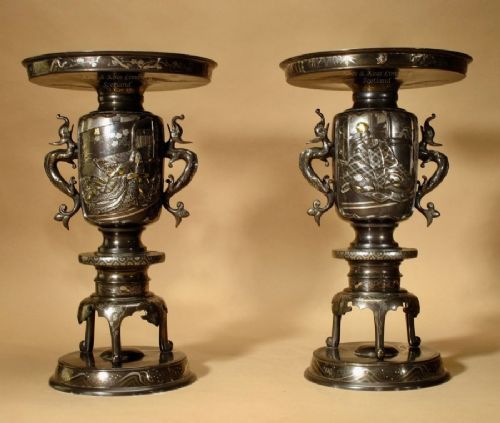
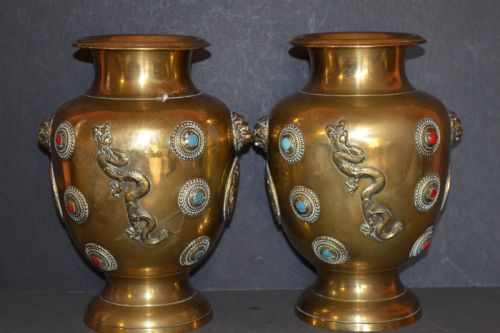
An inlaid bronze vase represents a fusion of traditional metalcasting and detailed surface ornamentation, frequently originating from the Meiji period or Tibetan and Himalayan workshops. Collectors searching this phrase encounter cylindrical vessels, brush pots, and bulbous forms designed to hold single stems or display intricate metalwork.
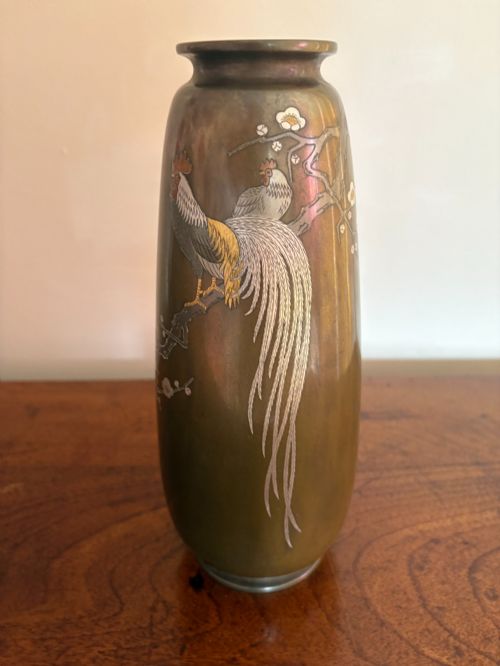
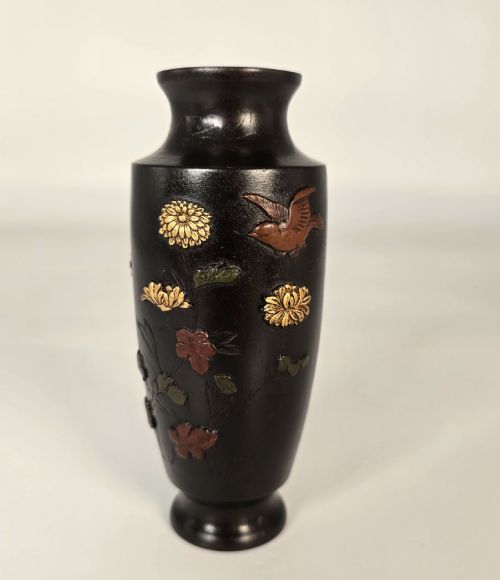
The pieces available span from the nineteenth century into the early twentieth century, with Japanese examples dominating the selection. These vessels frequently display mixed metal applications, incorporating silver and gold into the dark bronze body to depict landscapes, birds, or floral motifs.
Materials and construction methods
Makers utilised bronze as the primary casting material, often combining it with copper to achieve varied tonal grounds. Surface decoration relied on the precise inlay of silver and gold wires into chiselled grooves on the metal body.
Mixed metal techniques allowed artisans to weld or solder contrasting metals directly onto the bronze surface. This method created dimensional designs that caught the light differently depending on the viewing angle.
Inlaid Bronze Vase Retail Price Guide 2026
Typical asking prices for inlaid bronze vase among the pieces listed under this phrase on Sellingantiques today, from the lower quarter to the upper quarter. They describe what is for sale here now, not the wider market.
Listings feature items from the nineteenth century, 1900, 1910, and 1920, predominantly highlighting Japanese Meiji period craftsmanship alongside Tibetan and Himalayan examples.
Evaluating craftsmanship and detail
Quality rests in the precision of the metal inlay and the crispness of the cast bronze beneath. Superior pieces demonstrate tightly secured silver and gold wires that sit flush with the vessel wall, showing no gaps along the chiselled channels.
Artisanal signatures and signatures of known makers elevate the standing of a piece within the market. Weight and proportion also distinguish better examples, as heavier vessels indicate substantial metal thickness and careful balancing during the casting process.
KANASAWA·GENRYUSAI SEIYA·Inoue of Kyoto·NOGAWA·NAGOWA
The Inlaid Bronze Vase Glossary
- Meiji Period
- The era in Japanese history spanning from 1868 to 1912, known for a surge in sophisticated metalwork destined for export. Pieces from this time often exhibit elaborate mixed metal decoration.
- Mixed Metals
- The technique of combining bronze, copper, silver, and gold within a single decorative composition. This approach allowed makers to create contrasting colours across the surface of the vessel.
- Brush Pot
- A cylindrical vessel traditionally used in East Asian studies to hold writing brushes. These objects share manufacturing techniques and materials with standard vases.
- Spill Vase
- A small container designed to hold tapers used for lighting fires or candles. They appear in antique metalwork collections alongside larger decorative vases.
- Ikebana Vase
- A vessel specifically formed for traditional Japanese flower arrangements. These pieces often feature specific openings to support minimalist floral stems.
Inlaid Bronze Vase: Frequently Asked Questions
How do I clean an antique bronze vase?
Dust the surface gently with a soft, dry cloth to prevent accumulation in the inlaid recesses. Avoid using chemical polishes or water, which can damage the delicate silver and gold inlays.
Preserving the natural patina maintains the historical appearance of the metal. Store the vessel away from direct sunlight and excessive humidity to protect the mixed metal elements.
Are these vases marked by makers?
Many Japanese examples feature signature plaques or chiselled signatures on the base or body. These marks can indicate the workshop or individual artisan responsible for the metalwork.
Signatures often appear as inlaid characters or stamped seals. Translating these marks can reveal the specific period and region of production.
What is the difference between a brush pot and a vase?
Brush pots feature straight, wide cylindrical walls intended for holding writing implements rather than holding water for flowers. Vases typically taper at the neck or expand into bulbous bodies designed for display.
Both forms utilise similar bronze casting and metal inlay techniques. Collectors often display them interchangeably as decorative objects.
How can I tell a Meiji period piece apart?
Meiji period metalwork frequently displays high-relief mixed metal decoration involving silver, gold, and copper elements set into dark bronze. The imagery often includes traditional Japanese motifs such as Mount Fuji, cockerels, or floral sprays.
Dating relies on stylistic conventions and historical export trends from between 1868 and 1912. Comparing signature styles helps confirm the era of manufacture.