




Asian Plate
When you search for an asian antique plate, you encounter centuries of meticulous ceramic and metalwork traditions from Japan and China.
Asian Plate
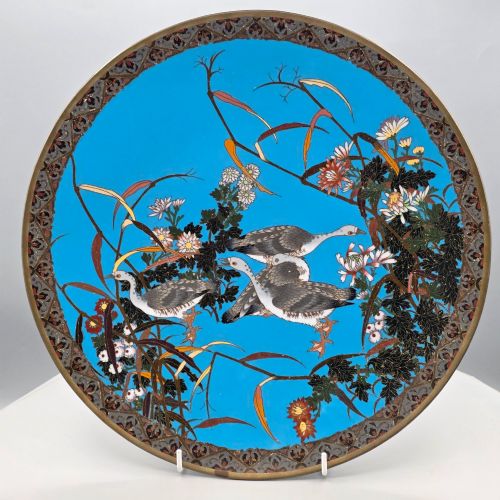
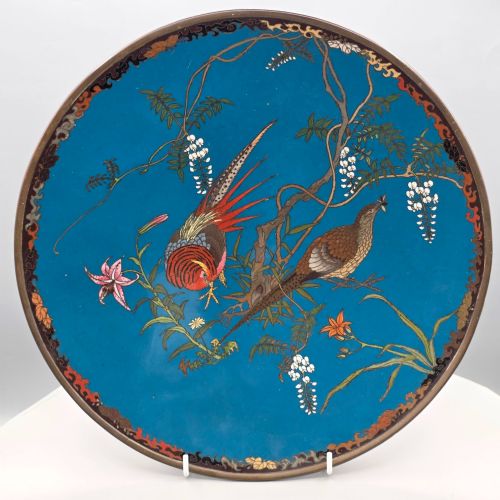
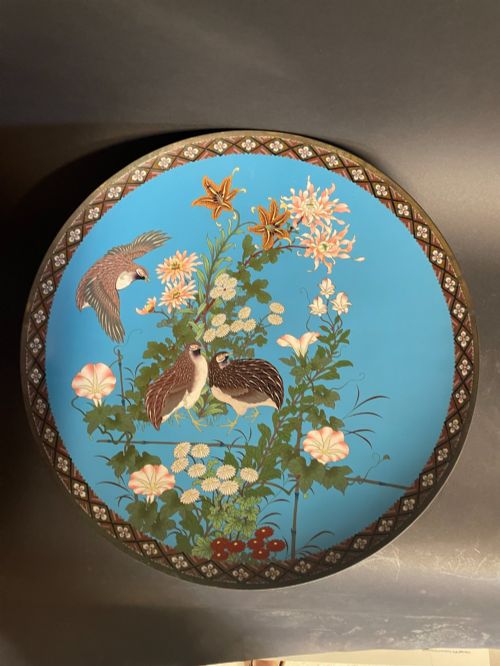
An asian antique plate encompasses a diverse range of decorative chargers, dishes, plaques, and platters originating from East Asia. When exploring this selection, buyers frequently encounter Japanese Imari porcelain alongside Meiji period cloisonne enamel chargers.
The objects span multiple periods, stretching from the eighteenth century through the nineteenth century and into the early twentieth century. These items were created primarily for display, serving as significant decorative focal points in interiors.
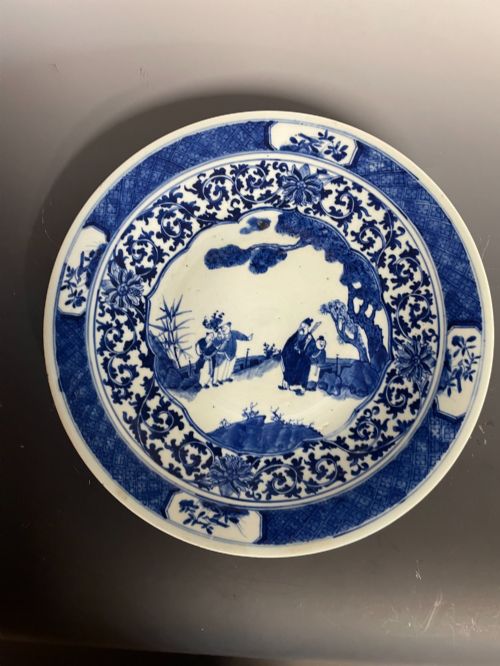
Chinese export porcelain and Japanese Kutani wares feature prominently among the available forms. Each piece reflects the specific aesthetic sensibilities and technical achievements of its respective period of origin.
Materials and construction methods
Porcelain serves as a primary medium, decorated with underglaze and overglaze pigments such as enamel and gilt. Makers shaped these ceramic bodies into scalloped edges, deep dishes, and wide chargers before firing.
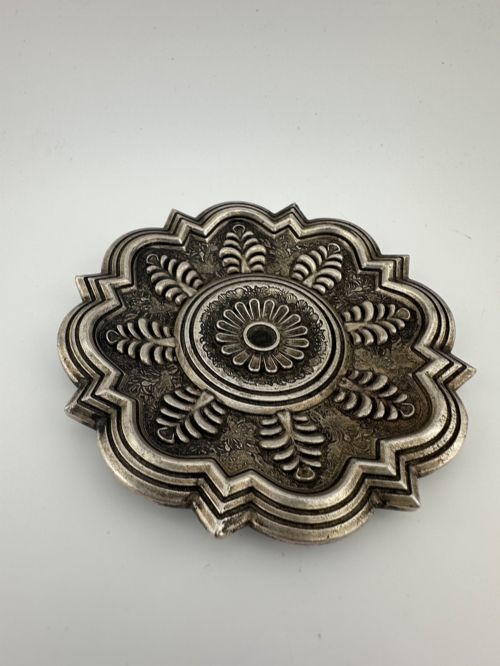
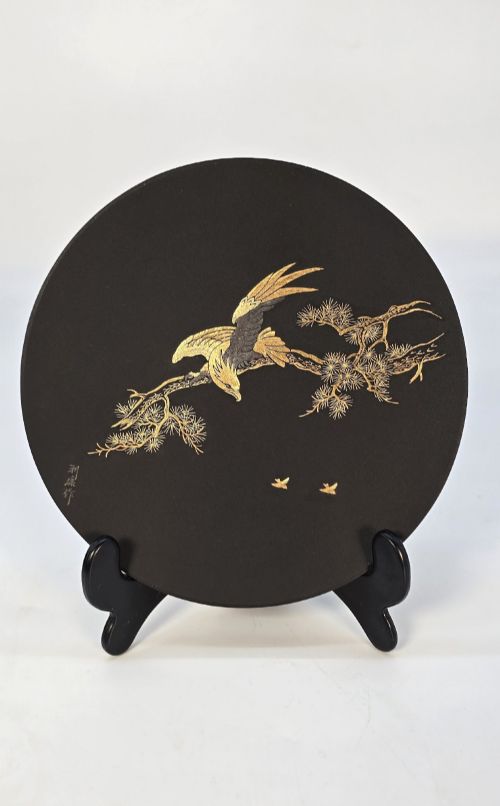
Metalwork pieces utilise copper, brass, and patinated iron as foundations for intricate cloisonne enamel, gold leaf, and silver inlay. Artisans soldered thin metal wires to form cells for coloured enamels, which were subsequently fired and polished to a smooth finish.
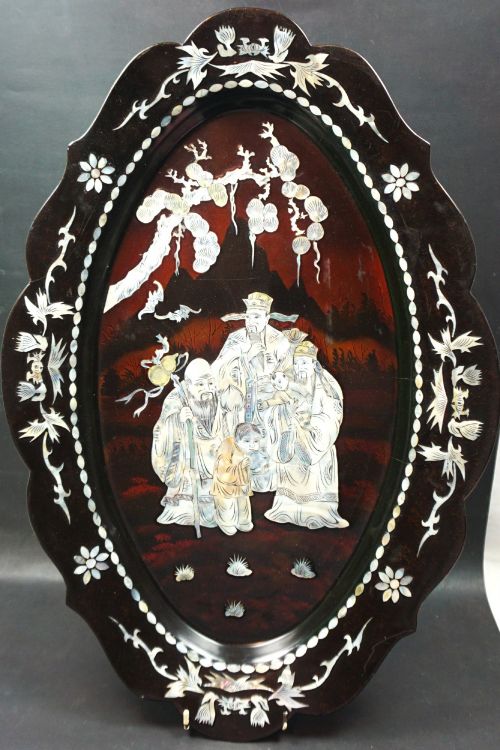
Materials documented across these listings include porcelain, copper, brass, enamel, copper, and lacquered wood.
Distinctions in craftsmanship
The standard of execution in hand-painted motifs and enamel work determines the refinement of a piece. Finer examples display precise brushwork, balanced composition, and intricate detailing in subjects such as birds, flora, and mythical creatures.
The complexity of the manufacturing technique influences the overall merit of the object. Heavier metal inlay, flawless enamel cell work, and well-balanced porcelain forms separate standard production items from superior works.
Koshida
The Asian Plate Glossary
- Cloisonne Enamel
- A metalwork technique where flat metal wires are soldered to a copper or brass base to create compartments filled with coloured paste and then fired. This method produces intricate pictorial designs across chargers and trays.
- Imari
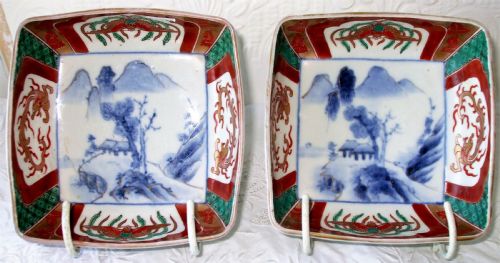
- A style of Japanese porcelain decorated in underglaze blue, iron red, and gold, originating from the town of Arita. These wares gained substantial popularity for export during the Edo period and subsequent eras.
- Kutani
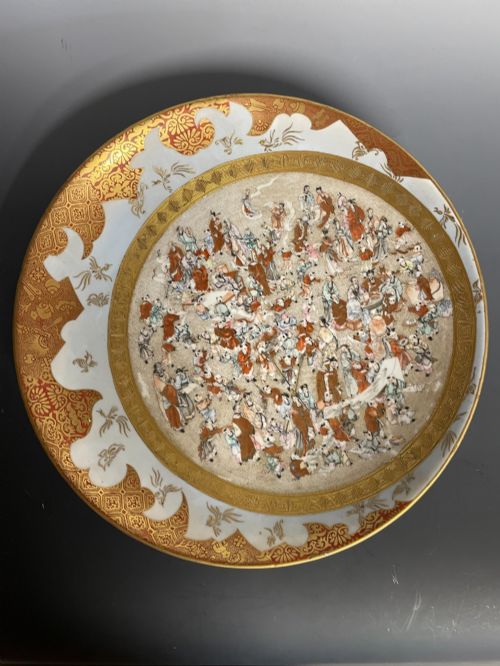
- Japanese coloured porcelain characterised by bold pictorial designs, often incorporating rich overglaze enamels and gilding. Kutani dishes frequently depict natural scenes involving birds, flowers, and figures.
- Famille Rose
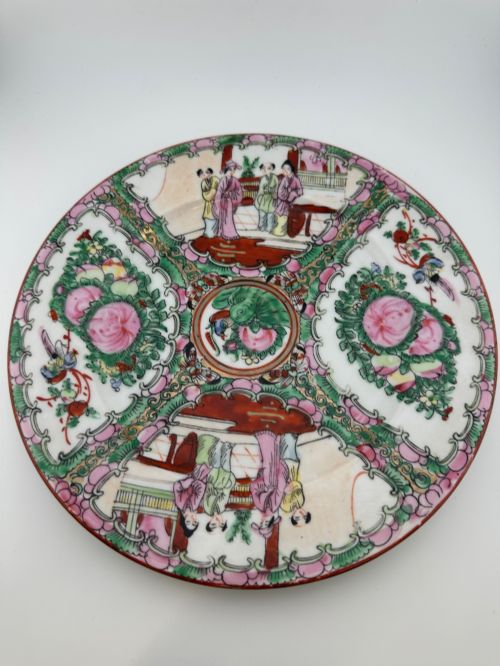
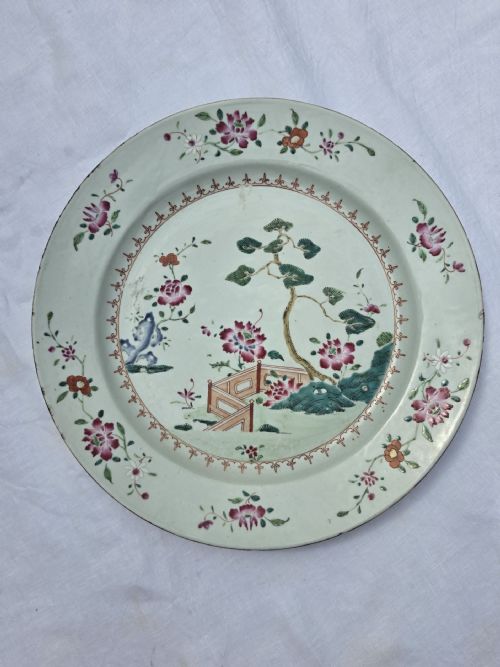
- A palette of Chinese porcelain enamels dominated by opaque pink or rose colours, introduced during the Qing dynasty. This style appears on export chargers and plates dating from the eighteenth century onwards.
Asian Plate: Frequently Asked Questions
How do I display a heavy charger?
Large chargers and heavy platters require sturdy wall mounted brackets designed specifically to support considerable weight without damaging the rim. Alternatively, seated metal display stands securely hold circular dishes on flat surfaces.
Ensure the mounting hardware engages securely with the wall studs if hanging metal or porcelain pieces. For tabletop presentation, select a stable easel that accommodates the depth and diameter of the specific dish.
What is the difference between Imari and Kutani?
Imari porcelain typically relies on a distinct palette of underglaze blue combined with iron red and gilt highlights, featuring dense geometric and floral patterns. Kutani wares often showcase more pictorial, painterly scenes dominated by greens, purples, and golds.
Both styles originated in Japan but developed separate aesthetic traditions and glazing techniques. Examining the primary colour combinations and brushwork reveals which tradition a specific plate follows.
How do I clean antique enamel safely?
Dust metal and cloisonne enamel surfaces gently with a soft, dry cloth to remove accumulated particles. Avoid chemical cleaners, abrasive cloths, and prolonged immersion in water.
Moisture can seep into hairline fractures in porcelain or corrode aged metal bases. Professional conservation methods should be consulted for pieces with active structural concerns.
How do I identify the Meiji period?
The Meiji period spans from eighteen sixty-eight to nineteen twelve, a time of significant artistic production and export in Japan. Items from this era frequently exhibit high technical mastery in cloisonne enamel, Kutani porcelain, and patinated ironwork.
Stylistic shifts during these decades moved towards intricate naturalism and elaborate decorative schemes. Many pieces from this time reflect the opening of Japanese trade markets to Western collectors.