
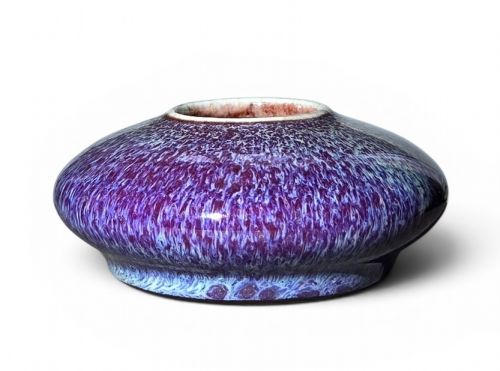


Imperial Chinese Porcelain
Imperial Chinese porcelain represents the peak of imperial patronage, offering collectors precise historical forms made for the court.
Imperial Chinese Porcelain
When searching for imperial chinese porcelain, buyers encounter vessels and decorative objects created during the Ming and Qing Dynasties, alongside later Republic Period works. These items span chargers, dishes, jars, cups, vases, garden seats, and wall plaques.
What varies in quality
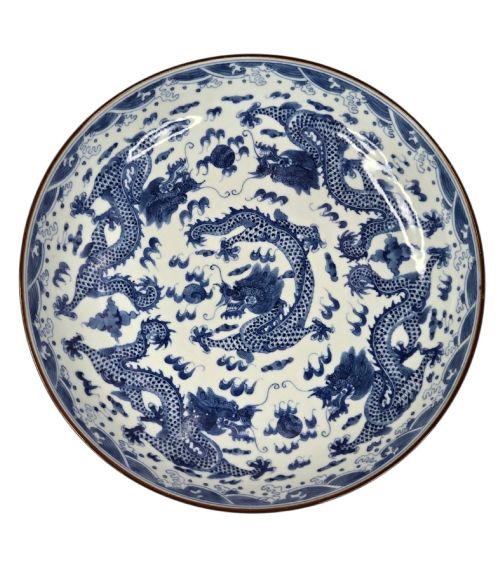
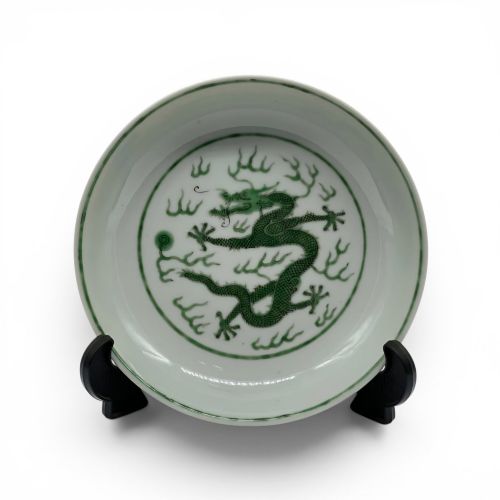
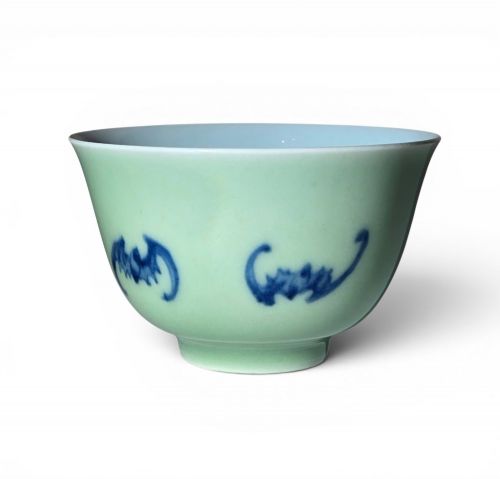
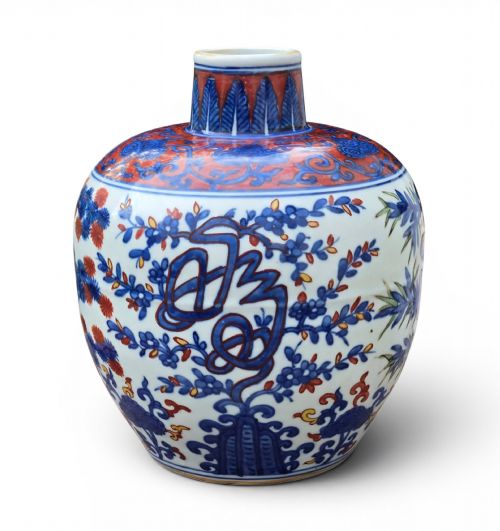
Quality depends on the precision of the painting, particularly in detailed motifs such as five-clawed dragons, bats, and floral reserves. Superior pieces display crisp cobalt definition and balanced enamel application without muddying.
The sophistication of the glaze and the clarity of the reign mark distinguish finer examples. The handling of difficult techniques, such as copper-red flambé or complex doucai palettes, separates standard works from exceptional ones.
Garden seats designed for cool porcelain sitting remain surprisingly solid companions for nineteenth-century verandas.
The Imperial Chinese Porcelain Glossary
- Underglaze blue
- A decoration technique where cobalt pigment is applied to the raw clay body before transparent glazing and firing. This produces a durable blue design beneath the glossy surface.
- Doucai
- A ceramic technique combining underglaze blue outlines with overglaze coloured enamels. Artisans fill in the painted contours after the initial high-temperature firing.
- Celadon
- A transparent pale green glaze applied to porcelain, often showing subtle crackles in the surface. The finish imitates the appearance of jade.
- Flambé glaze
- A streaked, variegated glaze created by copper reduction firing. The chemical reaction produces unpredictable pools of red, purple, and blue tones.
Imperial Chinese Porcelain: Frequently Asked Questions
How do I identify a reign mark?
Reign marks typically appear in a line or circle on the base, naming the dynastic emperor who ruled during production. They use traditional characters to denote specific periods.
Not all marks indicate the exact date of manufacture, as later kilns frequently copied earlier imperial marks as a sign of respect.
What is a five-clawed dragon?
The five-clawed dragon is a traditional imperial symbol representing the emperor's supreme authority. It appears painted in cobalt underglaze or enamelled on chargers, bowls, and vases.
Lower-ranking officials and ordinary citizens were restricted to using four-clawed or three-clawed dragons on their textiles and wares.
How should I display porcelain at home?
Display porcelain in stable cabinets away from direct sunlight and heavy foot traffic to protect fragile glazes and enamel surfaces. Ensure shelves are level and secure to prevent tipping.
Avoid placing pieces near heat sources or in areas with rapid temperature fluctuations, which can stress ceramic bodies.
Can I use these vessels for dining?
These historical pieces function primarily as decorative objects or collection centerpieces rather than everyday tableware. Their age and historical materials require careful handling.
Cleaning should be limited to gentle dusting with a soft, dry cloth rather than washing in water.