



Chinese Ceramic Charger
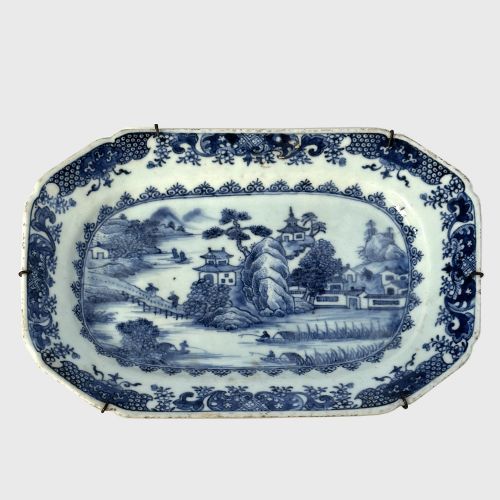
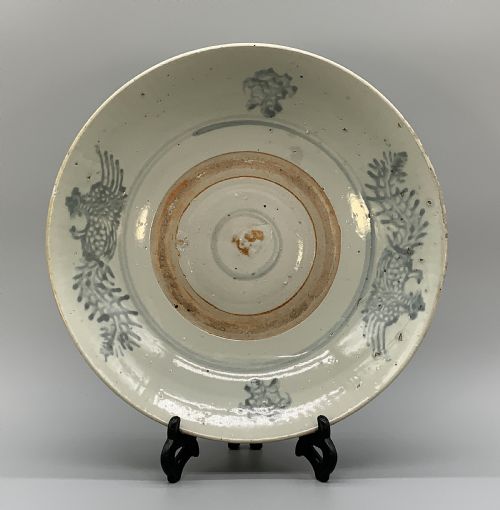
A chinese ceramic charger brings monumental scale and intricate painted detail to a table, combining centuries of kiln mastery in a single display.
Chinese Ceramic Charger
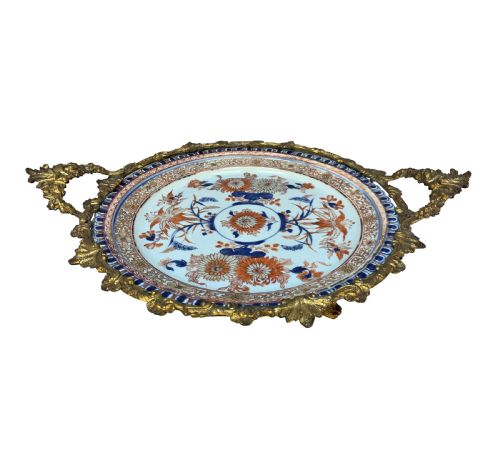
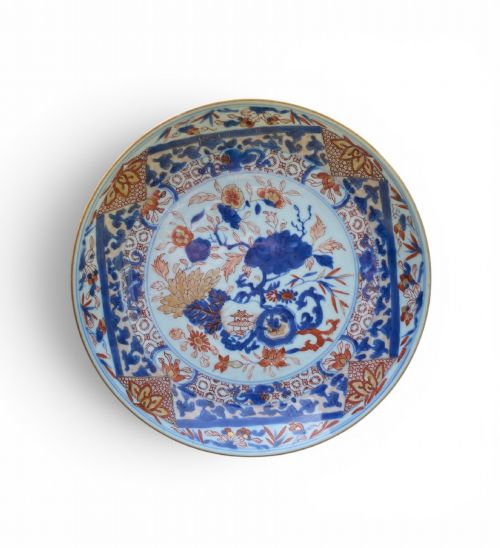
A chinese ceramic charger is a large, wide plate or dish originally designed for serving or ceremonial display, spanning periods from the Ming dynasty to the late Qing dynasty.
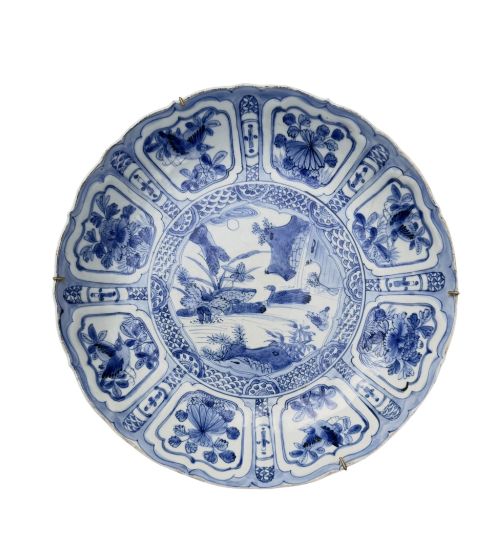
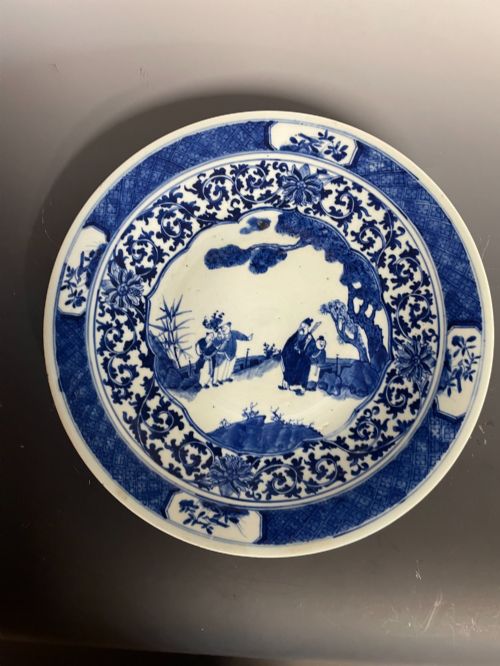
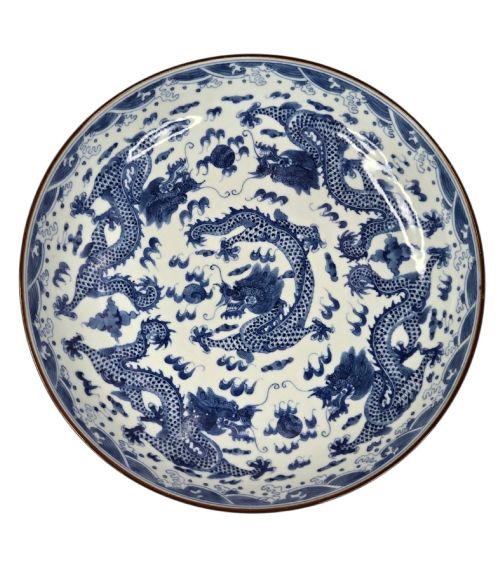
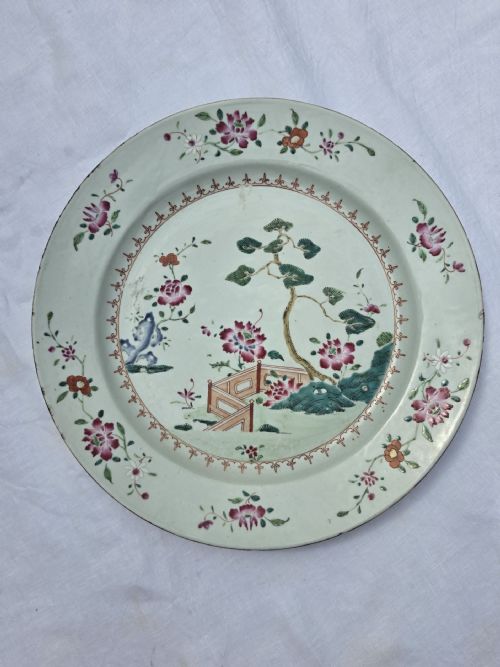
Collectors encounter substantial blue and white examples from the Kangxi period alongside export wares decorated in the vibrant palettes of Qianlong and Guangxu.
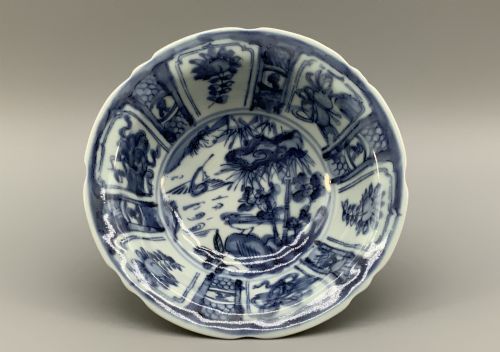
Formats range from heavily potted Swatow ware and kraak porcelain to finely potted armorial plates and celadon dishes bearing moulded floral scrolls.
Materials and Construction
Potters shaped hard-paste porcelain and ceramic bodies before applying cobalt underglaze, enamel colours, and sometimes gold leaf.
Pieces underwent high-temperature kiln firing, frequently incorporating cobalt blue painting beneath the glaze or detailed overglaze enamelling in famille rose and famille verte schemes.
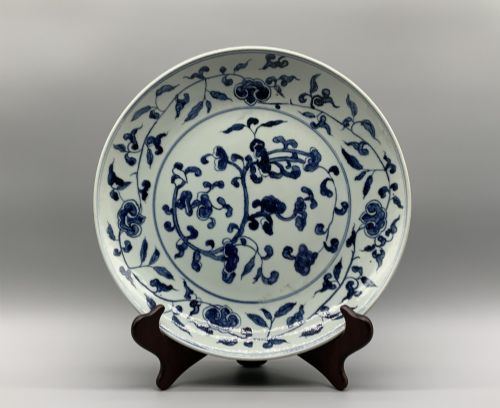
Listings span multiple centuries, incorporating Ming dynasty wares, Kangxi period blue and white pieces, and nineteenth-century Qing exports in porcelain and ceramic.
Assessing Quality
The refinement of the painted brushwork dictates visual success, distinguishing swiftly executed export wares from imperial pieces decorated with meticulous dragon motifs or complex court scenes.
The clarity of the glaze and the precision of the potting, particularly in large forms that risk warping during firing, separate standard commercial output from exceptional collector pieces.
The Chinese Ceramic Charger Glossary
- Famille Rose
- An overglaze enamel palette introduced in the Qing dynasty, distinguished by its opaque pink or rose colour derived from colloidal gold. This palette allowed for shaded painterly effects.
- Kraak Porcelain
- Chinese export porcelain produced mainly during the Wanli period, characterised by panelled borders and central designs of birds, flowers, or landscapes. It was widely traded by European maritime companies.
- Armorial
- A term describing ceramics painted with specific European family coats of arms, commissioned through trade routes during the eighteenth century. These bespoke services recorded lineage and social standing.
- Swatow Ware
- A category of Chinese provincial export ceramics made in Guangdong province for Southeast Asian and Japanese markets during the late Ming dynasty. These pieces typically display bold, freely painted designs.
Chinese Ceramic Charger: Frequently Asked Questions
How were chinese ceramic chargers used?
These large vessels functioned primarily as ceremonial serving platters or display centrepieces on formal dining tables, highlighting the wealth of the household.
In European and Asian interiors, chargers were also mounted on walls or displayed on sideboards to showcase exotic imported porcelain.
How do I date a chinese ceramic charger?
Dating relies on combining stylistic evidence such as painting style, glaze characteristics, and potting techniques with reign marks where present.
Comparing the rim forms, iron-foot traits, and cobalt hues against established periods from Ming to late Qing helps narrow the date of manufacture.
What is the difference between kraak and famille rose?
Kraak porcelain dates predominantly to the late sixteenth and seventeenth centuries, featuring distinctive panelled borders painted in cobalt blue underglaze.
Famille rose developed later in the Qing dynasty, utilising an opaque pink enamel alongside other colours for more naturalistic, pictorial compositions.
How should I display a charger safely?
Displaying a large charger requires a sturdy, specialist wall hanger or a secure tabletop stand designed to distribute the weight evenly.
Positioning the piece away from direct sunlight and high-traffic areas prevents accidental knocks and protects the enamel surfaces from degradation.