



Asian Coffer Chest
An asian antique coffer chest offers deep storage and ancient craftsmanship, bringing centuries of regional history and tactile materials into a room.
Asian Coffer Chest
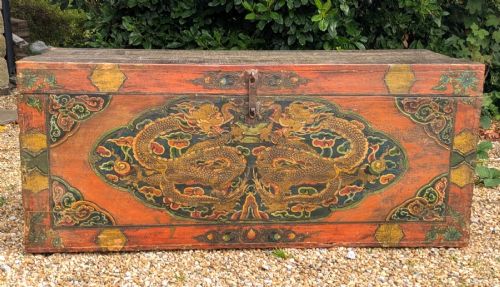
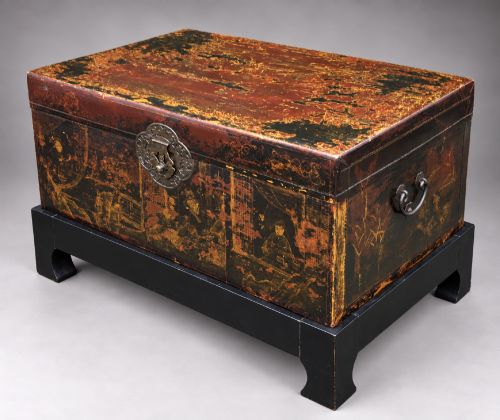
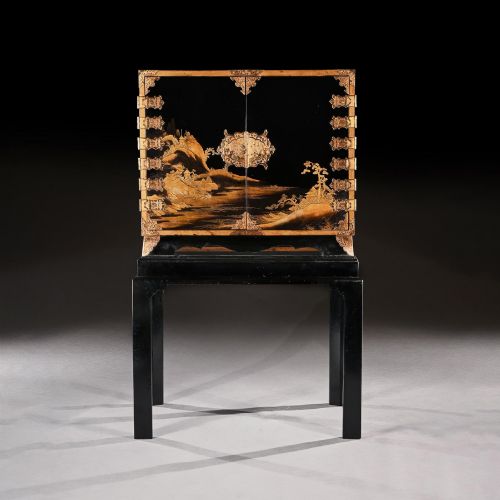
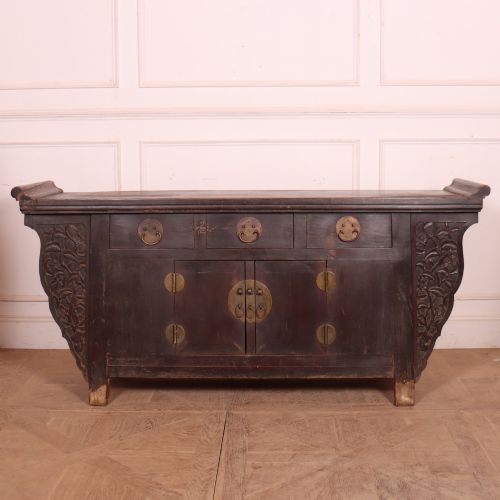
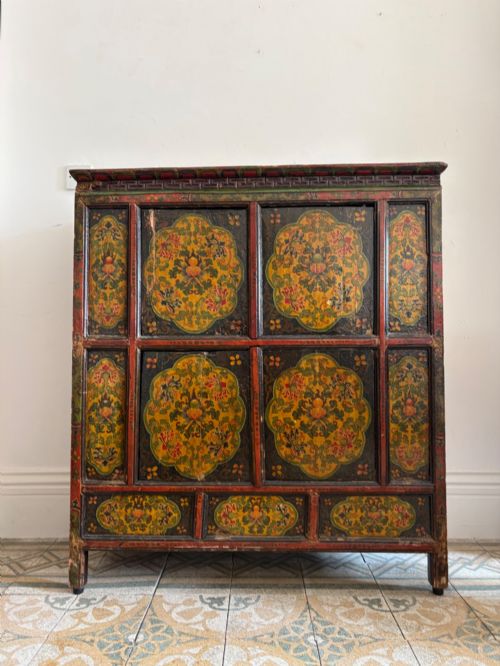
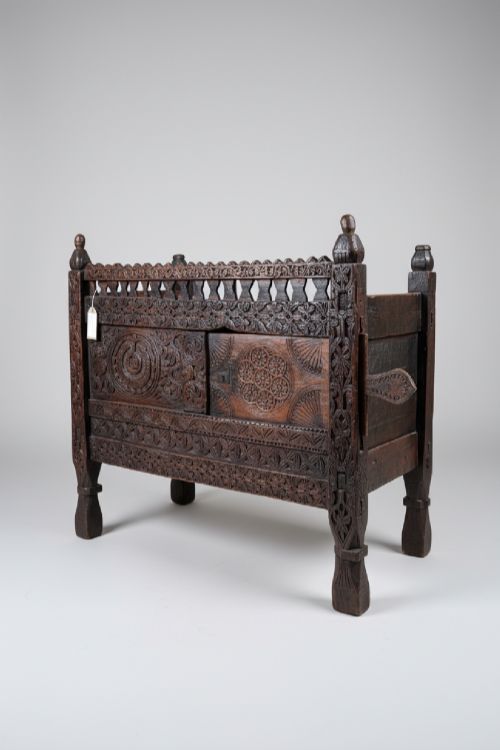
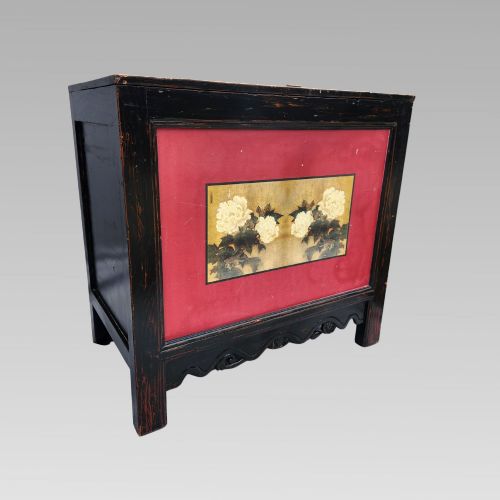
An asian antique coffer chest encompasses a broad family of storage furniture, ranging from heavy dowry boxes and travel trunks to domestic blanket boxes and sideboards. The pieces hail from traditions spanning China, Japan, Korea, India, Tibet, and Afghanistan, reflecting diverse regional aesthetics.
On this page, a buyer will most frequently encounter nineteenth-century camphor wood trunks and elm storage pieces. These forms served practical household needs for linens, garments, and valuables before finding a second life as decorative room furniture.
How they were made
Cabinet makers relied on native timbers such as elm, camphor wood, and dense hardwoods, often building structures designed to withstand humidity and insect damage. Panels were frequently joined with precision woodwork, avoiding modern adhesives while accommodating seasonal timber movement.
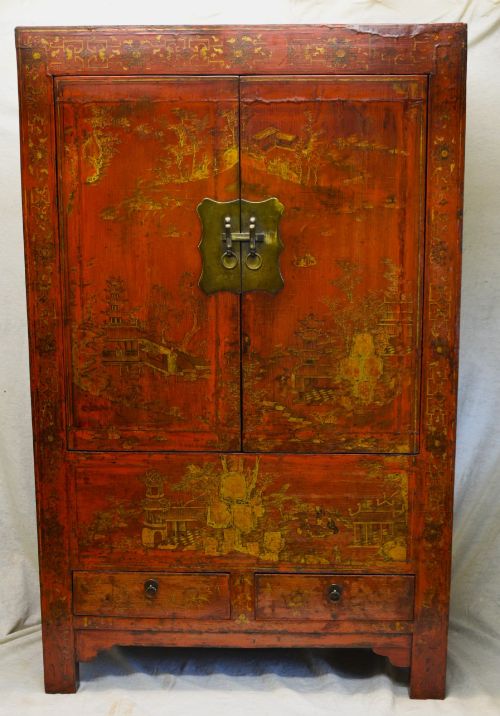
Surfaces received intricate treatments including hand carving, black or floral lacquer, and applied pigments. Metalwork played a structural and decorative role, with iron and brass hinges, lock plates, and corner braces reinforcing the solid timber construction.
Asian Coffer Chest Retail Price Guide 2026
Typical asking prices for asian coffer chest among the pieces listed under this phrase on Sellingantiques today, from the lower quarter to the upper quarter. They describe what is for sale here now, not the wider market.
Listings feature pieces spanning from the seventeenth century through to the early twentieth century, constructed in elm, camphor wood, and lacquer.
What varies in quality
The degree of preservation in original surface treatments distinguishes finer examples from heavily restored pieces. Original lacquer, hand-painted floral decoration, and untouched patinas carry more historical weight than modern refinishing.
Construction depth also dictates standing, visible in the choice of dense hardwoods versus softer timber, alongside the complexity of the wood carving and the weight of the brass or iron mountings.
The Asian Coffer Chest Glossary
- Bandaji
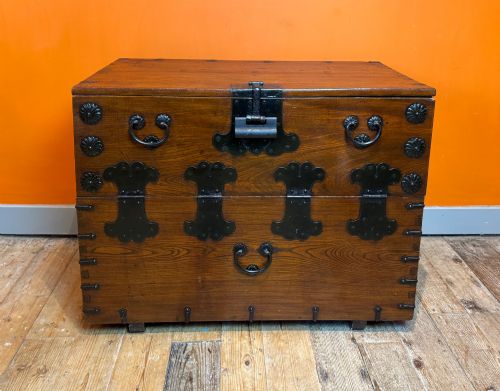
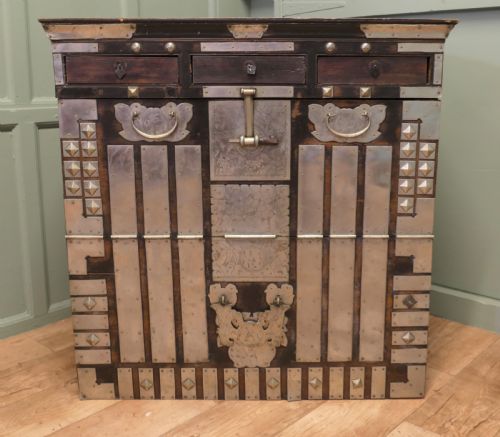
- A traditional Korean storage chest featuring a front-opening drop-down door decorated with substantial iron or brass hardware. These pieces often utilise elm timber and served as primary storage furniture in traditional homes.
- Camphor wood
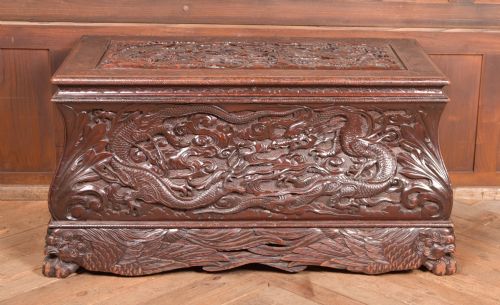
- An aromatic timber prized for its insect-repellent properties, commonly used for nineteenth-century storage trunks and blanket boxes. The wood retains a distinct scent and takes a fine carved relief.
- Chinoiserie
- A European artistic style reflecting Chinese motifs and techniques, though the term also applies more broadly in trade contexts to decorative export pieces with orientalist painted scenes.
- Tansu
- A traditional mobile or stationary Japanese chest of drawers or storage cabinet built for domestic organisation. Regional variants include wheeled versions designed for rapid relocation during fires.
- Hongmu
- A category of dense, heavy Chinese hardwood, often translated as red wood, used for high-status travelling boxes and furniture. It possesses a deep natural colour and polishes to a smooth finish without extensive staining.
Asian Coffer Chest: Frequently Asked Questions
How were these chests used originally?
These pieces served practical storage functions in traditional households, holding garments, blankets, important documents, and dowry items. Many travelled across regions or seas, acting as secure luggage containers for merchants and officials.
Over time, they became permanent fixtures in domestic interiors, positioned along walls or within bedrooms to keep valuables safe from humidity and pests.
How do I care for camphor wood?
Camphor wood naturally resists insects and moisture, requiring minimal intervention to maintain its condition. Keep the chest away from direct heat sources and dramatic humidity fluctuations to prevent timber splitting.
Dust the carved surfaces regularly with a soft, dry cloth rather than applying modern chemical polishes that might damage the dry timber or historical finish.
How do I identify a Tansu chest?
A Tansu is a traditional Japanese storage unit characterised by modular compartments, sliding doors, and robust iron hardware. They were built for specific domestic duties, ranging from clothing storage to merchant bookkeeping.
Look for distinctive forged iron corner brackets, flush-fitting handles, and sometimes integrated wheels designed for moving the heavy wooden structure.
What is a dowry chest?
A dowry chest was prepared for a bride, containing her personal linens, garments, and wealth to bring into a new household. These pieces often featured auspicious carvings or painted floral motifs symbolizing prosperity and longevity.
Because they marked a major life milestone, families invested in durable timbers like camphor or elm alongside decorative brass or iron mountings.