



Qing Dynasty Storage Chest
A qing dynasty storage chest brings solid timber, lacquer and brass hardware together to anchor a room with functional historical presence.
Qing Dynasty Storage Chest
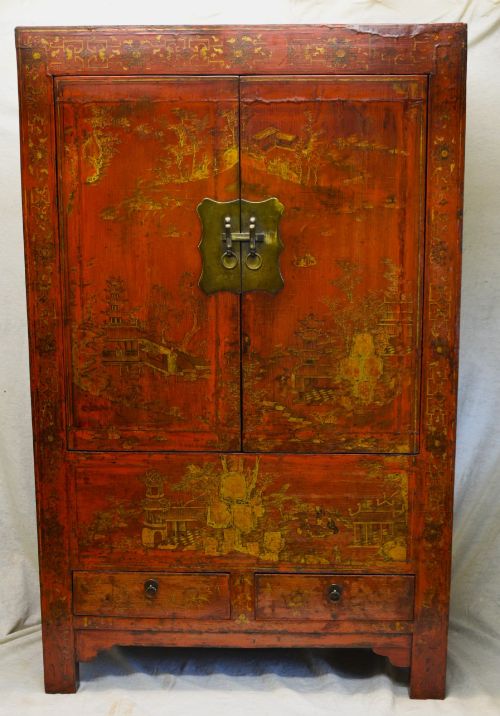
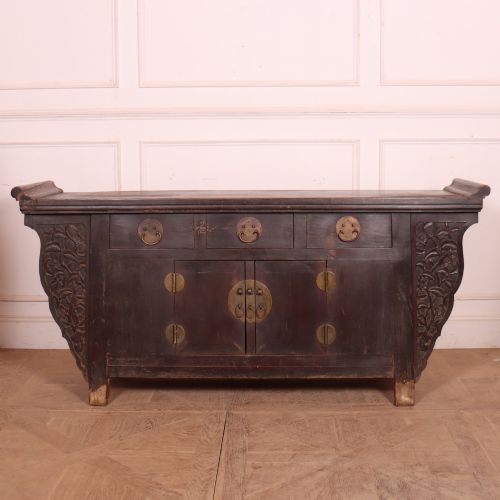
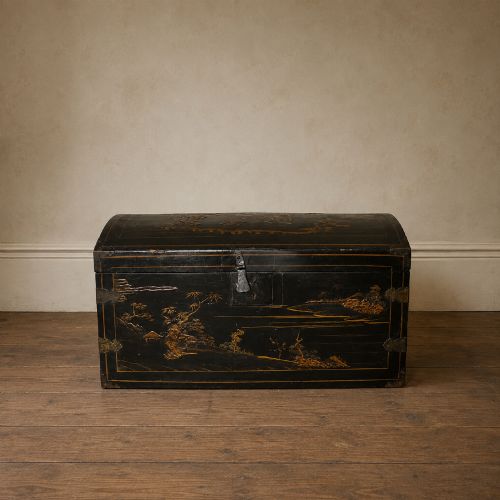
When you search for a qing dynasty storage chest, you encounter a range of heavy timber trunks, coffers and lacquer cabinets originating from China. These pieces span centuries of regional and export production, including elm, camphorwood and leather-covered travel trunks.
The versions most common on this page are nineteenth-century lacquered trunks, sideboards and compact boxes. They range from utilitarian elm side cabinets to ornate black or red lacquer coffers embellished with gilt decoration.
Makers produced these storage items for domestic use, trade and travel. The selection includes specific forms such as apothecary chests, tea caddies and wedding baskets alongside large floor-standing cupboards.
Distinguishing quality in storage pieces
Quality rests in the integrity of the timber framing and the preservation of the original surface finish. Pieces retaining their early lacquer, crisp carving or authentic brass hardware hold greater visual weight.
The finesse of the joinery and the depth of the lacquer application separate standard utilitarian furniture from finer export pieces and dragon-carved storage boxes.
Qing Dynasty Storage Chest Retail Price Guide 2026
Typical asking prices for qing dynasty storage chest among the pieces listed under this phrase on Sellingantiques today, from the lower quarter to the upper quarter. They describe what is for sale here now, not the wider market.
Current listings feature elm, camphorwood and lacquer alongside brass and iron hardware across multiple centuries.
The Qing Dynasty Storage Chest Glossary
- Cofer
- A large wooden chest, often with a flat lid, traditionally used for storing valuables and textiles. These sturdy pieces anchor interiors with practical storage.
- Lacquer
- A durable resin finish applied in multiple layers to wood surfaces. It provides a smooth, protective coating that accepts gilt decoration and vibrant colour.
- Hongmu
- A dense, dark tropical hardwood used in traditional Chinese cabinetmaking. This material yields heavy, durable furniture with fine grain characteristics.
- Caddy
- A small container or box designed for storing tea leaves. These portable items often feature meticulous compartment layouts and decorative exteriors.
- Camphorwood
- An aromatic timber frequently utilised for interior chests to protect textiles from insects. The wood carries a distinct scent and resists moisture.
Qing Dynasty Storage Chest: Frequently Asked Questions
How are these chests cleaned?
Dust surfaces gently with a dry, soft cloth to protect aged lacquer and timber finishes. Avoid chemical polishes and water.
Maintain stable indoor humidity levels to prevent wood movement and preserve brittle finishes over time.
Were these chests used for travel?
Many leather-covered trunks and hongmu boxes served traders and officials moving across regions. Their robust construction and metal fittings aided transport.
Larger coffers and sideboards remained stationary in homes, serving as domestic storage for garments and household goods.
Can I use a chest as a coffee table?
Lower trunks and coffers with flat lids adapt well to placement in front of seating. Their sturdy wooden tops support everyday objects.
Ensure the antique surface is protected from heat and moisture rings by using appropriate trays or coasters.
How do I identify a lacquer finish?
Lacquer forms a hard, glossy surface derived from tree sap applied in successive coats. It feels smooth and shows depth under light.
Over decades, genuine lacquer develops fine crackle lines known as craquelure, distinguishing it from modern synthetic varnishes.
What is camphorwood used for?
Camphorwood acts as a natural insect repellent due to its strong aromatic oil content. Furniture makers favoured it for lining storage chests.
Textiles and garments placed inside these chests remain protected from moths and dampness during long storage periods.