



Arts and Crafts Stoneware
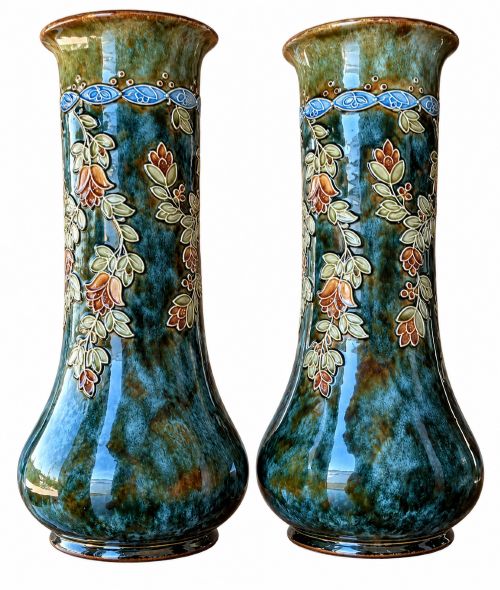
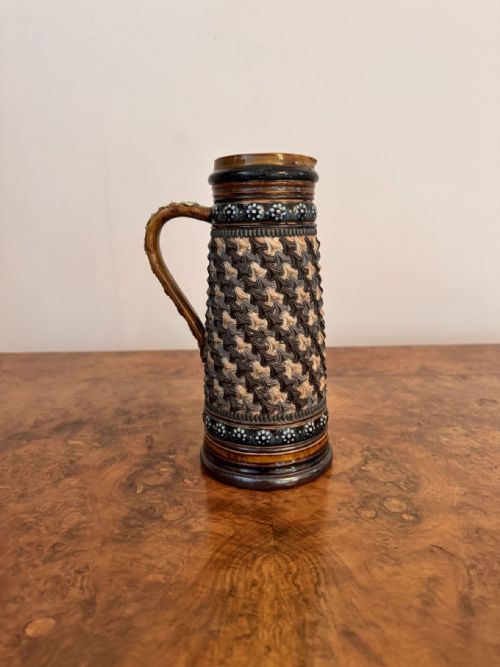
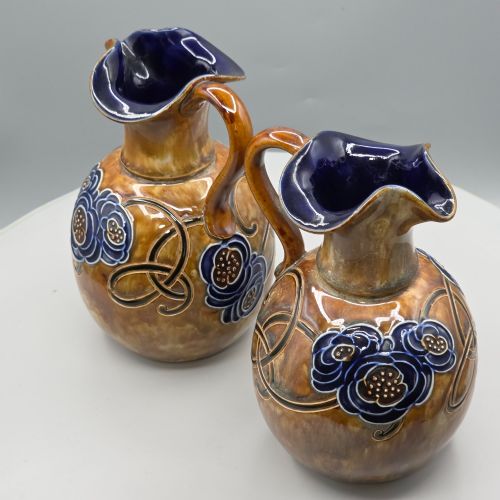
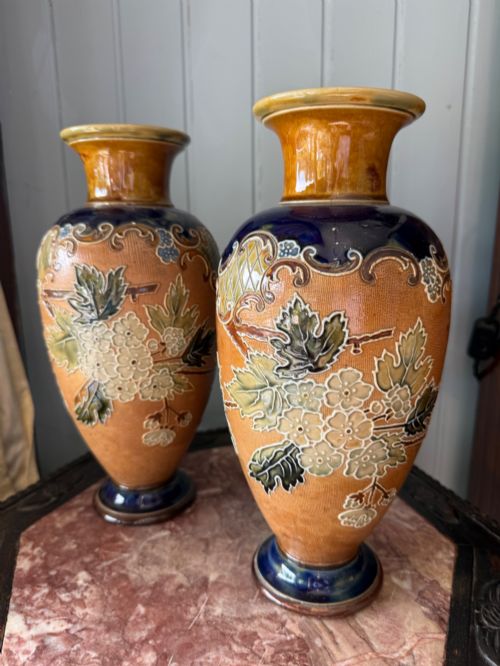
These arts and crafts stoneware pieces are heavy, glazed vessels from the late nineteenth and early twentieth centuries that bring tactile surface ornament to any room.
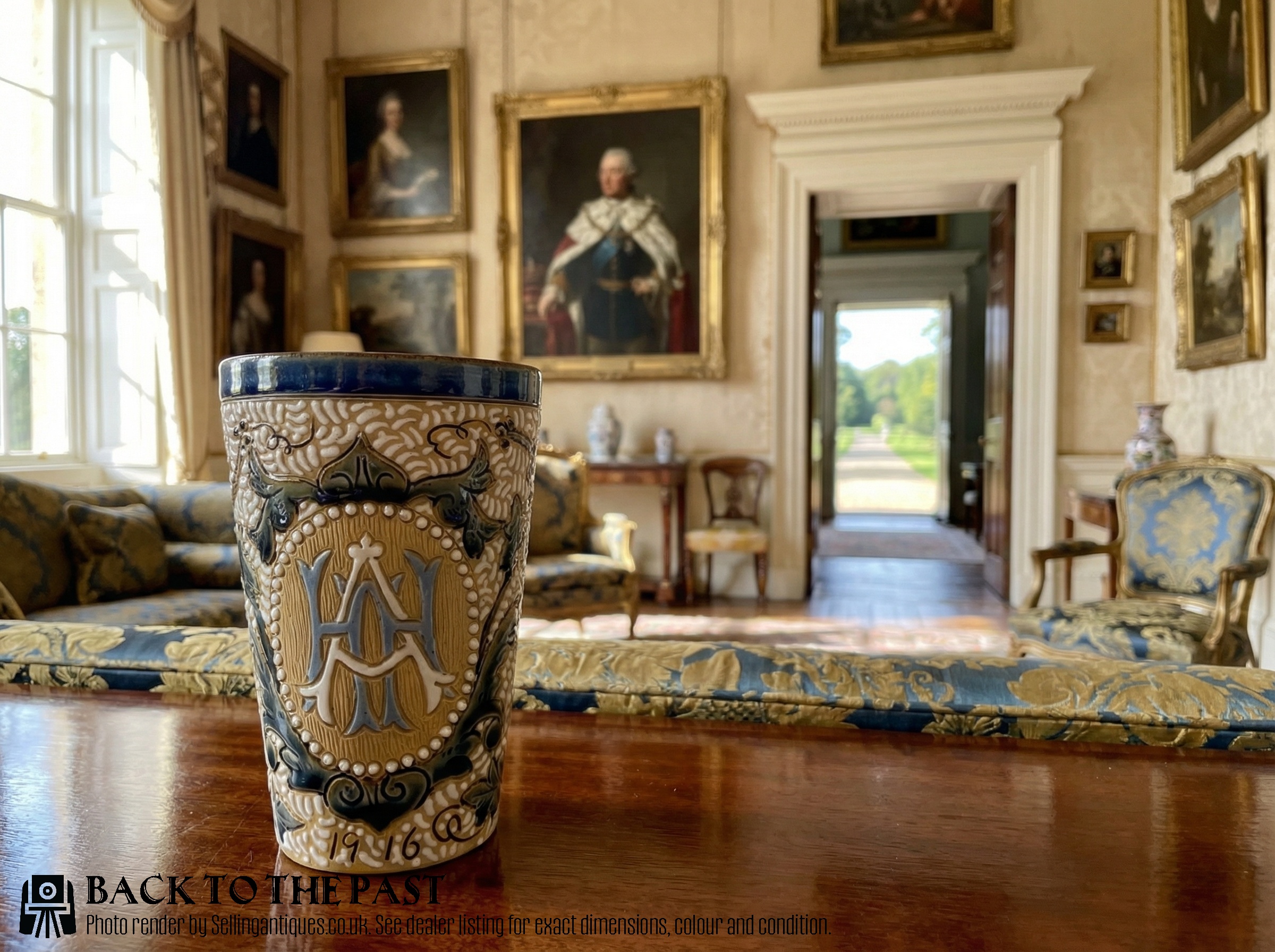
Arts and Crafts Stoneware
When you search for arts and crafts stoneware, you encounter heavy pottery vessels designed for practical household use or display. These objects date predominantly from the Victorian period through to the nineteen-twenties, reflecting the design reforms of the era.
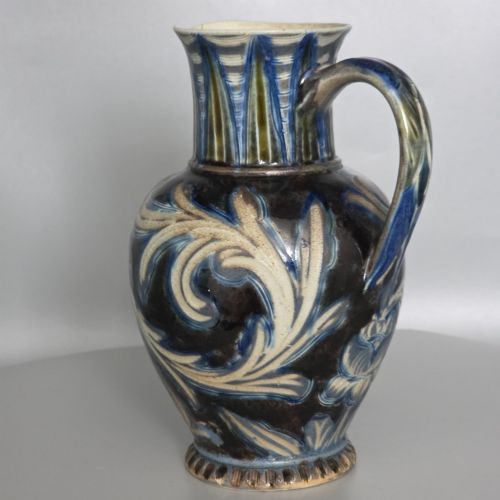
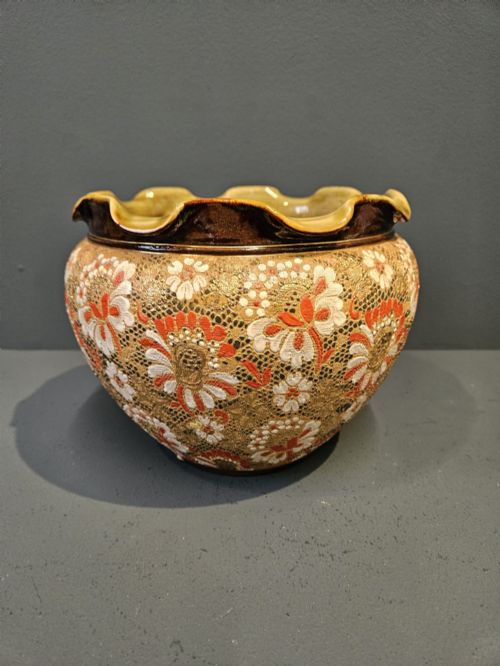
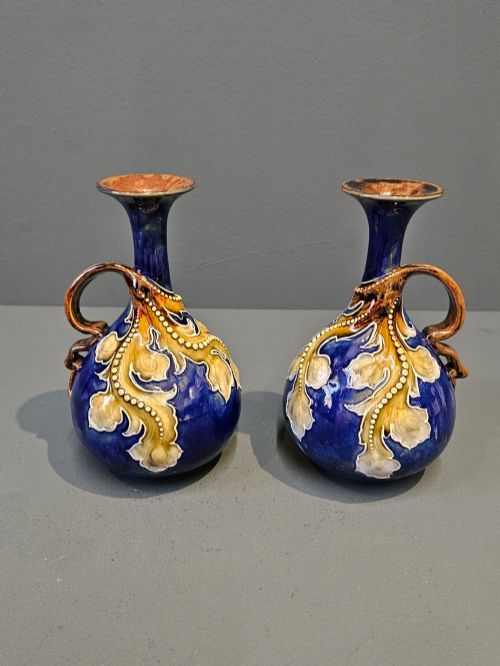
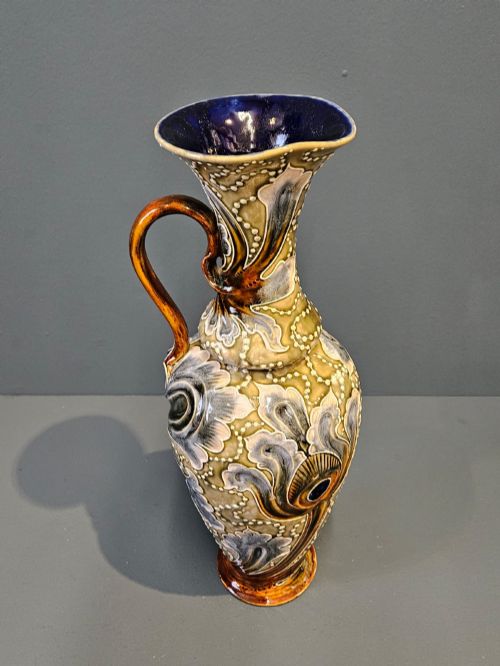
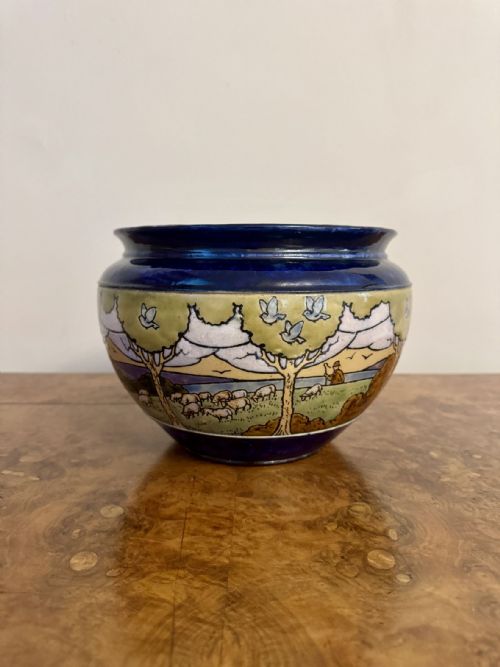
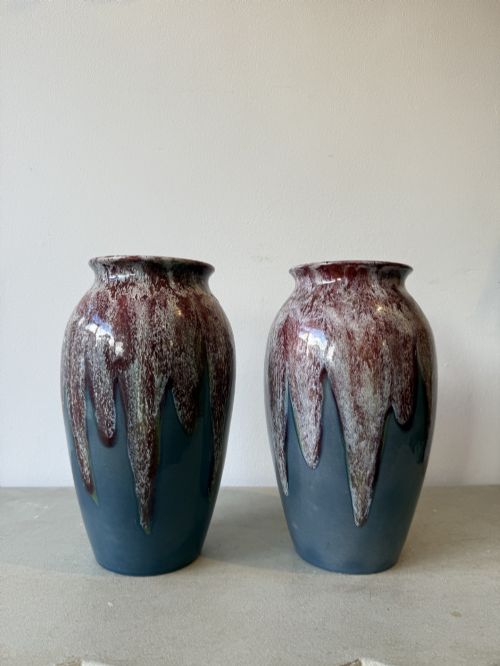
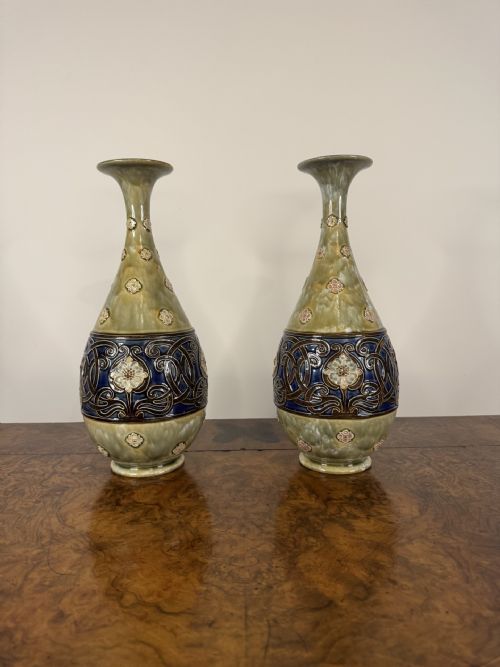
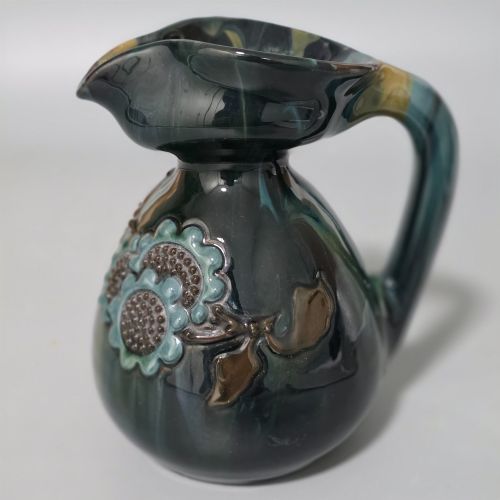
The most common forms on this page are vases, jugs, pitchers, and jardinieres. These pieces originate largely from English potteries, particularly workshops operating in London and the provinces during the late nineteenth and early twentieth centuries.
Makers shaped these items from dense clay, decorating the surfaces with incised patterns, applied motifs, and textured glazes. The resulting vessels combine utility with hand-modelled artistry, aligning with the core ideals of the movement.
How they were made
Potters shaped dense clay on the wheel or in moulds before applying salt glaze or enamel decoration. Salt glaze was introduced to the kiln during firing, reacting with the silica in the clay to produce a hard, pebbled surface.
Artists decorated the raw or biscuit-fired bodies by hand, employing incising, pate-sur-pate, and slip techniques. Many examples feature detailed floral or abstract motifs painted directly onto the stoneware body before the final glaze firing.
Arts and Crafts Stoneware Retail Price Guide 2026
Typical asking prices for arts and crafts stoneware among the pieces listed under this phrase on Sellingantiques today, from the lower quarter to the upper quarter. They describe what is for sale here now, not the wider market.
Object forms include utilitarian jugs, tobacco jars, salad bowls, and decorative vases alongside large garden jardinieres.
What varies in quality
The distinction between standard production items and superior pieces lies in the involvement of named artists and specialist decorators. Vases and jugs bearing the incised initials or signatures of accomplished studio artists command greater attention.
Quality also depends on the crispness of the hand-carved decoration and the depth of the glaze effects. Pieces displaying intricate pate-sur-pate work, pate-sur-pate panels, or complex enamel floral decor represent the upper tier of this genre.
Royal Doulton·Doulton Lambeth·Sunflower Pottery Studio·Fulham Pottery·Minton
The Arts and Crafts Stoneware Glossary
- Stoneware
- A robust, vitrified ceramic fired at high temperatures until non-porous. It resists moisture and forms a durable body for salt glazing.
- Salt glaze
- A glossy, slightly pitted surface texture achieved by throwing common salt into the kiln during high-temperature firing. The sodium reacts with the clay body to create an orange-peel finish.
- Jardiniere
- A large ornamental pot or stand designed to hold a live plant or floral arrangement. These vessels frequently feature matching pedestals or wide, rounded bodies.
- Incised
- A technique where designs are carved directly into the damp clay body using a sharp tool. This leaves recessed lines that often catch darker glazes for contrast.
- Slaters Patent
- A proprietary Doulton decorating method utilising lace or woven fabric pressed into damp clay to create textured backgrounds. These textured areas are then highlighted with colour and gold.
Arts and Crafts Stoneware: Frequently Asked Questions
How were these vessels used?
Households utilised these stoneware items for both practical daily tasks and interior decoration. Jugs served water or beer at the table, while tobacco jars and salad bowls performed specific pantry functions.
Larger vessels such as jardinieres and umbrella stands held plants and walking sticks in hallways and parlours. Vases and ewers occupied prominent positions on mantelpieces and sideboards purely for display.
How do I clean arts and crafts stoneware?
Maintenance requires only gentle dusting with a soft, dry cloth to protect the glaze and any delicate enamel details. Harsh chemical cleaners or abrasive scouring pads will damage the historic surface.
If washing is necessary due to interior residue from water or soil, use lukewarm water and mild soap. Dry the piece thoroughly immediately afterwards to prevent moisture penetration into any unglazed areas.
How do I identify the period?
Dating relies heavily on factory stamps, impressed registration marks, and the specific styles of decoration present on the clay. Victorian pieces often display early Doulton Lambeth imprints, while later items reflect Edwardian or Art Nouveau influences.
Signatures or monogram stamps belonging to specific studio artists help narrow down the production decade. Comparing the form and glaze type against known manufacturer catalogues provides further chronological context.