




Arts and Crafts Silver Box
These arts and crafts silver box pieces combine tactile metalwork with thoughtful design, offering a tangible connection to early twentieth-century craftsmanship.
Arts and Crafts Silver Box
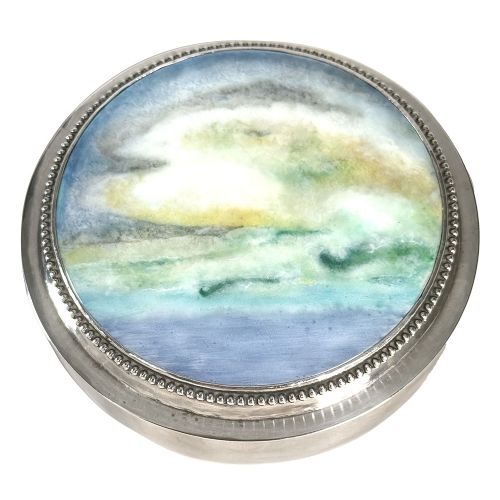
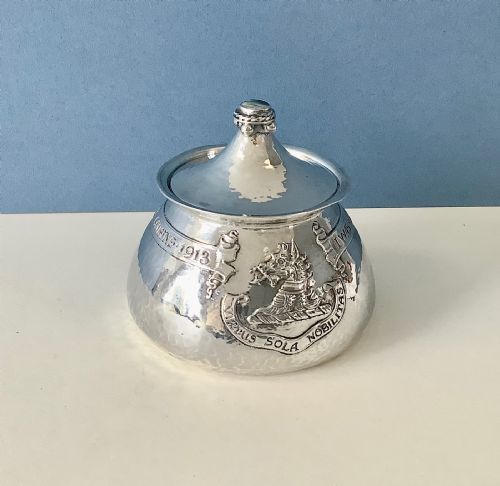
When you search for an arts and crafts silver box, you enter a field defined by hand-wrought metalwork and vernacular design from the late Victorian, Edwardian and later periods. The examples found here span forms such as tea caddies, tobacco pebbles, pill boxes, trinket boxes and cigarette cases.
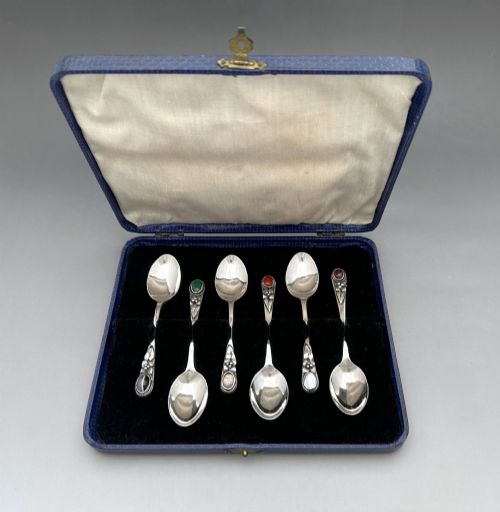
The aesthetic prioritises visible maker marks and honest construction over factory-stamped perfection. You will encounter pieces in sterling silver and silver alongside pewter, copper, steel and brass, often embellished with enamel panels or semi-precious stones.
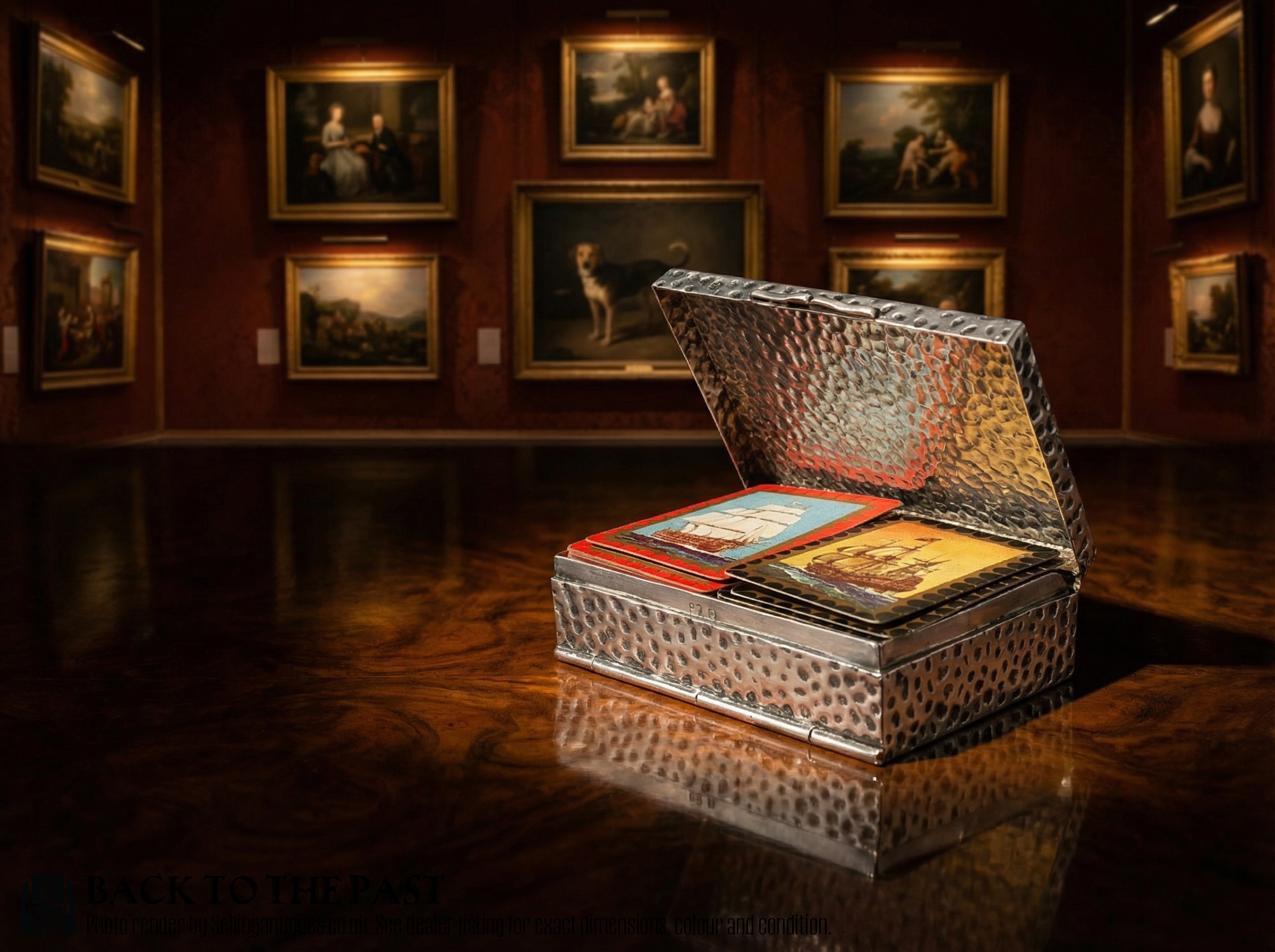
While many date from the height of the movement around nineteen hundred to nineteen ten, later interpretations from the mid-century also appear. These objects served utilitarian domestic functions, housing everything from tobacco and tea to pins and playing cards.
How they were made
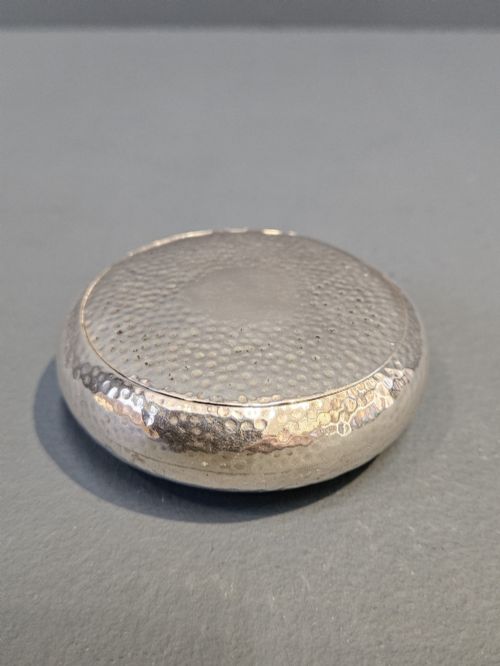
Makers shaped these vessels through manual hammering, beating and planishing, leaving deliberate surface textures that record the path of the hammer. Rivets and visible joins were celebrated rather than concealed, exposing the structural anatomy of the object.
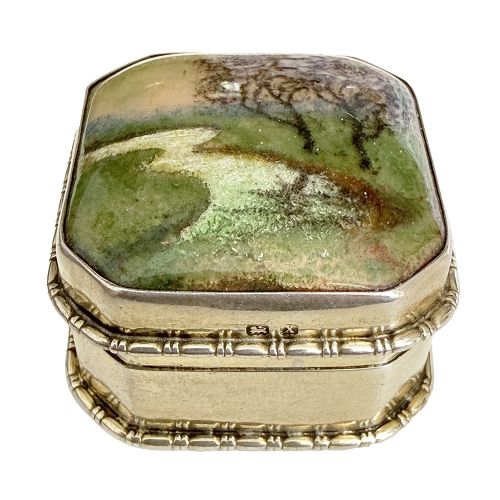
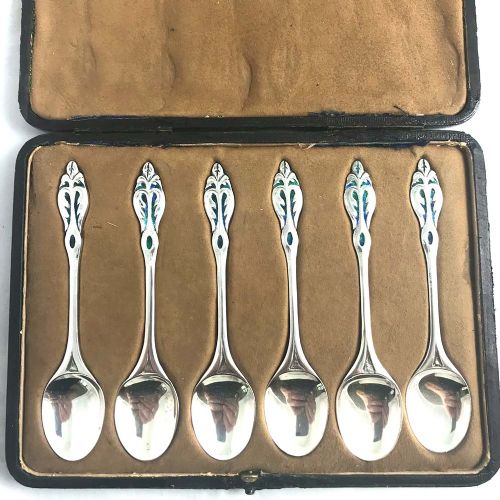
Surface decoration frequently incorporated vitreous enamel, including cloisonné and plique-à-jour techniques, alongside set stones such as agate. Interiors were occasionally lined with velvet or silk to protect delicate contents.
Metals like sterling silver, pewter and silvered copper were worked by hand in studio workshops and larger guilds, applying traditional craft methods to modern domestic items.
Materials recorded across the inventory include sterling silver, enamel, pewter, agate, velvet, silk and steel.
What varies in quality
The distinction between ordinary and exceptional work lies in the sensitivity of the hand-hammered surface and the crispness of the execution. Superior pieces display deliberate, even planishing marks that catch the light, whereas lesser examples can appear mechanical or flat.
Quality also rests on the integration of secondary materials like enamel and set stones. Expertly fired enamel panels with rich colour depth elevate a piece significantly above standard stamped metal containers.
Charles Edwards London·Fleetwood Varley·Liberty and Co·Nathan and Hayes·J.B. Bennet·Artificer's Guild·Omar Ramsden·Nelson and Drake·Kate Harris·William Hutton and Sons·Amy Sandheim·Guild of Handicraft·Martin Hall and Co
The Arts and Crafts Silver Box Glossary
- Planishing
- A smithing technique using a specialised hammer to smooth and finish metal surfaces, creating subtle facets. This process hardens the silver while producing a characteristic reflective texture.
- Cloisonné
- An enamelling method where vitreous paste is fired within wire compartments soldered to a metal base. The resulting design displays distinct coloured cells separated by thin metal outlines.
- Vesta
- A small pocket case designed to hold matches and keep them dry. These containers often featured engraved or hammered decoration consistent with the movement.
- Pebble
- A pocket-sized container shaped like a rounded stone, commonly utilised for tobacco. Their ergonomic forms fit snugly into the hand.
- Guild
- An association of artisans and designers operating cooperatively. Guild workshops prioritised collaborative craftsmanship over industrial output.
Arts and Crafts Silver Box: Frequently Asked Questions
What is an arts and crafts silver box?
These are hand-wrought containers produced during the early twentieth-century design movement, prioritising artisanal construction over industrial manufacturing.
They encompass a range of domestic forms including trinket holders, tea caddies and tobacco boxes, frequently featuring hammered surfaces and enamel decoration.
How do I identify the maker?
Makers and silversmiths typically stamped their initials or guild marks directly onto the exterior or interior metal surface. Assay office hallmarks for cities like London, Birmingham and Chester also provide date letters and standard marks.
Matching these stamps against historical records reveals the specific workshop or designer responsible for the piece.
Were these boxes used every day?
Original owners utilised them to store domestic items such as tea, tobacco, matches, pins and playing cards. Their durable construction made them suitable for daily handling in Edwardian and Victorian households.
Today, collectors use them similarly for small personal items or display them as examples of period metalwork.
What materials besides silver appear?
Makers frequently utilised pewter, copper, brass and steel alongside sterling silver. Enamel panels, velvet linings, silk interiors and semi-precious stones also feature prominently.
These mixed media approaches reflect the movement's broad material palette.