
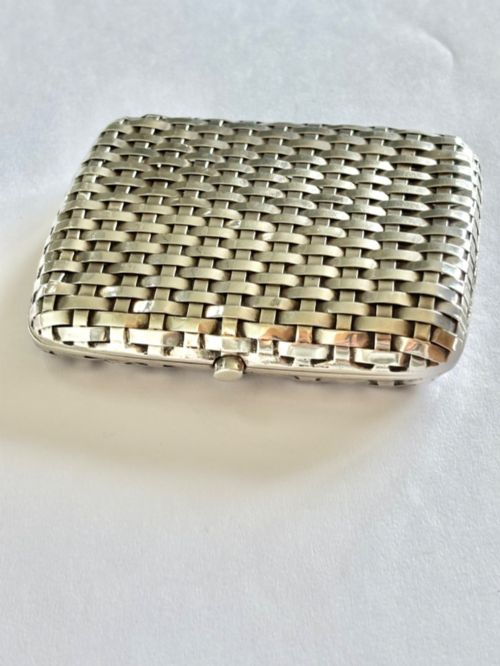
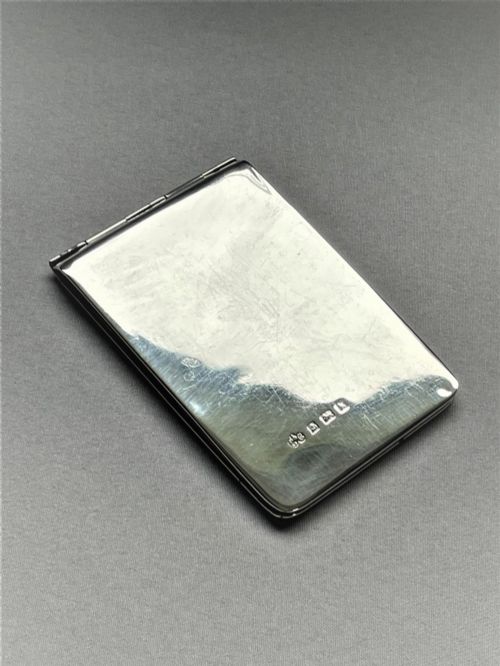
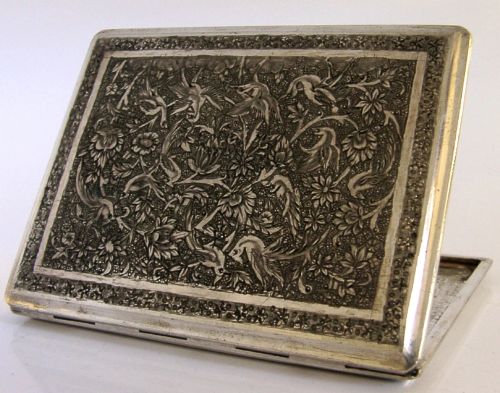
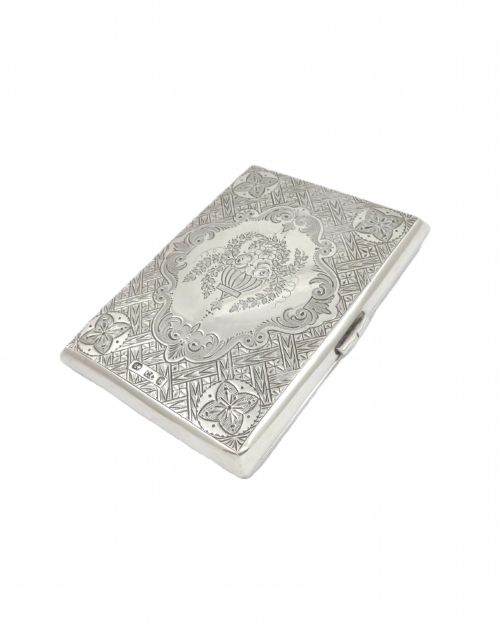
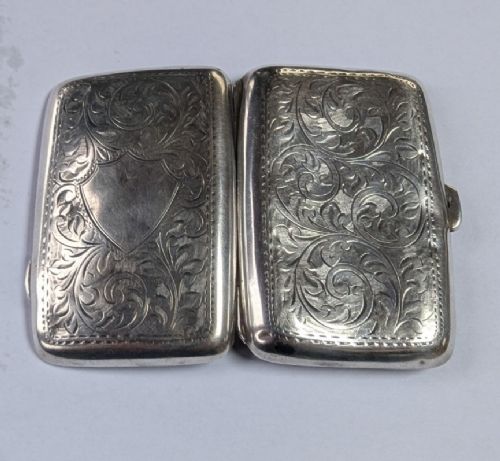
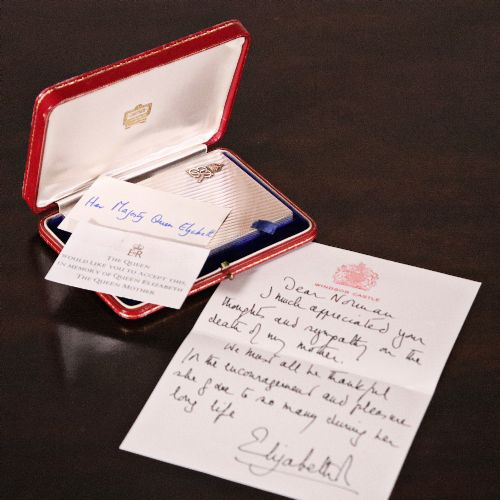


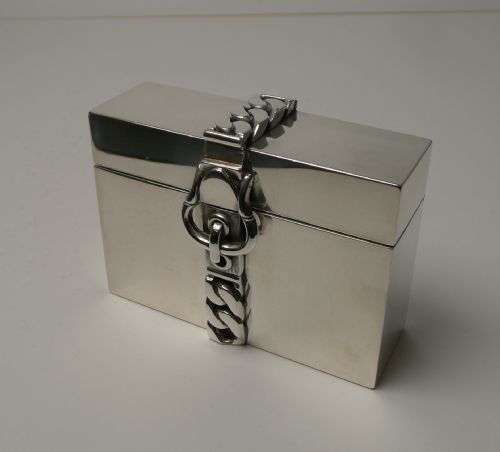

Solid Silver Card Box
A solid silver card box protects delicate visiting cards and playing decks with metal craftsmanship spanning Georgian, Victorian, Edwardian and mid-century periods.
Solid Silver Card Box
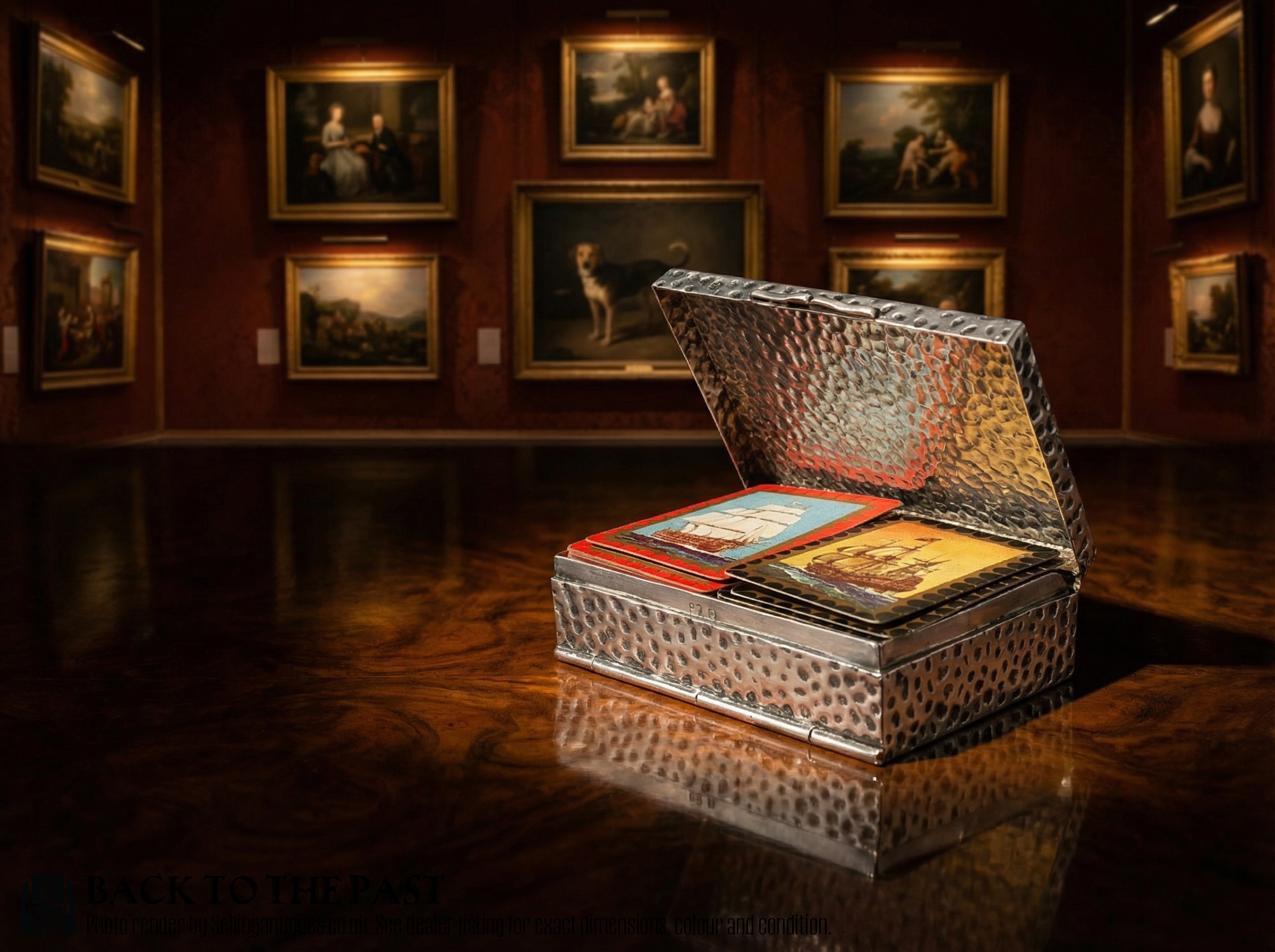
A solid silver card box encompasses small desk accessories, playing card containers, and pocket-sized cases designed to hold paper calling cards or gaming decks. When you search for a solid silver card box, you encounter pieces intended for genteel correspondence or parlour games rather than purely decorative display.
Origins span British provincial and London workshops as well as continental European makers, including German and Italian silversmiths alongside Ottoman pieces. The primary function remains the containment and preservation of paper goods, though many surviving examples served double duty for stamps or cigarettes.
Materials and construction methods
Silversmiths utilised sterling silver and 800 silver as the primary structural metals, often shaping the bodies through pressing, hammering, and soldering. Engine turning frequently decorated the exterior surfaces with precise geometric patterns that caught the light.
Internal linings of silk, velvet, or leather provided a soft bed for fragile cards, while hinges and clasps required careful mechanical fitting to ensure secure closure. Gold mounts and highlights occasionally accented silver exteriors on high-status commissions.
Solid Silver Card Box Retail Price Guide 2026
Typical asking prices for solid silver card box among the pieces listed under this phrase on Sellingantiques today, from the lower quarter to the upper quarter. They describe what is for sale here now, not the wider market.
Listings feature periods spanning from the Georgian era through Victorian, Edwardian, and Art Deco times into mid-century modernism.
Distinguishing quality in silver boxes
The distinction between standard containers and exceptional pieces lies in the crispness of the chasing, the precision of engine turning, and the integrity of internal fittings. Superior examples display taut hinge action and crisp hallmarks that remain sharp rather than worn down by excessive polishing.
Weight and structural thickness also separate mass-produced items from superior commissions, alongside the quality of any interior silk, leather, or velvet lining. Maker marks associated with notable silversmiths indicate higher standards of design and execution.
George Unite·Edward Edwards·Cartier·Nelson and Drake
The Solid Silver Card Box Glossary
- Sterling silver
- A standard alloy consisting of 92.5 percent silver by weight, combined with other metals for durability. This material forms the basis of most British items on this page.
- Engine turned
- A decorative surface technique involving precise geometric patterns cut into the metal by a lathe. It adds texture and reduces the visibility of minor scratches.
- Hallmark
- An official stamp struck into precious metals indicating purity, origin maker, and the year of assay. These marks allow collectors to date pieces accurately.
- Card case
- A flat pocket container designed to hold visiting cards without bending them. Many feature spring-loaded mechanisms or hinged lids.
- Chasing
- A metalworking technique where the silversmith hammers the front of the material to sink designs into relief. It creates ornamental surface texture without removing metal.
Solid Silver Card Box: Frequently Asked Questions
What were solid silver card boxes used for?
These containers held visiting cards, calling cards, or playing card decks used during social calls and parlour games.
Card boxes kept paper items crisp and clean in domestic settings, while smaller cases slipped into pockets for social visits.
How do I date a silver card box?
Assay office hallmarks stamped onto the metal provide the most reliable dating evidence, showing the specific year and town of testing.
Stylistic shifts also help identify periods, moving from Georgian restraint through Victorian ornamentation to Art Deco and modernist geometries.
What is the difference between sterling and 800 silver?
Sterling silver contains 92.5 percent pure silver and represents the traditional British standard for precious metal objects.
Eight hundred silver contains slightly less pure silver content at 80 percent, a common standard for continental European items.
How should I clean antique silver boxes?
Gentle dusting with a soft cloth removes everyday debris without damaging delicate engraved surfaces or patinated details.
Specialist silver polish should be used sparingly and kept away from internal silk, leather, or velvet linings to prevent staining.