



Edwardian Silver Card Box
An edwardian silver card box is a smart tabletop accessory designed to hold visiting cards or playing cards securely.
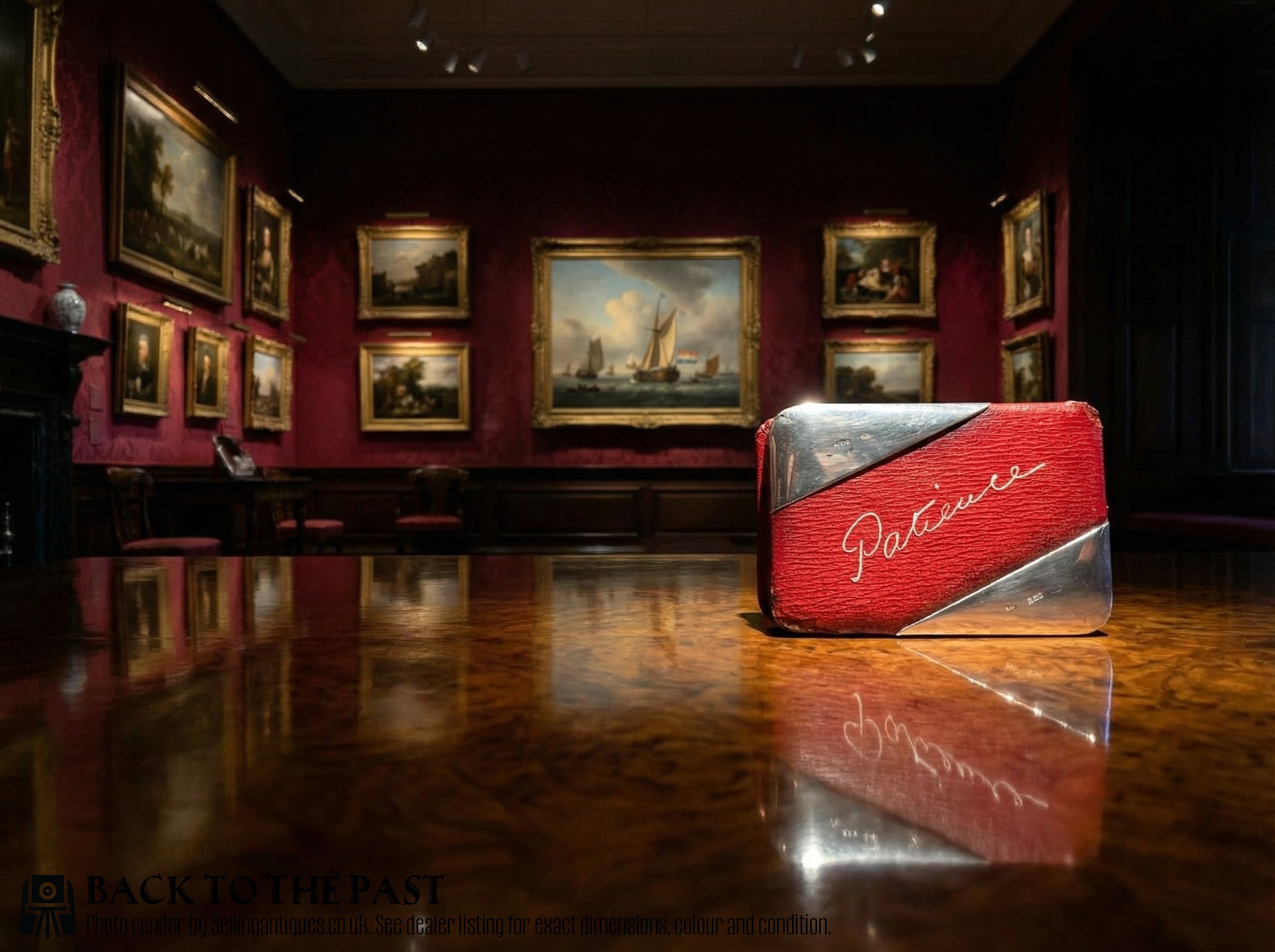
Edwardian Silver Card Box
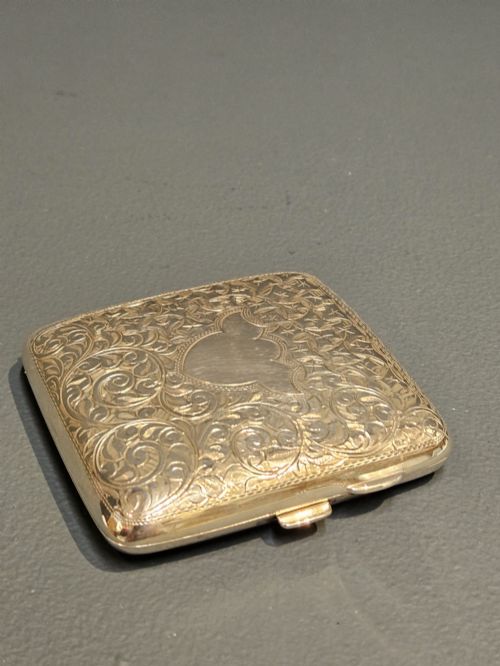
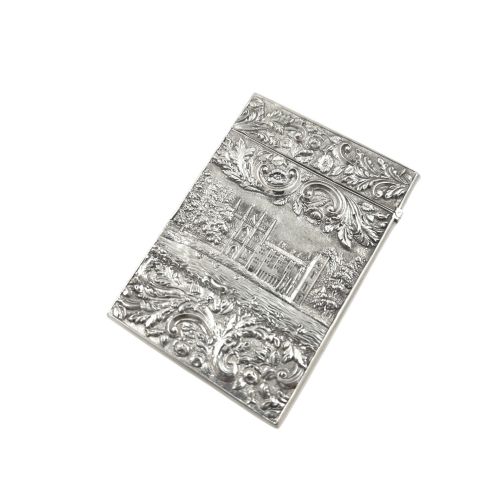
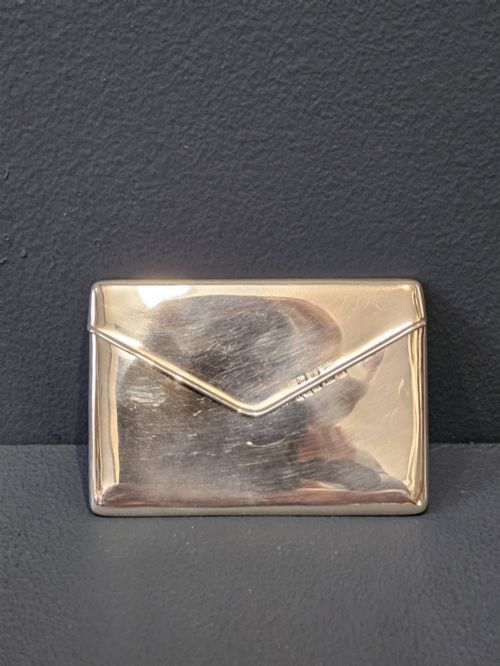
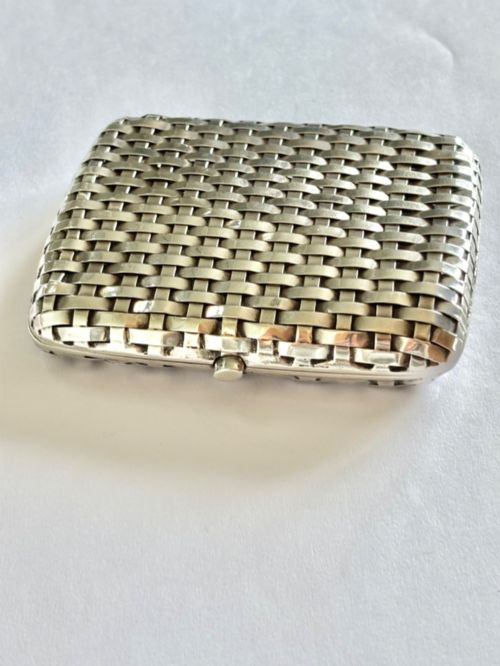
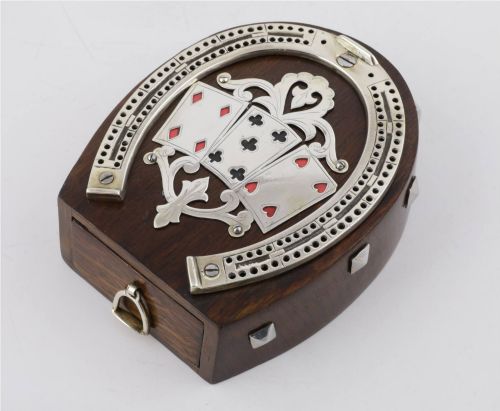
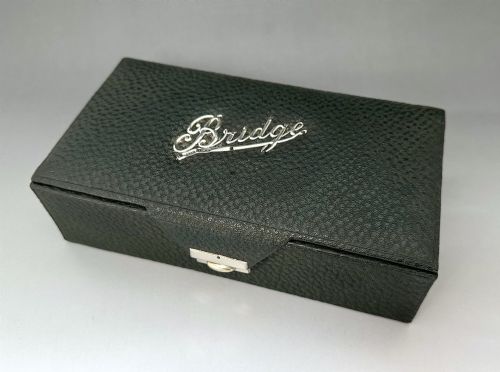
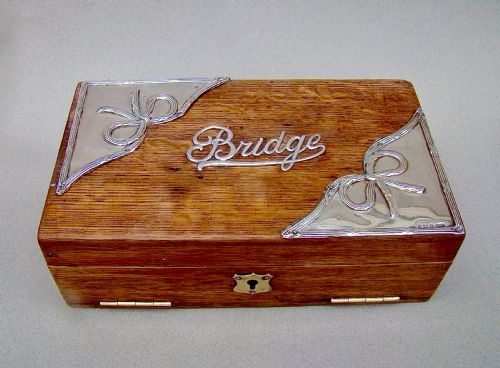
An edwardian silver card box encompasses tabletop caskets, bridge boxes, and smaller personal cases intended for calling cards. The pieces appearing most frequently on this page date from the Edwardian period, often taking the form of dedicated playing card boxes lined with wood or leather.
Makers of the era also produced combined stationery pieces, incorporating compartments for stamps, cigarettes, and visiting cards. These items reflect the polite social rituals of the early twentieth century, where orderly containment of cards was essential for drawing rooms and gaming tables.
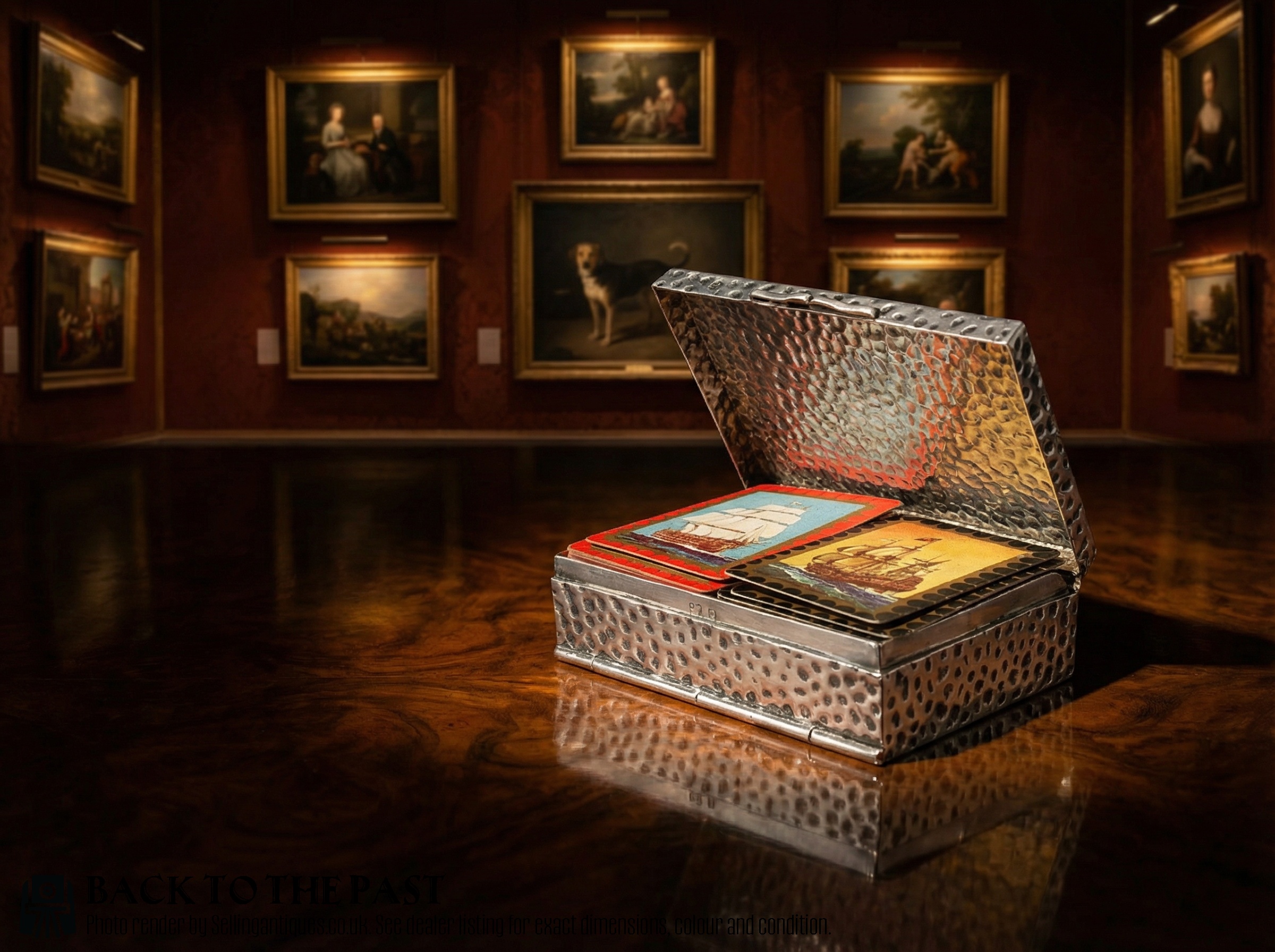
Materials and Construction
Silversmiths constructed these boxes using sterling silver sheets shaped over wooden carcasses or fitted with leather bodies. Interiors were frequently lined with velvet, satin, or silver gilt to protect delicate paper cards from friction and tarnishing.
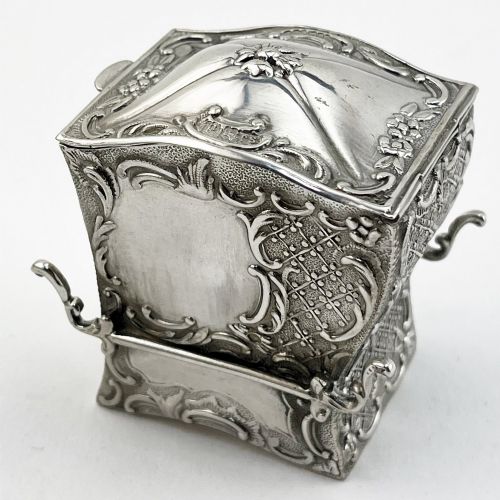
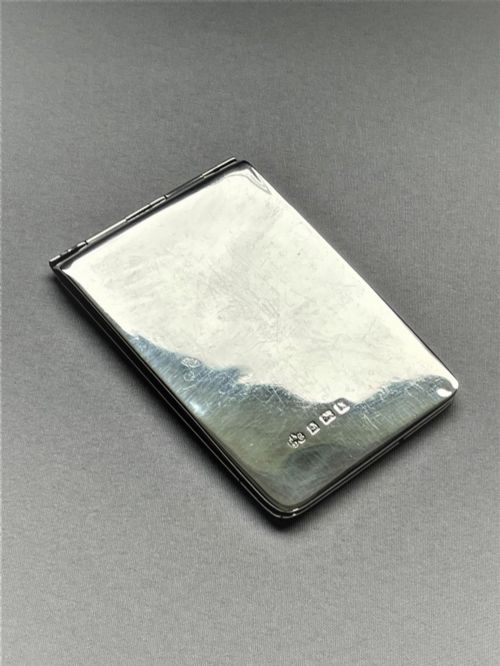
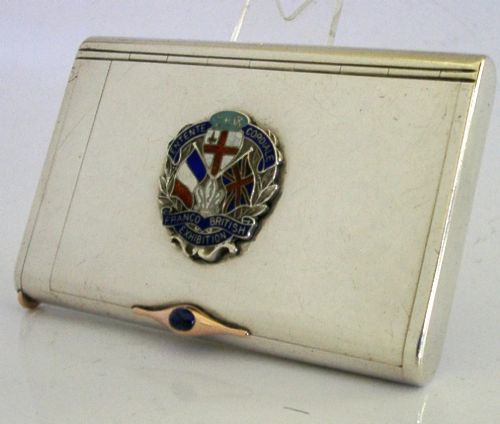
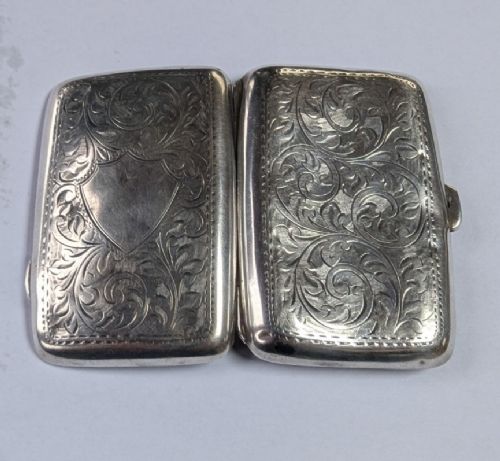
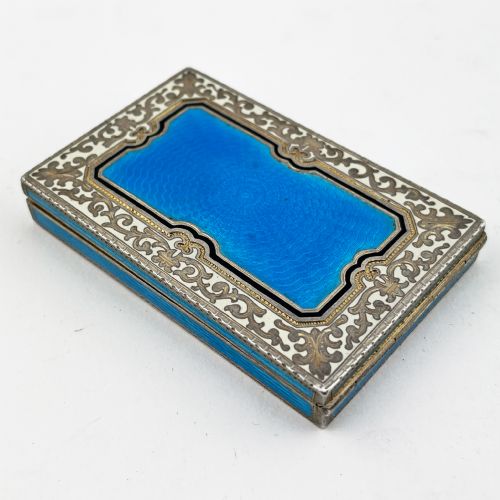
Surface decoration relies on techniques such as engine-turning, repoussé work, and applied enamel details. Assay office hallmarks stamped into the metal provide precise records of the Birmingham, Chester, or London makers responsible for each piece.
Edwardian Silver Card Box Retail Price Guide 2026
Typical asking prices for edwardian silver card box among the pieces listed under this phrase on Sellingantiques today, from the lower quarter to the upper quarter. They describe what is for sale here now, not the wider market.
The inventory here spans the Edwardian era alongside Victorian and Art Deco pieces, utilising sterling silver, oak, leather, and enamel.
Craftsmanship and Distinction
Quality in an edwardian silver card box rests upon the weight of the metal and the crispness of the chased or embossed decoration. Superior examples feature robust internal wooden linings that remain firmly joined to the outer silver mountings without wobble.
Hinges and clasps dictate the longevity and tactile pleasure of the piece, closing with a secure, satisfying click. Finer boxes often include hand-painted enamel panels or specialised internal divisions that elevate them beyond standard commercial production.
A. Wilcox·Levi & Salaman·Liberty & Co·Sampson Mordan·Charles Penny Brown·William Comyns·Henry Matthews·Nelson and Drake
The Edwardian Silver Card Box Glossary
- Sterling silver
- A silver alloy containing 92.5 percent pure silver and 7.5 percent other metals, usually copper. This standard composition provides the durability required for functional boxes.
- Silver gilt
- Sterling silver that has been coated with a thin layer of gold on the interior surfaces. This technique prevented the acidic properties of cards and tobacco from tarnishing the base metal.
- Hallmark
- A series of official marks stamped onto precious metals indicating the maker, assay office, and year of testing. These stamps are crucial for verifying the date and origin of antique silver.
- Repoussé
- A metalworking technique where the silversmith hammers the silver from the reverse side to form a raised design in relief. Details are subsequently refined from the front using chasing tools.
- Bridge box
- A specialised container designed specifically to hold double decks of playing cards and scoring materials. They often feature hinged lids and fitted wooden interiors partitioned for orderly storage.
Edwardian Silver Card Box: Frequently Asked Questions
What is an edwardian silver card box used for?
These boxes were originally manufactured to store visiting cards for formal social calls or to keep decks of playing cards organised during bridge and patience games.
Today, they function as elegant desk accessories for holding modern business cards, trinkets, or keepsakes while adding period character to a room.
How can I tell if my box is solid silver?
Look closely at the metal surfaces for a set of official punch marks, which typically include a walking lion passant indicating sterling standard alongside assay office symbols and date letters.
If the metal shows base alloy beneath worn areas or lacks these stamped hallmarks, the exterior is likely plated rather than solid sterling silver.
Why do some boxes have wooden or leather interiors?
Silversmiths lined the silver mounts with cedar, oak, or leather to provide structural rigidity and prevent paper playing cards from warping due to ambient moisture.
These organic linings also cushioned the delicate silver walls against dents and muffled the sound of cards shifting inside the container.
How do I clean an antique silver card box?
Dust the piece gently with a soft microfibre cloth and apply a specialised silver polish sparingly only when necessary, avoiding abrasive pastes that damage fine chasing.
Keep polishes away from velvet linings, enamel panels, and wooden interiors to prevent staining or degrading the original materials inside the box.