


Arts and Crafts Ceramics
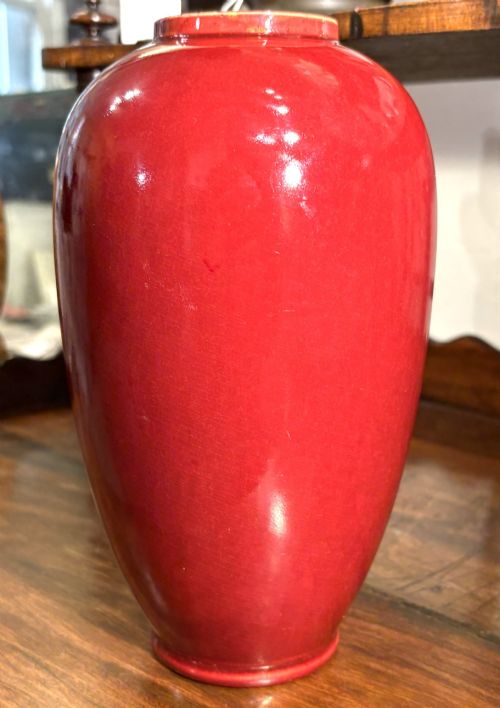
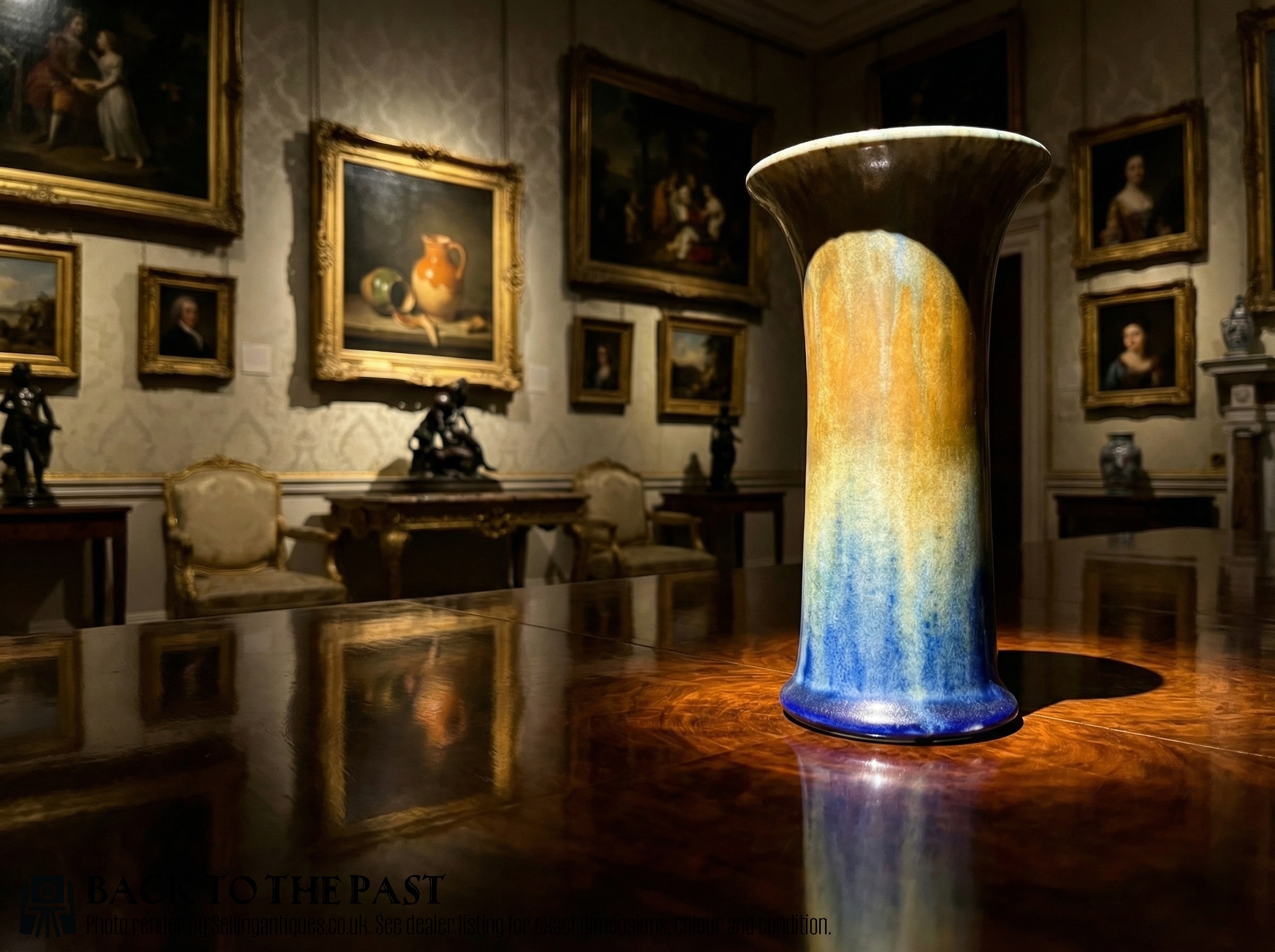
Arts and crafts ceramics bring hand-thrown warmth and tactile studio glazes to interiors, offering collectors distinct pieces rooted in late Victorian and Edwardian design movements.
Arts and Crafts Ceramics
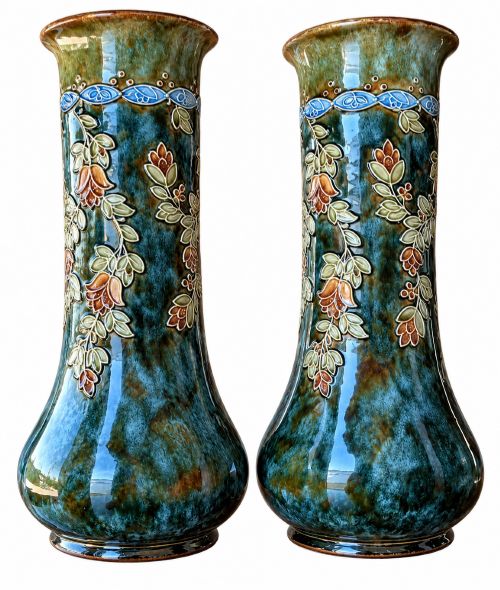
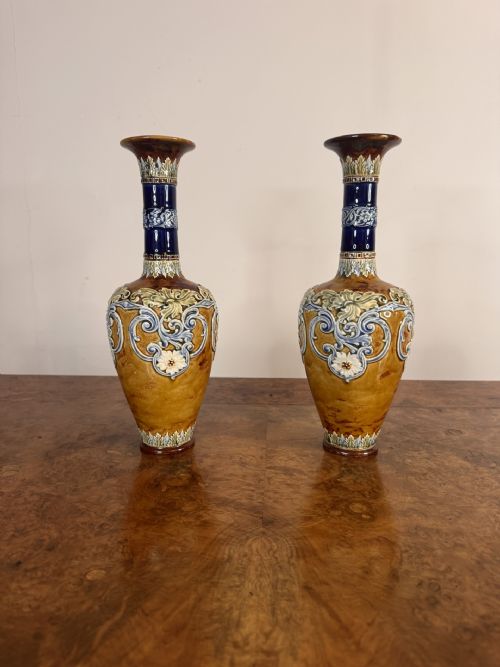
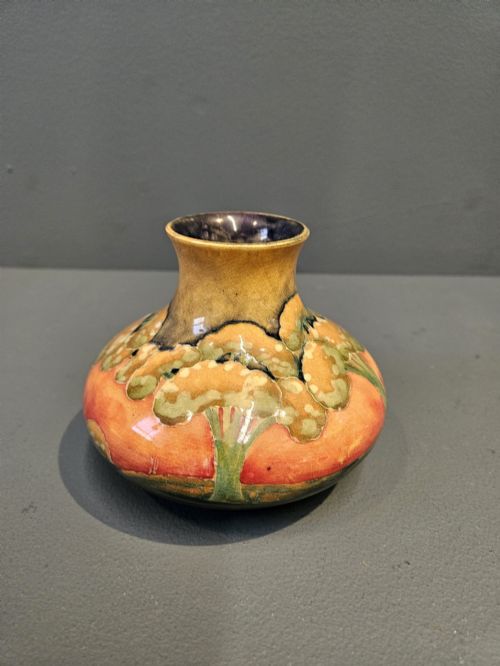
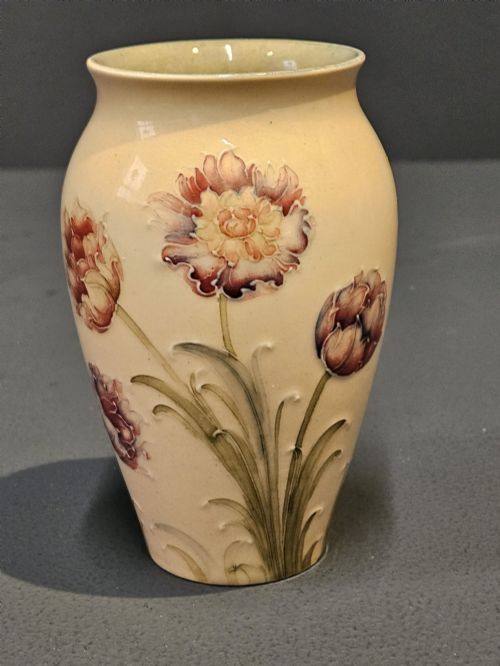
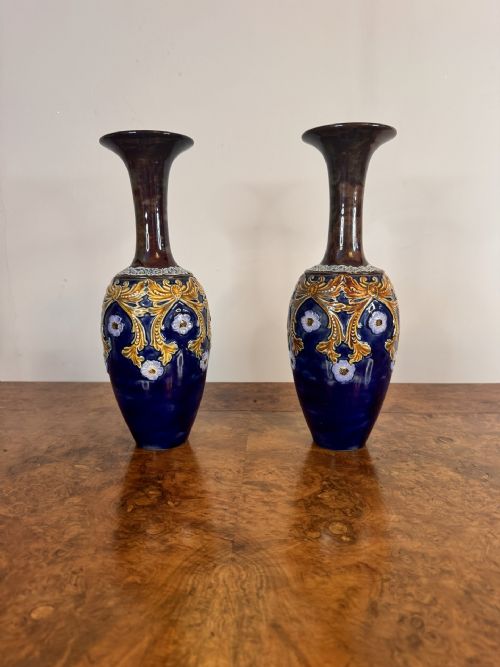
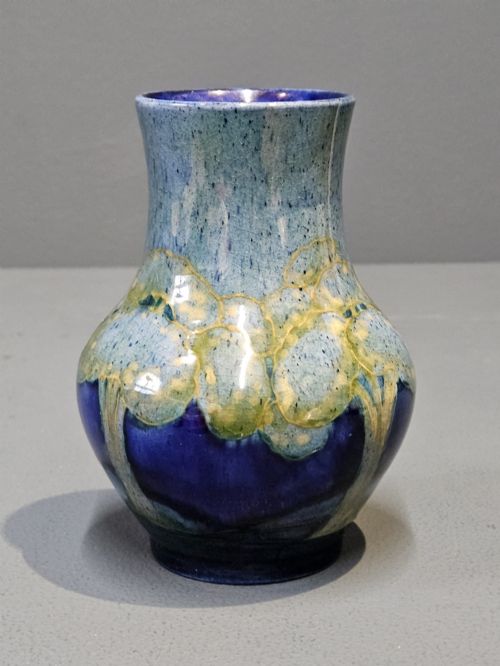
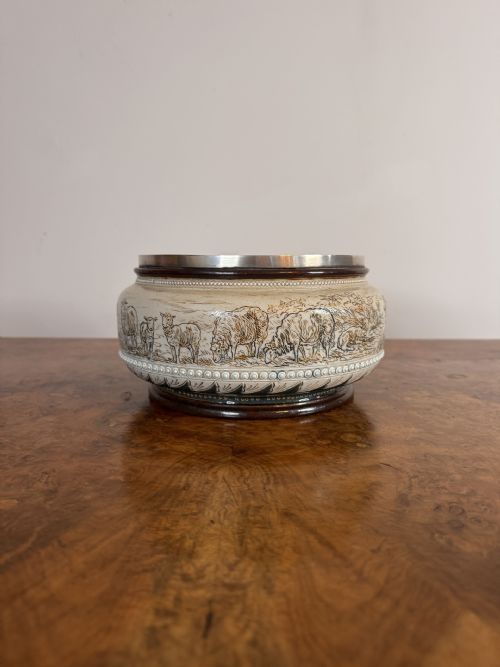
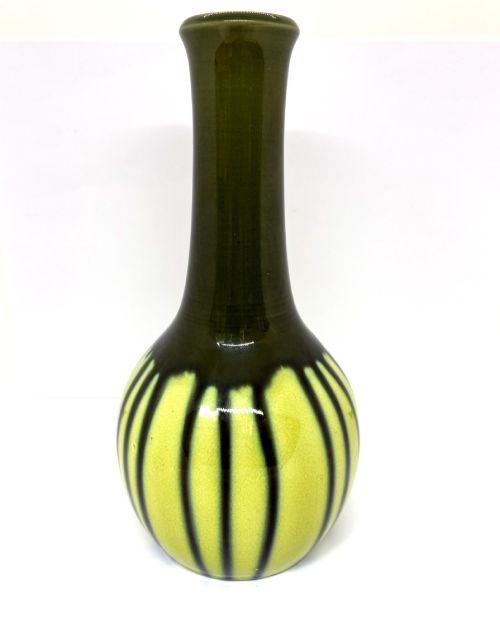
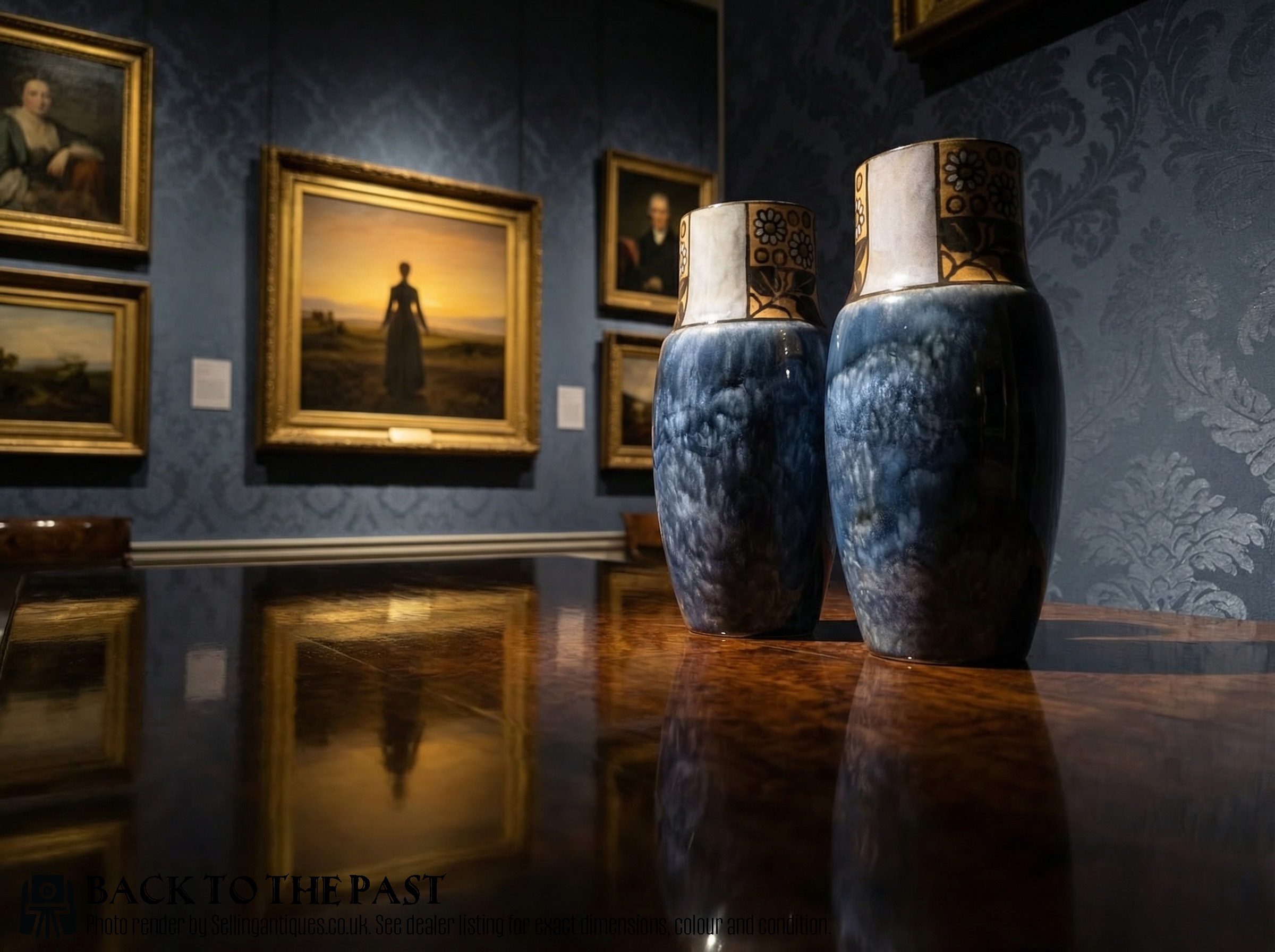
When you search for arts and crafts ceramics, you are looking at studio pottery, glazed earthenware, and heavy stoneware vessels produced predominantly between the late nineteenth century and the early decades of the twentieth century. These objects bridge utilitarian forms and decorative arts, reflecting the broader philosophy of handcraft and design reform that defined the period.
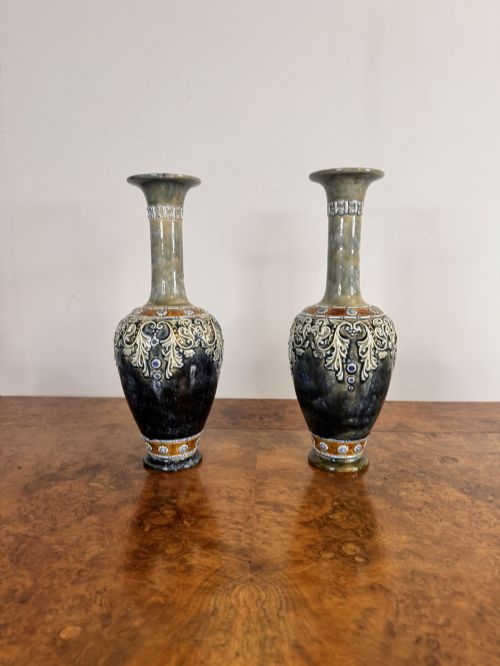
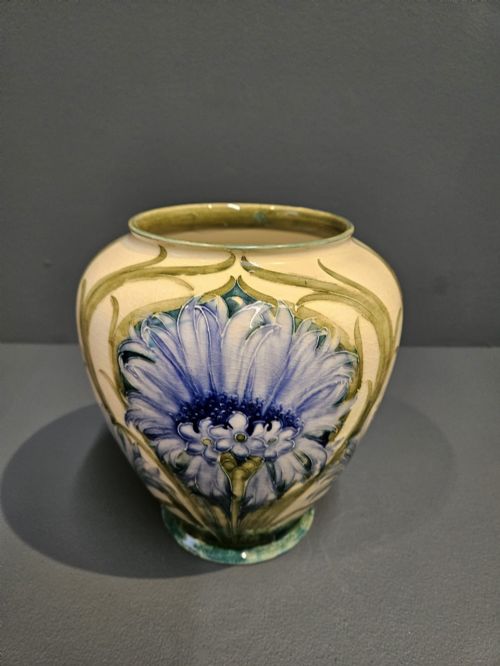
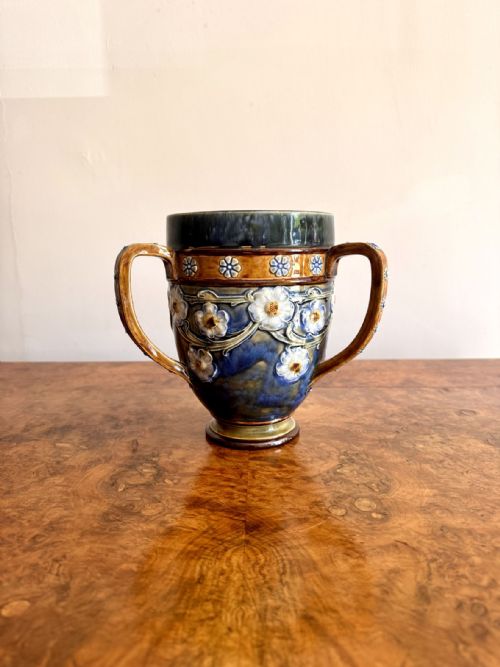
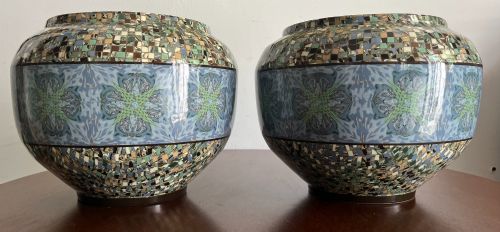
On this page, you are most likely to meet pieces originating from prominent potteries such as Doulton Lambeth and Moorcroft, alongside studio works by makers like Sir Edmund Elton. The selection spans vases, jugs, pitchers, wall plaques, and jardiniere stands, often incorporating timber elements such as oak frames and tiled table surfaces.
The aesthetic bridges Victorian historicism, Art Nouveau fluidity, and early Art Deco geometry, yet remains anchored by the textured glazes and incised or tube-lined decoration characteristic of the movement. Collectors encounter everything from small cabinet vases to tall pedestals, each demonstrating the shift from industrial mass production toward individual studio expression.
Materials and technique
Potters of this era shaped ceramic bodies from local clays, distinguishing their work through durable stoneware and finer earthenware that supported complex surface decoration. Artisans applied glazes ranging from deep celadon tones to vibrant tube-lined polychrome palettes, sealing the porous clay bodies while adding rich visual depth.
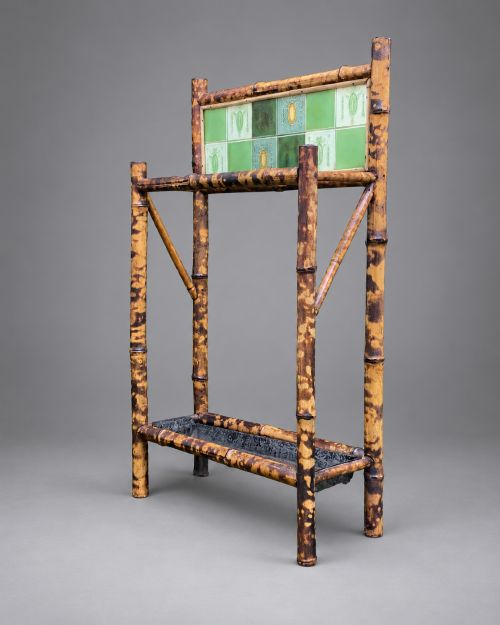
Decoration relied heavily on hand-incising, slip-trailing, and tube-lining to create raised outlines that held pooling glazes in place during kiln firing. Many vessels also incorporate secondary materials, uniting glazed ceramic tiles with solid oak frames in side tables and wall plaques to create functional household furnishings.
Arts and Crafts Ceramics Retail Price Guide 2026
Typical asking prices for arts and crafts ceramics among the pieces listed under this phrase on Sellingantiques today, from the lower quarter to the upper quarter. They describe what is for sale here now, not the wider market.
Materials documented across the inventory include glazed ceramic, stoneware, earthenware, and oak.
Judging quality and execution
Quality in these ceramics rests upon the crispness of the hand-applied decoration, the deliberate control of the glaze during firing, and the reputation of the individual artist or studio involved. Pieces bearing the specific incised monograms or painted signatures of notable designers demonstrate superior individual artistry compared to anonymous factory output.
The complexity of the technique also elevates a piece, distinguishing standard salt-glazed vessels from intricate tube-lined Secessionist wares or finely painted floral motifs. Furthermore, the integration of secondary materials, such as solid oak side tables fitted with undamaged art pottery tiles, reveals the standard of craftsmanship applied across mixed-media furnishings.
Royal Doulton Lambeth·Moorcroft·Burmantofts Pottery·Sunflower Pottery·Wileman Intarsio·Minton Secessionist·Sherwin and Cotton·Lauder Pottery
The Arts and Crafts Ceramics Glossary
- Stoneware
- A robust, vitrified pottery body fired at high temperatures until impermeable to liquids. It forms the heavy, durable base for many nineteenth-century studio and factory vessels.
- Earthenware
- Porous pottery fired at lower temperatures that requires a vitreous glaze coating to hold water. It provides a receptive surface for bright pigments and slip decoration.
- Tube-lining
- A decorative technique where liquid clay slip is squeezed through a nozzle onto a pottery body to form raised outlines. These borders contain pools of coloured glaze during firing.
- Jardinier
- A large decorative pot or stand designed to hold a growing plant or floral arrangement. They frequently feature heavy glazed ceramic bodies and patterned relief decoration.
- Tyg
- A large drinking vessel typically featuring multiple handles designed for communal passing. In this tradition, they are rendered in decorative stoneware with incised ornamentation.
Arts and Crafts Ceramics: Frequently Asked Questions
How do I identify arts and crafts ceramics?
Look for hand-incised patterns, tube-lined floral motifs, and earthy glaze tones that reflect early studio pottery traditions.
Many pieces carry factory stamps, monograms, or artist signatures on the underside to confirm their origin and period.
What is the difference between stoneware and earthenware?
Stoneware is fired at higher temperatures until the clay vitrifies, making it dense, heavy, and naturally waterproof.
Earthenware remains porous after firing and relies entirely on an applied glaze surface to seal the clay body.
Were these ceramics used daily?
While jugs, pitchers, and tablewares served practical functions in period homes, many larger vases and tiled stands were strictly ornamental.
The inclusion of tiled tops in oak furniture combined utility with the artistic display of decorative ceramics.
How should I care for ceramic furniture?
Dust glazed ceramic surfaces gently with a dry or slightly damp cloth, avoiding harsh chemical cleaners that might dull the finish.
Maintain the oak timber frames of tables and jardiniere stands with appropriate furniture wax to preserve the wood.