
Art Nouveau Tables
When you search for art nouveau tables, you find wooden and metal occasional pieces embodying organic lines from the turn of the twentieth century.
Art Nouveau Tables
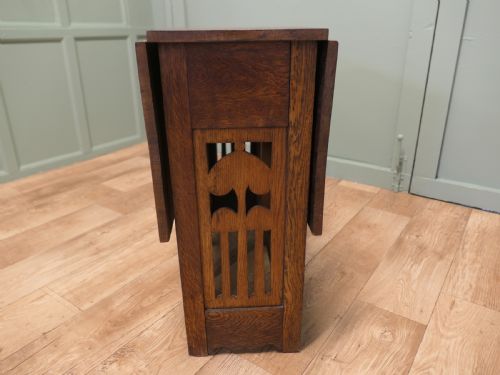
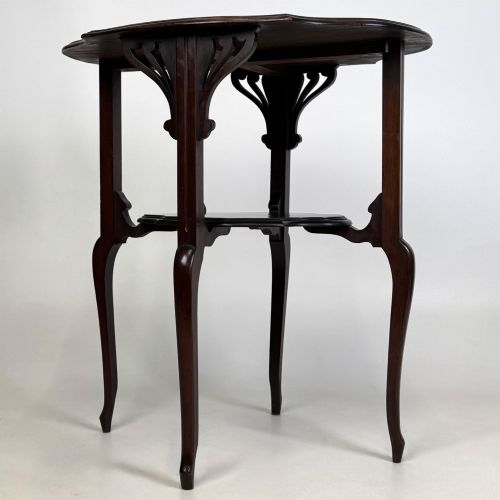
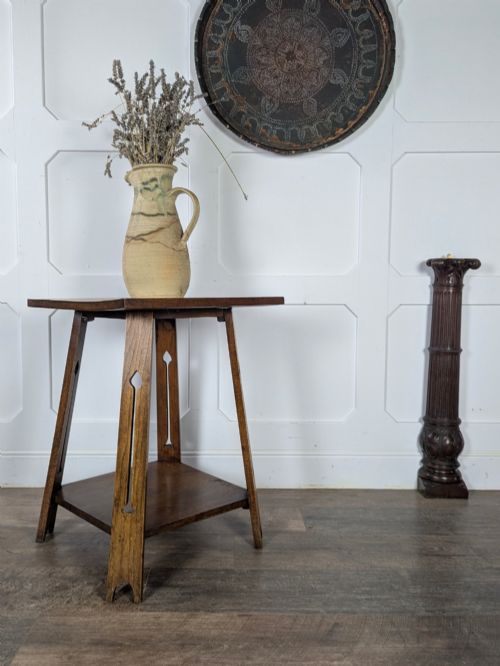
Mahogany and oak provide the primary timber structures for these side and occasional tables. Makers integrate carved details or inset ceramic tiles to align with the dominant artistic styles of the period.
Nesting tables represent a recurring form within this category, allowing multiple surfaces to tuck beneath one another. These sets appear in carved mahogany woods across the Edwardian period.
How they were made
Carpenters shape mahogany and oak timbers using traditional joining methods to build the frames for these occasional surfaces. Carving tools execute the characteristic whiplash curves and floral motifs directly into the wood grain.
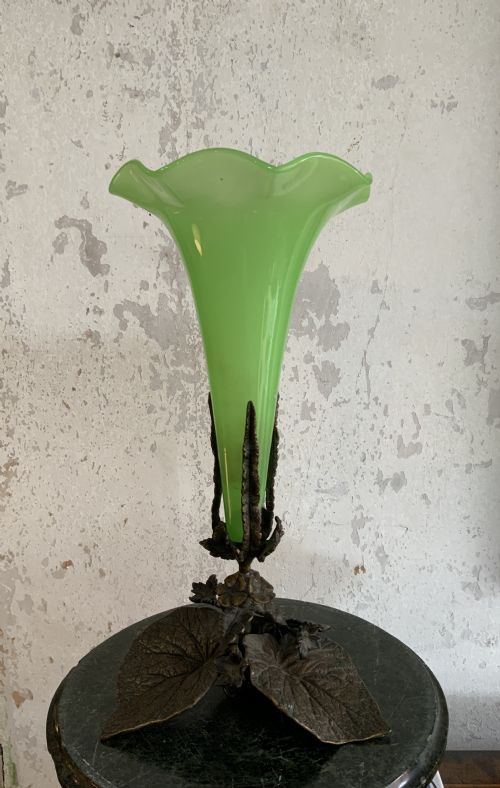
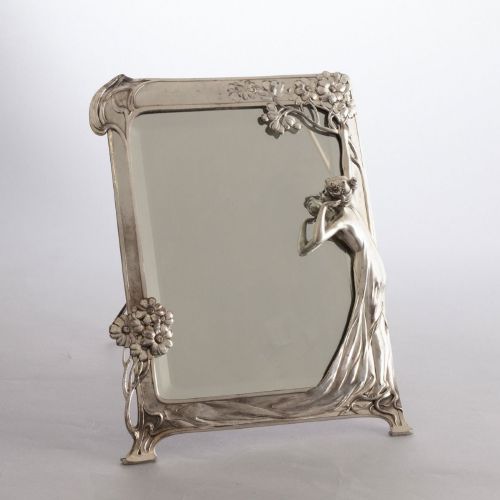
Metal elements incorporate cast bronze, brass, and pewter, often shaped into structural supports or decorative mounts. Ceramic tiles frequently insert directly into wooden table tops to provide heat-resistant surfaces.
What varies in quality
The depth and fluidity of the carved woodwork separate standard production items from finer artistic examples. Crisp execution in plant-inspired motifs demonstrates superior workshop competency.
The integration of secondary materials, such as inset tiles or cast metal mounts, dictates the overall refinement of the piece. Superior examples maintain balanced proportions between the timber frame and decorative accents.
Émile Gallé·Liberty and Co·Archibald Knox
The Art Nouveau Tables Glossary
- Art Nouveau
- A decorative style characterised by fluid, organic lines and floral motifs popular around nineteen hundred. This movement influenced furniture design, metalwork, and glass.
- Edwardian
- A stylistic period spanning the reign of King Edward the Seventh up to the First World War. Furniture from this era often lighter construction and borrows from earlier revival styles.
- Mahogany
- A durable tropical hardwood with a reddish-brown colour utilised extensively for Edwardian and turn-of-the-century cabinet making. This material accepts fine carving details.
- Oak
- A strong domestic timber displaying prominent grain patterns used in Arts and Crafts and period furniture. It provides structural stability for heavily carved occasional tables.
- Occasional table
- A small movable table designed for specific, temporary uses such as holding books or lamps within a room. These items form a substantial portion of domestic antique seating areas.
Art Nouveau Tables: Frequently Asked Questions
What defines art nouveau tables?
These pieces display characteristic organic curves, floral carvings, and asymmetrical lines typical of the decorative movement around nineteen hundred.
Constructed mainly from mahogany or oak, they function as side surfaces and occasional tables within period interiors.
How do I care for wooden tables?
Keep wooden surfaces away from direct sunlight and heat sources to prevent the timber from drying and splitting over time.
Apply suitable beeswax periodically to nourish the mahogany or oak grain without building up heavy chemical layers.
Are nesting tables common?
Multiple tables that fit together under a main surface appear frequently in carved mahogany formats from the Edwardian era.
These sets offer practical surface space while maintaining a compact footprint when not in use.
How do I identify the period?
Examine the construction methods, timber choices, and decorative motifs to determine the manufacturing era of the furniture.
Turn-of-the-century pieces combine specific floral carving styles with Edwardian or Arts and Crafts structural characteristics.