




Art Nouveau Centrepiece
When you search for an art nouveau centrepiece, you are looking for the fluid lines and natural motifs that defined the turn of the twentieth century on the dining table.
Art Nouveau Centrepiece
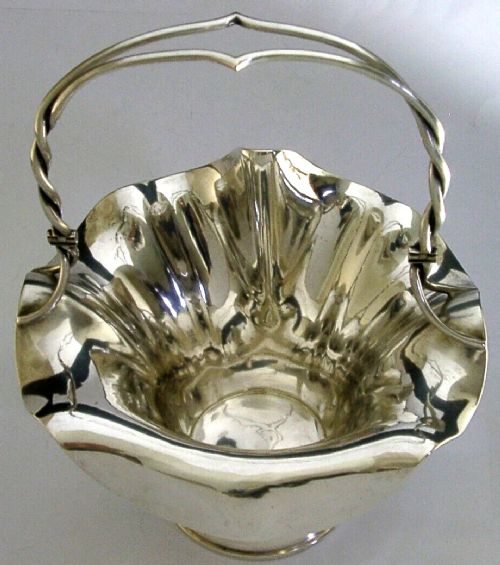
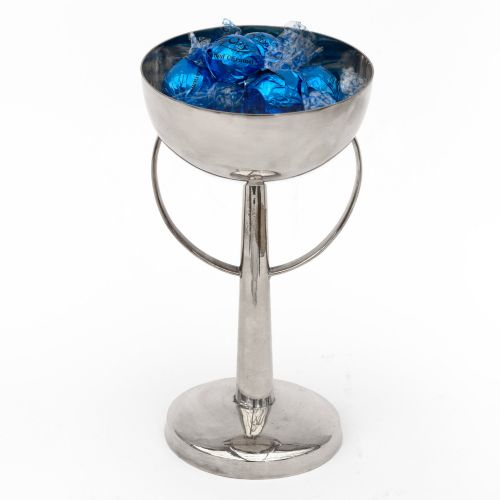
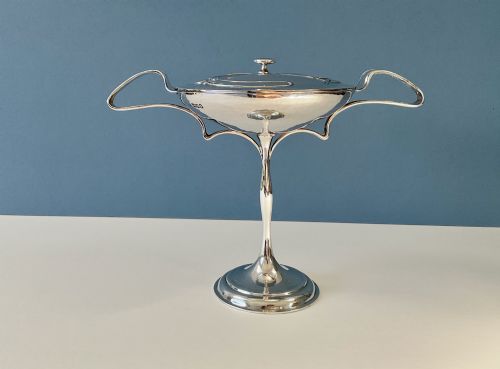
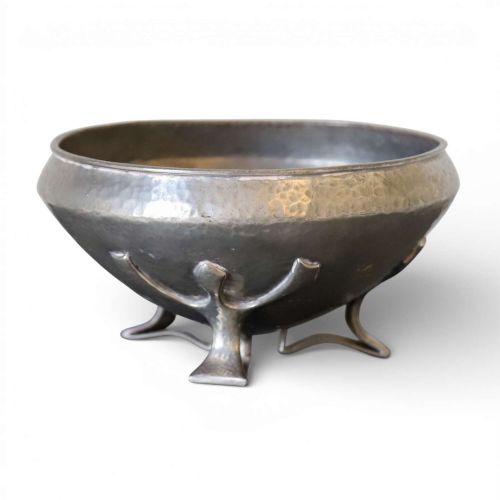
An art nouveau centrepiece serves as a decorative focal point for a table or sideboard, taking the form of open bowls, elevated epergnes, figural dishes, and baskets. The pieces you encounter most frequently on this page date from the late nineteenth century through the Edwardian period, often reflecting regional European movements such as Jugendstil, the Vienna Secession, and the French Belle Epoque.
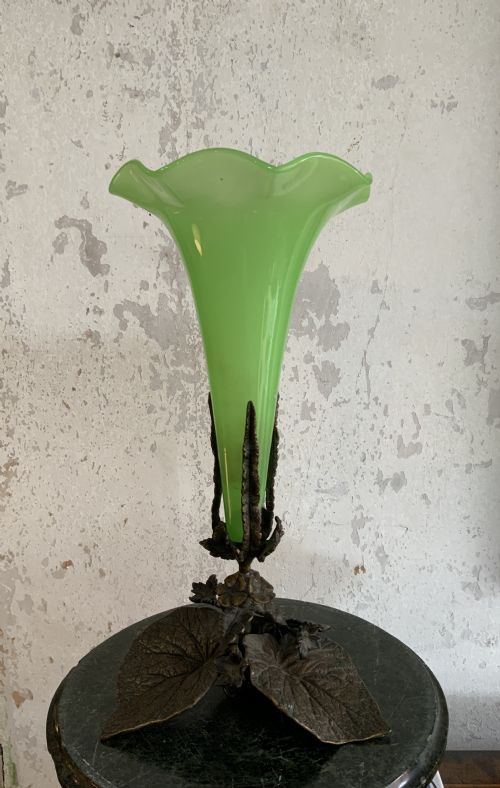
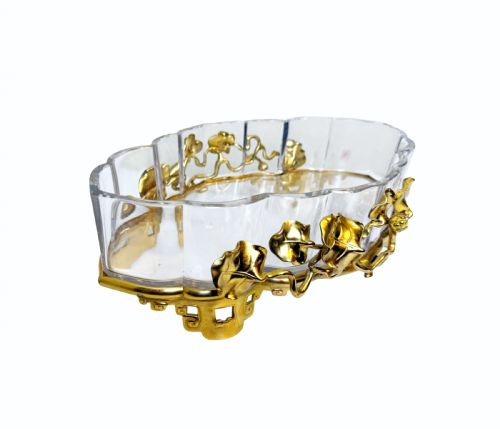
Makers expressed the organic aesthetic through varied object types, including silver-plated stands fitted with green glass inserts, glazed pottery bowls, and iridescent glass vessels. These table displays often incorporate stylised plant stems, scrolling foliage, and draped female figures that capture the characteristic flow of the era.
Materials and construction
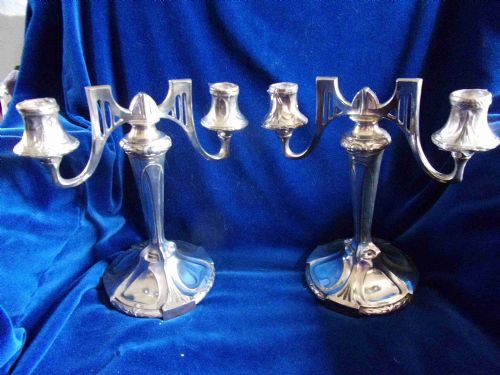
Metalwork dominates the surviving pieces, utilising sterling silver, silver plate, brass, and specialised alloys such as Tudric pewter and WMF silver-plated metal. Artisans shaped these metals through casting, hammering, and openwork piercing to form sinuous frames and handles.
Glassmaking techniques achieved striking visual textures, combining iridescent glass, uranium glass, crystal, and cameo glass liners within metal mounts. Porcelain manufacturers utilised moulded ceramic bodies finished with glazes, gilding, and hand-painted details to create figural centrepieces and vases.
Art Nouveau Centrepiece Retail Price Guide 2026
Typical asking prices for art nouveau centrepiece among the pieces listed under this phrase on Sellingantiques today, from the lower quarter to the upper quarter. They describe what is for sale here now, not the wider market.
Several porcelain centrepieces feature frogs peering up from the rim of a shell, reminding us that turn-of-the-century diners enjoyed a touch of pond life with their dessert.
Distinctions in craftsmanship
The distinction between standard production and the upper tier rests upon the crispness of the casting and the integration of components. Finer items display meticulous hand-chasing on metal mounts, harmonious pairings of hand-blown glass inserts, and careful modelling on figural porcelain.
Makers who engaged notable designers achieved greater sculptural cohesion, ensuring that mounts and glass vessels were conceived as a single artistic unit rather than assembled from generic parts.
Liberty & Co·WMF·Royal Dux·Loetz Witwe·Ernst Wahliss·Orivit·St Louis glassworks·LCT Tiffany·Joseph Rodgers & Sons
The Art Nouveau Centrepiece Glossary
- Epergne
- A tiered centrepiece dish featuring multiple branching holders for fruit, sweets, or small flower vases. These tall arrangements commanded attention at formal nineteenth-century dining tables.
- Tazza
- An elevated shallow bowl or cup supported by a stem and foot, frequently utilised for display. In this period, they often featured intricate metalwork framing glass or ceramic liners.
- Jugendstil
- The German-language manifestation of the art nouveau movement, named after the Munich art magazine Die Jugend. It shares the characteristic organic curves and dynamic plant-inspired motifs.
- Favrile
- An iridescent art glass developed and patented by Louis Comfort Tiffany. The technique produces a shimmering, multifaceted surface sheen across vases and bowls.
- Phänomen
- A specialised iridescent glass surface decoration created by the Loetz factory, featuring combed wavy lines across the body of the vessel.
Art Nouveau Centrepiece: Frequently Asked Questions
What was an art nouveau centrepiece used for?
These decorative objects occupied the middle of the dining table during formal meals, holding fruit, bonbons, or floral arrangements. They functioned as conversation pieces that displayed the host's taste.
Over time, many transitioned into permanent display items on sideboards or mantelpieces, appreciated purely for their sculptural qualities.
How do I care for silver plated metal?
Silver plate requires gentle cleaning with a soft cloth and non-abrasive silver polish to preserve the thin metallic layer over the base metal. Avoid harsh scrubbing that can wear away the plating.
Glass liners and ceramic bowls should be washed separately in lukewarm water using mild soap, avoiding sudden temperature changes.
How do I distinguish Jugendstil from French pieces?
German and Austrian Jugendstil design often leans towards geometric abstraction alongside floral motifs, influenced by the Vienna Secession. French pieces tend to favour flowing, asymmetrical plant forms and female figures.
Examining the factory marks and the style of the metal mounts usually clarifies the regional origin of the piece.
Are glass liners original to the metal frames?
Original glass liners fit snugly into the metal baskets or stands, matching the contours designed by the manufacturer. Replacements often sit unevenly or lack the correct tint and weight.
Checking for matching wear patterns on both the glass base and the interior of the metal frame helps confirm their original pairing.