


Art Nouveau Bronze Figurine
Art nouveau bronze figurine works capture flowing organic lines and natural forms, offering tactile elegance that brings characteristic period grace to any interior space.
Art Nouveau Bronze Figurine
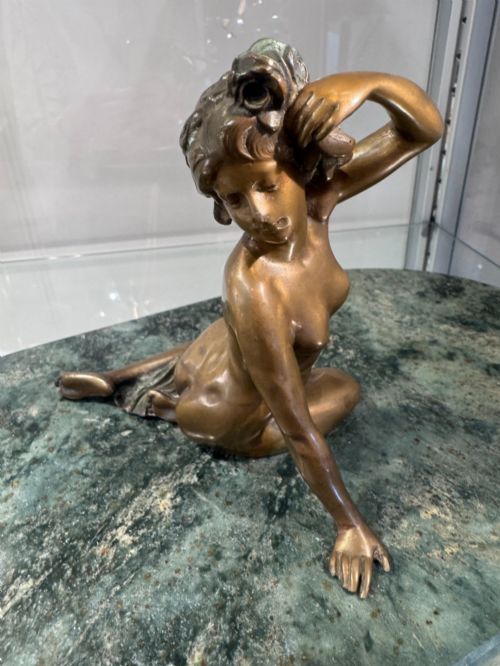
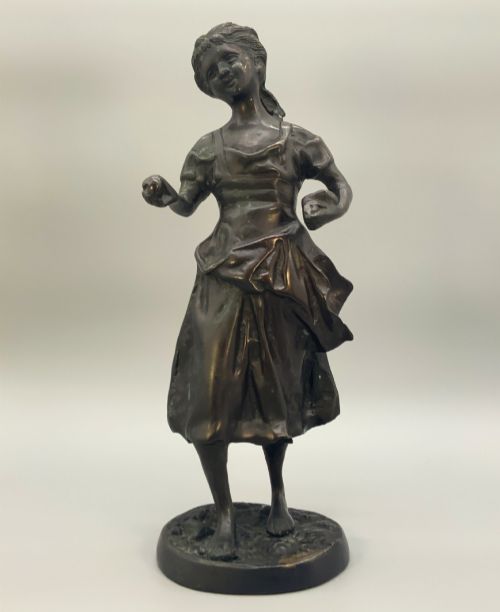
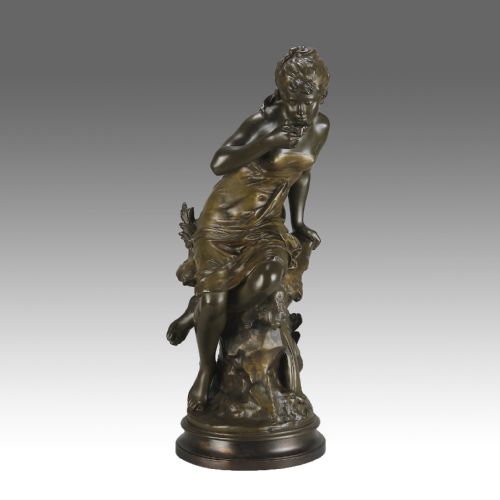
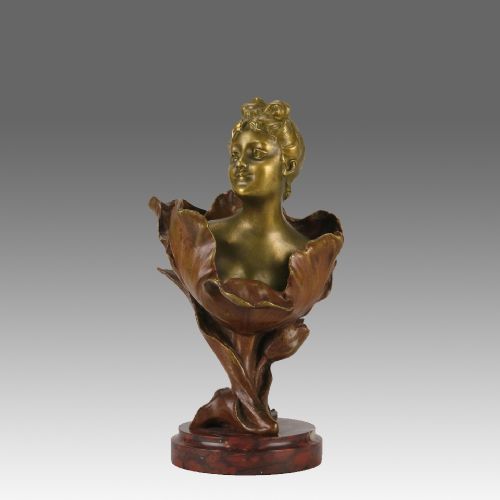
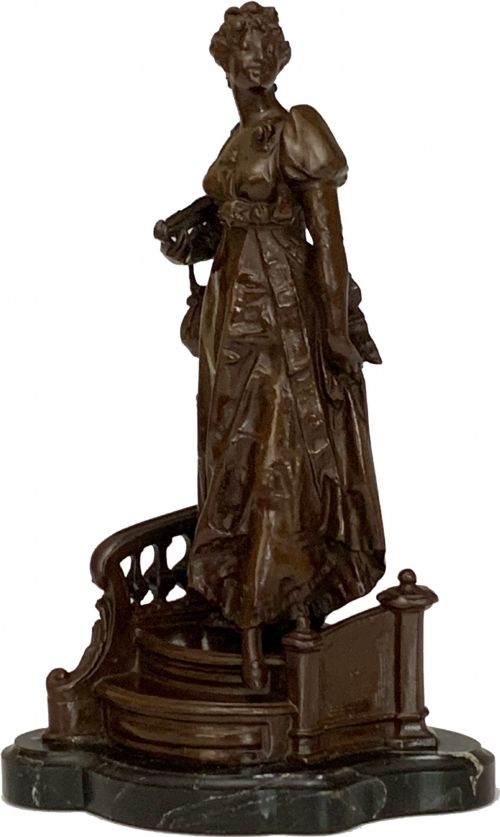
An art nouveau bronze figurine represents fluid feminine forms, mythological figures, and natural motifs cast during the late nineteenth and early twentieth centuries. These sculptures embody the sinuous curves and organic ornamentation characteristic of the movement, frequently depicting maidens, dancers, and allegorical subjects.
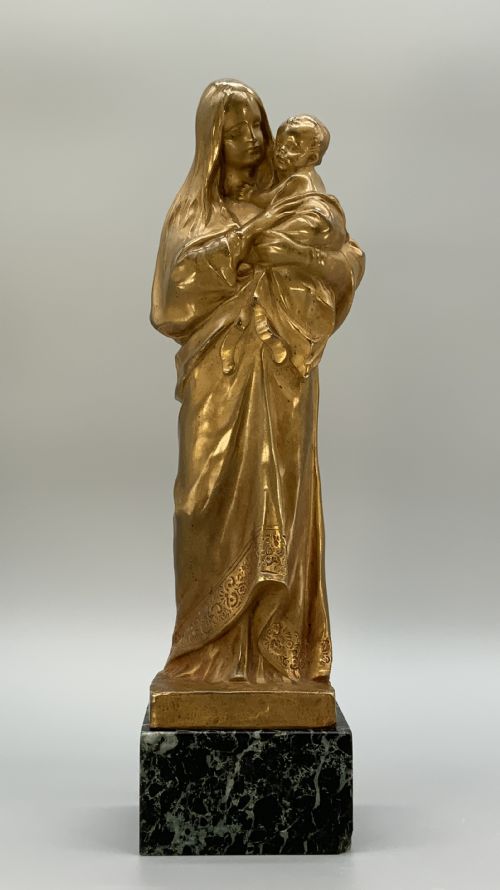
The pieces encountered most frequently span from eighteen eighty to nineteen twenty, originating predominantly from French and Austrian foundries and workshops. Many examples incorporate bases or plinths made of contrasting materials like marble or alabaster to elevate the metallic subject.
Makers utilised various scales ranging from cabinet statuary to substantial busts and table lamps, allowing these works to function as both decorative art and functional illumination. Subjects extend beyond human figures to include animals and botanical groupings cast in the distinctive style.
Materials and casting methods
Foundries utilised traditional lost-wax casting alongside sand casting methods to capture intricate details in bronze, gilt bronze, and patinated bronze. Artisans applied chemical patinas to achieve nuanced surface colours, ranging from deep brown and green tones to bright gilded finishes.
Alternative media such as spelter, terracotta, and earthenware appear alongside metal casts to offer varied surface textures and finishes. Sculptors frequently mounted their metal figures onto carved marble or alabaster plinths to provide stability and visual contrast.
One remarkably specific cast captures a lobster boy alongside a charming group of five dancing peacocks.
Distinctions in craftsmanship and cast definition
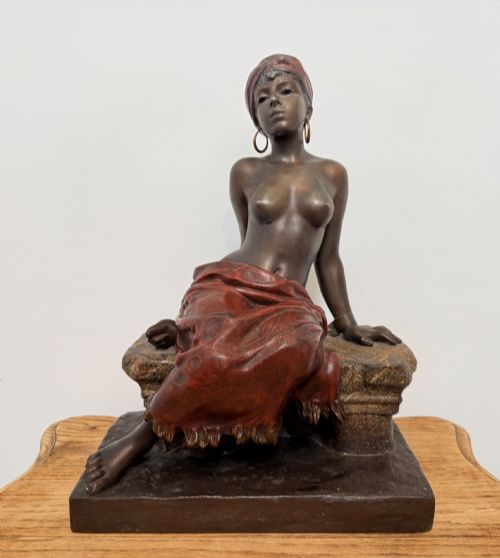
The application of the patina or cold-painted surface dictates visual depth, with masterworks exhibiting subtle tonal gradations rather than flat, uniform colour. Furthermore, the integration of the figure with its marble or alabaster base demonstrates the overall structural integrity and original intent of the maker.
Moreau Family·Hans Müller·E Villanis·Mathurin Moreau·Henri Godet·Georges Van Der Straeten·Friedrich Goldscheider·Hector Lemaire·Sylvain Kinsburger·Anders Zorn·Carl Kauba·Franz Bergman·Ernst Barrias·Jennings Brothers·Clovis Masson·Eugène Désiré Piron·Maurice Bouval·Rudolf Küchler·Antoine Bofill·Georges Gardet·Charlotte Monginot·Aug. Moreau
The Art Nouveau Bronze Figurine Glossary
- Patinated bronze
- A metal sculpture treated with chemical solutions to produce a specific surface colour or aged finish. This process protects the metal while enhancing the sculptural contours.
- Spelter
- An alloy of zinc and other metals utilised as a cost-effective alternative to bronze. It accepts metallic paint finishes well but possesses a lighter weight and softer durability than bronze.
- Cold-painted bronze
- A polychrome technique where paint is applied to the bronze surface without heat fixing. It is particularly associated with Viennese workshops producing whimsical or naturalistic figures.
- Lost-wax casting
- A historic method of creating metal sculptures from an original model by encasing it in wax and molten material. This technique allows for exceptional detail and undercuts in the final cast.
- Chasing
- The manual process of refining and detailing a raw metal cast using hammers and punches. Artisans use this step to clean up seams and sharpen surface textures.
Art Nouveau Bronze Figurine: Frequently Asked Questions
What subjects do these figures depict?
The sculptures primarily feature graceful female figures, dancers, and allegorical representations inspired by nature and mythology. Animalier subjects and naturalistic plant motifs also appear frequently across the period.
Artists drew heavily on organic shapes, translating flowing hair, draped garments, and botanical elements into cast metal forms.
How do I care for a bronze sculpture?
Maintenance requires gentle dusting with a soft, dry cloth to prevent particulate accumulation on the surface. Avoid liquid cleaners and polishes, which can strip the original patina.
Keeping the piece away from direct sunlight and excessive moisture preserves the chemical finish and any underlying marble or alabaster components.
Are spelter and bronze different?
Spelter is a zinc-based alloy that served as a less expensive alternative to bronze during the nineteenth and early twentieth centuries. It is softer and lighter than bronze.
Bronze offers greater weight, durability, and resilience, making it the preferred medium for fine artistic casting.
How can I identify the maker?
Signatures, monograms, or foundry stamps are typically inscribed directly into the metal base or along the edge of the sculpture during the casting process. Examining these marks helps connect the piece to specific workshops or sculptors.
Documented styles and casting techniques recorded in period portfolios provide additional context for attribution.