

Art Deco Tiered Table
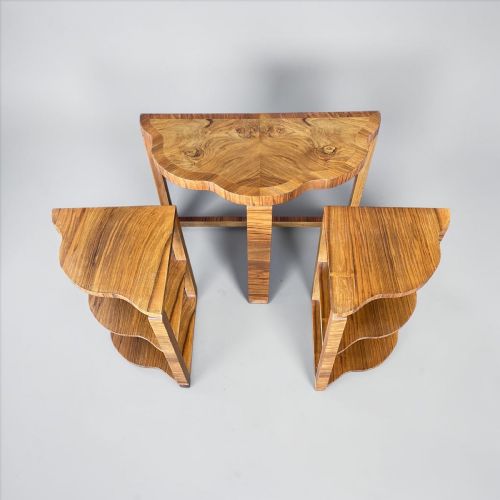
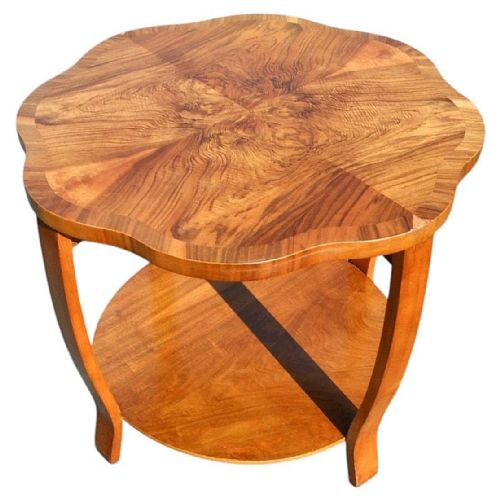
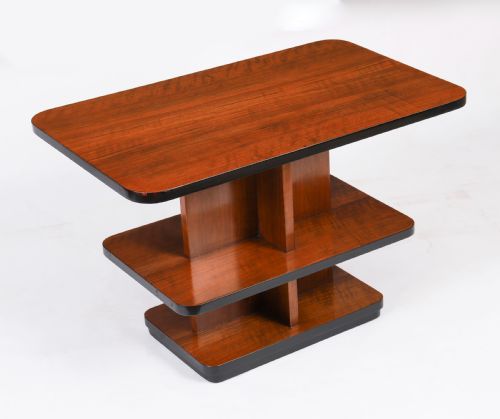
These art deco tiered table examples are practical occasional pieces offering stacked surfaces and geometric forms that suit modern interiors.
What these pieces are
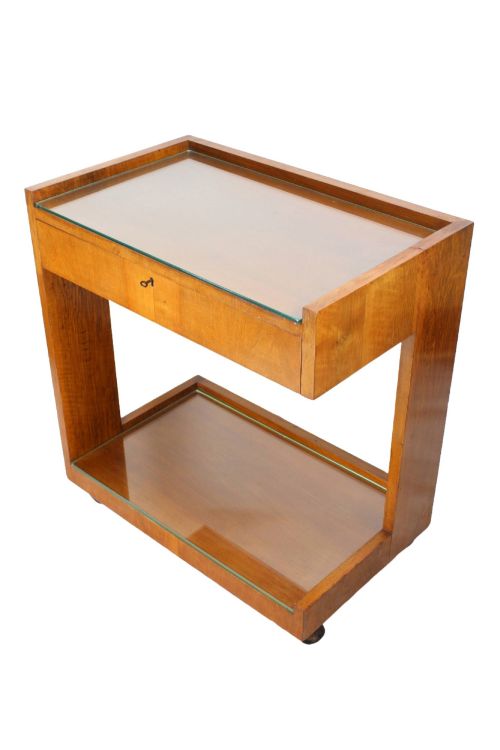
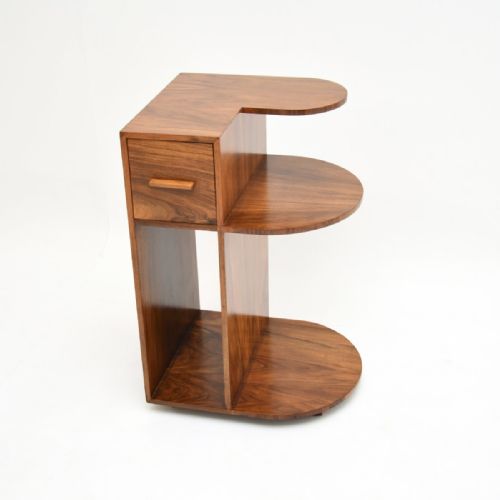
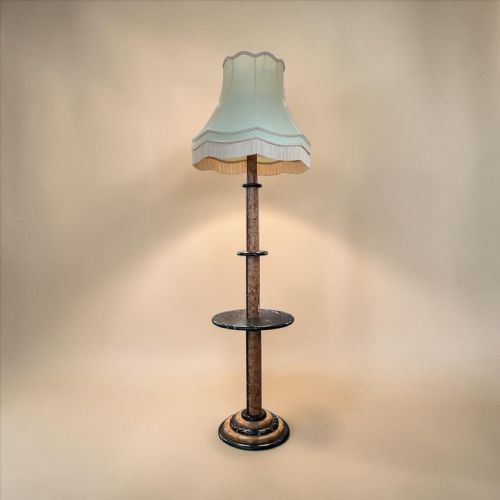
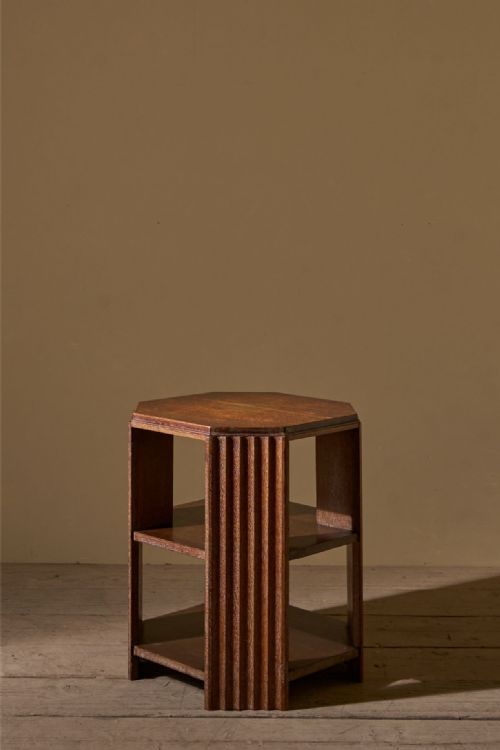
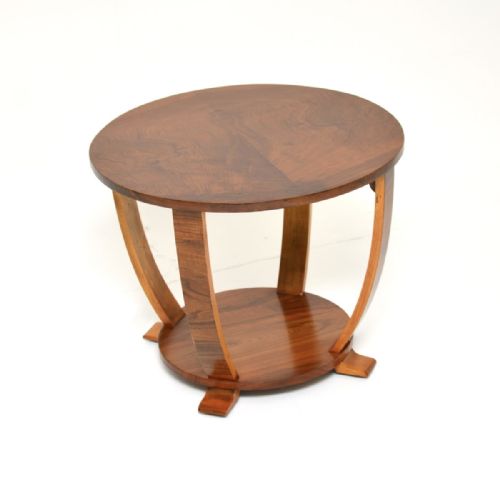
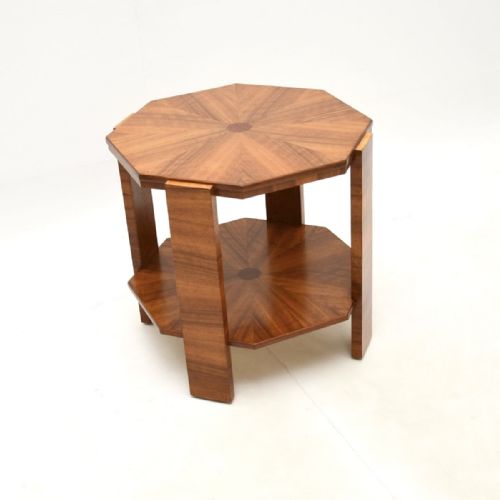
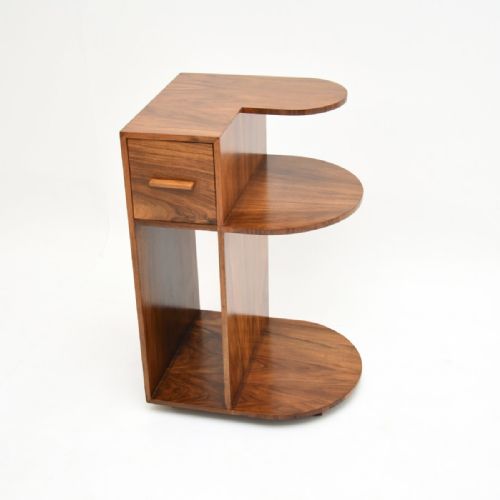
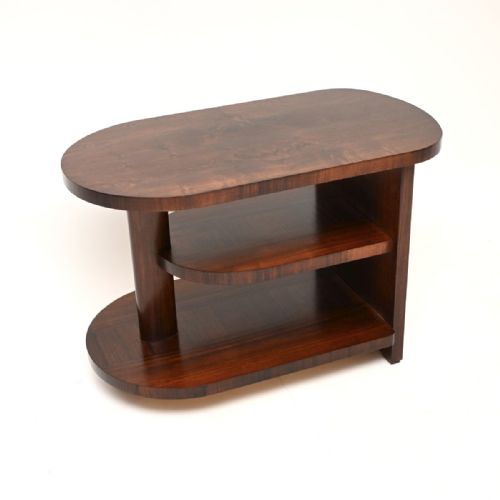
An art deco tiered table serves as a functional surface, often positioned beside seating or utilised as a centrepiece. Buyers encounter forms ranging from compact side tables to broader coffee tables with multiple levels.
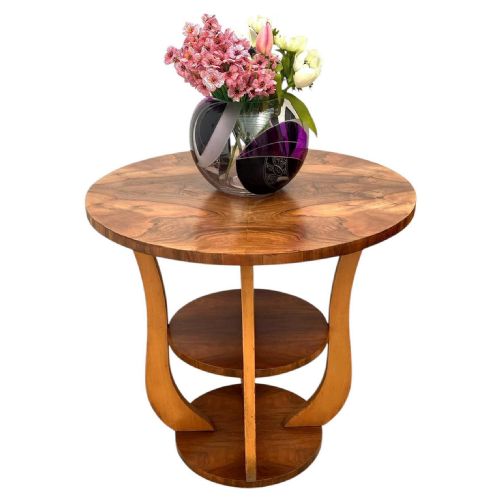
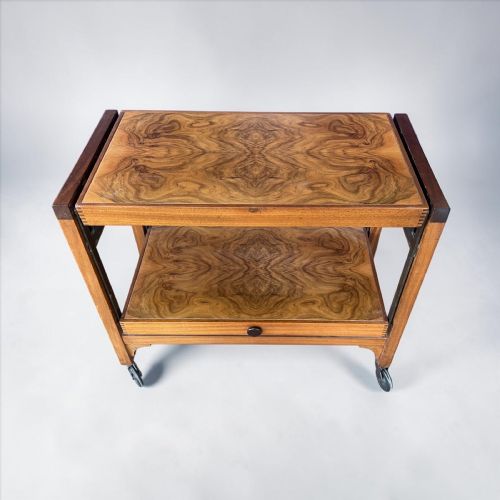
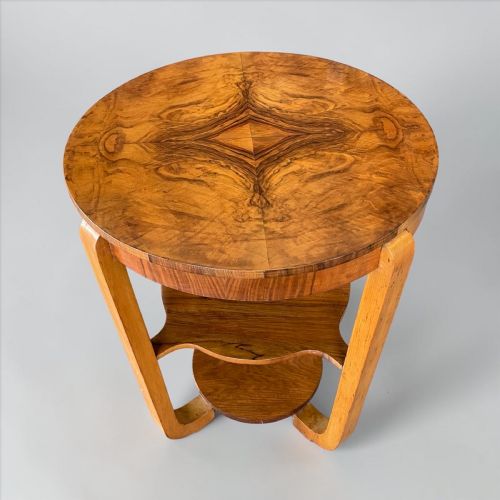
The surviving examples date principally from the nineteen thirties, with occasional overlap into the nineteen forties. These pieces typically take the shape of side tables, occasional tables, or coffee tables equipped with two or three distinct tiers.
How they were made
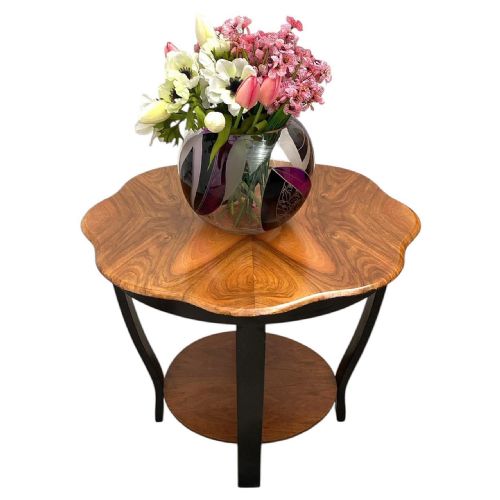
Cabinet makers utilised solid timber alongside complex veneer work to build these surfaces. Walnut remains the dominant wood, complemented by oak and contrasting ebonised wood details.
Many designs incorporate glass inserts alongside wooden tiers to create varied planes within the frame. Construction focuses on clean geometric lines characteristic of the period style.
Retail Price Guide 2026
Typical UK retail prices for art deco tiered table, calculated from the Sellingantiques database of over a million retail prices indexed since 2003. This retail price guide relies exclusively on Sellingantiques data; no external sources or auction records are used, so the figures do not describe the wider market.
What varies in quality
The choice of wood grain dictates the visual appeal, with highly figured walnut veneers occupying the upper tier of craftsmanship. Simpler construction using plain oak or ebonised accents sits elsewhere in the range.
Proportion and the integration of multiple tiers define the architectural success of each piece. Finer examples balance weight and support across the stacked surfaces without appearing cumbersome.
The Art Deco Tiered Table Glossary
- Veneer
- A thin slice of wood applied to a core structure to display attractive grain patterns. Figured walnut veneer is typical for this style.
- Tier
- A distinct horizontal surface arranged above another to provide extra display space. These tables commonly feature two or three levels.
- Ebonised wood
- Timber treated to resemble ebony, providing dark contrast against lighter walnut surfaces. This technique sharpens the geometric lines.
- Occasional table
- A small, movable table intended for specific, intermittent use within a room. They function alongside side and coffee tables.
Frequently Asked Questions
What is an art deco tiered table used for?
These tables provide multiple surfaces for drinks, books, or decorative objects within living spaces. Their stacked design makes efficient use of floor space while offering distinct levels for display.
They function easily beside sofas or chairs as flexible additions to a room's layout.
How many tiers do these tables have?
Surviving examples typically feature two or three distinct levels arranged vertically. The additional tiers expand the usable surface area without increasing the footprint.
Square and rectangular configurations both appear across the available selection.
What materials are used in these tables?
Walnut and walnut veneer dominate the construction, often paired with glass inserts or ebonised wood details. Oak also appears as a primary solid timber in certain examples.
These materials deliver the characteristic warmth and contrast associated with the period.
Which period do these tables come from?
The recorded pieces date predominantly from nineteen thirty, with representation stretching into the nineteen forties. This places them firmly within the twentieth century art deco movement.
Constructed methods and timber choices reflect the design priorities of that era.