




Art Deco Standing Light
An art deco standing light brings structural warmth and geometric clarity to a room, turning everyday illumination into a focal point of period design.
Art Deco Standing Light
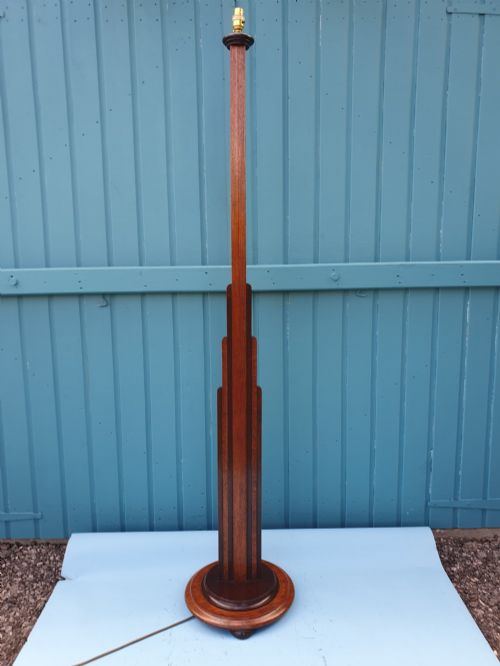
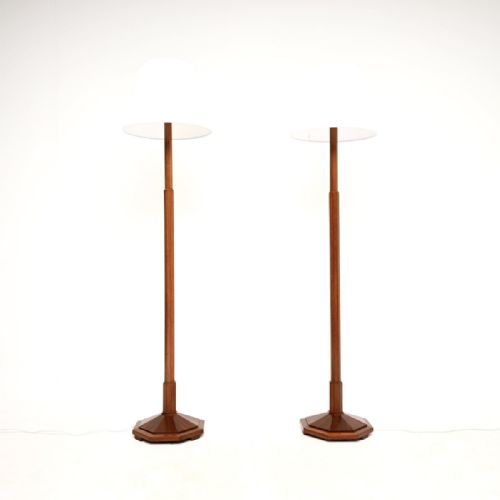
When you search for an art deco standing light, you encounter tall vertical fixtures designed to cast ambient illumination across a room. These pieces appear primarily as floor lamps and standard lamps originating from the 1920s and 1930s, often embodying the clean lines typical of the era.
The selection on this page relies heavily on British and continental European origins, spanning Dutch Art Deco and Amsterdam School influences alongside classic English workshops. Alongside conventional standard lamps, you discover torcheres and uplighters designed to project light upward toward the ceiling.
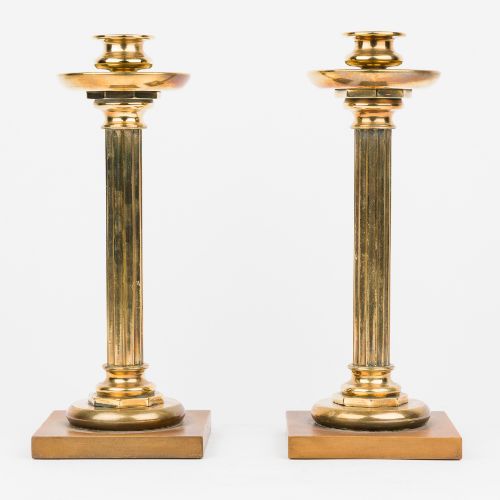
While many examples take the form of standard lamps, the category also embraces related vertical forms like tall candlesticks and pricket holders that share the same architectural silhouette. Walnut, oak, and chrome versions dominate the offerings, providing both heavy timber construction and sleek metallic shafts.
Materials and construction
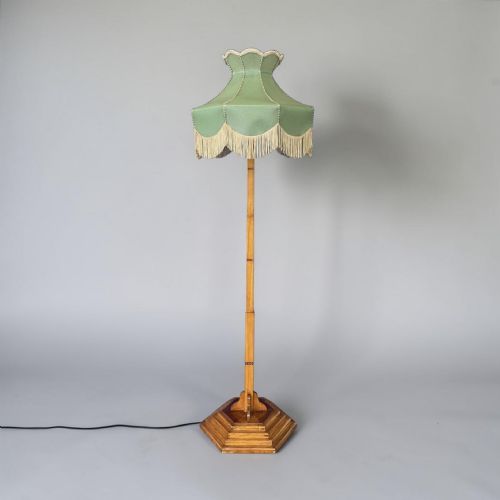
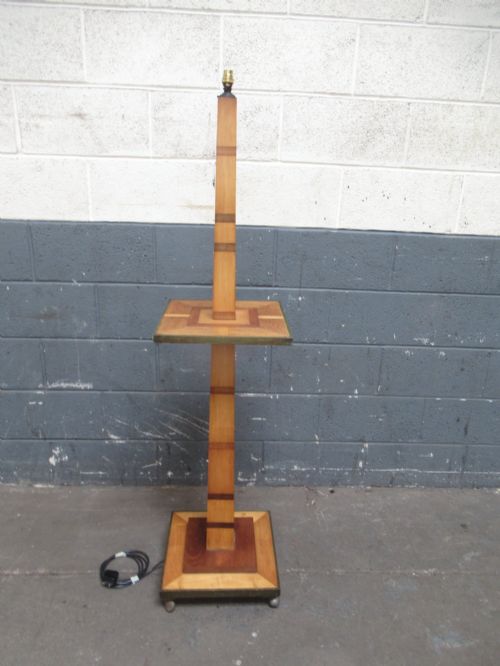
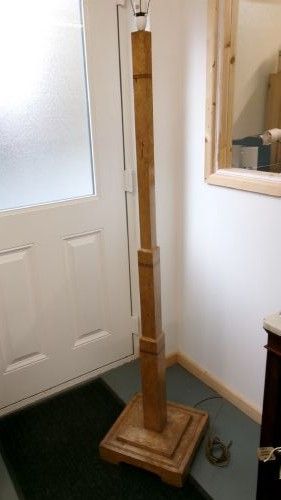
Makers constructed these standing lights using a combination of rich hardwoods such as walnut and oak, frequently paired with polished metals like brass, chrome, and copper. Timber shafts often display contrasting grain patterns, utilising blonde walnut or golden oak to catch the eye.
Metal components undergo casting, hammering, or turning, particularly within Amsterdam School and Art Deco designs where brass and iron form structural bases and decorative collars. Fabric elements, including silk shades, complete many of the surviving lamp assemblies.
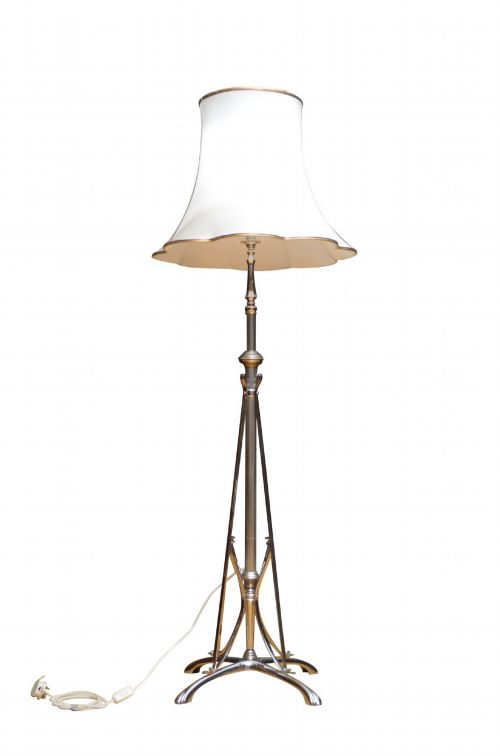
Adjustable mechanisms appear frequently in metal standards, allowing owners to alter the height of the light source through sliding collars and weighted bases. Wood joinery and turned columns provide the solid foundation necessary to support tall vertical designs without tipping.
Art Deco Standing Light Retail Price Guide 2026
Typical asking prices for art deco standing light among the pieces listed under this phrase on Sellingantiques today, from the lower quarter to the upper quarter. They describe what is for sale here now, not the wider market.
Listings span five decades from 1900 to 1940, capturing the transition from Art Nouveau and Amsterdam School styles into fully realised Art Deco and Modernist forms.
Assessing quality and execution
Quality in an art deco standing light rests upon the integrity of its materials and the precision of its geometric proportions. Superior pieces demonstrate substantial weight in their bases and careful selection of timber veneers, such as golden walnut or figured oak.
The distinction between standard production and top-tier workshop output lies in the detailing of the metalwork and the originality of the components. Pieces bearing distinct stylistic markers from recognised makers command greater interest through sharper casting and cleaner lines.
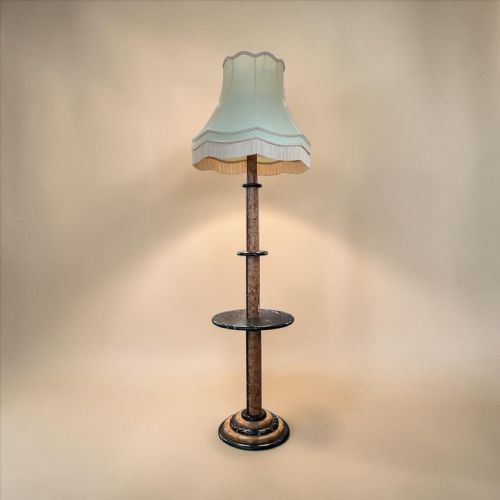
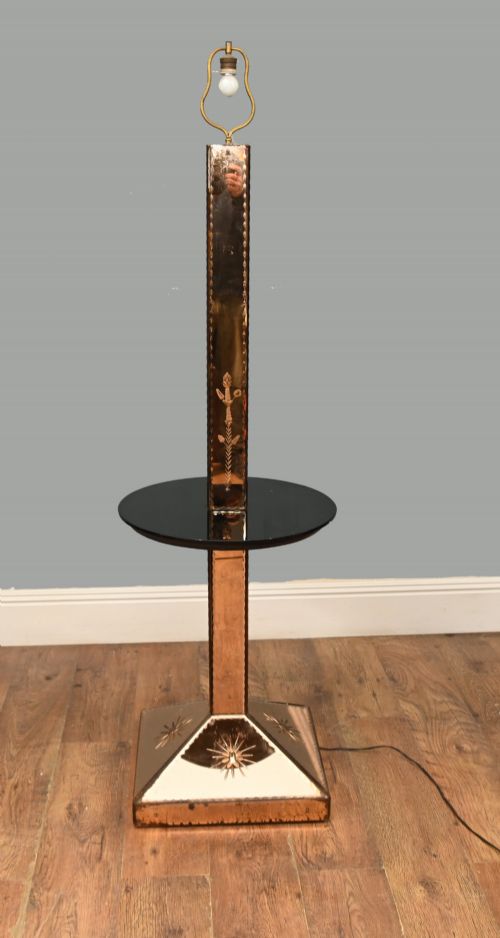
The integration of mixed media, such as combining ebony details with oak or mounting lights upon solid marble tables, separates exceptional examples from simpler turned timber posts.
Heals·Betty Joel·Harry and Lou Epstein·Hille
The Art Deco Standing Light Glossary
- Standard Lamp
- A tall floor-standing lamp designed to support a shade and bulb at eye level. These fixtures provide primary ambient illumination in a reception room.
- Torchiere
- An upright floor lamp that directs light upward toward the ceiling. This form creates an indirect glow characteristic of interwar interior styling.
- Pricket Candlestick
- A heavy candle holder featuring a central spike to secure the wax candle. Metal versions from the Amsterdam School often display patinated brass or copper surfaces.
- Amsterdam School
- An architectural and design movement originating in the Netherlands during the early twentieth century. It is known for expressive brickwork, organic metal forms, and rich timber construction.
- Odeon Style
- A design aesthetic drawing inspiration from cinema architecture of the 1920s and 1930s. It typically incorporates stepped tiers and skyscraper motifs.
Art Deco Standing Light: Frequently Asked Questions
What is an art deco standing light?
An art deco standing light is a tall illuminating fixture produced during the interwar decades, typically functioning as a floor lamp or standard lamp. These pieces utilise geometric forms, stepped profiles, and materials like chrome, brass, walnut, and oak.
They serve as both practical light sources and sculptural elements within a room, reflecting the modernising design movements of the 1920s and 1930s.
How do I style a standard lamp?
Placing a standard lamp beside low seating or in an empty corner introduces height and vertical balance to a room's layout. Pairing a wooden standard lamp with matching side tables creates a cohesive arrangement.
Selecting lamps with uplighter or torchere configurations helps soften harsh corners by bouncing illumination off the ceiling.
What materials were used?
Makers constructed these lamps from a mix of solid hardwoods, decorative veneers, and polished metals. Walnut, oak, and giltwood provide warm wooden tones, while brass, chrome, and copper add industrial sheen.
Some designs incorporate fabric shades, glass tables, or marble bases to increase both utility and visual weight.
How do I identify a 1920s floor lamp?
Identifying a 1920s floor lamp involves looking for characteristic stylistic traits such as stepped skyscraper motifs, streamlined chrome shafts, or Amsterdam School metalwork. The presence of original silk shades or heavy turned timber columns often points to interwar production.
Examining the construction methods beneath the base reveals period joinery and weighting techniques distinct from modern reproductions.