






Art Deco Nude Figure
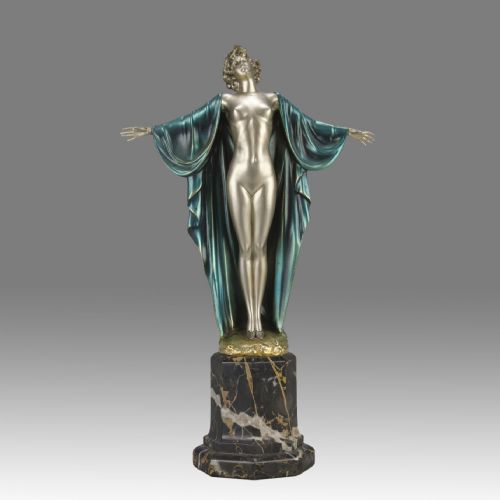
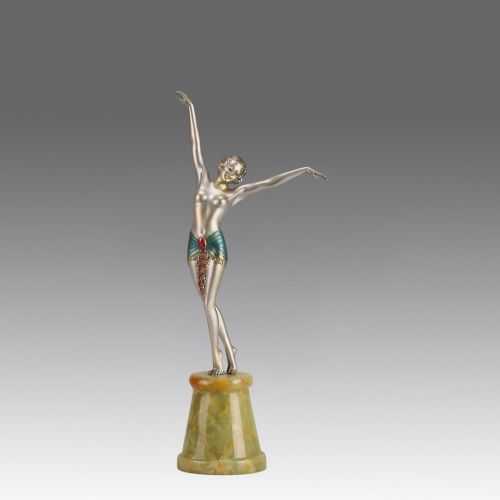
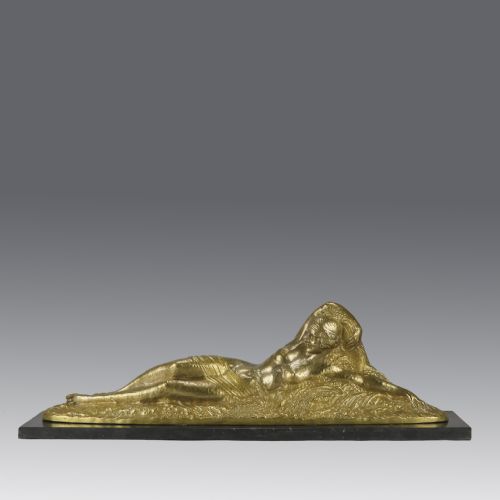
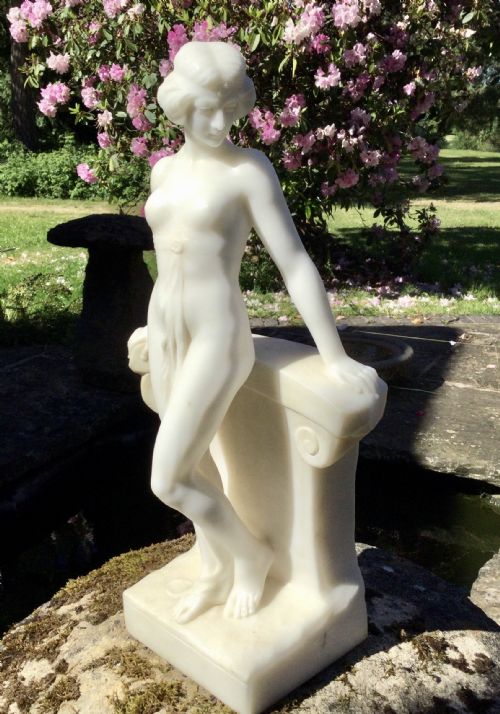
These art deco nude figure works capture the stylistic freedom of the interwar years in metal, glass, and stone.
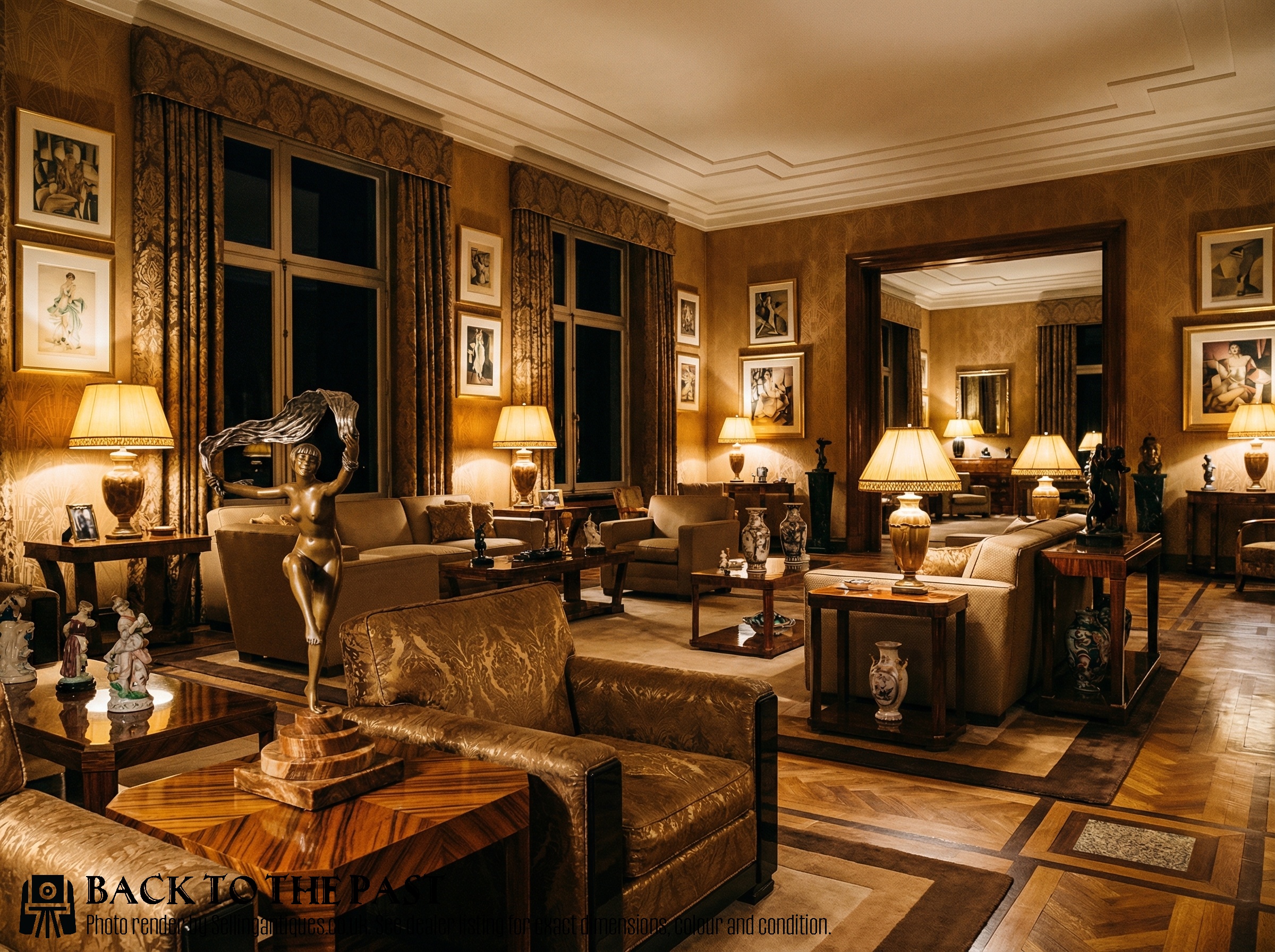
Art Deco Nude Figure
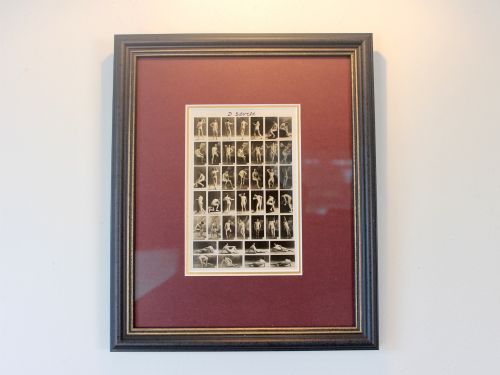
An art deco nude figure represents the human form through the lens of early twentieth-century design, spanning the 1910s to the 1940s. These pieces take the form of freestanding sculptures, table lamps, bookends, and framed works on paper.
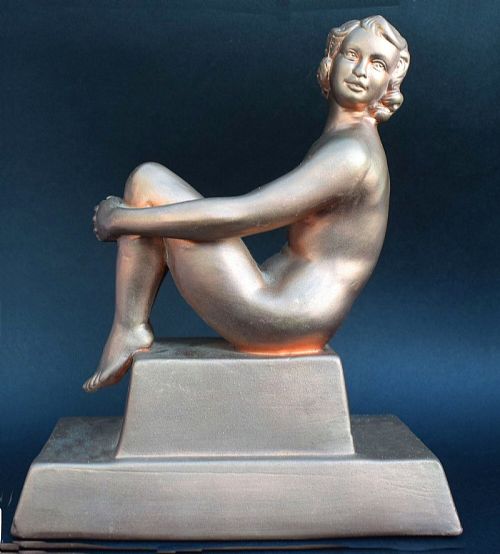
Most examples originate from France, England, and Austria, reflecting the international spread of the modernist and School of Paris movements. Dancers, athletes, and mythological subjects dominate the inventory, rendered with stylised lines rather than classical realism.
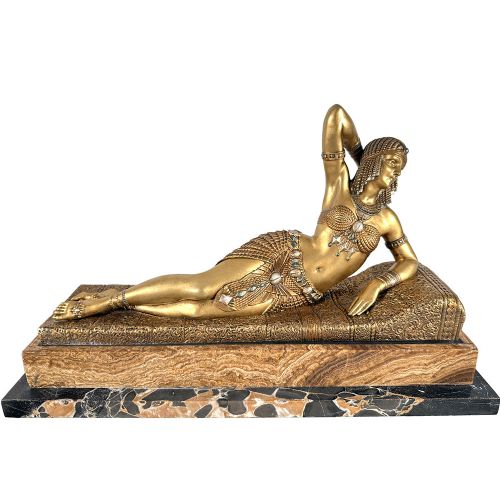
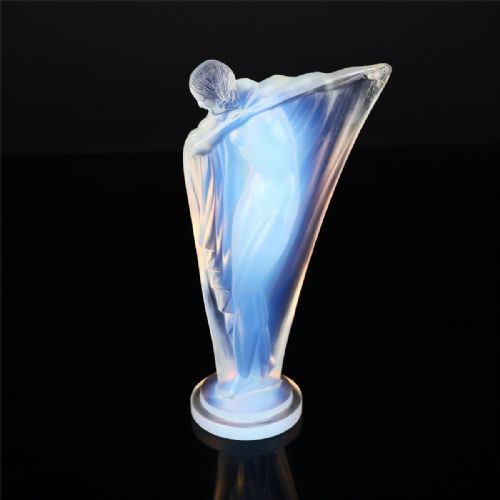
The objects balance sculptural presence with functional design, appearing as both cabinet bronzes and illuminated table lamps. Buyers encounter materials ranging from cast bronze and spelter to opalescent glass and carved marble.
Distinctions in execution
Quality rests upon the crispness of the casting and the fidelity of the surface finish, whether cold-painted details or patination. Sculptures with distinct facial expressions and sharply defined drapery separate fine studio work from commercial output.
The integration of the figure with its mounting base dictates visual harmony, where natural stone plinths complement the metallic tones. Maker attribution and documented foundry marks elevate the standing of individual pieces.
Materials documented across the inventory include bronze, marble, onyx, glass, paper, wood, patinated metal, and silvered bronze.
Ferdinand Preiss·Josef Lorenzl·Demetre Chiparus·Sibylle May·Lucille Sevin·Aristide Maillol·Maurice Guiraud Riviere·Pierre Le Faguays·Claire Jeanne Roberte Colinet·René Lalique·Eugène Désiré Piron·Albert Hussmann·Ugo Cipriani·Bruno Zach
The Art Deco Nude Figure Glossary
- Spelter
- A zinc alloy frequently utilised as a cost-effective alternative to bronze in decorative figures. It accepts patination well to simulate heavier metals.
- Cold-painted
- A method where pigment is applied to metal without subsequent high-temperature firing. This technique produces vibrant polychrome surfaces on bronze and spelter sculptures.
- Patination
- The chemical or natural alteration of a metal surface over time or through treatment. It provides protective colouration and accentuates sculptural contours.
Art Deco Nude Figure: Frequently Asked Questions
What materials make up these sculptures?
Cast bronze, patinated spelter, and opalescent glass form the primary mediums for these works. Many figures also incorporate marble or onyx bases.
Secondary materials include carved alabaster, wood, and paper used in framed drawings and photographs.
How do I display a table lamp?
These lamps function best on sturdy side tables or desks where their sculptural silhouette can be appreciated from multiple angles. Position them away from direct sunlight to protect patinated surfaces and glass.
Ensure electrical wiring meets modern safety standards while preserving original switch mechanisms where possible.
Are all these pieces French?
While Paris served as the primary hub for modernist sculpture, production extended across Europe. Pieces originate from workshops in England and Austria as well as France.
Stylistic traits often indicate the regional school, combining local casting methods with international design movements.
How do I distinguish spelter from bronze?
Spelter is lighter in weight than bronze and tends to show a softer surface grain upon close inspection. Underneath worn patination, spelter reveals a greyish or silvery metal base.
Bronze maintains a heavier density and develops a warmer golden or reddish hue where friction exposes the underlying metal.