

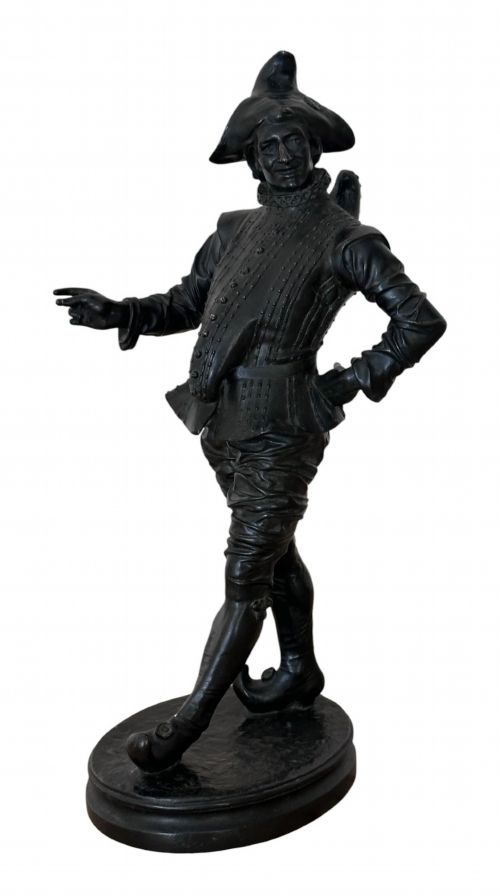
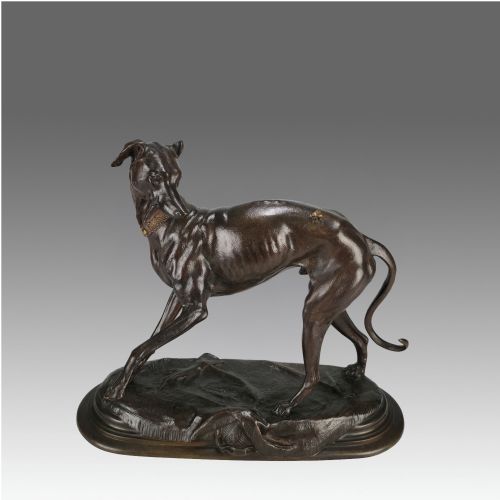
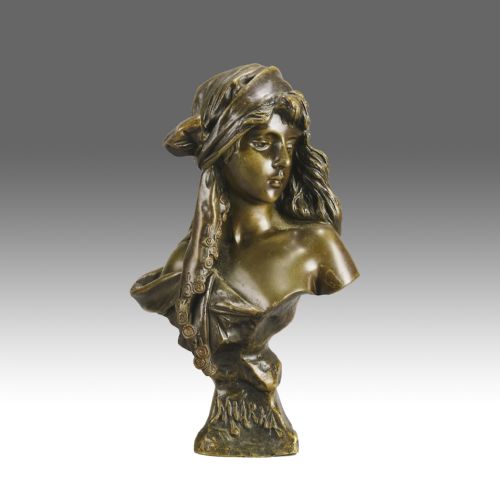
Brown Patinated Sculpture
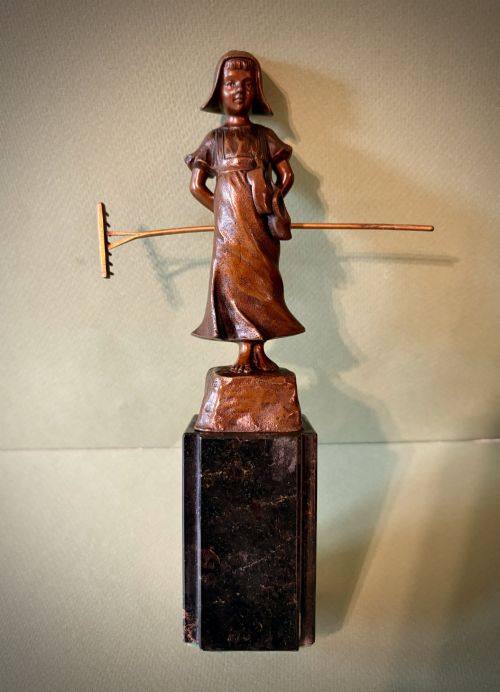
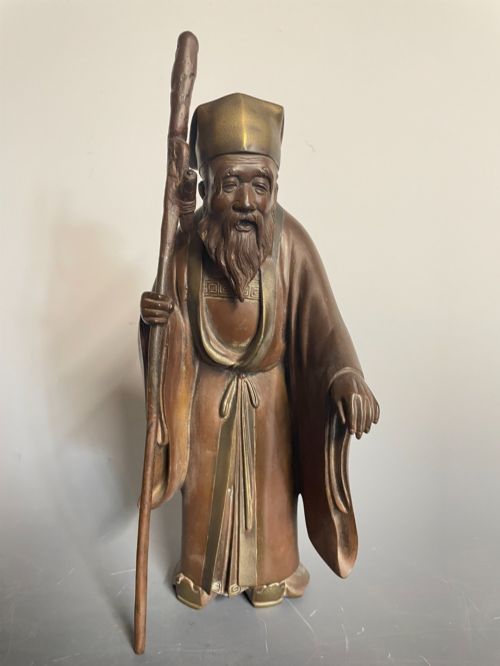
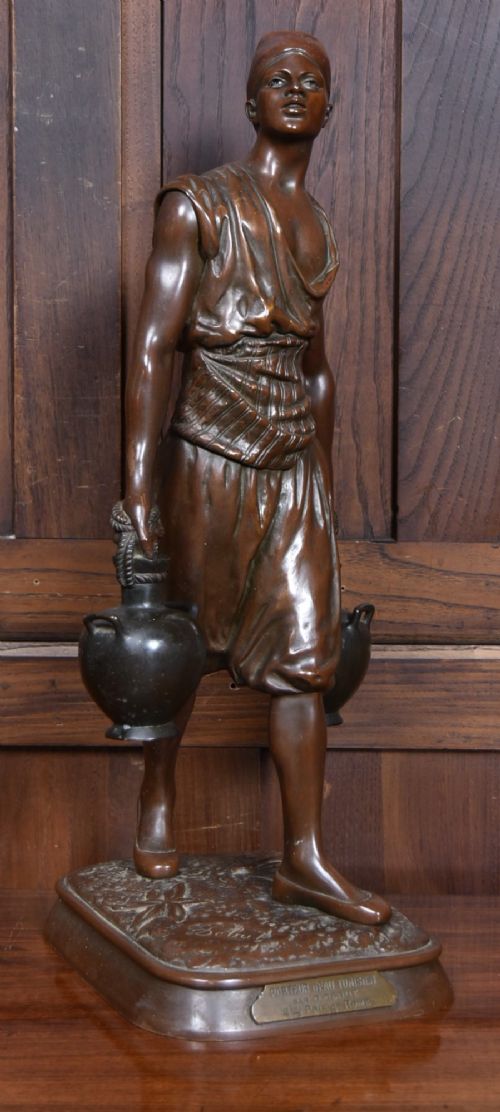
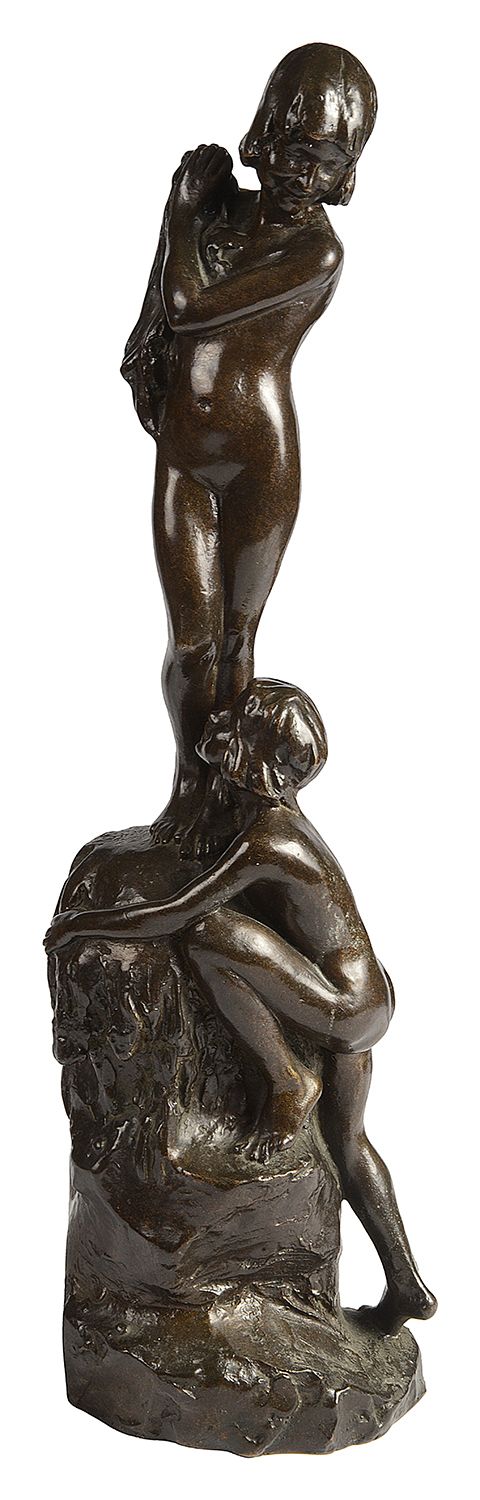
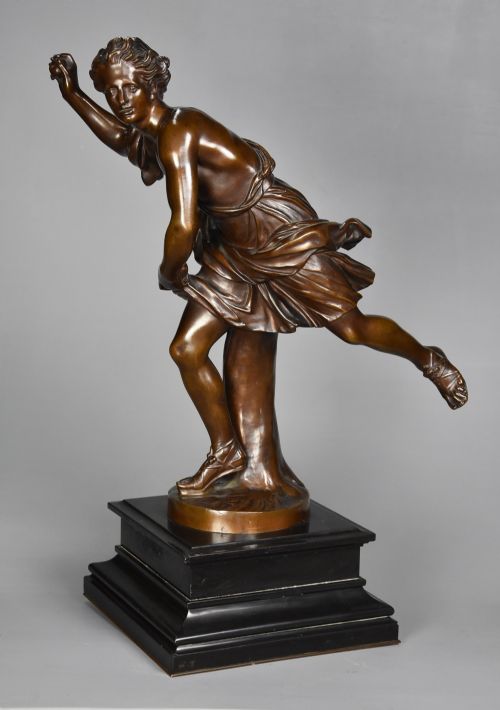
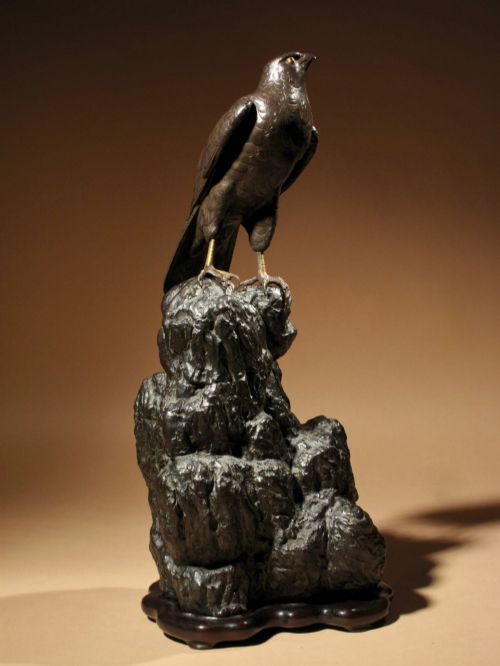
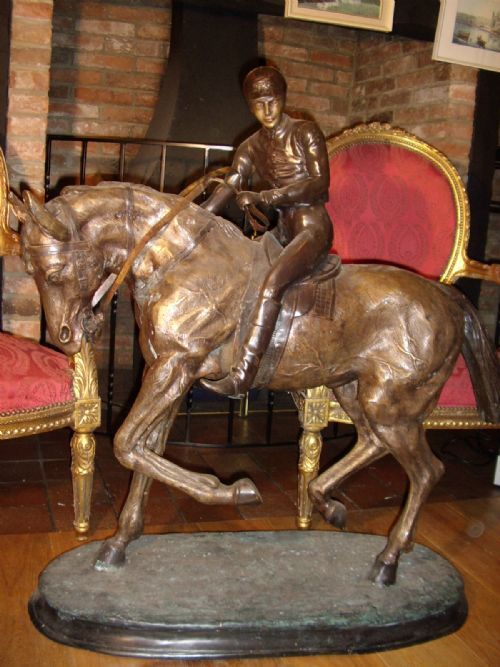
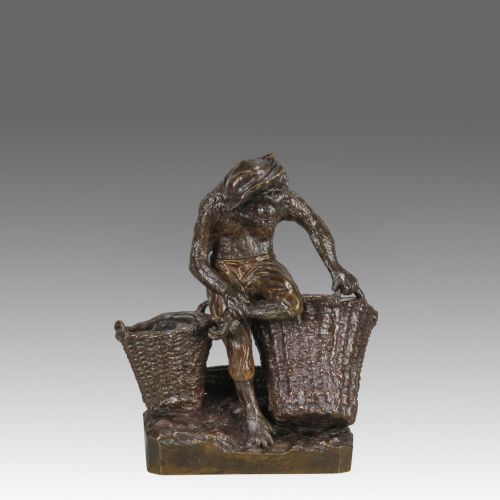
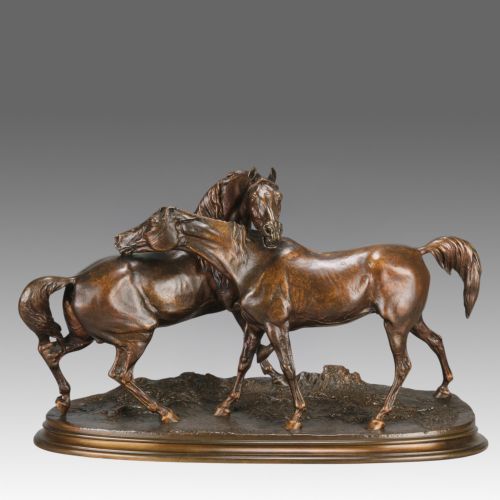
Brown patinated sculpture encompasses cast metal and mixed media figures carrying rich dark oxide finishes, spanning classical subjects, animalier studies and human portraits.
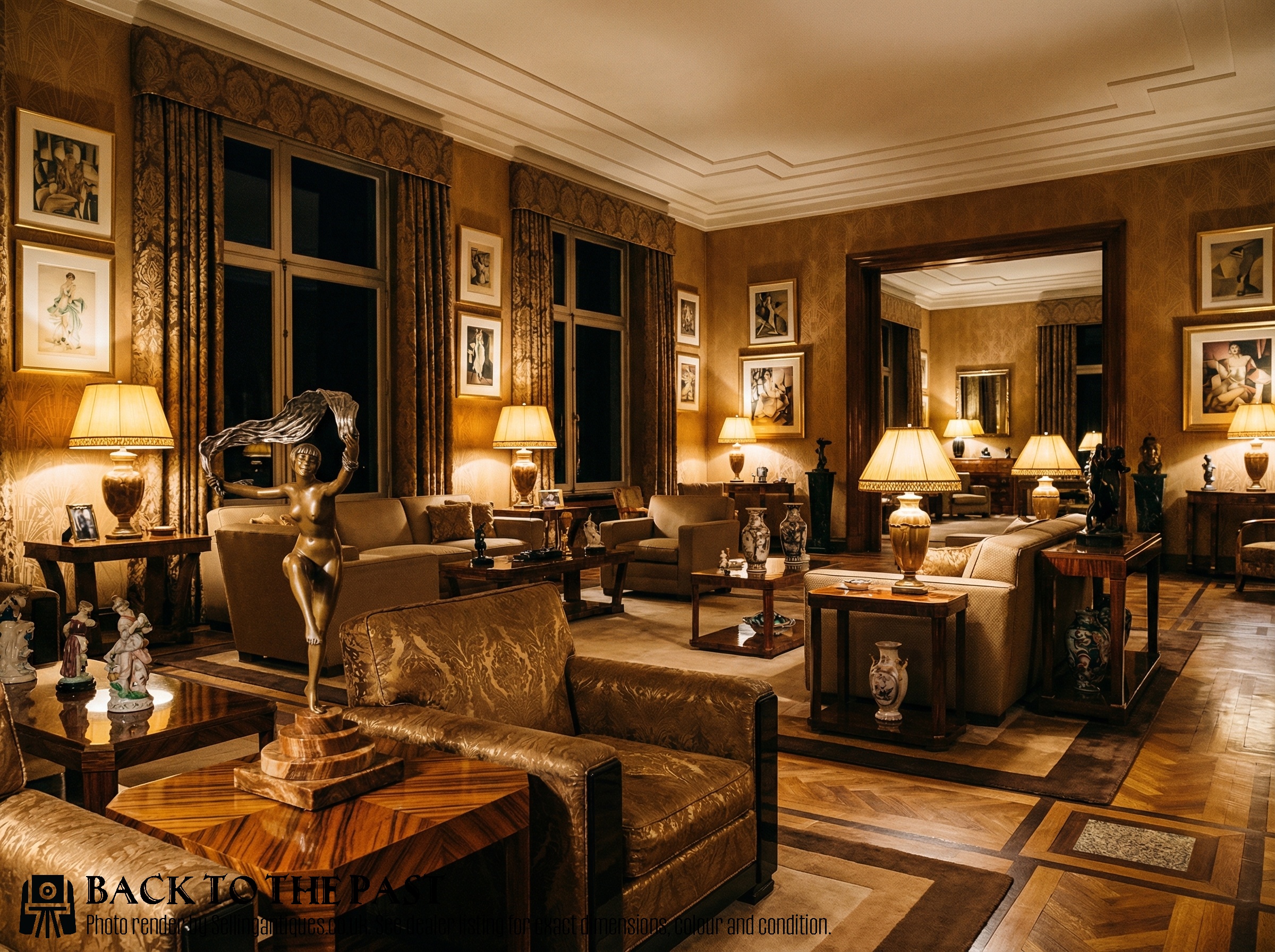
Brown Patinated Sculpture
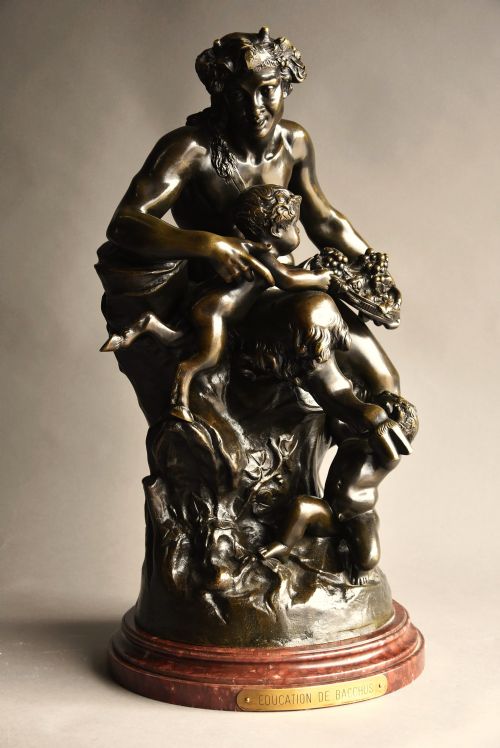
A brown patinated sculpture search reveals a diverse range of bronze figures, busts and groups originating from nineteenth-century European foundries and Japanese Meiji workshops. These works frequently depict mythological characters, historical figures, genre scenes and domestic or wild animals modelled with expressive detail.
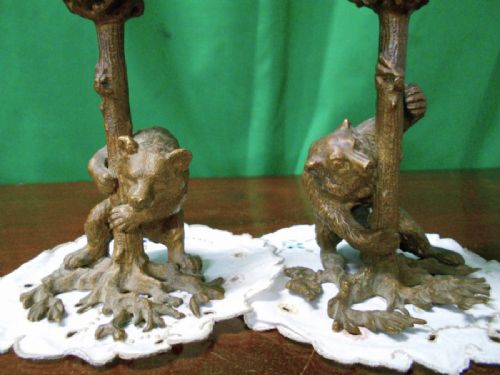
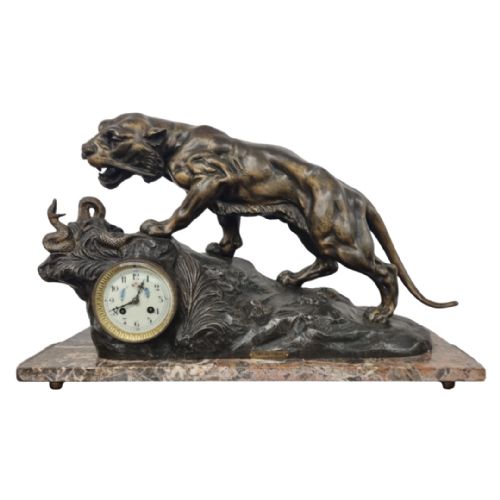
Buyers regularly encounter French animalier compositions alongside Grand Tour classical reductions and Art Nouveau studies cast around the turn of the twentieth century. The selection also includes functional decorative objects such as candlesticks, mantel clocks and figural groups mounted on marble or ebonised wood bases.
Material and Technique
Foundries produced these pieces primarily through the lost-wax method or sand casting using bronze alloys, occasionally supplementing them with patinated plaster, chalk or brass components. The distinctive surface colour results from chemical treatments applied to the heated metal to create brown, black or dark patination.
Many sculptures incorporate hand-chased surface details and signatures or foundry stamps inscribed directly into the metal before mounting on marble plinths or wood socles.
Listings feature works spanning the nineteenth century through the mid-twentieth century, utilising bronze, marble, wood and plaster.
Casting and Finish
Quality depends upon the crispness of the chasing and the depth of the chemical patination across complex anatomical and drapery forms. Superior castings retain intricate facial expressions, fine texture in hair or fur, and clear foundry markings rather than softened surface details.
Barbedienne·Pierre Jules Meme·Christophe Fratin·Emmanuel Villanis·Jules Dalou·Jules Moigniez·Emile Louis Picault
The Brown Patinated Sculpture Glossary
- Patination
- The chemical or natural colouration of a metal surface resulting from age, burial or intentional application of acids and heat. This process produces rich brown or dark tones that highlight the contours of a sculpture.
- Animalier
- A nineteenth-century artistic movement focused on the realistic depiction of animals, particularly horses, dogs and wild beasts. French sculptors popularised this genre through dynamic bronze casts.
- Grand Tour
- Souvenirs and bronze reductions acquired by wealthy travellers visiting classical European antiquities during the eighteenth and nineteenth centuries. These pieces replicated famous statues found in Italian collections.
- Lost-wax casting
- A traditional manufacturing method where a model is encased in mould material, melted out and replaced with molten metal. This technique allows for complex undercuts and fine sculptural detail.
- Chasing
- The manual finishing process where a metalworker refines a raw casting using hammers and punches to sharpen details and remove surface flaws. Skilled chasing distinguishes high-grade bronzes from mass-produced editions.
Brown Patinated Sculpture: Frequently Asked Questions
What is brown patinated sculpture?
These pieces are cast metal figures, busts and animal groups treated with chemical patination to produce rich brown and dark oxide surfaces. They represent popular subjects ranging from classical mythology to nineteenth-century animalier art.
The category encompasses works produced by European foundries and Japanese workshops from the mid-nineteenth century through the early twentieth century.
How do I care for bronze sculpture?
Maintain the surface by gently dusting with a soft, dry cloth to prevent particulate buildup on the patinated metal. Avoid using liquid cleaners, polishes or abrasive cloths that can strip the chemical patination.
Keep the pieces away from direct sunlight and damp environments to preserve the stability of the bronze and any underlying marble or wood bases.
How do I identify the foundry or artist?
Examine the base, plinth or lower edges of the metal for stamped foundry marks, signatures or inscribed titles left by the maker. Many nineteenth-century French and Italian bronzes carry distinct foundry seals or artist monograms.
Reference marks against known foundry ledgers and artist registries to establish the likely production period and origin.
What are animalier bronzes?
Animalier bronzes are sculptural works depicting animals in naturalistic poses, capturing movement, tension and anatomical precision. The genre gained immense popularity in nineteenth-century France through specialised sculptors and foundries.
Common subjects include hunting dogs, horses, big cats and bears rendered with detailed fur and musculature.