

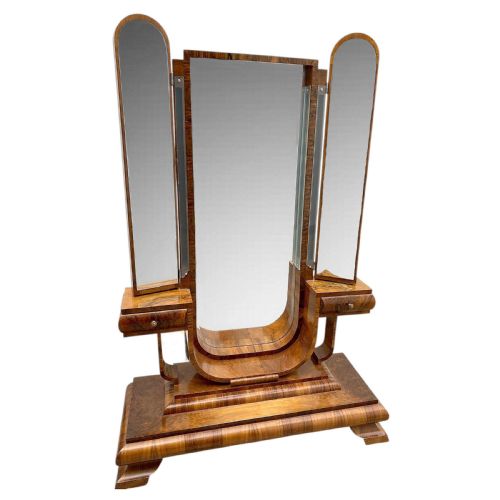
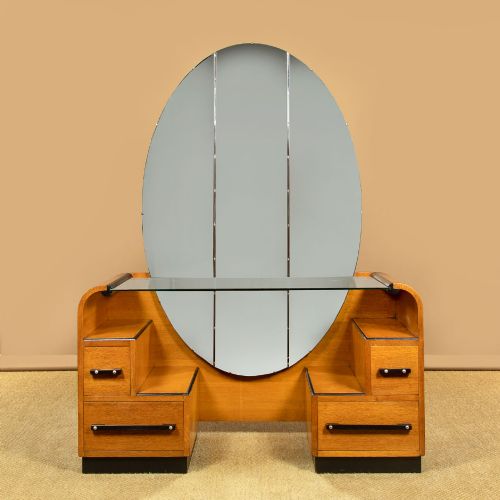
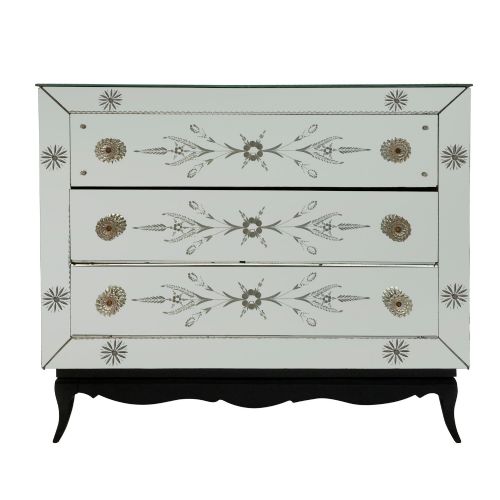



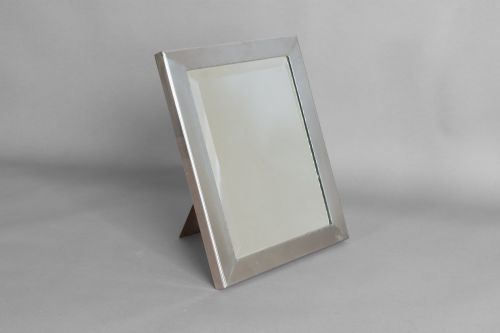
Art Deco Glass Vanity
Art deco glass vanity items bring geometric elegance and coloured enamel to the dressing table.
Art Deco Glass Vanity
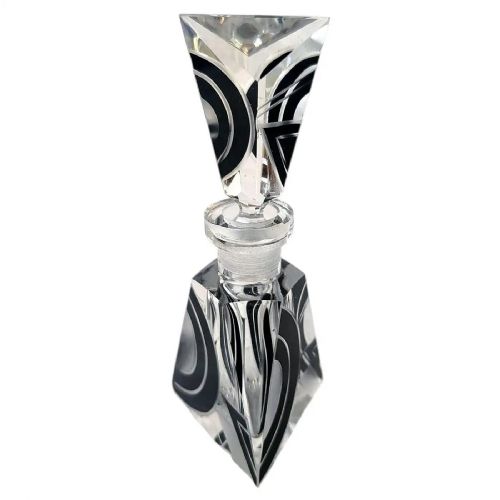
When searching for art deco glass vanity pieces, you encounter dressing table accessories designed primarily during the 1920s and 1930s. The selection on this page centres on perfume bottles, scent bottles, and vanity jars.
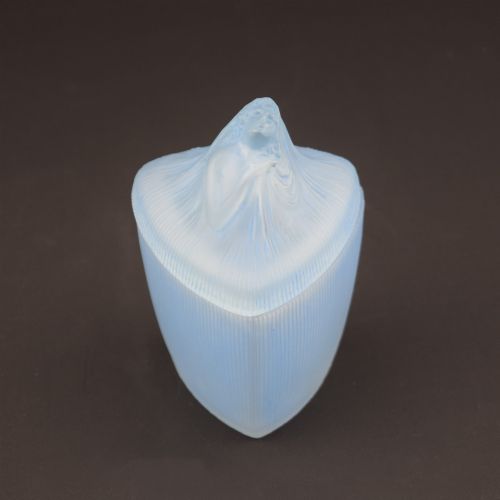
These objects reflect the stylistic shifts of the early twentieth century, combining utilitarian function with decorative flair. French art deco designs and Czech geometric cut glass dominate the aesthetic.
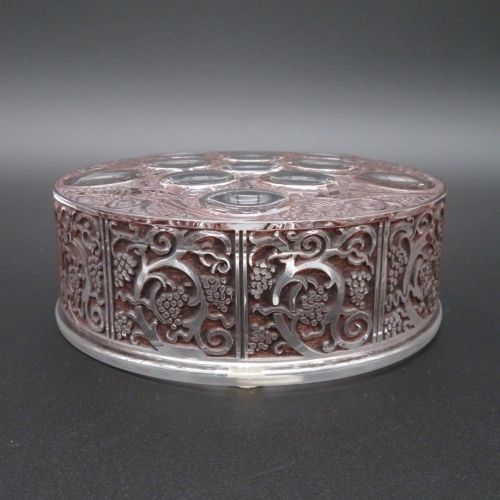
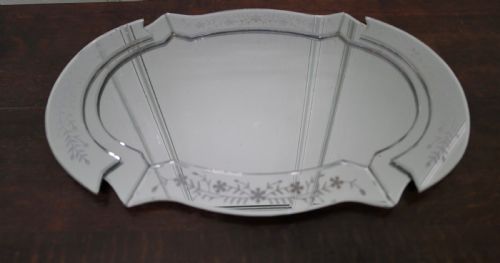
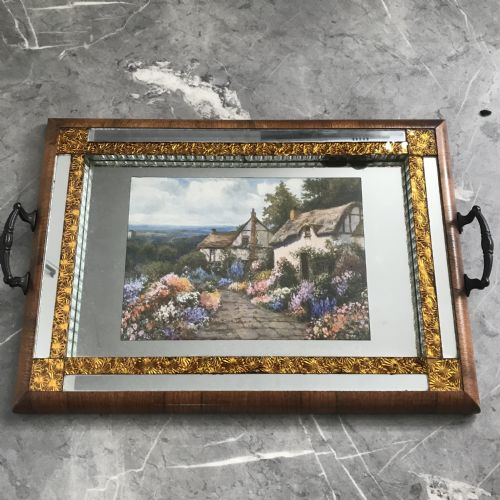
Beyond bottles and jars, the category extends to powder boxes, atomisers, and mirrored trays. Each piece served as a functional item for cosmetics while doubling as an ornament of its era.
How they were made
Makers utilised moulded, frosted, and cut glass to achieve varied tactile and visual effects. Clear glass bodies often met with coloured enamels, sterling silver mounts, and chrome details.
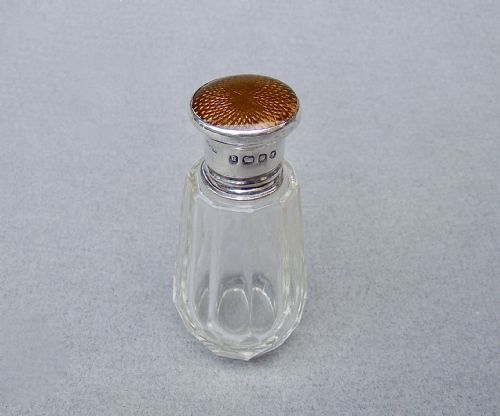
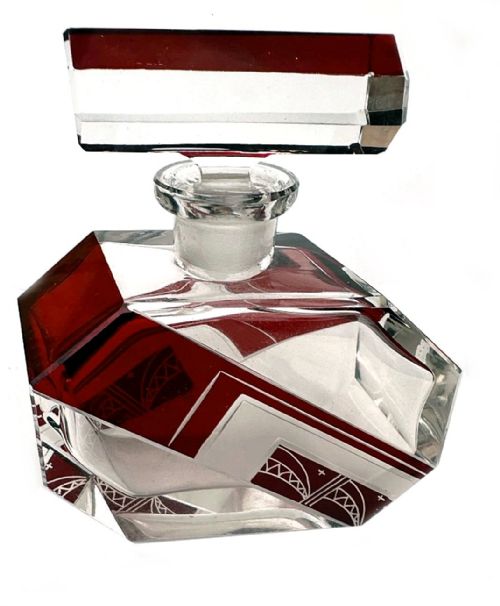
Guilloche enamel work added intricate machine-turned patterns beneath translucent colour layers on silver lids and collars. Cutting techniques created sharp geometric facets on perfume bottles and trays.
Art Deco Glass Vanity Retail Price Guide 2026
Typical asking prices for art deco glass vanity among the pieces listed under this phrase on Sellingantiques today, from the lower quarter to the upper quarter. They describe what is for sale here now, not the wider market.
Listings feature items spanning from 1890 through the Edwardian era to the 1930s, using materials like sterling silver, wood, and chrome.
What varies in quality
Quality rests in the crispness of the glass moulding and the precision of the silver or enamel work. Pieces by notable designers demonstrate superior clarity in frosted and clear contrasts.
The integration of materials dictates distinction, where heavy sterling silver mounts and intact guilloche patterns elevate a vanity jar above simpler plated counterparts.
Henry Clifford Davis·Rene Lalique·Karl Palda·Henry Perkins
The Art Deco Glass Vanity Glossary
- Guilloche enamel
- A decorative technique involving precise mechanical engraving beneath a translucent enamel coating. This method produces intricate repeating patterns on silver lids and vanity jars.
- Atomiser
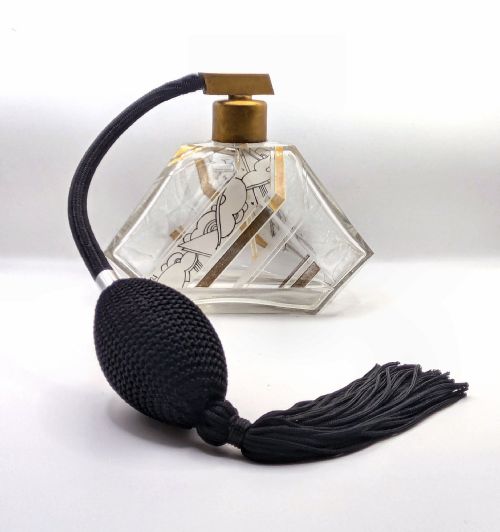
- A spray bottle mechanism fitted to perfume flasks for misting cosmetics. These fittings often incorporate chrome or metal hardware from the interwar period.
- Vanity jar
- A small lidded container used on dressing tables for creams, powder, or trinkets. They frequently pair glass bases with sterling silver and enamel tops.
- Frosted glass
- Glass treated to impart a matte, translucent finish that diffuses light. It appears frequently in moulded scent bottles from the period.
Art Deco Glass Vanity: Frequently Asked Questions
What is an art deco glass vanity piece?
These are dressing table accessories produced predominantly in the 1920s and 1930s for cosmetics and perfumes.
They combine glass bodies with materials such as sterling silver, enamel, and chrome to reflect the design trends of the period.
How were perfume atomisers used?
Atomisers allowed users to spray liquid perfume directly onto the skin or clothing using a squeeze bulb mechanism.
The glass flasks held the fragrance while the metal and chrome hardware managed the aerosol function.
How do I care for antique glass vanity items?
Keep these pieces away from direct sunlight and harsh cleaning chemicals to protect delicate enamel and silver mounts.
Dust them gently with a soft cloth and avoid submerging silver and glass combinations in water.
How can I distinguish French art deco from Czech glass?
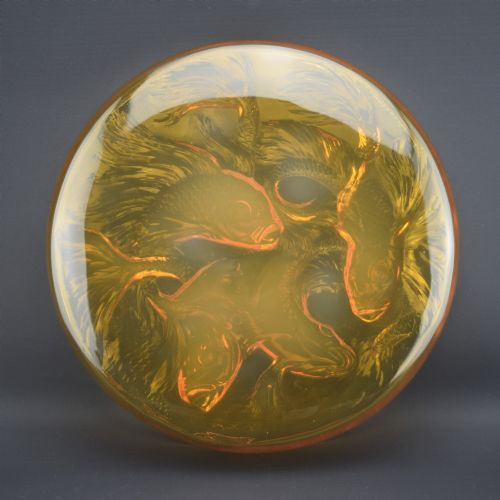
French pieces often feature moulded figural designs and signature frostings associated with makers like Lalique.
Czech pieces tend to showcase bolder geometric cutting and vibrant coloured glass combinations.