


Art Deco Glass Bowl
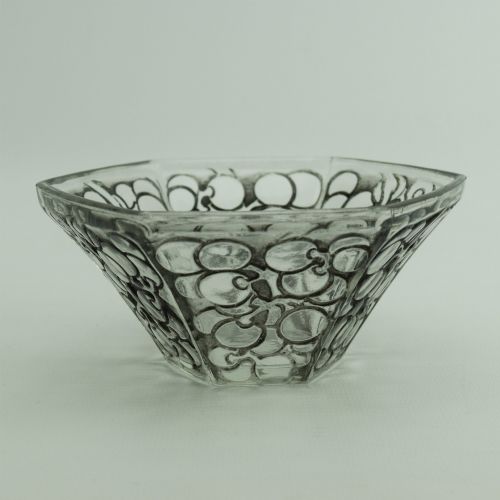
When searching for an art deco glass bowl, one encounters pressed, moulded and opalescent vessels defined by geometric symmetry and tactile relief.
Art Deco Glass Bowl
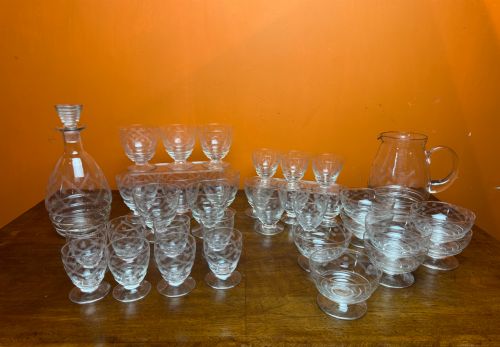
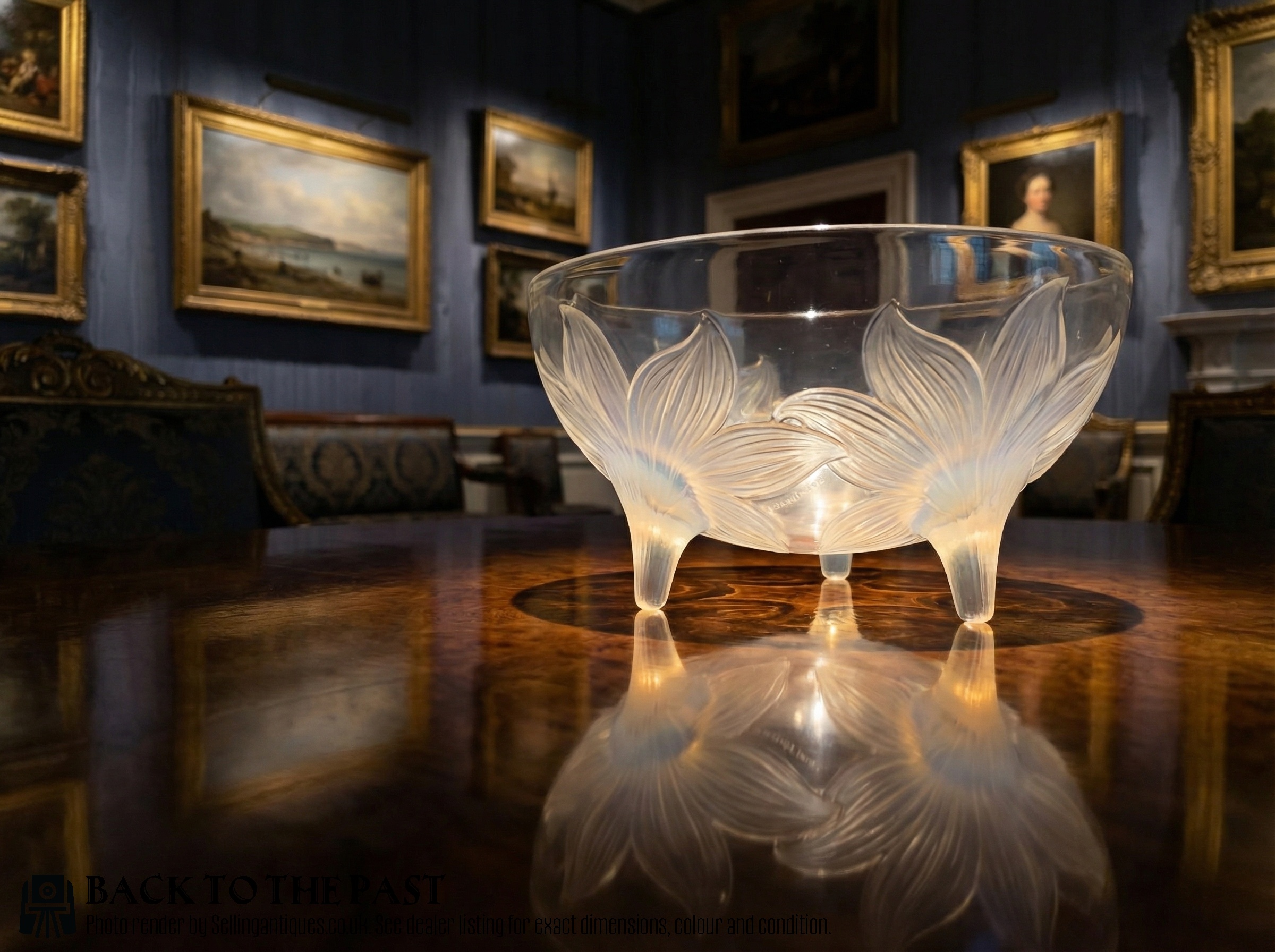
An art deco glass bowl encompasses shallow dishes, deep centrepieces and pedestal forms designed during the early decades of the twentieth century. These objects function primarily as decorative centrepieces or serving vessels, reflecting the distinct modernist taste of the interwar period.
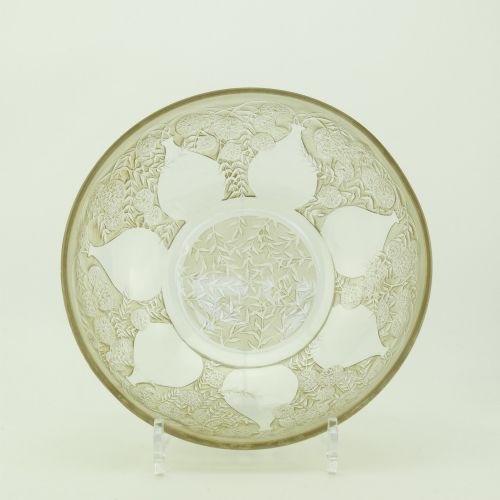
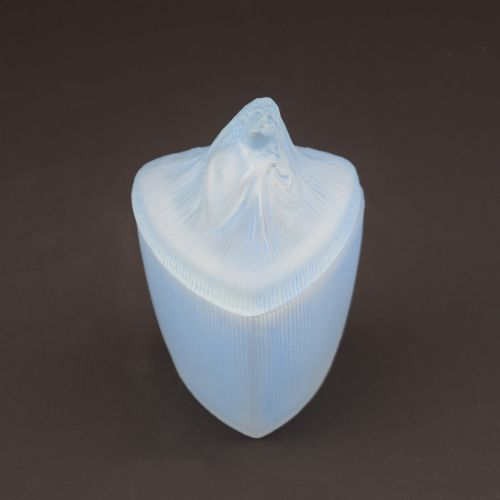
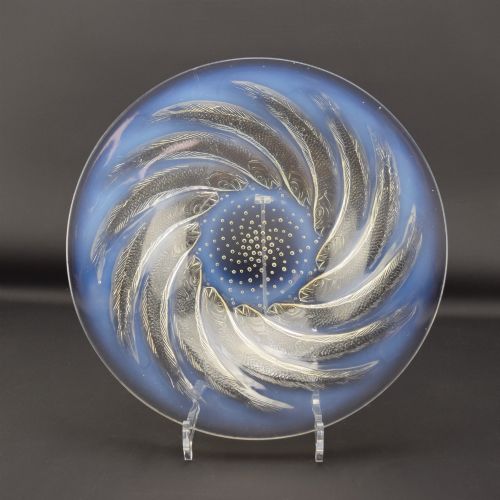
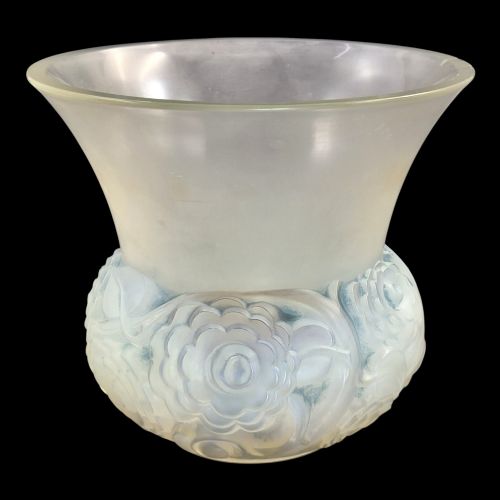
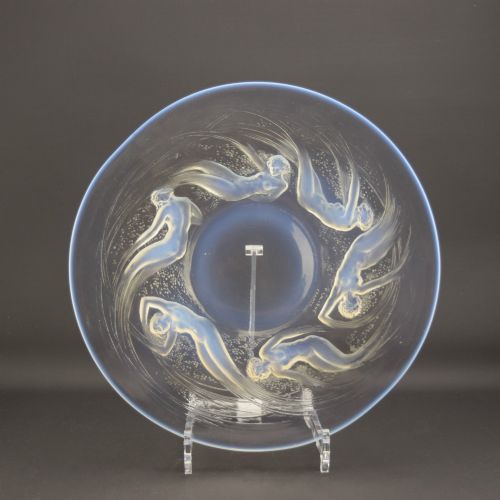
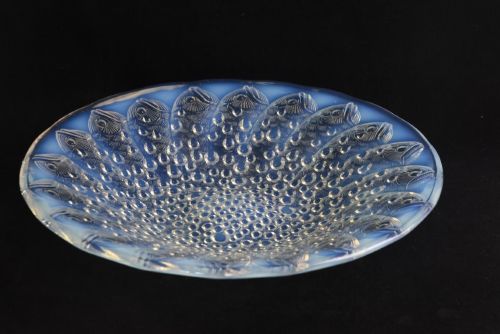
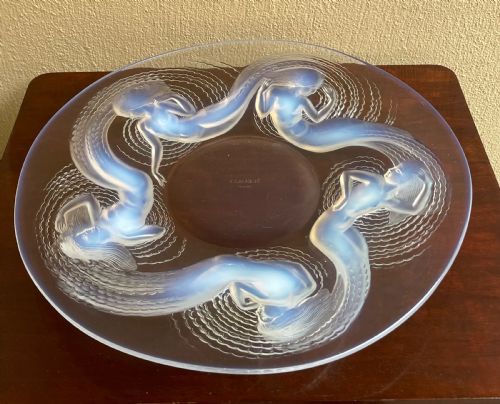
The selections on this page stem predominantly from the 1920s and 1930s, featuring French, British and Belgian origin. Buyers frequently encounter opalescent and frosted surfaces, often moulded with stylised floral motifs or aquatic fauna such as fish.
Makers utilised heavy press-moulding techniques to achieve tactile depth, producing items that catch ambient light across living spaces. Such tableware bridges utilitarian function and sculptural ornament, appealing to collectors of twentieth-century design.
How they were made
Artisans produced these vessels using pressed, moulded or blown techniques, frequently employing heavy lead crystal or specialised opalescent glass. Molten material was forced into metal dies or gathered by hand, allowing factories to achieve crisp geometric reliefs and sculptural contours.
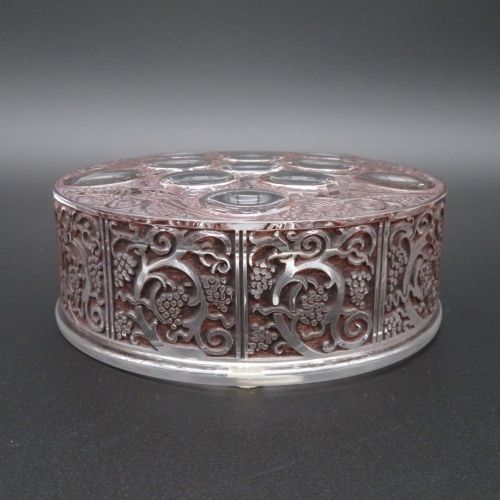
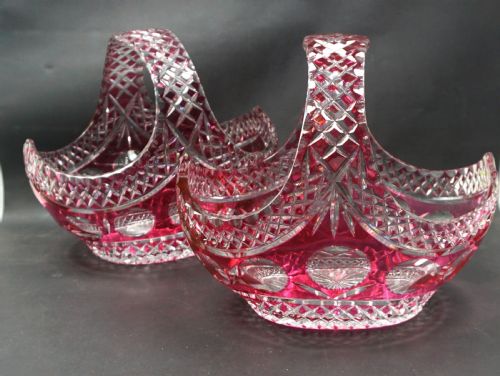
Surface treatments included acid etching, enamel detailing and silver mounts to augment the visual texture of the glass. Workshops also applied layered colour overlays, cutting through the outer casing to reveal contrasting shades beneath.
Art Deco Glass Bowl Retail Price Guide 2026
Typical asking prices for art deco glass bowl among the pieces listed under this phrase on Sellingantiques today, from the lower quarter to the upper quarter. They describe what is for sale here now, not the wider market.
Several fish-themed bowls wait patiently to swim onto your sideboard without needing a single water change.
What varies in quality
The distinction between standard production and superior craftsmanship lies in the crispness of the moulded relief and the depth of the opalescent fire. Finer vessels display meticulous attention to surface finish, with sharp contour lines and carefully polished bases.
The integration of precious metal mounts or hand-painted enamel details elevates certain examples above industrial output. Superior weight, balanced proportions and distinct artistic signatures separate mass-market items from studio creations.
Rene Lalique·Val St Lambert·Jobling·Walther And Sohne·Graystan
The Art Deco Glass Bowl Glossary
- Opalescent Glass
- Glass that diffuses light to display a milky, translucent quality with iridescent blue or amber highlights. This effect is achieved through the addition of specific chemicals to the molten batch before moulding.
- Pate de Verre
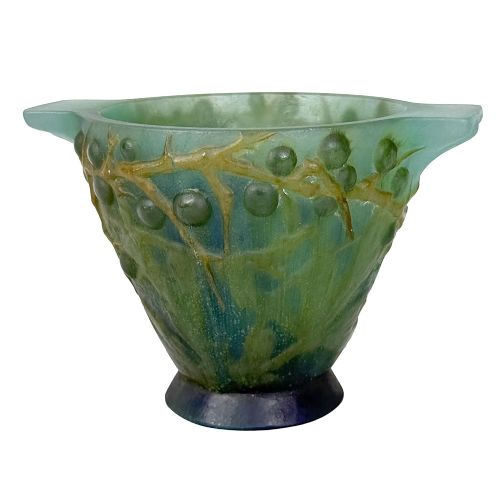
- A kiln-casting method where finely crushed glass is packed into a mould and fused with heat. This technique produces dense, softly textured objects with subtle colour gradations.
- Plafonnier
- A ceiling-mounted light fixture comprising a shallow bowl or shade suspended close to the surface. These fixtures often utilise pressed frosted glass to diffuse interior illumination.
- Uranium Glass
- Glass containing trace amounts of uranium oxide, which fluoresces brightly under ultraviolet light. The material typically exhibits a vibrant yellow-green hue.
- Guilloche
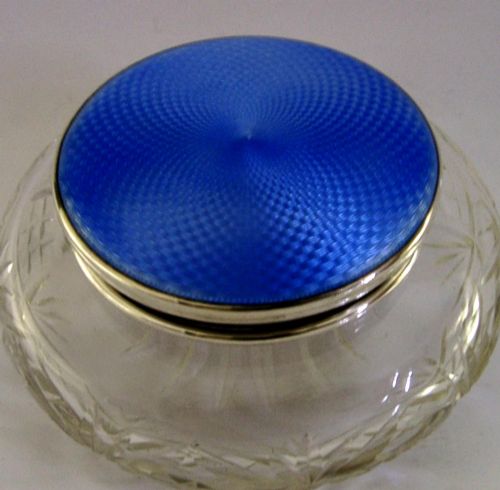
- An intricate decorative pattern engraved mechanically into metal surfaces beneath translucent enamel. It appears frequently on the fitted lids of matching dressing table jars.
Art Deco Glass Bowl: Frequently Asked Questions
How do I clean an antique glass bowl?
Wash the vessel gently in lukewarm water using mild detergent and a soft cloth. Avoid harsh scrubbing brushes or abrasive chemicals that can scratch the surface or damage applied enamels.
Dry the item thoroughly with a lint-free towel to prevent water spots. Take particular care with pieces featuring metal rims or enamel painted highlights.
Are these bowls safe for serving food?
Many vintage bowls were intended for display or decorative utility rather than daily dining. Historic manufacturing methods can mean the glass is sensitive to thermal shock.
Use them for dry items such as fruit or potpourri rather than hot foods or liquids. Inspect the interior for any roughness if intended for regular culinary use.
How can I identify genuine period glass?
Examine the base for signs of age, such as circular wear marks, maker signatures or registration numbers. Authentic interwar pieces exhibit the weight, mould seams and surface textures consistent with historical production methods.
Compare the decorative motifs against known factory catalogues from the period. Genuine examples display the characteristic styling associated with the design eras represented here.
What is opalescent glass?
Opalescent glass is a semi-translucent material that scatters light to create a milky glow. It often shifts in colour from blue to amber depending on the angle of illumination.
This optical effect was especially popular among interwar French and British glassmakers. It accentuates the raised details on moulded bowls and vases.