



Art Deco Dress Watch
An art deco dress watch brings geometric elegance and precision engineering to the wrist, offering a tangible link to 1920s and 1930s design.
Art Deco Dress Watch
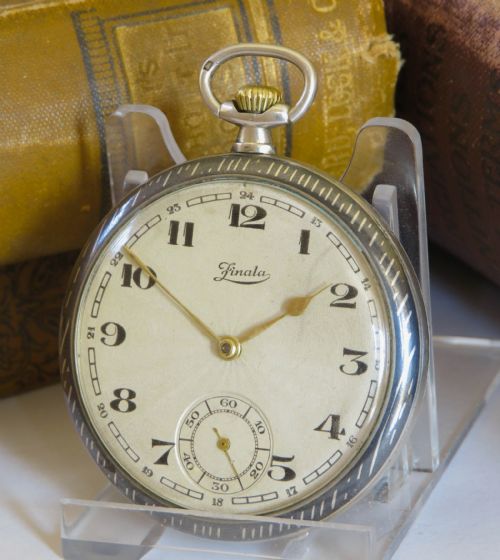
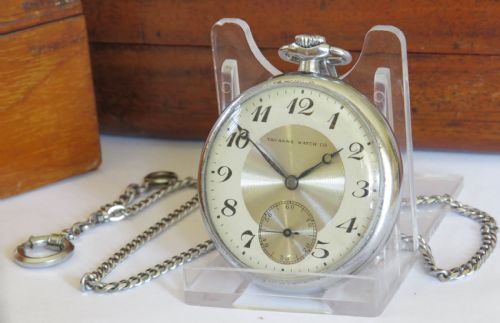
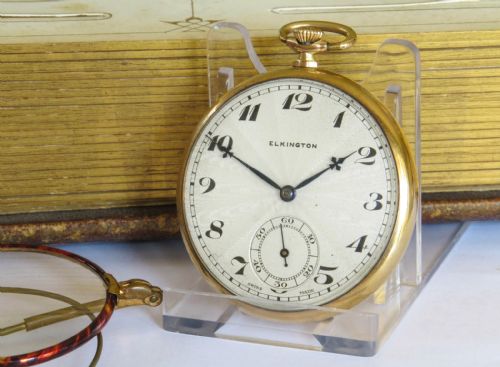
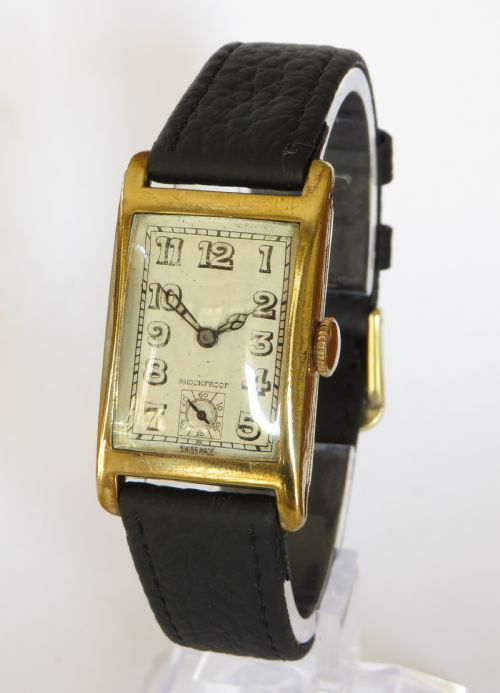
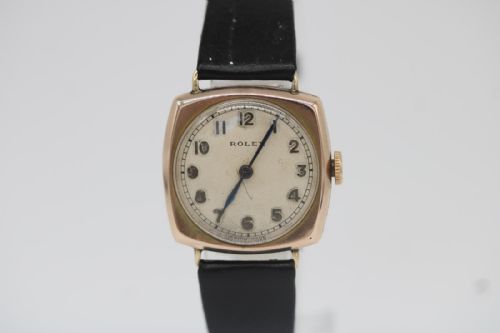
When you search for an art deco dress watch, you encounter refined timepieces designed for formal wear, spanning wristwatches and delicate ladies' cocktail pieces. The period examples on this page predominantly date from the 1920s and 1930s, featuring rectangular, square, or curved tonneau dials.
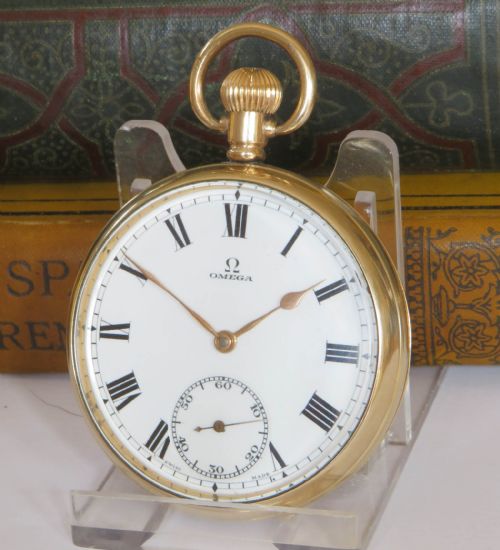
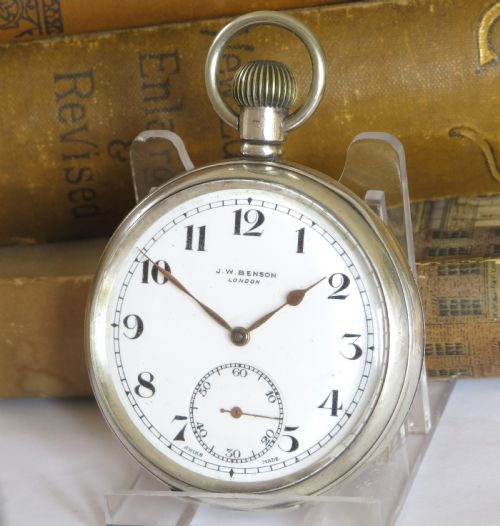
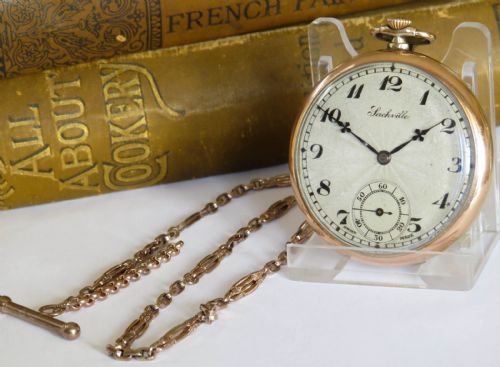
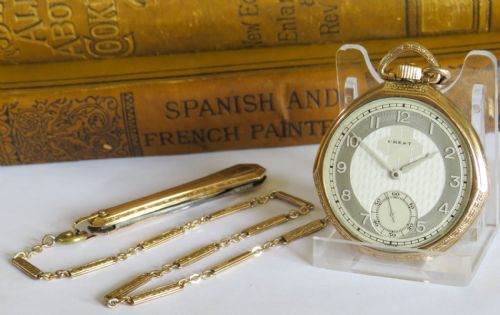
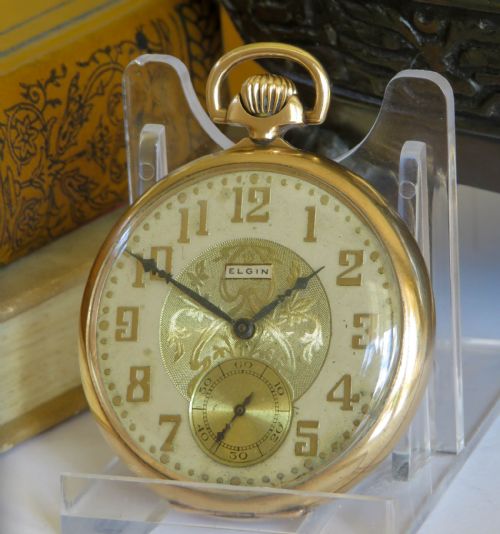
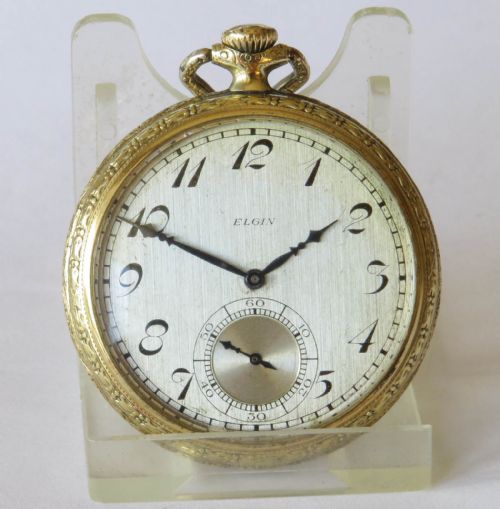
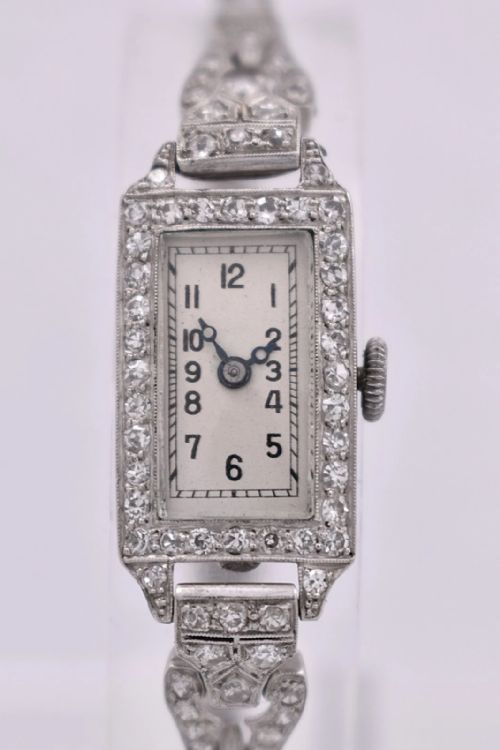
The selection ranges from robust men's manual wind models by makers such as Bulova and Zenith to gem-set platinum ladies' pieces by Asprey and Vertex. Pocket watches from the same eras also appear, demonstrating the period's preference for streamlined typography and structured symmetry.
These items reflect the transition from pocket-bound timekeeping to wrist-worn accessories, capturing the essence of interwar style through stepped cases and stylized numerals.
How they were made
Makers utilised precious metals including platinum, white gold, yellow gold, and rolled gold, shaping them into sharp geometric silhouettes typical of the era. Cases frequently incorporated diamond pavé settings and intricate metal engraving to enhance the visual impact.
Dials housed Swiss jewelled lever mechanical movements, often wound manually via small crown mechanisms. Glass crystals protected the faces, while straps combined leather with metal mesh or linked bracelets.
What varies in quality
Quality rests primarily on the integrity of the movement, the complexity of the case construction, and the presence of gemstones. Pieces with fully serviced Swiss jewelled movements sit at a higher tier than those with basic mechanical calibres.
The choice of housing matters significantly, as solid platinum and high-carat gold cases demand finer craftsmanship than gold-plated or chrome alternatives. Original dial preservation and the clarity of diamond settings further separate standard examples from superior collector pieces.
Omega·Cyma·Tavannes·Rolex·Elgin·Asprey·Vertex·Movado·Tissot·Bulova·Longines·Benrus·Girard-Perregaux
The Art Deco Dress Watch Glossary
- Manual wind
- A timepiece mechanism powered by manually turning the crown rather than through automatic rotor movement. This traditional winding method requires regular daily attention to maintain operation.
- Cocklet watch
- A small, decorative timepiece designed primarily for formal evening wear rather than timekeeping practicality. These objects often display extensive diamond and platinum ornamentation.
- Curvex
- A curved wristwatch case and movement configuration designed to contour closely to the wrist. This ergonomic shape became popular during the 1930s for men's dress models.
- Open faced
- A pocket watch design that lacks a hinged metal cover over the dial, allowing the time to be read instantly. These pieces usually feature a pendant bow at the top for attachment to a chain.
- Niello
- A black metallic alloy used as an inlay on engraved metal surfaces to highlight decorative patterns. It provides high contrast against silver and steel watch cases.
Art Deco Dress Watch: Frequently Asked Questions
How do I wind a manual dress watch?
Gently rotate the crown between your thumb and forefinger clockwise until you feel slight resistance. Stop immediately at that point to avoid damaging the mainspring.
Wind the piece at approximately the same time each day to maintain consistent tension and accurate timekeeping across the movement.
Are these watches suitable for daily wear?
Vintage pieces require careful handling because their delicate mechanical movements and older case seals lack modern shock and water resistance. Limiting their use to special occasions helps preserve the original components.
Regular servicing by a qualified horologist ensures the internal gears continue to function reliably without excessive wear.
How can I tell a 1920s watch from a 1940s watch?
Twenties pieces often feature extravagant floral engraving and transitional pocket watch aesthetics adapted for the wrist. The 1940s introduced heavier geometric lugs and more utilitarian military-influenced dial layouts.
Examining the movement serial number and interior case hallmarks provides a precise date of manufacture.
What is a jewelled movement?
Synthetic rubies or sapphires placed at high-friction pivot points inside the watch mechanism act as bearings. These jewels reduce wear on the metal axles and improve mechanical efficiency.
More jewels generally indicate a more complex movement capable of better chronological precision.