

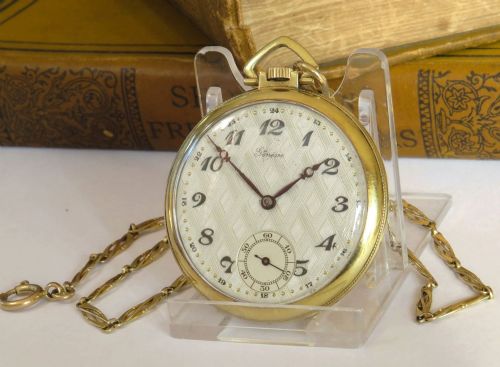
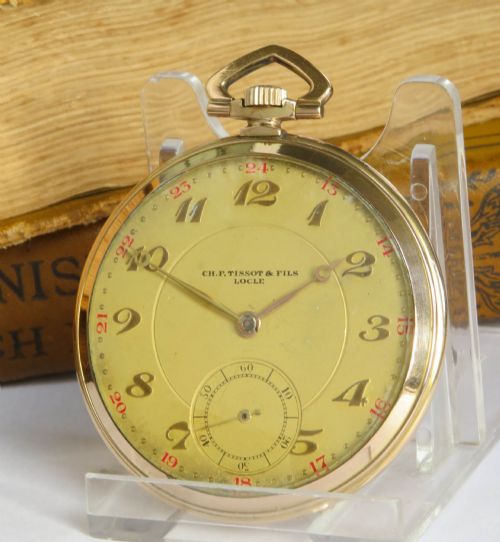
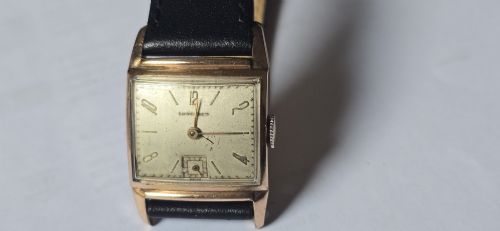
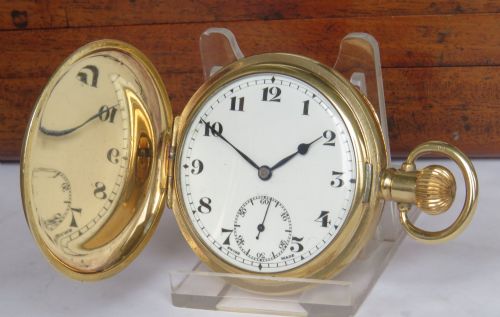
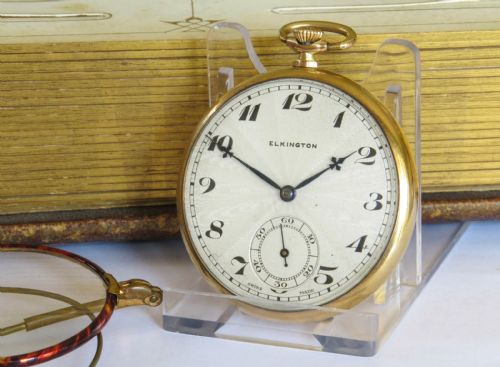
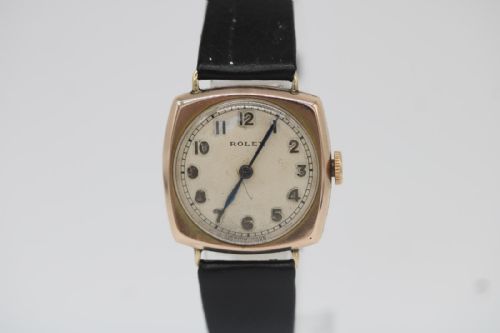
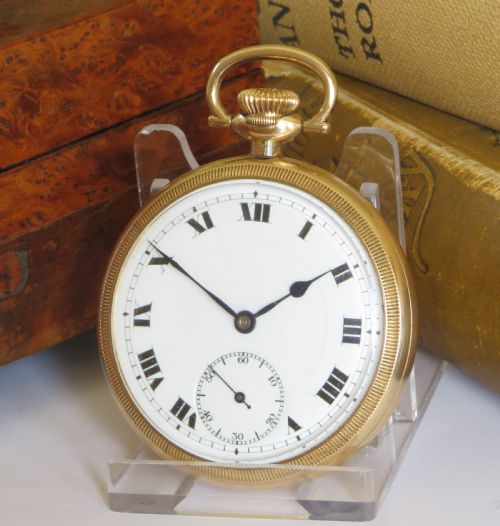

Art Deco Gold Watch
An art deco gold watch brings geometric precision and enduring horological craftsmanship together, offering a tangible link to early twentieth-century design.
Art Deco Gold Watch
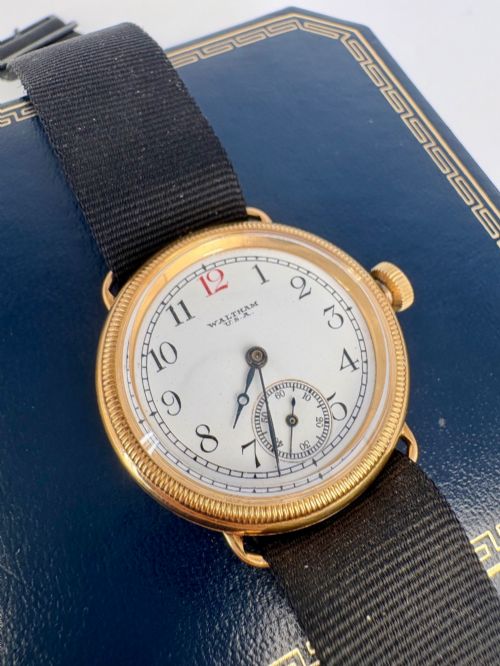
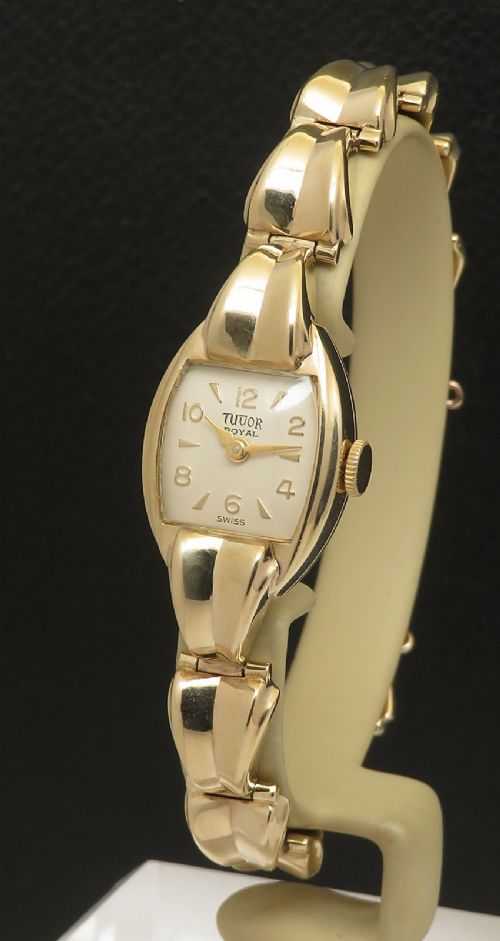
When searching for an art deco gold watch, buyers encounter timepieces ranging from pocket watches to gentlemen's wristwatches and ladies' cocktail watches. These pieces span the 1920s through the 1950s, representing an era of distinct geometric forms and streamlined aesthetics.
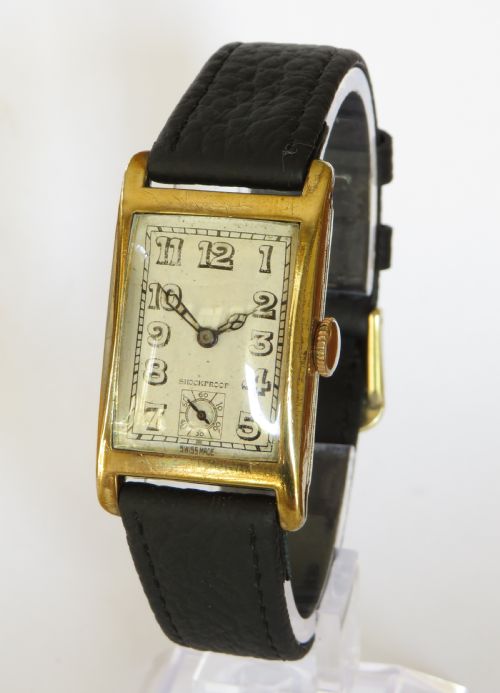
The version most commonly met on this page is the gold-filled or solid gold gentleman's wristwatch or ladies' cocktail watch from the interwar period. Makers such as Bulova, Elgin, and Omega dominate these selections, often featuring manual wind movements housed in white, yellow, or rose gold cases.
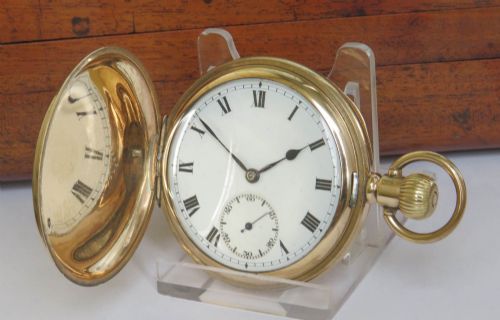
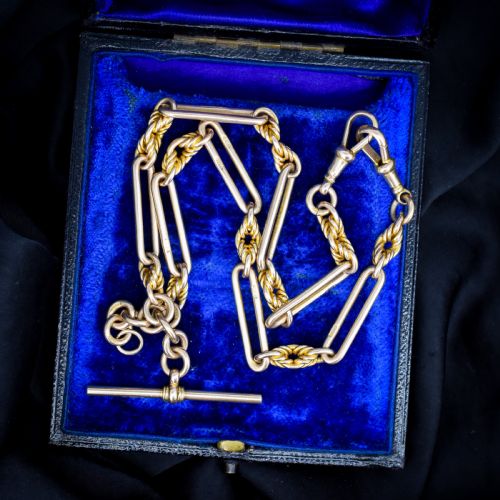
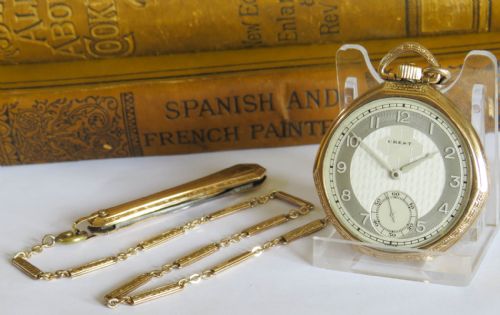
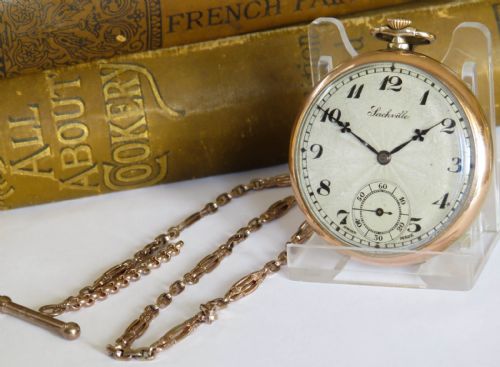
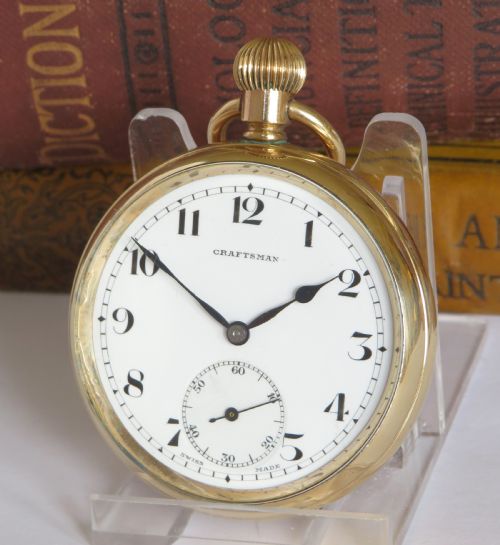
Pocket watches and Albert chain necklaces also appear frequently among the listings, extending the horological category into traditional pocket wear. Alongside these, platinum and white gold cocktail variations set with diamonds provide a more decorative expression of the style.
How They Were Made
Horologists constructed these watches utilising precious metals including 9ct, 14ct, and 18ct gold, alongside gold plate, rolled gold, and platinum. Cases often incorporated intricate detailing such as engine-turned patterns, enamel accents, and diamond settings.
Mechanically, these timepieces relied upon manual wind Swiss and American movements, housed within rectangular, square, or round cases. Mesh bracelets, leather straps, and matching Albert chains completed the construction of both wrist and pocket pieces.
Art Deco Gold Watch Retail Price Guide 2026
Typical asking prices for art deco gold watch among the pieces listed under this phrase on Sellingantiques today, from the lower quarter to the upper quarter. They describe what is for sale here now, not the wider market.
What Varies in Quality
The calibre of the movement and the integrity of the precious metal case distinguish top-tier examples from standard items. Solid gold or platinum construction paired with signed movements from premier houses commands greater attention than gold-filled alternatives.
The preservation of original dial details, cases without excessive polishing, and the inclusion of precious stones like diamonds elevate a piece. Service history and mechanical running condition further differentiate everyday survivors from museum-grade specimens.
Omega·Sackville·Tavannes·Paxus·Elkington·Globe Watch Co·Rotary Claridge·Rolex Tudor·Rolex·Elgin·Folkestone Fishermen·H Samuel·Record·Pioneer·Verity·Bucherer·Movado·Aster·Ebana·Tissot·Longines·Bulova·Benrus·Garrard·Girard Perregaux
The Art Deco Gold Watch Glossary
- Cocktail Watch
- A small, highly decorative ladies' timepiece often set with diamonds and precious stones, designed primarily for evening wear. These watches double as fine jewellery pieces.
- Albert Chain
- A chain attached to a pocket watch, traditionally secured to a waistcoat or jacket buttonhole. They appear in various link styles such as curb, trombone, and love knot.
- Guilloche
- A decorative technique where a precise, intricate pattern is mechanically engraved into metal beneath a translucent layer of enamel. It frequently appears on watch cases and travel clock stands.
- Half Hunter
- A pocket watch featuring a case with a glass panel or aperture in the outer cover, allowing the wearer to read the time without opening the case. The outer metal ring often bears enamel chapter markers.
- Rolled Gold
- A manufacturing method where a layer of gold is mechanically bonded to a base metal core, offering durability distinct from standard gold plating. It provided an accessible alternative to solid gold during the interwar period.
Art Deco Gold Watch: Frequently Asked Questions
What is an art deco gold watch?
An art deco gold watch is a timepiece manufactured primarily between the 1920s and 1950s, characterised by geometric symmetry, clean lines, and precious metal construction. These items include both men's wristwatches and ladies' cocktail designs.
They reflect the modernist design philosophies of the period, moving away from ornate Victorian styles toward industrial sleekness and architectural forms.
How do I wear a pocket watch and chain?
Pocket watches are typically carried in a waistcoat or jacket pocket, secured by an Albert chain attached through a buttonhole or lapel. The chain drapes across the front of the garment for both security and display.
Matching the gold tone of the watch to the metal of the chain provides a cohesive appearance when assembling an outfit from historical pieces.
How can I tell the period of a watch?
The period of a watch is determined by examining its overall design language, case geometry, typography on the dial, and movement signatures. Art deco pieces lean heavily into stepped rectangular cases and stylised numerals.
Opening the case back to check serial numbers or maker's marks often yields precise dating corresponding to manufacturer archives from the interwar decades.
Were these watches used daily?
Many of these pieces served as reliable daily timekeepers for their original owners, accompanying everyday business and formal attire alike. Gentlemen's wristwatches and pocket watches saw heavy practical use.
Conversely, diamond-set cocktail watches were reserved for evening social engagements, preserving their delicate enamel and gemstone settings over decades of ownership.