
1930s Art Deco Timepiece
A 1930s art deco timepiece brings geometric precision and distinct industrial materials into daily living.
1930s Art Deco Timepiece
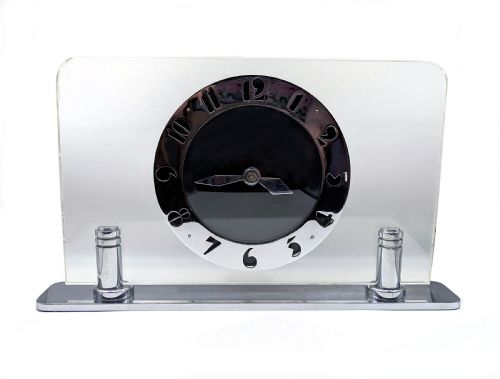
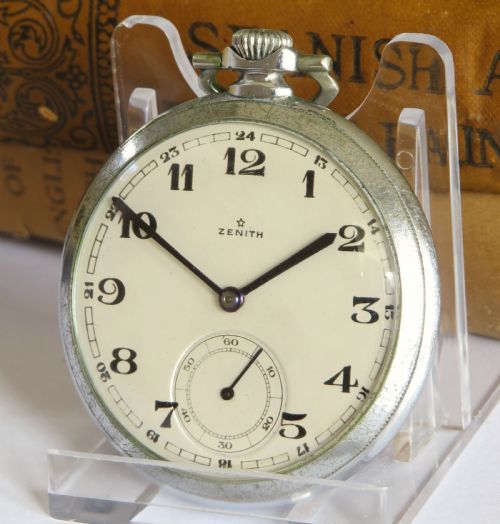
When people search for a 1930s art deco timepiece, they encounter an assortment of functional objects ranging from pocket watches and wristwatches to desk clocks, mantel clocks, and wall clocks. These items embody the design philosophies of the 1910 to 1930 periods, incorporating distinct stylistic subsets such as the Amsterdam School alongside traditional Art Deco.
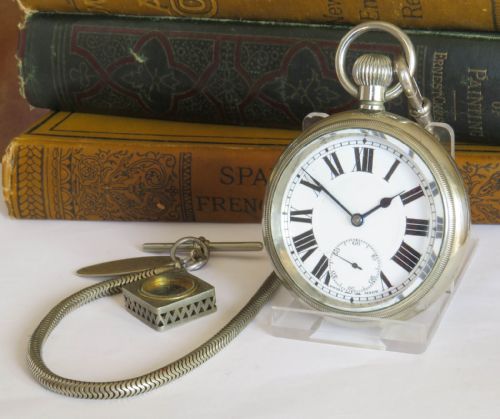
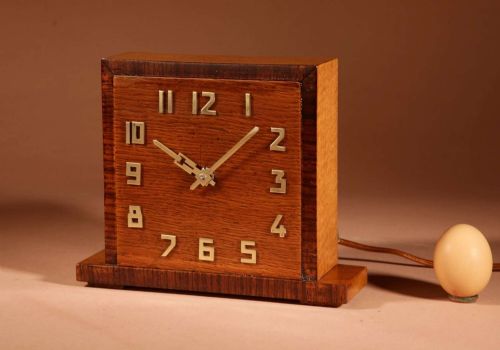
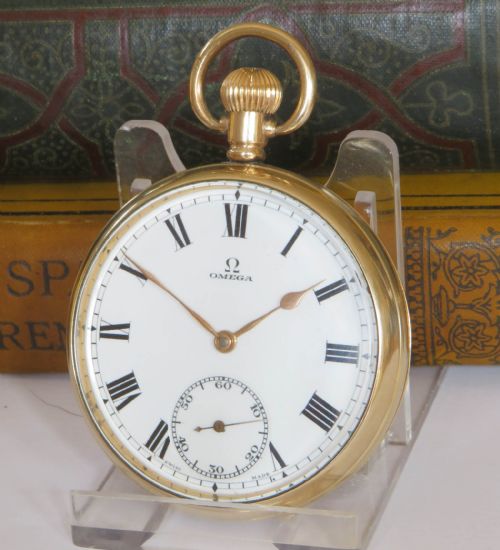
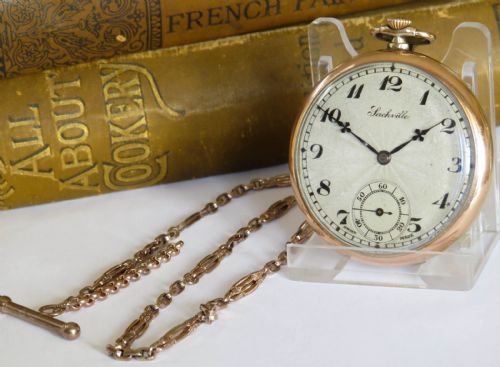
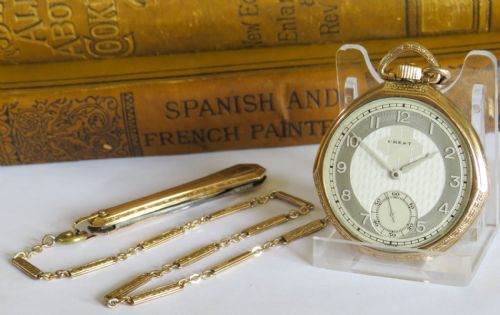
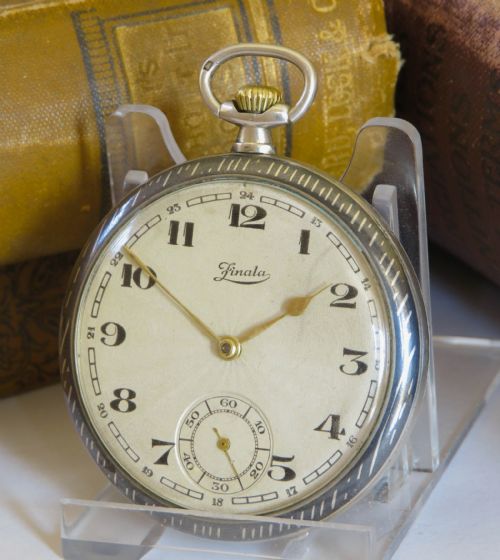
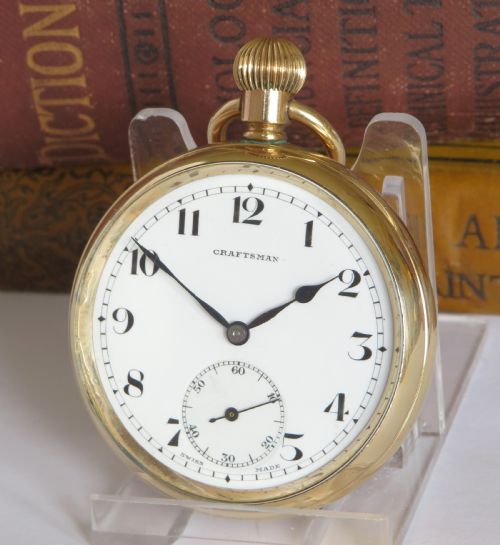
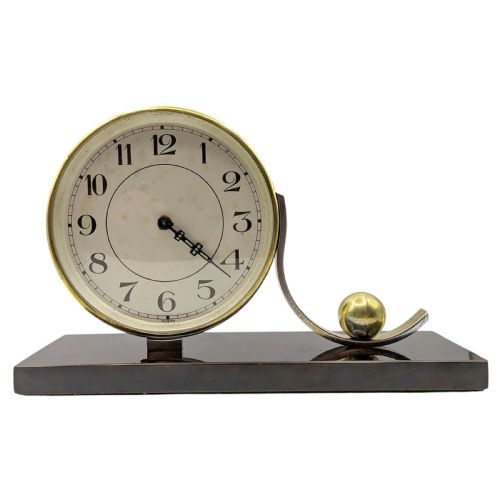
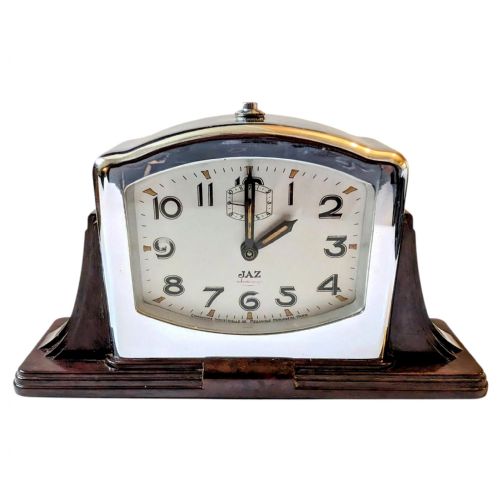
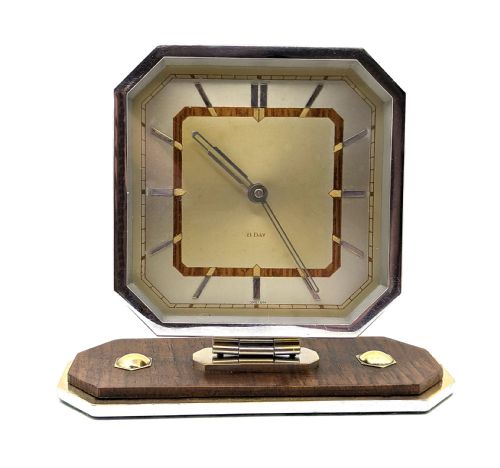
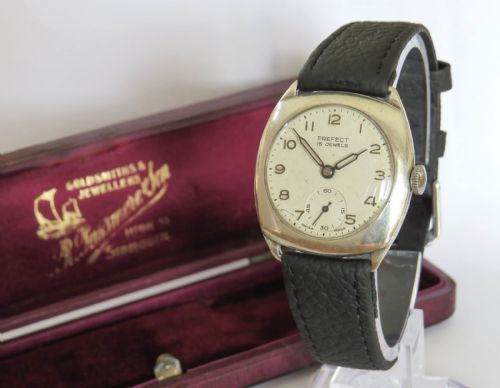
The most common variants met on this page are desk clocks and pocket watches, frequently constructed during the 1930s. Mantel clocks also appear regularly, offering larger formats that showcase architectural timber work or stone casing. Wristwatches and cocktail watches represent the more personal wearable formats from the same era.
Objects span portable travel designs and sturdy domestic timekeepers intended for mantelpieces or office desks. Many pieces originate from English and French makers, bringing distinct regional interpretations to the movement. Every surviving example bridges utilitarian timekeeping with period ornamentation.
Materials and construction methods
Precious materials also define the wearable category, with platinum and white gold encasing diamond-set cocktail watches. Leather straps and rolled gold finishes accompany wristwatches, while movements rely on mechanical 8-day systems, wind-up mechanisms, and early electrical technology.
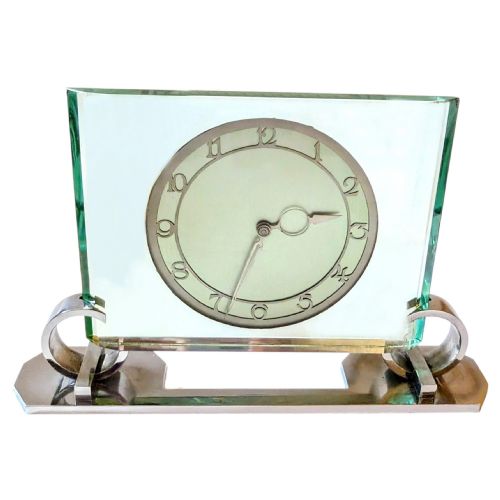
Some timepieces incorporate uranium glass, glowing softly under ultraviolet light to reveal their vibrant green art deco personality.
Assessing quality in period horology
Superior examples display crisp geometric lines in metal and bakelite cases, accompanied by signed movements from established makers. The integration of specialty materials like opaline glass, macassar ebony, or multiple carats of diamonds elevates a piece above standard utility.
Execution of the housing determines distinction, seen in heavy solid silver easel cases or finely polished onyx and marble. Mechanical sophistication, such as fully serviced 8-day movements or jewelled lever escapements, separates basic wind-up items from high-grade horology.
Smiths Clockmakers·Mappin & Webb·Harrods of London·Bravingtons Ltd of London
The 1930s Art Deco Timepiece Glossary
- Bakelite
- An early synthetic thermosetting plastic frequently utilised for moulded clock cases and desk bases. It provides a smooth, durable finish characteristic of the period.
- Chronograph
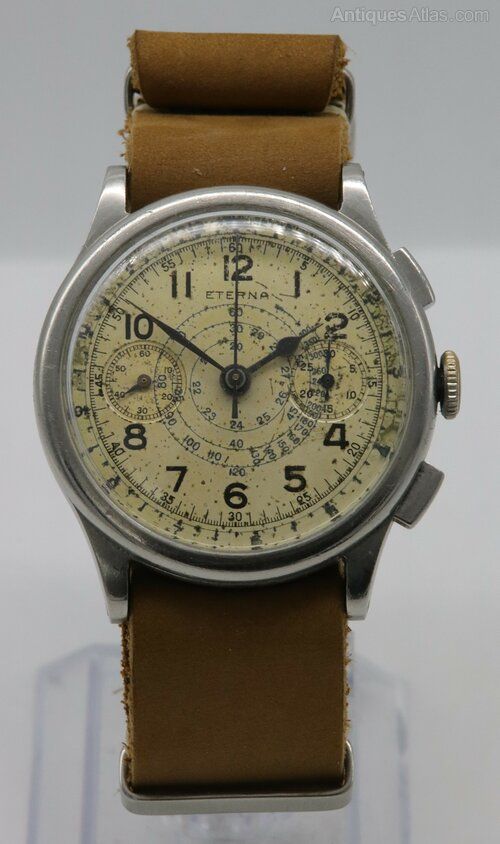
- A watch equipped with a display function for elapsed time alongside standard timekeeping. These mechanical complications require precise gear calibration.
- Easel desk clock
- A portable timekeeper supported by a rear folding strut for angled desktop display. Solid silver and chrome frequently frame these designs.
- Onyx
- A banded variety of chalcedony used for heavy mantel clock bodies. Its natural mineral patterns offer a polished, substantive base for clock faces.
- Lever escapement
- A mechanical device regulating the transfer of energy to the balance wheel in quality watches. Swiss jewelled versions reduce friction for improved accuracy.
- Amsterdam School
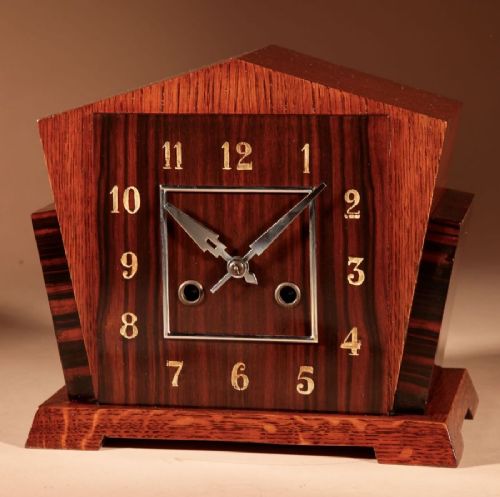
- A stylistic movement influencing Dutch architecture and decorative arts with expressive brickwork and dynamic timber forms. This aesthetic appears in oak and rosewood mantel clocks.
1930s Art Deco Timepiece: Frequently Asked Questions
How do I wind an 8 day clock?
An 8 day clock requires winding approximately once a week using a matching key or built-in mechanism. Care must be taken not to overwind the mainspring.
Turning the key smoothly until resistance is felt ensures the mechanism powers correctly for its full duration.
What is a cocktail watch?
A cocktail watch is a small ladies wristwatch designed primarily for evening wear. These pieces function as jewellery items, often encased in platinum or white gold and set with diamonds.
Discreet dials are frequently concealed beneath hinged covers or framed by elaborate geometric metalwork.
How do I distinguish an Amsterdam School clock?
Amsterdam School clocks feature expressive use of natural timbers like oak, macassar ebony, and coromandel. The woodwork emphasises bold vertical lines and sculptural massing.
These pieces contrast sharply with symmetrical metal desk clocks through their rich organic grain patterns.
Are desk clocks suitable for daily use?
Desk clocks with fully serviced mechanical movements can keep accurate time in modern settings. Regular placement on stable surfaces away from vibrations preserves the delicate internal gears.
Manual wind-up models require periodic attention to maintain consistent operation.