



Black Face Vintage Watch
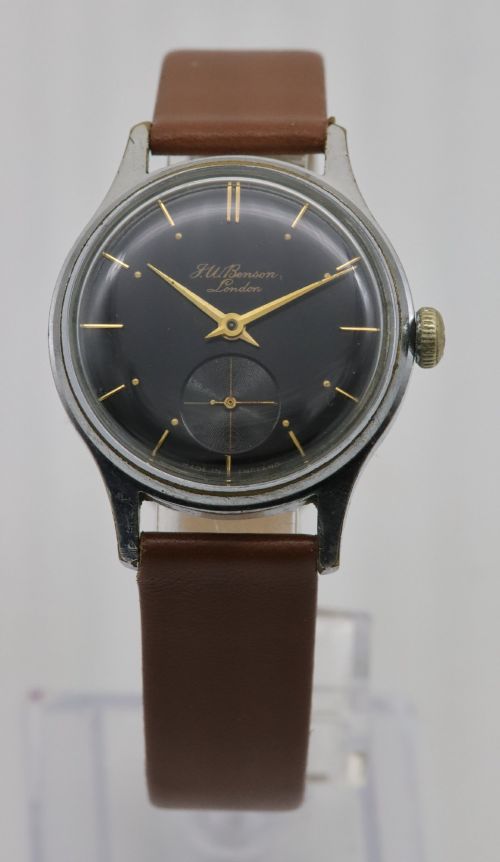
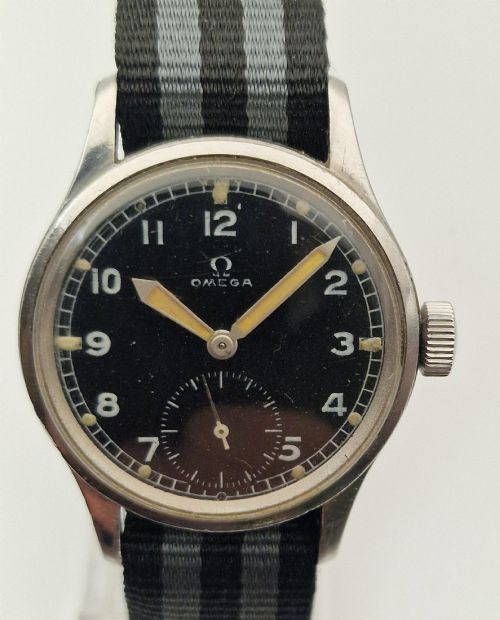
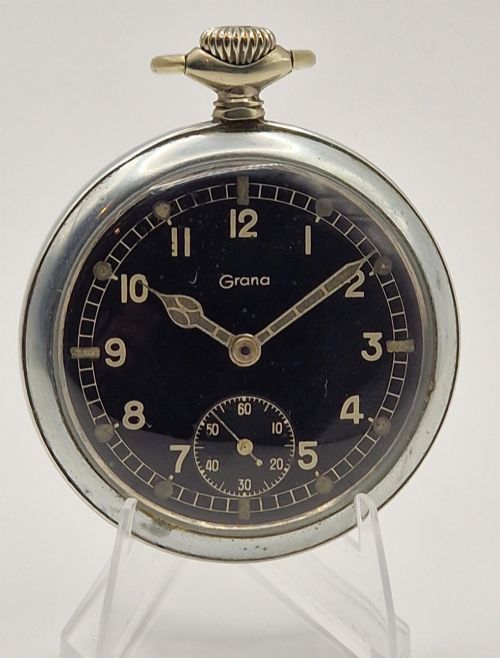
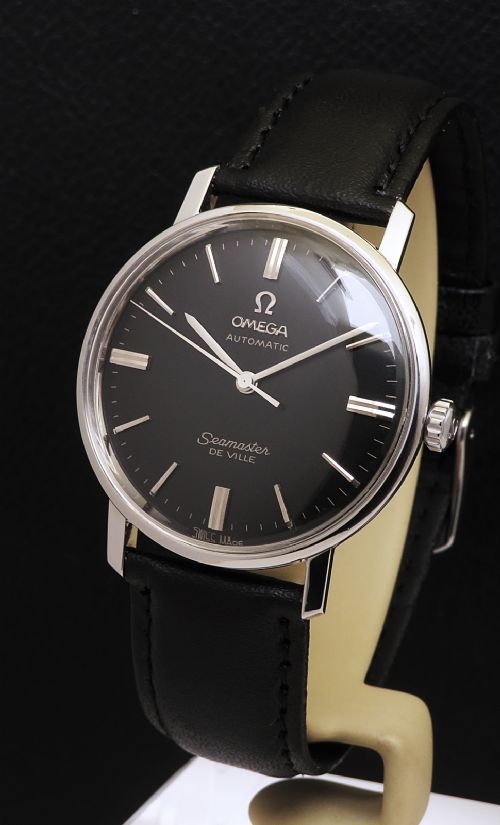
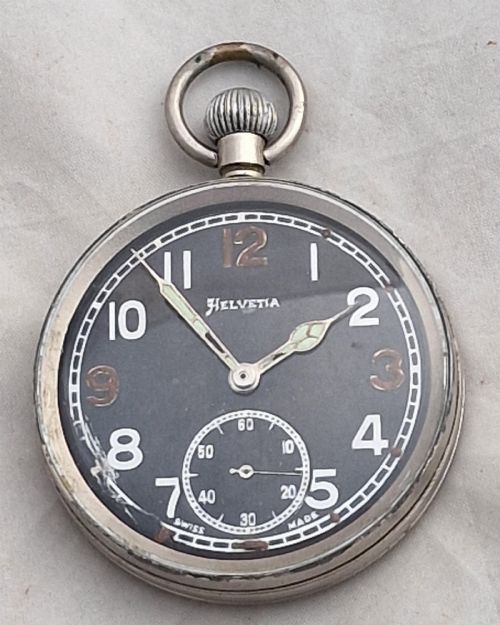
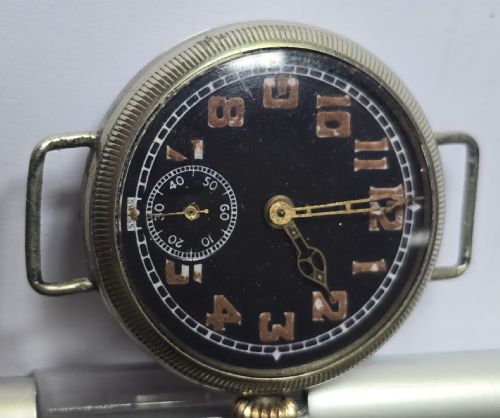
These black face vintage watch examples span military issues and civilian designs, offering robust steel cases and distinctive dark dials that catch the eye immediately.
Black Face Vintage Watch
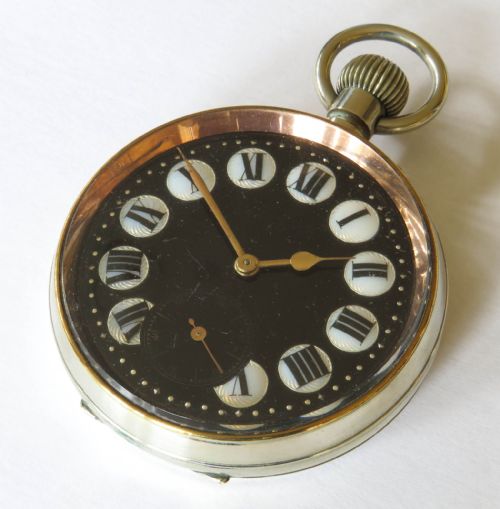
When someone searches for a black face vintage watch, they encounter a range of timepieces spanning the Edwardian era through the mid-century period. These objects include wristwatches, pocket watches, and specialised military issues that prioritise dark, highly legible dials.
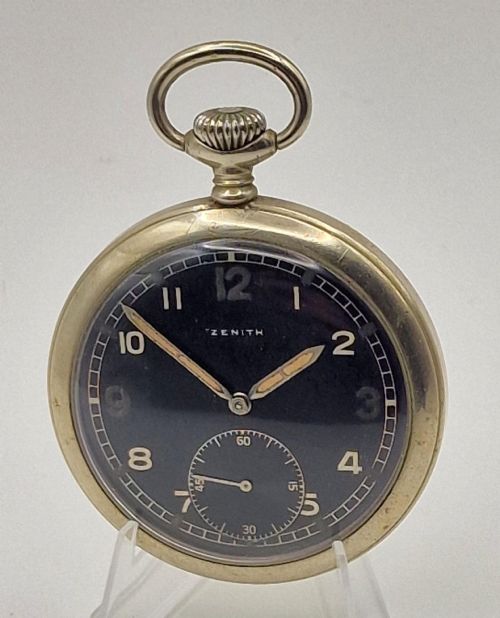
The versions most commonly met on this page range from early trench watches and Second World War military pocket watches to mid-century automatic dress pieces. Civilian Art Deco models and military pieces share the stage, each displaying the character of its decade of origin.
Makers and retailers such as Omega, Helvetia, Belair, and H.W. Bedford appear across these listings, providing a solid historical spread. Buyers find everything from heavy silver-cased pocket watches to stainless steel wristwatches designed for active service or civilian wear.
How they were made
The construction of these watches relies heavily on metals such as stainless steel, silver, chrome, nickel, brass, and gold plating for the protective cases. Glass crystals cover the dark dials, while leather straps secure the wristwatches to the wearer.
Movements inside these timepieces utilise mechanical engineering, ranging from standard manual wind mechanisms to automatic self-winding systems and multi-jewel configurations. Military pieces often incorporate specific service markings directly onto the case backs or movements to denote government or branch ownership.
Black Face Vintage Watch Retail Price Guide 2026
Typical asking prices for black face vintage watch among the pieces listed under this phrase on Sellingantiques today, from the lower quarter to the upper quarter. They describe what is for sale here now, not the wider market.
Listings span five distinct decades, covering materials from simple brass and chrome to solid silver and stainless steel.
What varies in quality
The distinction between tiers of these watches rests on the preservation of the original dial and case details. Pieces retaining original military markings, untouched black dials, and unpolished metal surfaces stand apart from those with replaced components or heavily worn finishes.
Mechanical complexity and provenance also dictate the standing of a piece, with high-jewel count movements and documented service histories commanding greater attention. The integrity of the case material, whether solid silver or gold-plated brass, further defines the standard of each item.
Omega·Helvetia·Belair·H.W. Bedford
The Black Face Vintage Watch Glossary
- Automatic
- A self-winding mechanical movement that uses the natural motion of the wearer's wrist to keep the mainspring wound. This system removes the need for daily manual winding.
- Trench watch
- An early wristwatch adapted from pocket watch designs during the First World War for military use in the trenches. These pieces typically feature wire lugs and luminous dark dials.
- Chronograph
- A watch with a display function that can be started, stopped, and reset to zero for measuring elapsed time. Naval artillery and military models frequently employ this complication.
- Dial
- The visible face of the watch that displays the hours, minutes, and sometimes subsidiary seconds or 24-hour markers. Dark or black variants offer high contrast against white or luminous numerals.
Black Face Vintage Watch: Frequently Asked Questions
How do I date a vintage black dial watch?
Dating relies on serial numbers, movement calibres, case hallmarks, and stylistic cues unique to periods like the Art Deco era or the mid-century decades.
Comparing these details with historical records and maker archives provides a reliable timeframe for manufacture.
Are these watches suitable for daily wear?
Many mechanical watches from the mid-century and earlier handle regular wear well, provided they have received recent servicing from a qualified horologist.
Older military and pocket watches require more care regarding water resistance and shock protection during everyday use.
What is the difference between a trench watch and a standard wristwatch?
Trench watches emerged during the early twentieth century by soldering wire loops onto pocket watch cases to accommodate leather straps for soldiers.
Standard wristwatches designed later feature integrated case lugs and movements built specifically for wrist-worn applications.
Why do some military watches have special markings on the case?
Government departments and military branches stamped specific codes, serial numbers, and broad arrow symbols onto issued equipment for inventory control.
These engravings verify the official military provenance of the timepiece and connect it to a specific historical service.