



Antique Waltham Watch
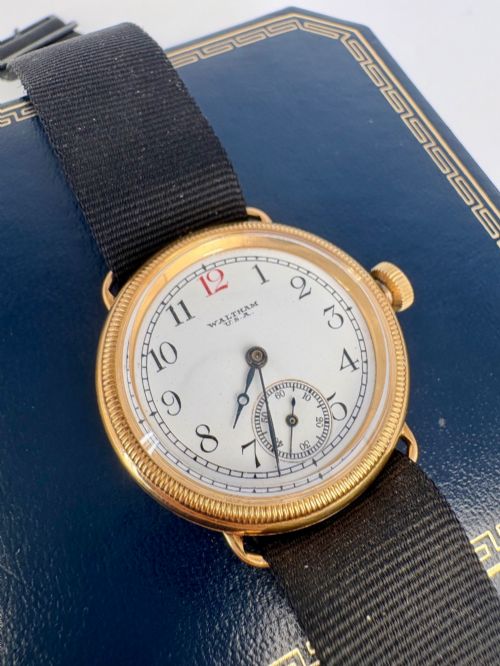
An antique waltham watch delivers precision timekeeping and mechanical mastery, offering a tangible link to late nineteenth and early twentieth century horology.
Antique Waltham Watch
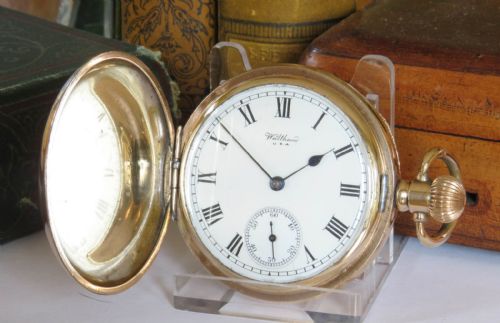
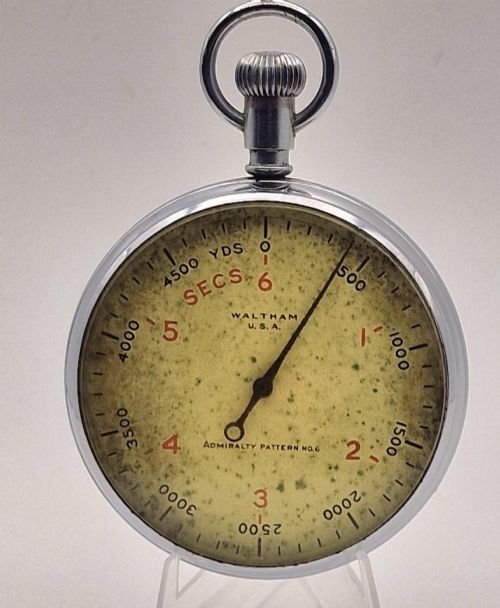
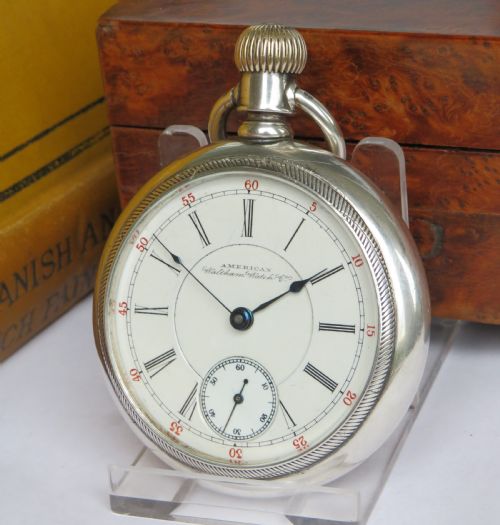
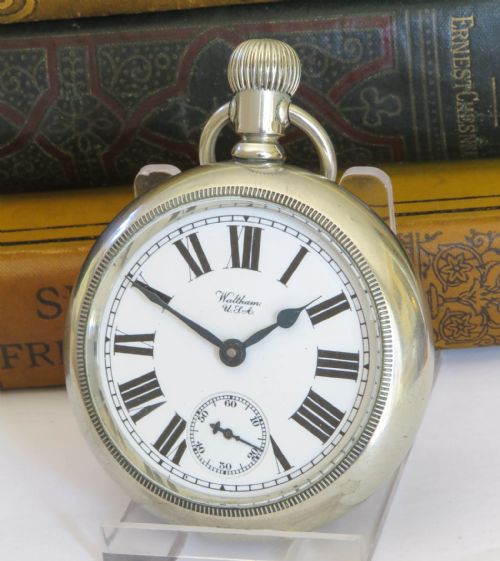
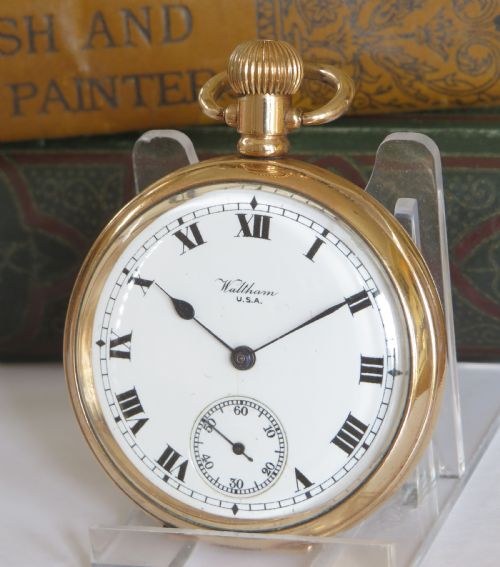
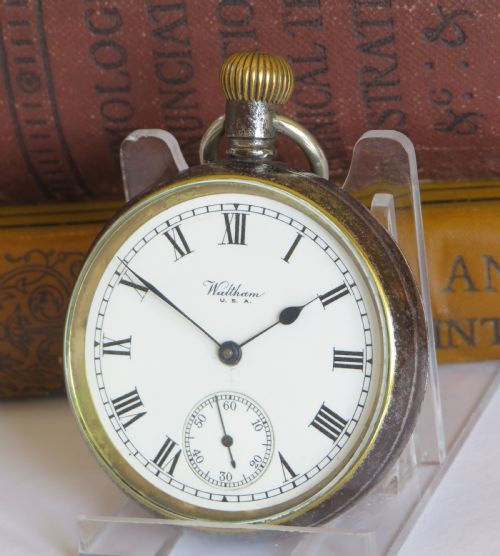
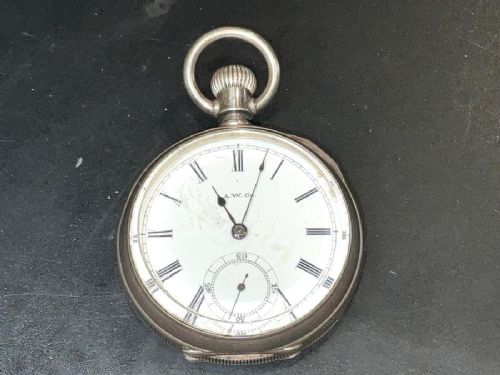
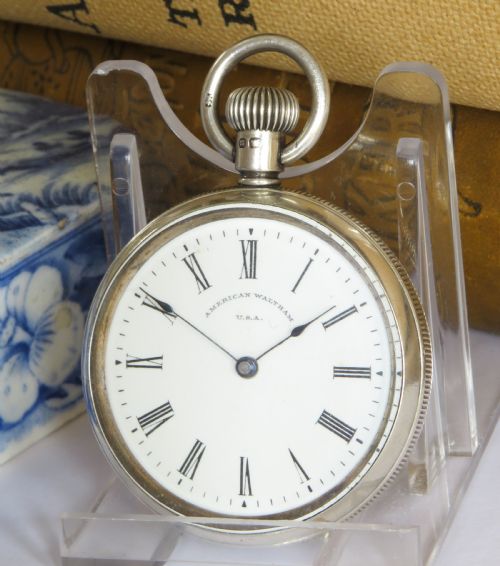
When you search for an antique waltham watch, you encounter mechanical timepieces originating from American production lines that supplied markets globally. These pocket and fob watches span Victorian, Edwardian, and Art Deco periods, encompassing standard pocket formats alongside specialised railway editions.
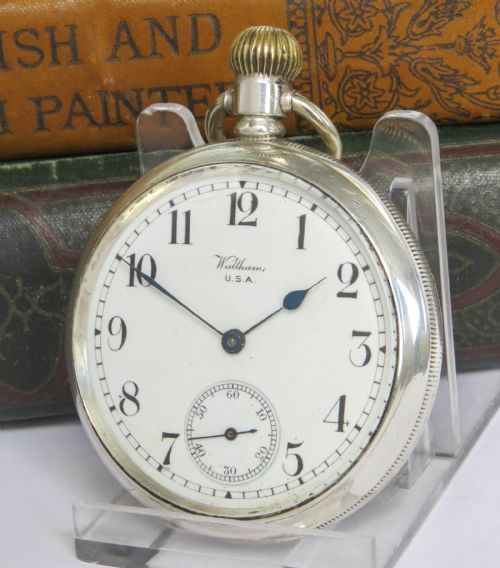
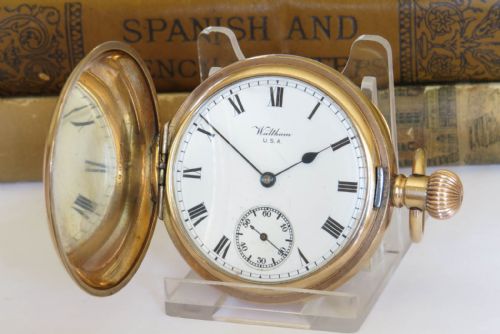
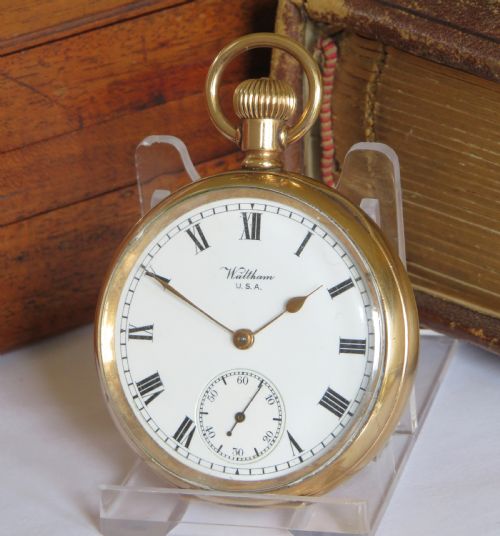
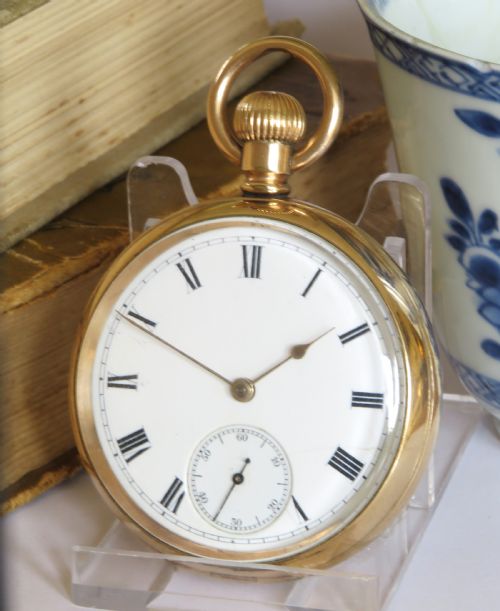
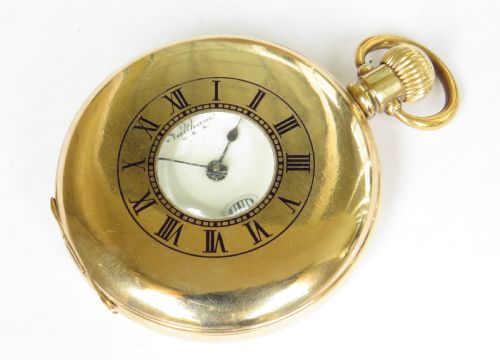
The most common examples on this page are standard pocket watches housed in silver, gold filled, or gold plate cases, often accompanied by chains. Full hunter and half hunter designs, which feature protective metal covers over the dial, appear frequently alongside open face variants.
Named series such as the Traveller, Marquis, Royal, and Seaside indicate specific grades and market tiers produced during the operational lifespan of the factory. Lady Waltham fob watches represent smaller formats tailored for pendant wear during the early twentieth century.
How they were made
Cases utilise metals such as sterling silver, solid gold, gold plate, and gold filled construction, supplemented by brass internal movement components and steel arbors and springs. Dials combine white enamel surfaces with painted numerals and glass crystals to protect the hands.
Interchangeable mechanical parts governed the manufacturing process, allowing standardised movements to be paired with diverse case materials and styles. Skilled watchmakers assembled the gear trains and escapements within protective metal housings designed for durability.
Antique Waltham Watch Retail Price Guide 2026
Typical asking prices for waltham watch among the pieces listed under this phrase on Sellingantiques today, from the lower quarter to the upper quarter. They describe what is for sale here now, not the wider market.
Listings feature Victorian, Edwardian, and Art Deco eras, utilising materials like enamel, glass, steel, gold filled, silver, and brass across pocket and fob formats.
What varies in quality
Quality differences stem from the grade of the internal movement and the preciousness of the case material, with higher tier models incorporating more jewel bearings and superior adjustment. Solid gold or heavy silver housings represent greater material investment than standard gold filled or brass alternatives.
The crispness of enamel dial lettering and the preservation of original hands and case engraving distinguish standard production items from superior examples. Inclusion of original fitted boxes or matched chains enhances the integrity of the surviving package.
Waltham Watch Company
The Antique Waltham Watch Glossary
- Full hunter
- A pocket watch featuring a spring loaded metal cover that protects the glass crystal from scratching. Pressing the crown typically releases the lid to reveal the dial.
- Half hunter
- A pocket watch with a metal outer case lid that incorporates a glass or open centre window. This allows the user to read the hands without opening the cover.
- Fob watch
- A smaller watch designed to be worn attached to a ribbon or short chain, often pinned to a garment. These frequently appear as Lady Waltham variants from the Edwardian era.
- Gold filled
- A manufacturing technique where a layer of solid gold is mechanically bonded to a base metal core. This provides the appearance and wear resistance of solid gold at a different weight and cost.
- Railway watch
- A high precision timepiece built to strict timing standards required for railway operations. These feature clear dials and robust movements to ensure absolute reliability for staff.
Antique Waltham Watch: Frequently Asked Questions
How do I wind an antique waltham watch?
Most pocket watches from this era wind via the crown at the top, which you turn clockwise until you feel firm resistance. Avoid overwinding, as this can strain the mainspring.
Set the time either by pulling the crown upward or by pressing a small pin set into the case edge while turning the crown, depending on the specific movement design.
What is the difference between a hunter and an open face watch?
A hunter watch includes a hinged metal lid that completely covers the glass dial, protecting it from pocket debris and impacts. Opening the cover requires pressing the crown release.
An open face watch displays the glass crystal and dial directly without any protective cover, allowing for quick time checks without manipulation.
Can I wear an antique pocket watch daily?
These timepieces function well for regular wear provided you handle them with care and protect them from severe shocks or moisture. Securing the watch with an appropriate chain prevents accidental drops.
Mechanical movements benefit from periodic professional servicing to clean old lubricants and ensure accurate timekeeping over years of use.
How do I determine the production year?
Production dates are typically estimated by referencing the serial number engraved on the internal movement plate against historical manufacturing records. Cases may sometimes feature separate hallmarks or numbering that offer additional chronological clues.
Stylistic elements like enamel dial fonts and case decoration also help narrow down the decade of manufacture.