
Manual Wind Timepiece
A manual wind timepiece represents a mechanical tradition where personal interaction keeps time moving forward through daily winding.
Manual Wind Timepiece
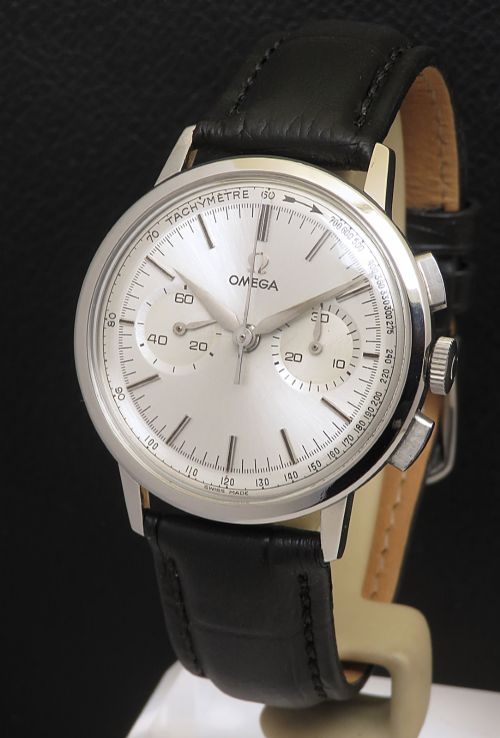
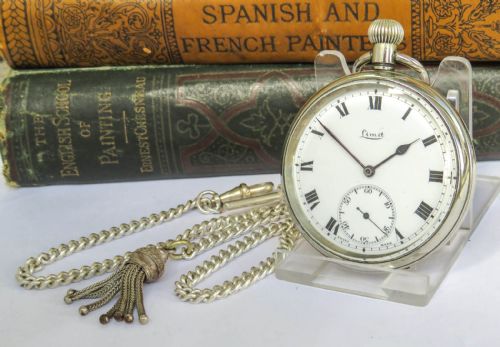
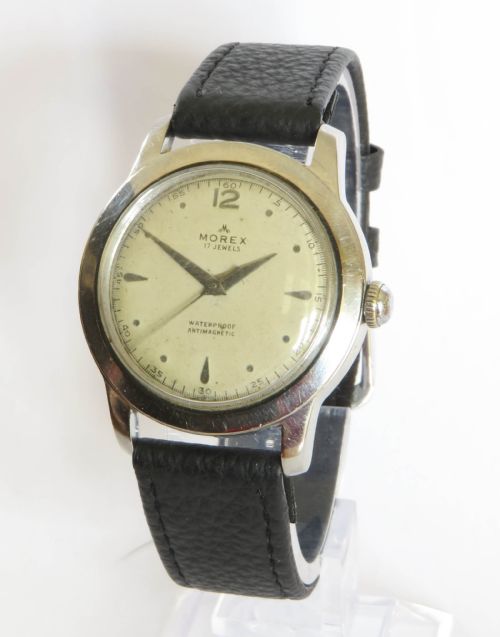
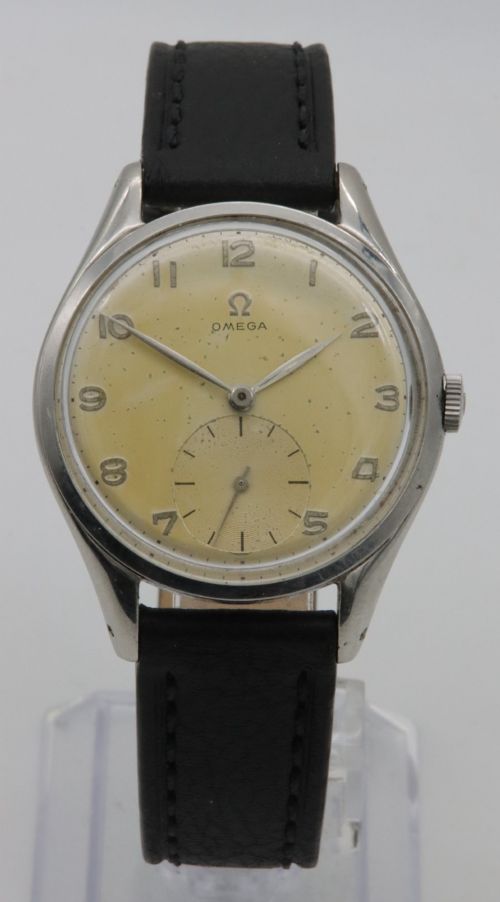
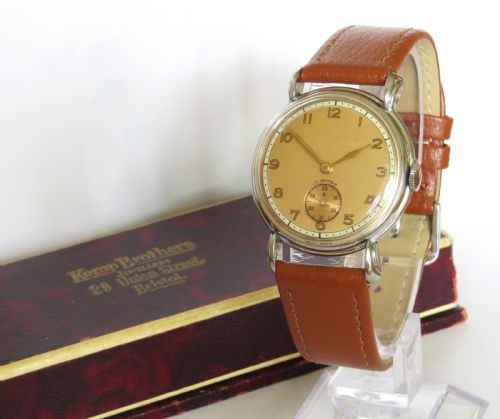
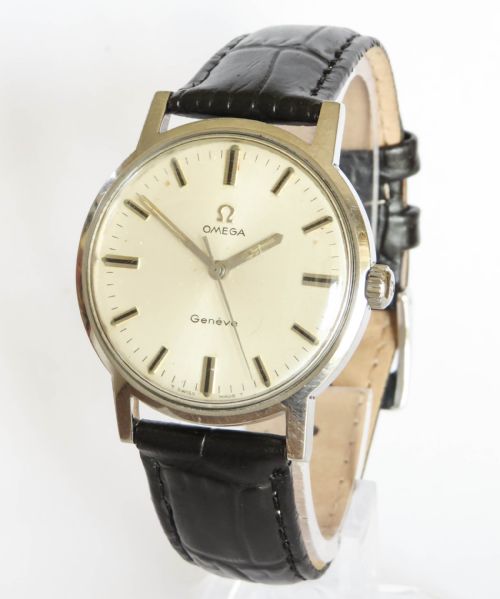
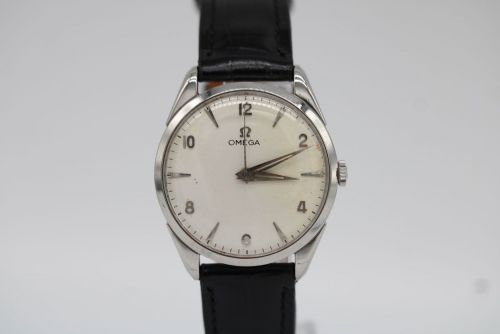
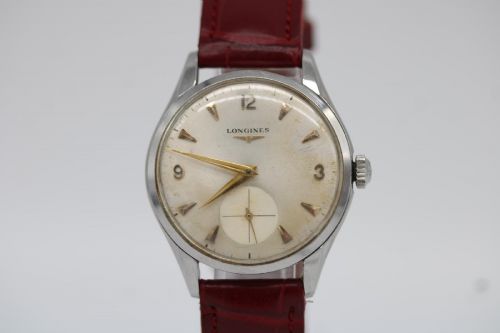
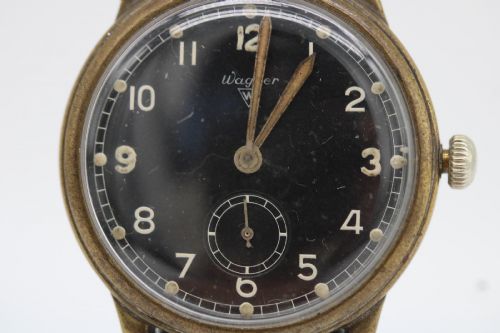
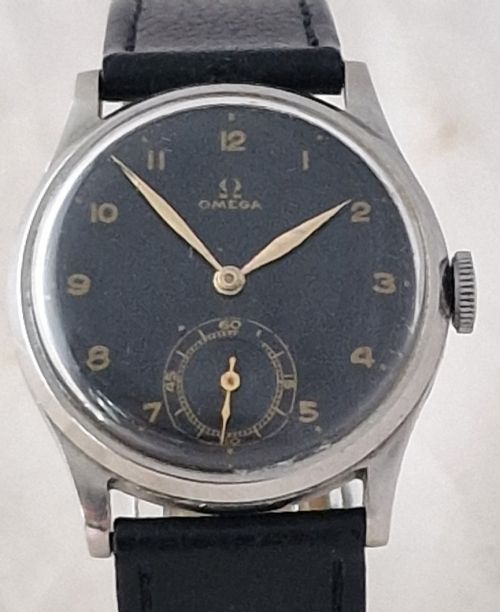
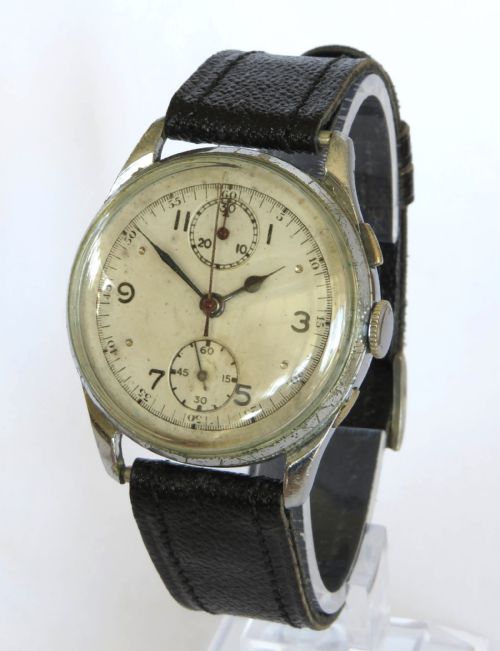
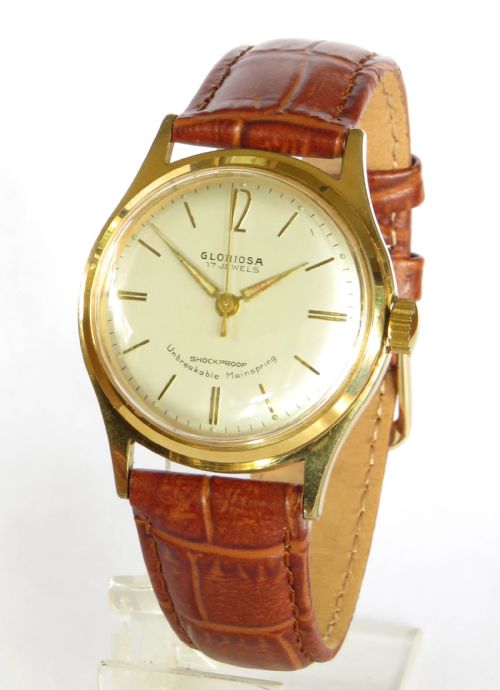
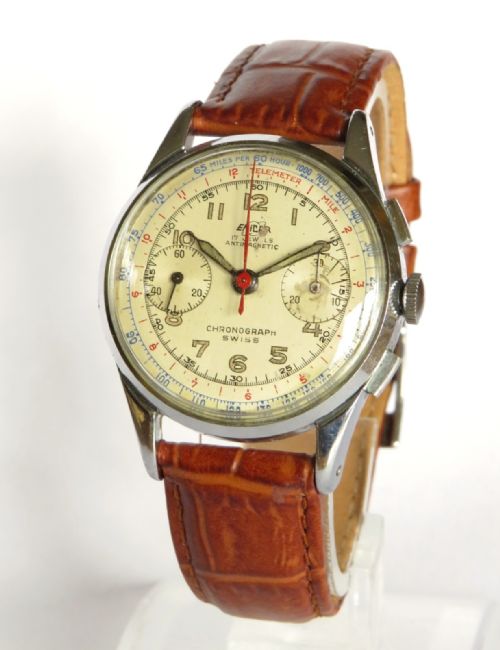
A manual wind timepiece encompasses both pocket watches and wristwatches powered entirely by a mainspring that requires regular hand winding. When you explore this selection, you encounter designs spanning from the early twentieth century through the nineteen-seventies, reflecting significant shifts in horological style.
The wristwatches dominate the available selection, particularly pieces originating from the nineteen-fifties and nineteen-sixties with distinct mid-century characteristics. Alongside these, pocket watches from Edwardian and wartime periods appear, retaining traditional formats and pocket attachments.
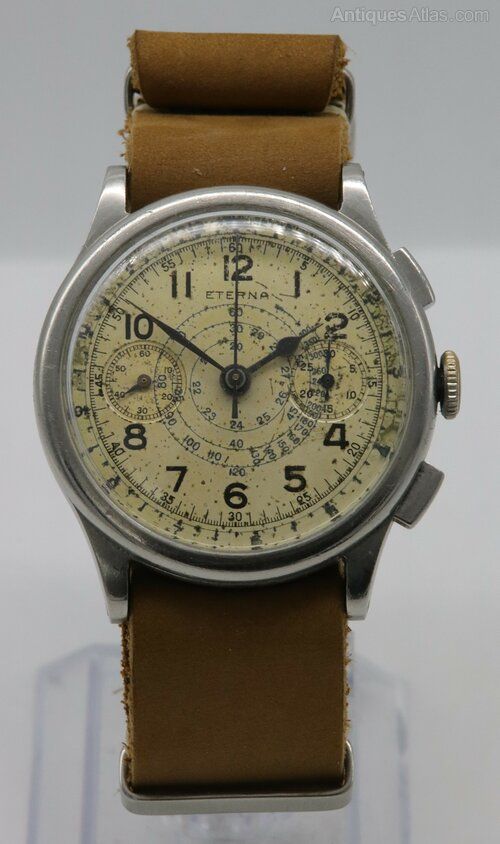
Makers represented across the inventory include established names such as Omega, Longines, Eterna, Tudor, and Waltham. These manufacturers produced both civilian models and specialised military issues intended for rigorous conditions.
How they were made
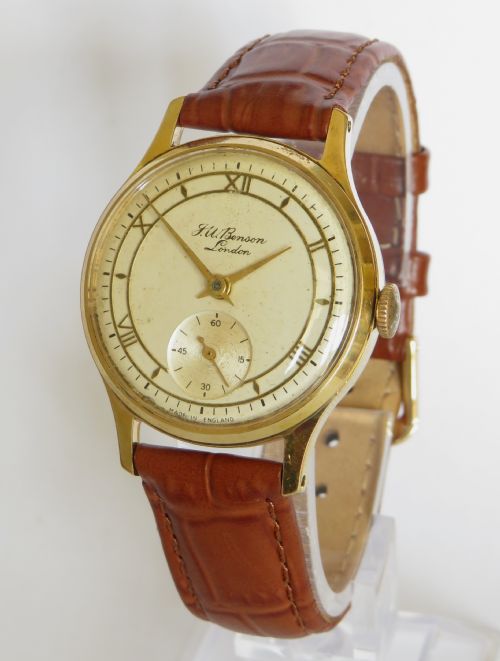
Cases utilise materials including stainless steel, solid 9ct gold, gold plate, and silver, housing intricate mechanical movements behind glass or acrylic crystals. Dials frequently incorporate enamel work or textured finishes paired with leather straps.
Movements rely on precision metal gears, springs, and escapements assembled by hand within workshops in Switzerland, Britain, and Germany. Military and civilian specifications dictated whether cases prioritised rugged durability or refined dress aesthetics.
Listings feature mechanical calibres housed in stainless steel, 9ct gold, and leather configurations spanning the twentieth century.
What varies in quality
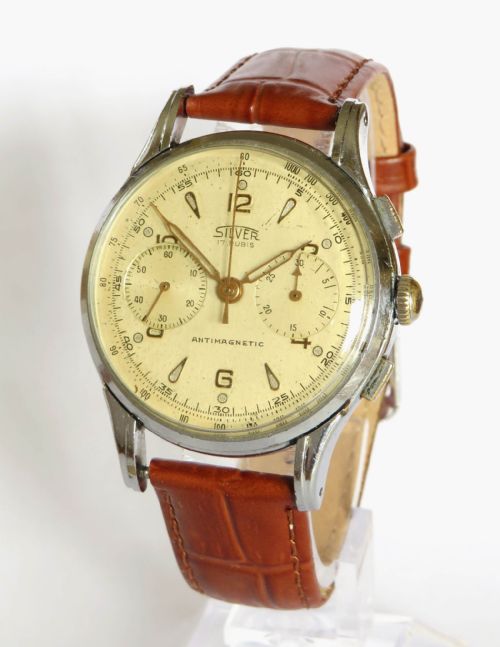
The grade of a manual wind timepiece depends upon the sophistication of its internal movement calibre and the preservation of its original components. Examples featuring in-house chronograph movements or fully restored solid gold cases sit at the upper end of horological output.
Dial preservation and case sharpness also dictate distinction, as untouched original typography and unpolished metal retain historical integrity. Industrial utility pieces from military contexts demonstrate robustness, whereas dress models focus on slim proportions and precious metal content.
Omega·Longines·Smiths·Eterna·Tudor·Waltham·Zenith·Certina
The Manual Wind Timepiece Glossary
- Calibre
- The specific internal mechanical movement design created by a watchmaker. This term identifies the exact engineering inside the case.
- Chronograph
- A timepiece equipped with a stopwatch function alongside standard timekeeping. Independent hands measure elapsed intervals.
- Mainspring
- The coiled spring ribbon that stores potential energy when wound manually. Its gradual unwinding drives the gear train.
- Crystal
- The transparent cover positioned over the watch dial to protect the hands and face. Materials include glass and acrylic.
- Hunter
- A pocket watch featuring a spring-loaded metal cover to protect the dial. Half hunter versions include a glass panel or central aperture in the lid.
Manual Wind Timepiece: Frequently Asked Questions
How often do I wind a manual watch?
Most manual wind timepieces require winding once every twenty-four to forty-eight hours to maintain continuous operation. Establishing a consistent morning routine prevents the mainspring from running down completely.
Turn the crown gently until slight resistance indicates the spring is fully tensioned. Avoid forcing the crown past this stopping point to protect internal components.
Are these watches waterproof?
Vintage manual wind timepieces generally lack modern water resistance standards and should be kept away from moisture. Older seals, gaskets, and fitted acrylic crystals degrade over decades.
Accidental splashes or rain exposure require immediate drying with a soft cloth. Swimming or showering with a vintage mechanical watch is strongly discouraged.
How do I identify the production era?
Dating relies on matching movement serial numbers, case hallmarks, and stylistic indicators such as dial typography and hand shapes. Specific design cues often align with distinct decades like the nineteen-forties or nineteen-sixties.
Consulting manufacturer archives or movement reference tables provides precise production years. Hallmarks on precious metal cases offer secondary verification of origin.
Can I wear a vintage watch daily?
Daily wear is entirely suitable for serviced mechanical timepieces, provided they receive appropriate care. Regular movement maintenance ensures reliable timekeeping during everyday activities.
Consider removing the watch during strenuous physical tasks or impact sports. Protecting the piece from severe shocks preserves the delicate balance staff and internal gear train.