
Retro Mechanical Timepiece
A retro mechanical timepiece delivers daily wear and desk display through wound springs and visible gears originating from decades past.
Retro Mechanical Timepiece
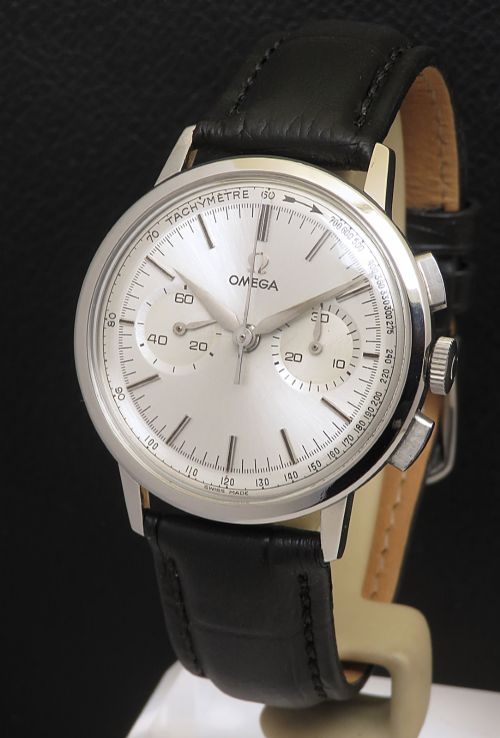
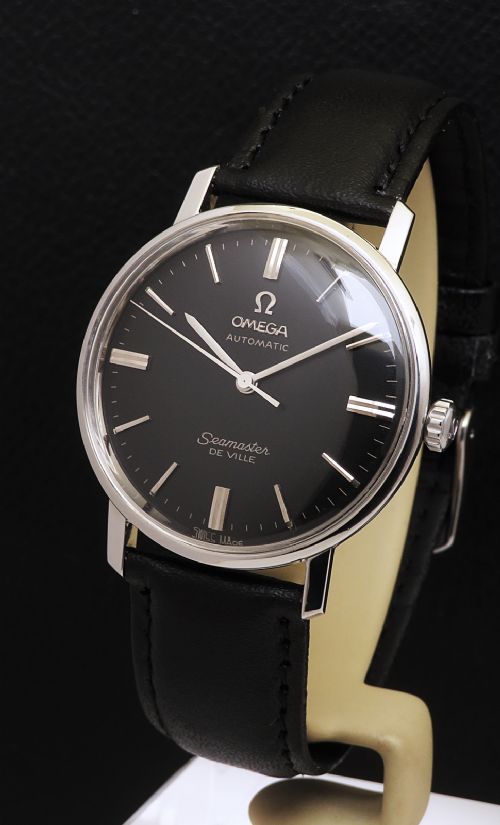
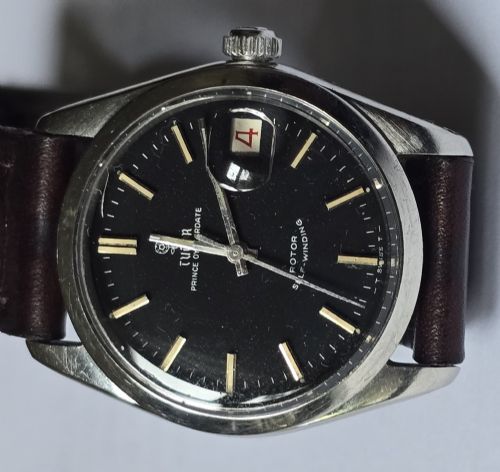
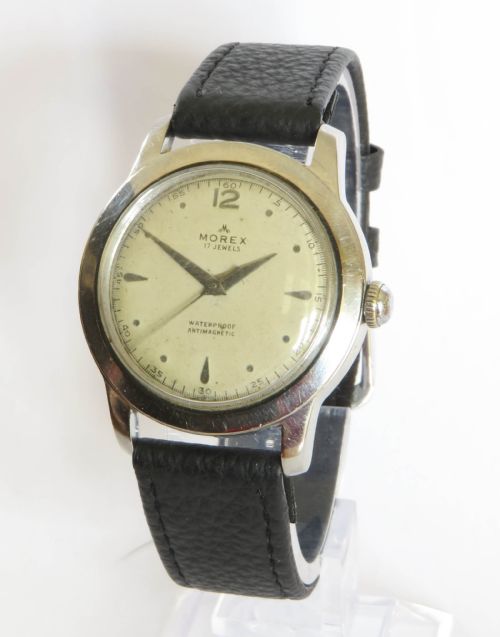
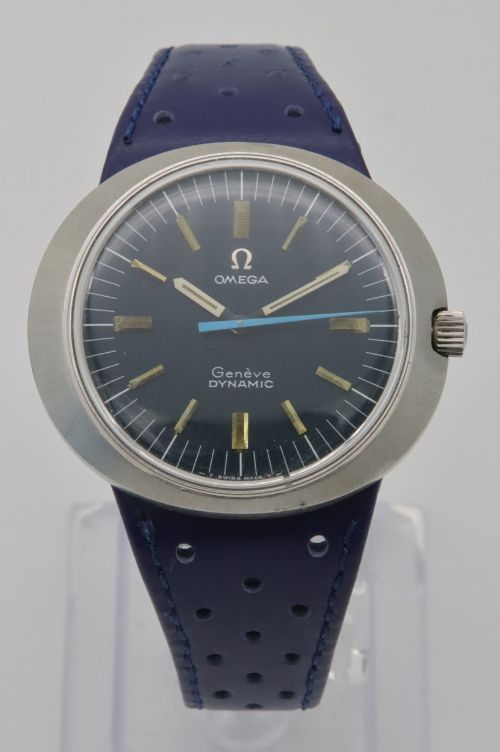
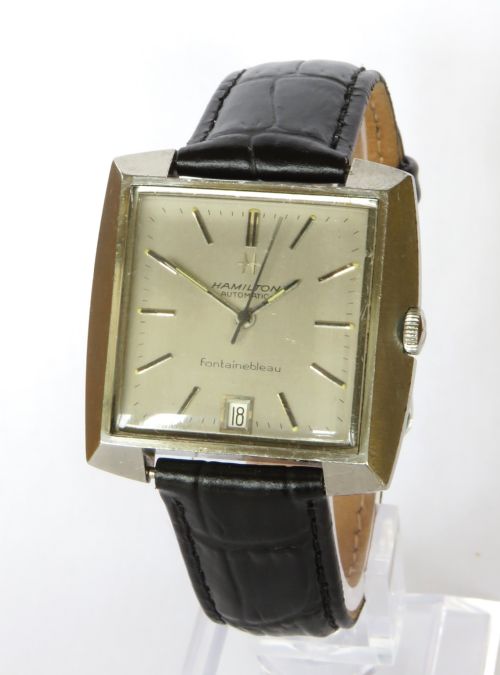
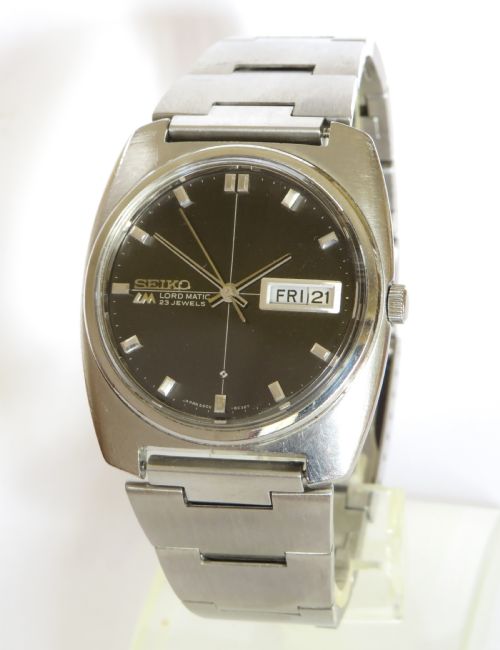
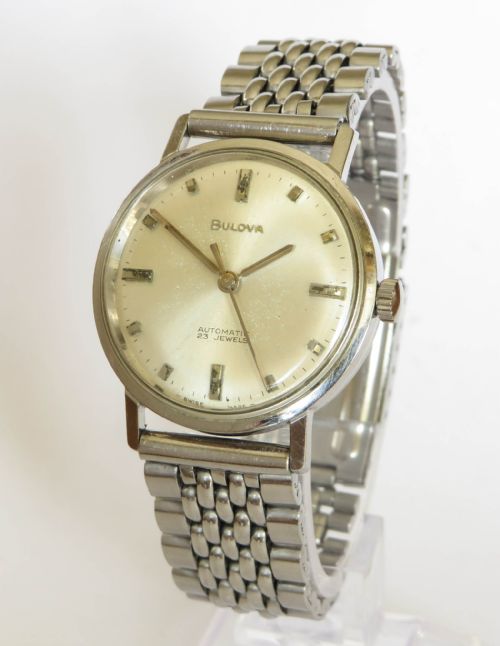
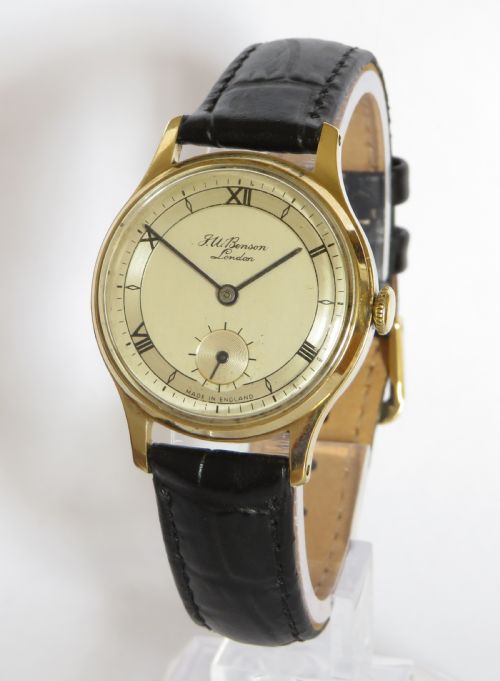
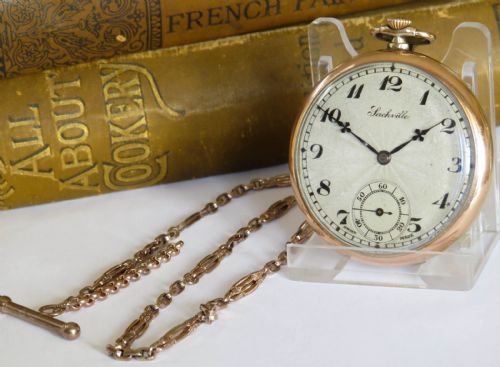
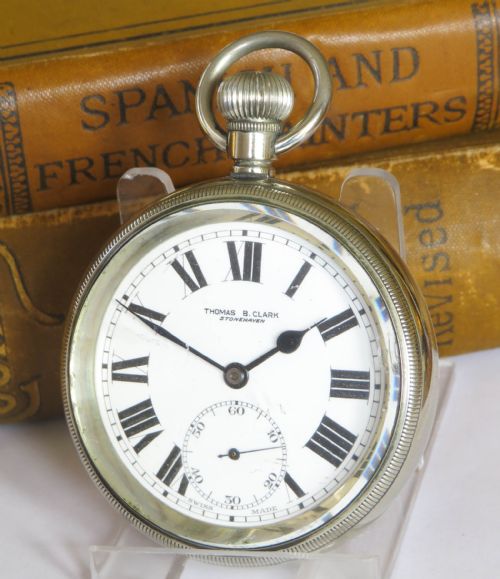
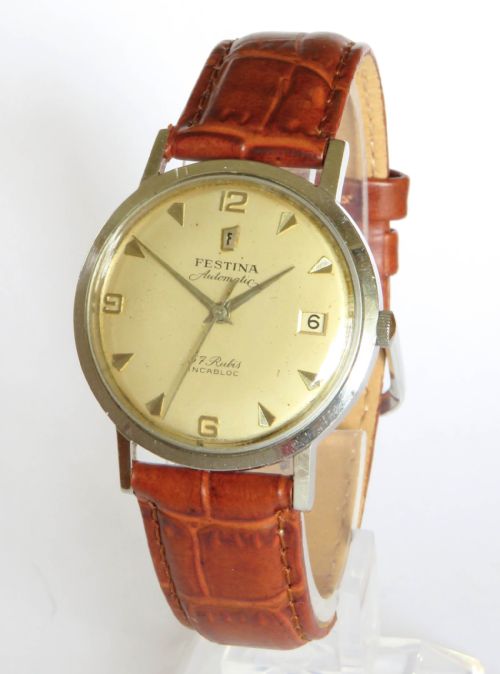
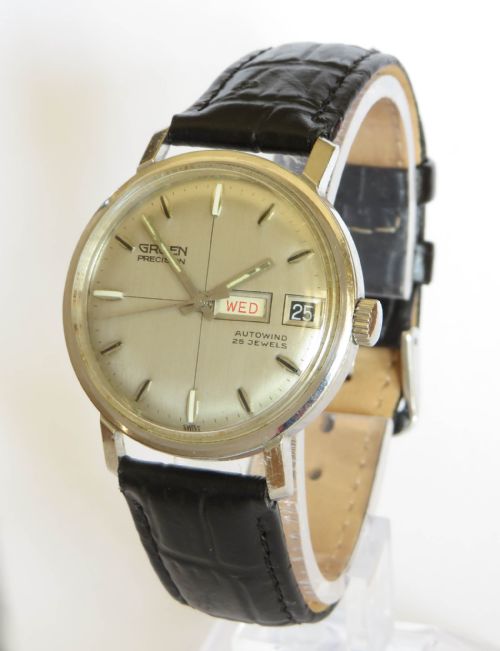
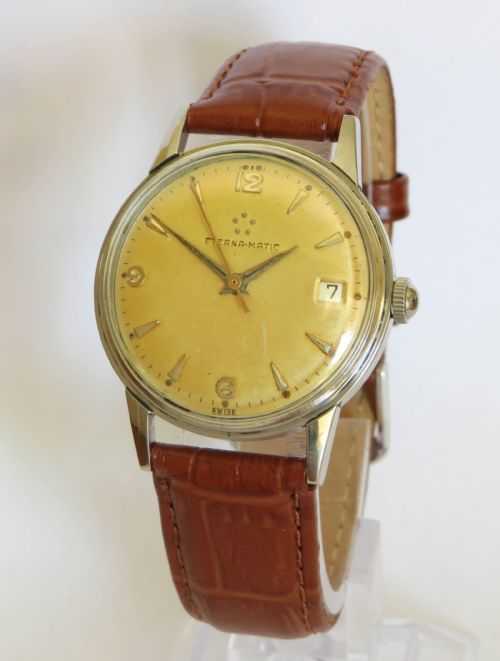
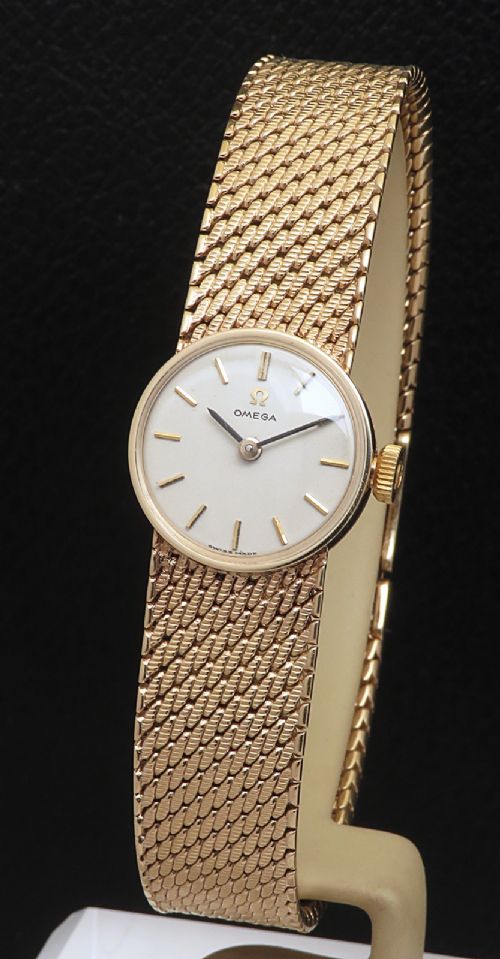
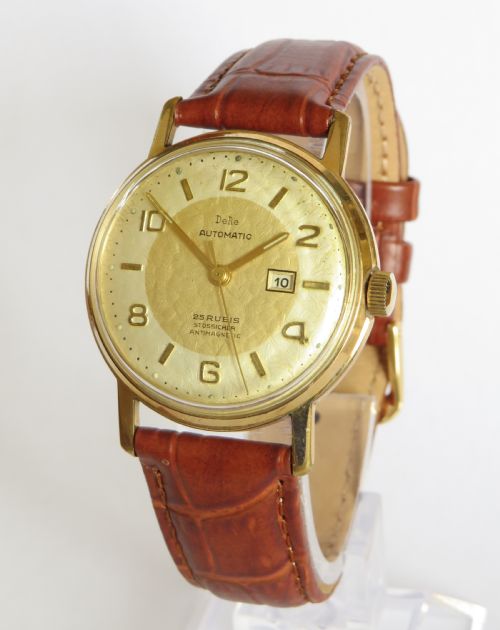
A retro mechanical timepiece encompasses wristwatches, pocket watches, desk clocks, wall clocks, and mantel clocks built across the 1920s, 1930s, 1940s, 1950s, and 1960s. These items rely entirely on mechanical movements, spring power, and manual or automatic winding rather than quartz crystals or digital displays. Buyers encounter mid-century wristwatches most frequently on this page, alongside occasional pocket watches and mantel clocks.
The aesthetic of these instruments spans Art Deco, Mid-Century Modern, and 1970s Retro styles. Enclosures range from stainless steel and gold plate to solid gold, chrome, and walnut, often paired with leather straps or bakelite bases. The selection offers functional accessories that reflect horological design from specific twentieth-century decades.
How they were made
Makers constructed these dials, cases, and movements using stainless steel, gold plate, solid gold, chrome, and brass. Glass and acrylic protect the clock faces, while leather forms the straps on wearable items. Bakelite and walnut appear on desk and wall clocks from the Art Deco period.
Internal mechanisms depend on hand-wound or automatic movements with metal gears, springs, and escapements. Cases utilise machining and plating techniques to house these mechanical components securely.
Listings feature periods spanning from the 1920s through the 1960s, incorporating both wearable wristwatches and domestic desk clocks.
What varies in quality
Quality differentiates through the precision and complexity of the internal movement, such as chronometer certification or specialised calendar mechanisms. Superior examples retain original dials, correct hands, and signed movements from established makers.
The choice of housing materials, from chrome-plated base metals to solid gold and platinum set with diamonds, establishes distinct tiers in manufacturing standards. The inclusion of original boxes, papers, and factory signatures elevates the standing of an individual piece.
Omega·Tudor·Montilier·Hamilton·Seiko·Bulova·Smiths·Revue·Festina·Gruen·Eterna·Vedette·Avia·Gloriosa·Venus·Wittnauer·Kered·Longines·Cyma·Certina
The Retro Mechanical Timepiece Glossary
- Automatic
- A self-winding mechanical movement that uses a weighted rotor to wind the mainspring through natural wrist motion during wear.
- Chronograph
- A watch equipped with a stopwatch function alongside the standard time-displaying hands.
- Calibre
- The specific manufacturer's internal designation for a particular watch movement design.
- Bakelite
- An early synthetic thermosetting plastic frequently utilised for clock bases and radio cabinets during the Art Deco era.
- Escapement
- The internal mechanical linkage that controls the release of power from the mainspring to regulate the movement of the hands.
Retro Mechanical Timepiece: Frequently Asked Questions
How do I wind a mechanical watch?
Rotate the crown clockwise between your thumb and forefinger until you feel resistance, taking care not to force it past the stopping point. For automatic models, natural arm movement winds the internal rotor during daily wear.
Regular daily winding at a consistent time helps maintain steady tension on the mainspring and preserves accurate timekeeping throughout the day.
Are vintage watches waterproof?
Vintage timepieces lack modern rubber gaskets and screw-down standards, meaning water resistance degrades significantly over decades. Even models labelled waterproof require protection from moisture and immersion.
Moisture condensation behind the glass can rust delicate internal steel components and ruin dials. Keep these items away from swimming pools, showers, and heavy rain.
How often should a mechanical clock be serviced?
Mechanical movements require professional cleaning and lubrication every few years to prevent dried oils from wearing down metal gears. Watchmakers disassemble the movement, clean the components, and reapply fresh oil.
Timely servicing ensures the longevity of vintage gear trains and maintains the accuracy of the timepiece.
What is a bumper movement?
A bumper movement is an early automatic watch design where the internal weighted rotor swings back and forth against springs rather than rotating in a full circle. You can feel a gentle tap on the wrist as the rotor hits the spring buffers.
This technology represents a transitional phase in horology before fully rotating rotor mechanisms became standard across the industry.