





Waltham Mechanical Watch
A waltham mechanical watch is a dependable timepiece driven by gears and springs, prized by collectors for its precise American engineering and heritage railway connections.
Waltham Mechanical Watch
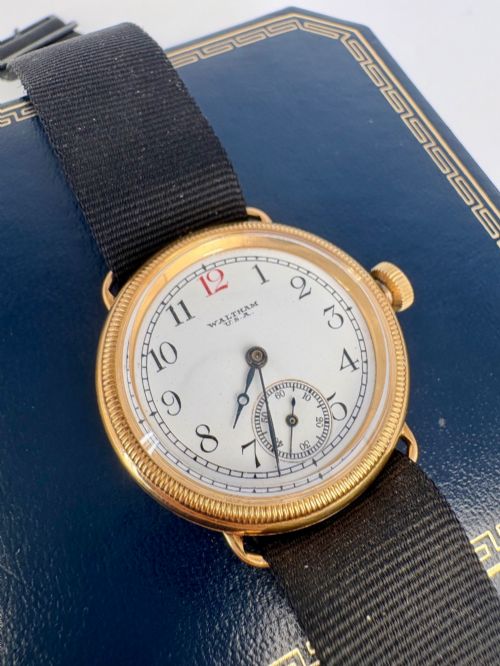
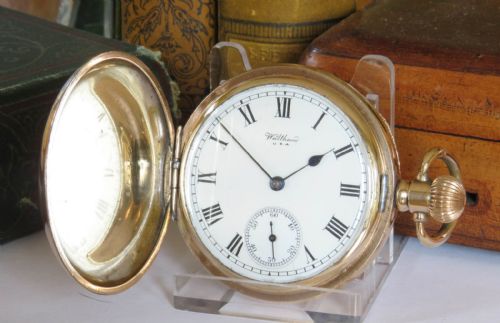
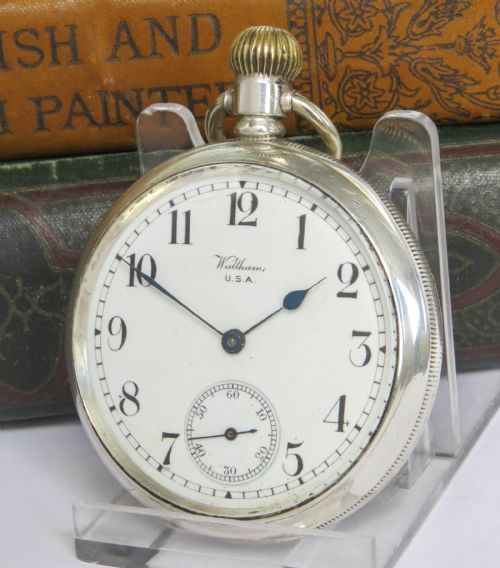
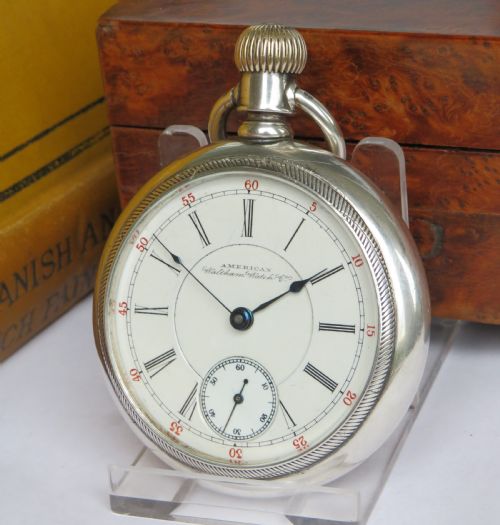
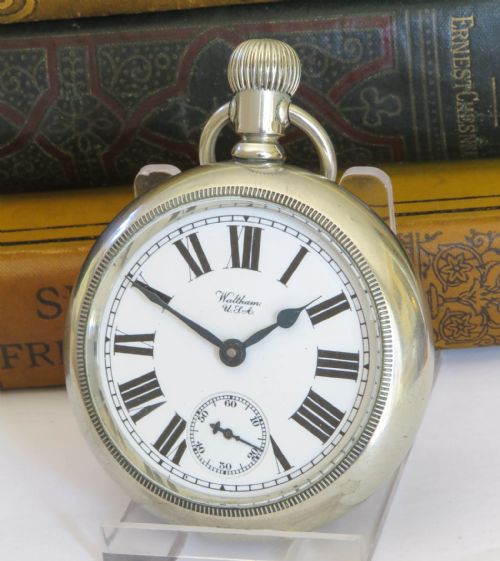
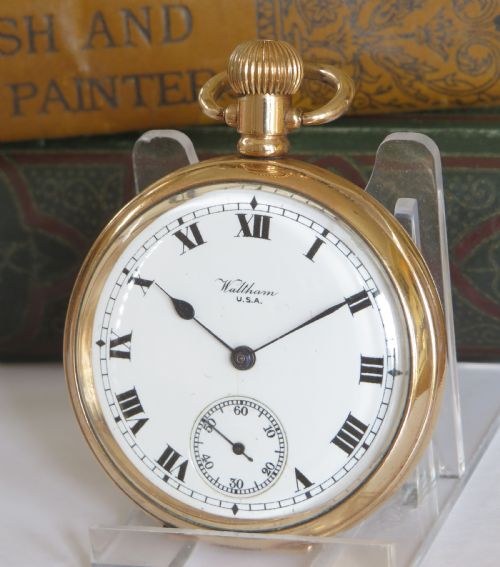
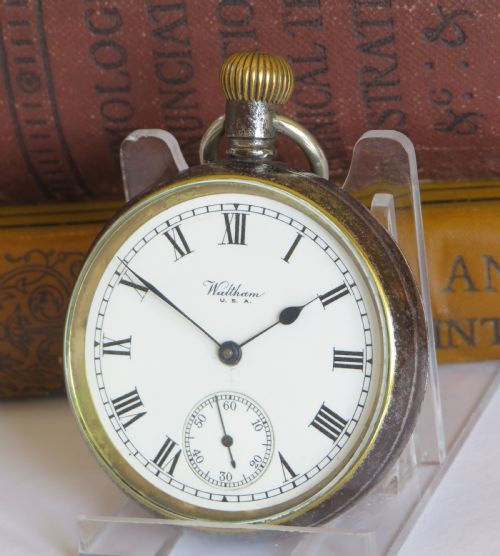
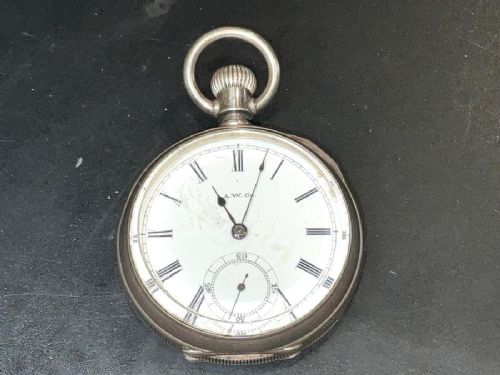
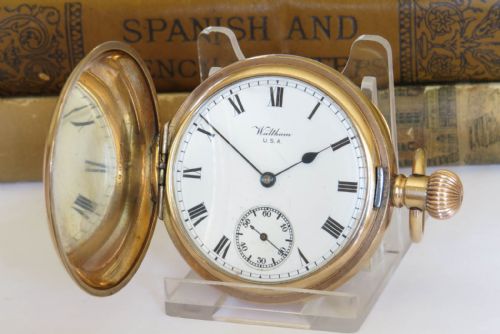
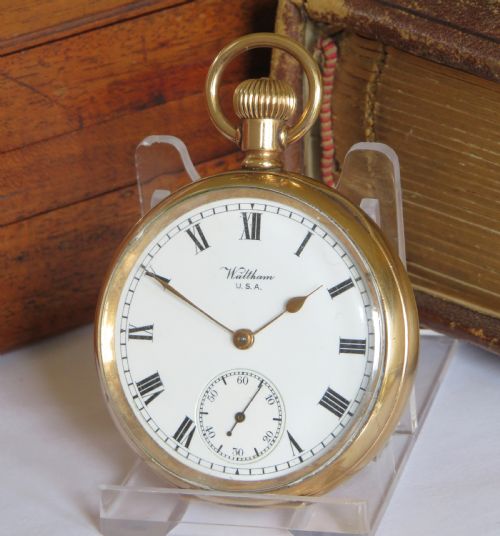
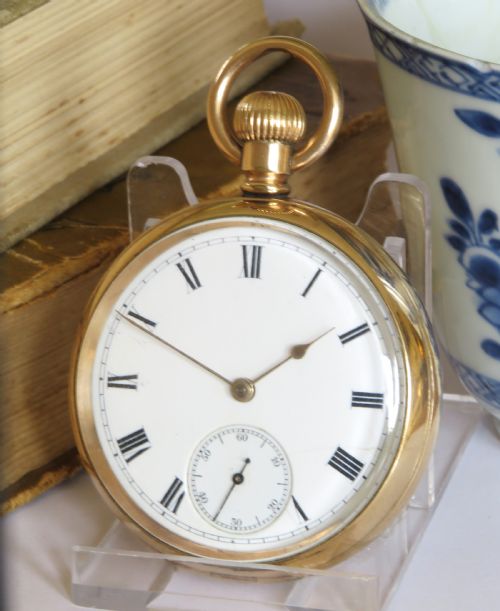
A waltham mechanical watch takes the form of a portable pocket timepiece, predominantly produced during the late Victorian, Edwardian, and Art Deco periods. These pieces include specialised railway issues, such as the Appleton Tracy and Lancs & Yorks designs, alongside named series like the Traveller and Colonial.
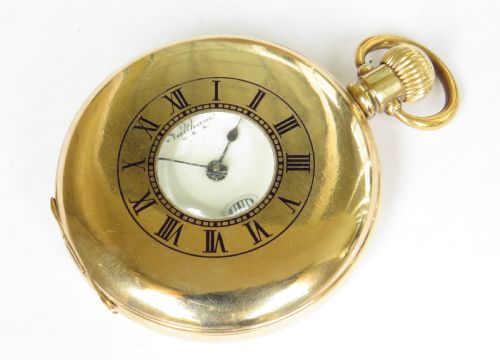
Most examples encountered here date from the turn of the twentieth century up to the early 1920s. The selection consists entirely of pocket watches, spanning open face designs as well as full hunter and half hunter styles with protective metal covers.
How they were made
Construction relies on durable metal alloys and precious metals, utilising steel for internal movements alongside brass, silver, gold filled, and solid gold for outer cases. Dial faces combine rigid metal substrates with delicate white enamel and protective glass crystals.
Cases are engineered to shield the mechanical gear trains from dust and daily wear, while specialised railway models incorporate high grade movements designed to maintain exact timekeeping under demanding conditions.
Waltham Mechanical Watch Retail Price Guide 2026
Typical asking prices for waltham mechanical watch among the pieces listed under this phrase on Sellingantiques today, from the lower quarter to the upper quarter. They describe what is for sale here now, not the wider market.
Listings span four distinct decades, stretching from eighteen ninety through the early nineteen twenties, with materials ranging from simple brass to solid gold and silver.
What varies in quality
Quality differences stem from the grade of the internal movement and the preciousness of the exterior metal casing, ranging from standard brass housings to heavy silver or gold filled configurations. Specialised railway issues and named series like the Appleton Tracy represent higher production standards.
The crispness of enamel dial lettering and the preservation of engraved case details distinguish finer examples from heavily worn pieces. The complexity of the watch style, such as the inclusion of a hunter spring lid, also marks out distinct tiers of production.
Waltham
The Waltham Mechanical Watch Glossary
- Full hunter
- A pocket watch featuring a spring loaded metal cover that protects the glass dial from scratches. Pressing the crown typically releases the lid.
- Half hunter
- A pocket watch with a metal outer case featuring a small glass window or central aperture in the lid. This allows the wearer to check the hands without opening the cover.
- Gold filled
- A manufacturing method where a layer of solid gold is mechanically bonded to a base metal core. This provides the appearance and wear resistance of solid gold at a different weight.
- Enamel dial
- A watch face created by fusing powdered glass to a metal plate at high temperatures. This produces a smooth, glossy white surface for painted numerals.
Waltham Mechanical Watch: Frequently Asked Questions
How do I wind a mechanical pocket watch?
Winding is performed by turning the crown at the top of the watch clockwise until gentle resistance is felt. Care must be taken not to overwind the mainspring.
Setting the time usually involves pulling the crown upward or pressing a small pin near the bezel while turning the crown.
What is a railway pocket watch?
Railway pocket watches were high precision timepieces issued to train drivers and conductors to ensure strict adherence to timetables. These pieces required robust movements to withstand locomotive vibrations.
Named examples often commemorate specific rail networks or master watchmakers associated with the American industry.
How do I date my watch?
Dating relies on matching the serial numbers found on the inner movement to established production records. Exterior hallmarks on silver and gold cases also provide clues to the year of manufacture.
Most pieces documented here originate from the late nineteenth century through the early nineteen twenties.
Can I carry a pocket watch daily?
Daily wear is entirely possible provided the mechanical movement receives periodic professional servicing and cleaning. The watch should be secured in a waistcoat or trouser pocket using a suitable chain.
Protection from moisture and severe impacts remains essential for preserving these antique mechanisms.